
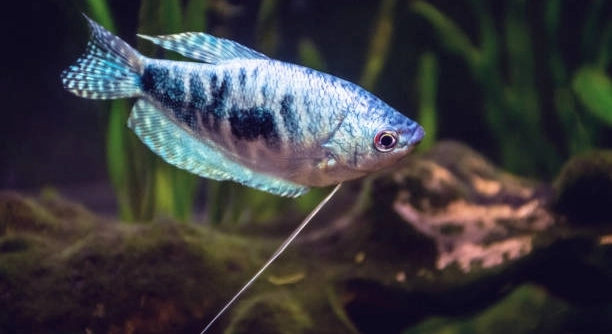
Have you ever watched your gourami glide calmly through the tank while noticing subtle reactions during feeding and maintenance routines, creating a gentle sense of connection that feels quiet, steady, and reassuring over time daily.
Gouramis can exhibit limited recognition of human presence through conditioned responses to routine care, feeding schedules, and environmental consistency. These behaviors reflect associative learning rather than emotional bonding, indicating tolerance and mild engagement instead of deliberate social interaction with keepers.
Observing daily habits, tank conditions, and gentle handling reveals how small details shape a gouramis comfort and responsiveness over time.
How Gouramis Respond to Human Presence
I have noticed that gouramis often react to people in quiet, consistent ways rather than dramatic displays. They learn routines quickly, especially feeding times, and may swim forward when someone approaches the tank. This behavior is linked to recognition of patterns, not affection. Gouramis rely on visual cues, water movement, and light changes to understand their surroundings. When these signals repeat, the fish becomes more relaxed and predictable. Sudden movements or loud vibrations usually cause retreat, showing their preference for stability. Over time, steady care can reduce stress responses. A calm environment allows natural behaviors like surface breathing, slow fin movement, and exploratory swimming to appear more often. These signs indicate comfort, not attachment. Understanding this difference helps set realistic expectations and supports better tank management that respects the gouramis natural limits. I learned this through patience, observation, and accepting that calm presence matters more than attention during daily care.
Human interaction is tolerated when it remains predictable, gentle, and brief. Gouramis do not seek contact, but they adjust to repeated exposure. This adjustment lowers stress and supports feeding responses, making routine maintenance smoother and less disruptive overall. I find this balance important for term tank harmony and fish wellbeing.
While gouramis may appear curious, their reactions are rooted in survival and learned association. They recognize shapes outside the glass and may follow slow movements. This does not mean they enjoy handling or direct contact. I avoid tapping the tank or hovering for long periods. Simple consistency matters more than attention. Stable water parameters, regular lighting cycles, and calm feeding habits build trust like responses. When these needs are met, gouramis show steady behavior patterns that make observation rewarding and care easier. This approach suits my preference for quiet care and respectful distance at home with minimal daily disruption routines.
Encouraging Calm and Predictable Interaction
Encouraging calm interaction starts with the environment you control. Soft lighting, slow movements, and regular schedules reduce defensive reactions. I keep changes minimal and observe responses closely. This method supports comfort without forcing engagement, which suits gouramis well. It also makes daily care feel steady and more intentional over time.
I focus on meeting basic needs before considering interaction. Clean water, proper filtration, and appropriate tank size come first. Feeding should happen at the same times each day, using consistent portions. Over time, gouramis associate the keeper with food delivery. This association explains most forward swimming behavior. I remain still during feeding and avoid sudden gestures. Hands should not enter the tank unless necessary. Visual presence alone is enough. Observation from a short distance prevents stress reactions. Decorations and plants provide security, allowing the fish to retreat when needed. This choice respects natural instincts. Interaction should never interrupt rest or surface breathing. By maintaining calm habits, the fish remains steady and predictable. This creates a peaceful tank rhythm that benefits both keeper and animal. I find this approach rewarding because it aligns care with respect, patience, and realistic expectations. It also reduces maintenance errors caused by rushing or overstimulation. I feel more confident when routines guide every task. Consistency supports health, behavior stability, and long term care success in home aquariums. This mindset keeps expectations grounded and prevents disappointment while promoting steady observation and responsible ownership. It suits my preference for calm spaces and measured daily routines at home always.
Signs of Comfort and Stress in Gouramis
Gouramis show comfort through slow swimming, steady fin movement, and regular feeding responses. Stress appears as hiding, rapid darting, or refusal to eat. I watch these cues daily because small changes often signal that something in the environment needs adjustment early intervention prevents long term issues in home aquariums settings.
When a gourami feels at ease, its colors remain even and its movements appear controlled. I notice fewer sudden stops and less surface panic. Stress usually follows abrupt changes like tank rearranging or inconsistent feeding times. Loud noises and tapping the glass increase tension quickly. Maintaining stable water temperature and gentle lighting reduces these reactions. I rely on observation rather than interaction to judge wellbeing. The fish does not need attention, only predictability. By responding to behavior shifts early, I avoid prolonged stress and keep the tank environment balanced and calm over time with consistent care routines daily applied carefully.
Gouramis under stress may clamp fins, lose appetite, or hover near corners. I take these signs seriously and review recent changes immediately. Water quality is my first check, followed by lighting and flow strength. Overcrowding also contributes to tension. Even compatible tank mates can create pressure if space is limited. I avoid frequent hands-on adjustments because repeated disruption worsens responses. Allowing the fish time to settle is often more effective. Calm observation supports recovery and helps me correct issues without adding further disturbance during routine care periods at home aquariums where stability matters most long term health outcomes overall matter.
Why Handling Is Usually Avoided
Direct handling is rarely beneficial for gouramis and often increases stress responses. Their bodies are adapted for water support, not air exposure. I limit contact to essential maintenance only. Nets and hands remove protective slime layers. This raises infection risk. Visual interaction provides all necessary exposure. Respecting physical boundaries keeps behavior steady and health outcomes more reliable over time in small home tanks with limited escape space available daily care routines maintained carefully always consistently.
Handling interrupts normal behavior patterns and can cause prolonged hiding. I have seen gouramis refuse food after unnecessary contact. Stress hormones remain elevated long after the event. This affects digestion and immune response. Even brief lifting from water creates confusion and physical strain. Instead, I focus on tank design that allows observation without interference. Clear glass, open swimming areas, and plant cover make behavior easy to monitor. When intervention is required, I move slowly and keep exposure minimal. This approach reduces recovery time. Consistent low contact supports stable behavior, predictable feeding, and long term health. I find restraint improves outcomes more than involvement during regular maintenance schedules at home aquariums where calm conditions support natural rhythms and reduce avoidable stress responses overall for fish wellbeing.
The Role of Routine and Visibility
Routine interaction benefits gouramis only when it remains passive and predictable. I stay visible during feeding and cleaning without hovering. This allows recognition of patterns without pressure. Consistency lowers stress responses and supports normal behavior, while excessive attention often disrupts feeding habits and resting cycles over time in captivity settings.
Visual exposure teaches gouramis that human presence is not a threat. I avoid sudden movements and keep tank access brief. Over time, the fish responds calmly during maintenance. This form of interaction respects boundaries while maintaining awareness, which supports steady routines and predictable responses each day in home aquarium care.
Feeding as the Primary Point of Association
Feeding routines create the strongest association between gouramis and people. I feed at the same location and time daily, using slow movements. This repetition builds recognition without reliance. The fish approaches the glass expecting food, not contact. Skipped schedules or rushed feeding increase tension. I keep portions controlled and avoid overfeeding to prevent water issues. Calm feeding reduces competition, especially in shared tanks. When feeding remains consistent, gouramis display smoother swimming and faster settling afterward. This predictable pattern improves overall tank stability and reduces unnecessary stress during care. I value this structure because it simplifies care and observation daily routines.
Environmental Design and Interaction Limits
Tank layout influences how safe gouramis feel during human presence. I provide plant cover and open space to allow choice. When the fish can retreat easily, interaction becomes less stressful. This balance supports calm behavior and allows observation without forcing engagement or prolonged exposure to unnecessary visual pressure daily situations.
Do Gouramis Recognize Their Owners?
Gouramis can learn to associate their keeper with feeding times and movement outside the tank. I have noticed that they swim toward the front when I approach, but this is a learned response, not true recognition. They do not form emotional bonds like mammals, but consistency in presence helps them feel secure and predictably expect food. Sudden changes or irregular schedules can make them retreat, showing how sensitive they are to routine.
Can Gouramis Enjoy Human Interaction?
Gouramis do not experience enjoyment from interaction in the way pets like cats or dogs do. I keep my distance and let them observe me quietly. They respond calmly to routine activities, which can appear as curiosity, but this is more about recognizing patterns than seeking companionship. Stress rises when handling is forced, so I avoid touching them unnecessarily. The best interaction is passive, visual, and predictable, ensuring the fish remains comfortable while maintaining tank stability.
Why Do Gouramis Follow Movements Outside the Tank?
Following movements is often linked to anticipation of food. I have seen my gouramis track hands or shadows slowly moving near the glass. They learn to expect feeding at certain times, which explains most forward swimming behavior. Quick or erratic movements trigger retreat instead of following. Observing slowly and consistently allows them to maintain calm behavior. This response shows associative learning rather than social interest.
Is It Safe to Touch or Handle Gouramis?
Handling gouramis should be limited to necessary maintenance. I avoid placing them in nets or hands unless required, because contact removes protective slime, increases stress, and raises the risk of infection. Simple observation without interference is safer. When handling is needed, I move slowly and minimize exposure. Most daily care can be done without touching the fish, which supports long-term health and predictable behavior patterns in the aquarium.
How Can You Reduce Stress During Daily Care?
Maintaining stable conditions is key. I keep water temperature, flow, and lighting consistent while performing slow, predictable movements. Feeding happens at regular times, and tank decorations provide cover for retreat. Loud noises and tapping are avoided. Small changes can increase tension, so I adjust carefully. Calm observation supports natural behavior and helps identify early signs of discomfort, keeping gouramis steady and healthy over time.
Why Do Gouramis Sometimes Hide When You Approach?
Hiding is a natural response to perceived threats. I have observed my gouramis retreating when movement is sudden or when lighting is harsh. Even minor disturbances can trigger this instinct. Plants and decorations offer refuge, which is important for reducing stress. Respecting these retreats allows them to feel secure without forcing interaction, making observation easier and care safer.
Can Gouramis Learn Your Routine?
Yes, they can adapt to feeding schedules, cleaning patterns, and consistent presence. I notice smoother swimming, reduced hiding, and calmer behavior during these times. This adaptation comes from repetition, not affection. Skipping routines or creating abrupt changes increases stress and unpredictable behavior. Consistency is more effective than active engagement for building a stable aquarium environment.
How Do You Know a Gourami Is Comfortable?
Comfort is shown through even coloration, relaxed fin movement, and exploratory swimming. I pay attention to steady surface breathing and calm feeding responses. Stress signs, like darting, fin clamping, or refusing food, indicate the need for adjustment. Observing behavior patterns over time gives insight into overall wellbeing and helps maintain a stable, predictable tank environment.
Are Some Gourami Species More Interactive Than Others?
Some gourami species appear more responsive due to size, temperament, or social behavior. I keep this in mind when setting up tanks. Smaller gouramis may be shy, while larger species like kissing gouramis seem more visible and reactive. Interaction levels are still based on routine and pattern recognition rather than desire for contact. Patience and consistency matter for all species.
Can Visual Interaction Replace Physical Handling?
Visual observation is enough for most care needs. I watch movement, feeding habits, and behavior to assess health. Physical handling is rarely necessary. By remaining visible but nonintrusive, gouramis can settle calmly while I maintain the tank. This reduces stress and keeps the fish predictable, allowing me to focus on proper feeding and environmental management without forcing contact.
Does Tank Design Affect Interaction?
Yes, layout and decoration impact how gouramis perceive presence. I provide open swimming areas, hiding spots, and gentle flow. This design allows them to approach or retreat comfortably. Without adequate cover, even passive observation can cause stress. Tank planning supports calm responses and helps maintain routine-based engagement without forcing interaction, improving overall behavior and wellbeing.
How Often Should You Observe Gouramis?
Daily observation is enough. I watch for behavior shifts, feeding patterns, and stress signs. Observation should be calm and brief to prevent overstimulation. Checking water quality, diet, and tank conditions alongside visual monitoring ensures health without unnecessary interference. Routine, gentle observation keeps gouramis steady and predictable while supporting proper care.
What Are the Limits of Human Influence on Gouramis?
Human influence is mainly limited to environmental consistency, feeding schedules, and gentle presence. I cannot expect emotional attachment or social engagement. Most behavior changes come from stability and predictable patterns. Understanding these limits helps me manage expectations and maintain a calm, low-stress aquarium where gouramis thrive without forced interaction or excessive handling.
Gouramis are quietly engaging fish that respond best to calm, consistent care rather than direct interaction. I have learned that they recognize routines and associate certain movements with feeding or maintenance, but this should not be confused with social attachment. Their responses are subtle, often limited to following movements near the glass, changing swimming patterns, or adjusting their position in the tank when humans are present. Observing these behaviors over time allows me to understand their needs and comfort levels without requiring close contact. The key is to remain predictable, slow, and gentle in presence, so the fish feels secure in its environment. Sudden movements, loud noises, or excessive attention can increase stress and disrupt their natural behavior, so I avoid these whenever possible. Even small adjustments in lighting, water flow, or tank layout can make a noticeable difference in how comfortable the gouramis appear.
Routine is one of the most important ways to interact with gouramis safely. I feed them at the same times each day, in the same locations, using slow, consistent motions. They learn these patterns and begin to respond calmly, which reduces anxiety in the tank. Tank maintenance, like water changes or cleaning, should also follow predictable steps. Even simple consistency, such as keeping decorations in the same place or maintaining stable water conditions, helps them feel secure. Over time, these routines allow me to monitor their health and behavior without needing physical contact. I have found that visual observation is often sufficient for ensuring they are healthy, eating properly, and behaving normally. Trying to force engagement, handle them unnecessarily, or create unpredictable interactions tends to cause more harm than benefit, as gouramis rely on stability and pattern recognition rather than social connection with humans.
The best approach to living with gouramis is patience and respect for their natural behavior. I focus on providing a balanced environment, proper diet, and predictable daily care, which allows them to thrive while remaining calm and predictable. Tank design also plays a role, as open swimming areas and plenty of plant cover give them choice and reduce stress. Observing subtle changes in movement, fin position, or appetite helps me detect problems early and adjust care accordingly. While gouramis may appear curious at times, their interest is usually tied to routine and pattern recognition, not affection or desire for interaction. Accepting this helps me set realistic expectations and enjoy the quiet satisfaction of maintaining a healthy, stress-free aquarium. By prioritizing stability, routine, and respectful observation, I can ensure that my gouramis live comfortably, respond calmly, and maintain steady behavior over the long term.

Hello,
If you enjoy the content that we create, please consider saying a "Thank You!" by leaving a tip.
Every little bit helps us continue crafting quality advice that supports the health, happiness, and well-being of pets around the world, for pets of all shapes, sizes, and species.
We really appreciate the kindness and support that you show us!