
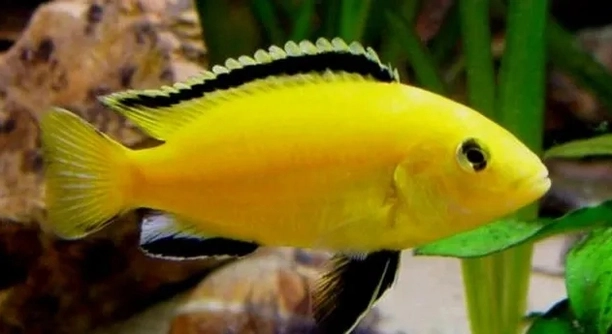
Keeping an electric yellow cichlid tank clean is essential for the fish’s health and the tank’s overall appearance. Over time, waste, uneaten food, and algae can accumulate, making the tank less inviting and more difficult to maintain.
Regular cleaning of an electric yellow cichlid tank is necessary to maintain water quality, prevent harmful bacteria buildup, and ensure the fish’s well-being. Neglecting tank maintenance can result in stress, disease, and unhealthy living conditions for the fish.
Even small signs of dirt or cloudiness can indicate a need for cleaning. Recognizing these early helps maintain a healthy, vibrant environment for your cichlids and keeps the tank looking its best.
Cloudy Water
Cloudy water is one of the first signs that your electric yellow cichlid tank needs attention. It often occurs when waste and uneaten food build up faster than the filter can remove them. Algae growth and overfeeding are common contributors to the problem. Even if your fish appear healthy, murky water can create a stressful environment. Over time, the cloudiness can also prevent light from reaching live plants, affecting their growth. Regular water changes help maintain clarity, but it’s also important to check your filter’s efficiency. Sometimes, rinsing or replacing filter media can make a noticeable difference. Keeping a consistent cleaning schedule reduces the risk of sudden water issues. Testing water parameters, such as ammonia, nitrites, and nitrates, is essential because cloudy water can hide underlying chemical imbalances. A clean tank improves oxygen levels and keeps your fish active and colorful. Addressing water clarity promptly prevents long-term stress and keeps the tank visually appealing.
Even minor cloudiness should not be ignored. Consistent maintenance prevents bigger problems.
Maintaining clear water requires observing fish behavior and monitoring waste levels. Skipping water changes can escalate cloudiness, creating bacteria growth and affecting fish health. Using a siphon during partial water changes removes debris from the substrate. Adjusting feeding habits prevents excess food from decaying. Proper filtration ensures waste is continuously removed. Combining these practices keeps the tank environment stable and promotes long-term health for electric yellow cichlids.
Algae Growth
Algae buildup on tank walls or decorations signals the need for cleaning.
Algae can form quickly in tanks with excess light or nutrients. Even though some algae are harmless, too much can reduce oxygen levels and affect fish health. Scrubbing decorations, cleaning glass, and adjusting light exposure help control algae growth. Regular water changes also limit nutrient buildup, keeping algae under control. Using algae-eating fish or snails can supplement manual cleaning, but they cannot replace proper maintenance. Keeping plants healthy and avoiding overfeeding reduces the conditions that encourage algae. Balancing tank light, both in duration and intensity, helps prevent excessive growth. It’s important to notice early signs because thick algae layers can be difficult to remove. Algae also affects the tank’s appearance, making the water look green or hazy. Keeping up with cleaning tasks ensures a comfortable and safe environment for your electric yellow cichlids. Monitoring algae over time helps determine how often cleaning is needed.
Foul Odor
A strong smell from the tank is a clear sign it needs cleaning. Waste buildup and decaying food produce ammonia, making the tank unpleasant for both fish and humans.
Foul odors usually indicate excess organic material in the substrate or filter. When uneaten food or fish waste decomposes, it releases compounds that create the unpleasant smell. Even with a functioning filter, buildup can occur in hidden areas like corners or under decorations. Regular substrate vacuuming and cleaning the filter help reduce odor. Removing dead plant material or uneaten food promptly is essential. Consistent partial water changes flush out accumulated compounds before they become overwhelming. Ignoring the smell can harm fish health, leading to stress and susceptibility to disease. Maintaining proper filtration and observing water quality ensures the tank remains odor-free and safe for your electric yellow cichlids.
Odor management is ongoing and requires attention to daily feeding and maintenance routines. Reducing overfeeding and debris accumulation prevents recurring smells and keeps the tank clean.
Excessive Algae on Decorations
Decorations covered in algae indicate a cleaning session is overdue. Thick layers affect both appearance and tank health.
Algae can grow rapidly on rocks, plants, and ornaments if light or nutrient levels are high. Decorations not cleaned regularly accumulate this growth, which can reduce oxygen levels and trap waste, creating a harmful environment. Manually scrubbing items during water changes removes buildup. Removing decorations temporarily and soaking them in a mild cleaning solution also helps eliminate stubborn algae. Overfeeding worsens the problem because leftover food increases nutrient levels. Adjusting light schedules to limit exposure and ensuring proper filtration helps control growth over time. Some algae-eating fish or snails can assist but should not replace manual cleaning. Staying consistent with cleaning habits prevents excessive algae and maintains a healthy, visually appealing tank.
Maintaining algae-free decorations requires monitoring both feeding and lighting. Addressing buildup early keeps the tank looking clean and ensures a comfortable environment for electric yellow cichlids.
Fish Showing Stress
Erratic swimming or hiding behavior can indicate a dirty tank. Poor water quality stresses electric yellow cichlids, affecting their health.
Stress can lead to loss of appetite, faded colors, and susceptibility to disease. Observing these behaviors early allows you to take action before conditions worsen.
Uneaten Food
Uneaten food sinking to the substrate decomposes quickly, raising ammonia levels. Frequent leftover food is a strong indicator that cleaning is overdue. Regularly removing excess food keeps water quality stable and prevents harmful buildup that could affect your fish’s well-being.
Filtration Issues
Filters clogged with debris or running inefficiently reduce water circulation. This affects oxygen levels and allows waste to accumulate. Cleaning and maintaining the filter regularly is essential to keep the tank environment healthy and stable for your electric yellow cichlids.
Cloudy Substrate
A murky or dirty substrate signals that debris and waste have accumulated. Vacuuming the gravel during water changes restores cleanliness and prevents harmful bacteria from affecting your fish.
How often should I clean my electric yellow cichlid tank?
Cleaning frequency depends on tank size, fish population, and filtration efficiency. Generally, partial water changes every one to two weeks help maintain water quality. Substrate vacuuming, algae removal, and filter maintenance should also be part of a consistent routine. Overfeeding or having too many fish may require more frequent attention. Observing water clarity, odor, and fish behavior can guide when cleaning is necessary. Regular maintenance prevents waste buildup, supports healthy fish, and keeps decorations and substrate looking clean. Consistency is key to avoiding sudden water quality problems and keeping electric yellow cichlids active and colorful.
What is the best way to remove algae from decorations?
Algae can be scrubbed off using a soft brush or sponge. For stubborn growth, decorations can be soaked briefly in a mild cleaning solution, then rinsed thoroughly with water before returning to the tank. Avoid harsh chemicals, as residues can harm fish. Limiting light exposure and maintaining proper filtration helps control algae growth. Removing algae manually during water changes ensures decorations remain visually clean and prevents oxygen depletion caused by excessive growth. Adding algae-eating fish or snails may help, but they should supplement, not replace, regular cleaning. Keeping nutrient levels balanced also reduces algae buildup over time.
Can I clean the filter while keeping my fish in the tank?
Yes, cleaning the filter is possible without removing the fish. Turn off the filter, gently rinse filter media in tank water during a water change to avoid killing beneficial bacteria, then reassemble the filter. Avoid using tap water directly on media because chlorine can destroy bacteria crucial for biological filtration. Check tubing and pump components for debris to maintain water flow. Frequent inspection and maintenance keep the filter functioning efficiently and ensure the tank environment remains safe and stable for electric yellow cichlids. Regular filter upkeep reduces waste accumulation and helps prevent cloudy water or foul odors.
What signs indicate overfeeding in my tank?
Uneaten food on the substrate or floating in the water signals overfeeding. This excess quickly decomposes, raising ammonia and nitrate levels, which harms fish health. Overfeeding can also encourage algae growth and cause cloudy water. Reducing portions to what fish can consume in a few minutes and feeding multiple small servings instead of one large feeding helps maintain water quality. Removing leftover food immediately prevents waste accumulation and keeps your cichlids active and healthy. Consistent observation during feeding ensures you provide the right amount without contributing to tank pollution.
Is it safe to use chemicals for quick cleaning?
Chemical cleaners can be dangerous for fish and disrupt the tank’s balance. Only mild solutions like vinegar or baking soda should be used on decorations outside the tank. Always rinse thoroughly before returning items to the aquarium. Avoid soaps or detergents as residues can be toxic. Maintaining regular cleaning habits reduces the need for chemical intervention. Safe alternatives like algae scrapers, filter maintenance, and substrate vacuuming effectively remove buildup without harming fish. Prioritizing manual and gentle cleaning methods ensures a safe environment and protects electric yellow cichlids from stress or illness.
How do I know if my water parameters are off?
Cloudy water, foul odor, stressed fish, or excessive algae growth often indicate water parameters are imbalanced. Regular testing of ammonia, nitrite, nitrate, and pH levels provides clear insight into water quality. Maintaining proper parameters prevents health problems and keeps electric yellow cichlids active. Correcting imbalances may involve partial water changes, adjusting feeding, or cleaning the substrate and filter. Observing fish behavior alongside test results ensures problems are identified early. Monitoring water quality consistently helps prevent long-term damage and creates a stable, healthy tank environment.
Can overstocking affect tank cleanliness?
Yes, too many fish increase waste production, leading to rapid debris accumulation, cloudy water, and higher ammonia levels. Overstocking stresses electric yellow cichlids and reduces oxygen availability. Adjusting the number of fish to match tank size and filtration capacity is essential. Regular cleaning routines become more critical in heavily stocked tanks to maintain balance. Providing enough hiding spots and space helps reduce stress and territorial aggression. Proper stocking ensures manageable waste levels and a healthier, cleaner environment, supporting the overall well-being and longevity of the fish.
What should I do if my substrate stays cloudy after cleaning?
Persistent cloudiness often results from trapped debris, compacted substrate, or bacterial blooms. Using a siphon during water changes can remove hidden particles. Stirring gravel lightly helps release trapped waste but avoid disturbing fish excessively. Checking filter efficiency is important, as a clogged filter may fail to remove suspended particles. Avoid adding chemicals to clear water, as they can stress or harm fish. Patience is required, as bacterial balance may take time to restore. Consistent partial water changes and proper maintenance eventually restore substrate clarity while keeping electric yellow cichlids healthy.
How can I prevent future tank cleaning issues?
Maintaining consistent feeding, monitoring water quality, and scheduling regular maintenance prevents most cleaning problems. Avoid overstocking and adjust lighting to reduce algae growth. Cleaning filters and vacuuming the substrate regularly helps manage waste buildup. Observing fish behavior, water clarity, and odor provides early warning of potential issues. Keeping decorations free from excessive algae and debris ensures a visually clean tank. Combining these practices creates a stable, healthy environment for electric yellow cichlids, reducing stress and illness. Preventive maintenance is more effective than reactive cleaning, making daily tank care easier and more manageable.
Maintaining a clean tank for electric yellow cichlids is essential for their health and overall well-being. A neglected tank can quickly become a stressful and unsafe environment. Waste, uneaten food, and algae can build up over time, causing cloudy water, foul odors, and unhealthy water parameters. Even if your fish appear healthy, these conditions can gradually weaken their immune systems and make them more prone to disease. Regular cleaning and maintenance help prevent these problems, ensuring the tank stays visually appealing while supporting your cichlids’ physical health. By staying attentive to the tank’s condition, you can catch small issues before they develop into larger concerns. Consistency in cleaning routines is more effective than infrequent deep cleanings, as it maintains balance in the tank’s ecosystem. Simple tasks, such as partial water changes, substrate vacuuming, and filter upkeep, go a long way in keeping the environment stable and safe.
Observing your fish and their behavior is just as important as physical cleaning. Signs like unusual swimming patterns, hiding, or loss of appetite often indicate water quality issues or stress caused by a dirty tank. Monitoring these behaviors alongside water clarity and the condition of decorations and substrate provides a clear picture of when cleaning is needed. Paying attention to details like excessive algae growth, cloudy water, or debris on the bottom of the tank allows for timely action. Regular testing of water parameters, including ammonia, nitrites, nitrates, and pH, ensures that chemical levels remain safe and stable. Taking proactive measures prevents long-term health issues for your electric yellow cichlids. A clean tank not only supports the fish’s physical needs but also encourages natural activity, vibrant coloration, and overall vitality. Understanding these aspects makes maintaining the tank more manageable and rewarding.
Creating a sustainable cleaning routine is key to long-term success. Small, consistent efforts are more effective than infrequent intensive cleanings. Developing a schedule that fits your tank’s size, number of fish, and filtration system helps prevent waste accumulation and maintains stable water conditions. Adjusting feeding practices, managing light exposure to control algae, and keeping decorations and substrate free of debris reduces the workload over time. Tools like siphons, algae scrapers, and proper filter maintenance simplify the process and ensure nothing is overlooked. Maintaining a clean tank promotes a healthier, stress-free environment for electric yellow cichlids while keeping the aquarium visually pleasing. A clean, well-maintained tank benefits both the fish and the overall enjoyment of keeping them, making it easier to provide a safe and thriving aquatic habitat. Consistent care builds a balance where the fish remain active, healthy, and vibrant, which is the ultimate goal of proper aquarium management.

Hello,
If you enjoy the content that we create, please consider saying a "Thank You!" by leaving a tip.
Every little bit helps us continue crafting quality advice that supports the health, happiness, and well-being of pets around the world, for pets of all shapes, sizes, and species.
We really appreciate the kindness and support that you show us!