
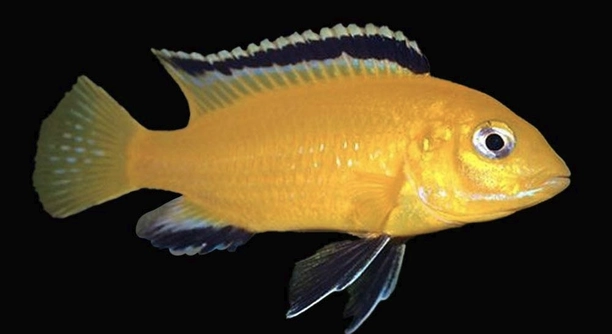
Do you ever find yourself watching your fish move through the water as small changes in their behavior make you wonder if hidden tension is building and whether their fins might be revealing more today.
Fins signals that indicate conflict brewing often involve flaring, rapid flicking, clamped positioning, aggressive posturing, and sudden stiffness which reflect rising stress in fish groups, creating measurable behavioral patterns that suggest escalating tension requiring close observation and timely environmental adjustments.
These subtle patterns shape the atmosphere within the tank, offering a clearer view of behaviors that can influence harmony ahead.
Flaring and Rapid Fin Flicking
Flaring and rapid fin flicking often appear when tension begins to rise in a tank, and these signs are easy to spot once you know what to watch for. When a fish spreads its fins wide, it is usually trying to look larger, which can signal a growing sense of stress or a warning toward nearby fish. Rapid flicking may seem harmless, yet it often reflects irritation that is building over time. These patterns might begin subtly, but they can quickly shift into more intense behavior if the environment does not improve. Simple changes such as adjusting hiding spots, maintaining stable water conditions, and reducing overcrowding may help ease these early signals. Paying attention to how long the behavior lasts can also guide you toward understanding whether a short moment of discomfort has passed or if something more serious is developing in the tank during regular observation of your fish.
These reactions matter because they show rising pressure that could lead to chasing or nipping if nothing changes. Noticing them early helps you step in with small adjustments that protect the balance of the tank and support calmer behavior among fish that share the same space on a daily basis.
Watching flaring and flicking over several days helps you learn which behaviors are normal and which indicate rising discomfort. Some fish use these actions briefly when startled, while others repeat them when conditions feel too tight or stressful. Observing patterns over time helps you separate occasional reactions from deeper tension. When these signs intensify or last longer, it may point to issues in territory, feeding routines, or general tank layout. Making slow, steady changes allows your fish to settle without additional stress, giving you a clearer sense of how these adjustments support peace in your aquarium for many days ahead.
Clamped Fins and Stiff Posture
Clamped fins and a stiff posture often signal rising strain that should not be ignored. These signs show that a fish feels unsafe or pressured, and they usually appear before open aggression begins. Responding early with simple environmental improvements can help ease stress and restore comfort within the group overall.
Clamped fins usually appear when a fish feels overwhelmed, and this tightened posture can reveal discomfort long before active conflict develops. When fins stay close to the body, movement becomes stiff, and the fish may hover in one spot longer than usual. These subdued actions often reflect rising unease caused by territorial disputes, poor water quality, or limited hiding areas that leave fish feeling unprotected. Paying attention to how consistently this posture appears helps you understand whether the stress is momentary or part of a larger issue in the tank. Slow swimming paired with minimal fin movement can also point toward environmental factors that need attention. Adjusting tank layout, improving filtration, and creating more shaded spaces may ease the pressure. When several fish begin showing the same signs, the entire environment may require closer review to prevent further escalation. Even small changes such as modifying lighting or offering more feeding stations can reduce tension. By observing your fish closely and responding with thoughtful adjustments, you create a calmer space that supports better movement, stronger habits, and a more stable atmosphere for every fish in the tank helping each one feel secure and settled throughout daily activity and rest each day.
Sudden Chasing and Short Bursts of Aggression
Sudden chasing and short bursts of aggression usually appear when boundaries feel unclear and space becomes limited. These actions often start small, yet they quickly influence the atmosphere in the tank, making the group more reactive and unsettled as tension builds between certain fish.
Chasing often begins when one fish tries to control an area or protect a resource, and this can escalate if another fish does not back away. Short bursts of aggression may include quick nips, rushed movements, or blocking access to favored spots. These moments can look brief, but they create lingering pressure that affects nearby fish. When this behavior surfaces more frequently, it suggests the environment is pushing some fish beyond their comfort level. Adjusting territory, providing more hiding areas, and ensuring even access to food may calm these reactions and help reduce tension between individuals who feel the need to defend their space.
Consistent chasing can wear down smaller or more timid fish, affecting their health and confidence over time. When one fish repeatedly asserts itself, the targeted fish may begin to hide more often, eat less, or stay close to corners. These changes reflect growing discomfort that requires your attention. Keeping an eye on which fish initiate these bursts helps you understand group dynamics and decide whether rearranging the tank or increasing plant cover would help. Adding visual barriers, spreading out feeding zones, and creating gentle water flow patterns can reduce direct confrontations. With steady adjustments, your tank becomes a calmer space where each fish can move comfortably without constant pressure.
Color Darkening and Visible Stress Markings
Color darkening and visible stress markings reveal tension building beneath the surface, often before aggressive behavior becomes frequent. These changes occur when fish feel unsettled, pressured, or crowded, and the body responds by displaying tones or patterns linked to rising discomfort in their environment.
Color shifts often appear when a fish begins to feel threatened or overstimulated, and they are easy to notice once you learn each fish’s usual tones. Some species darken their fins or bodies, while others develop faint stripes or patches that appear only during stressful moments. These markings may fade when the fish feels safe again, helping you identify what situations create pressure. When these signs appear more often, it may show that something in the tank is repeatedly triggering discomfort. Adjusting lighting, improving water flow, and balancing territory space supports a calmer atmosphere. Watching how quickly colors change back can guide you as you make small changes to ease the tension and keep each fish comfortable in its space.
Erratic Swimming and Constant Redirecting
Erratic swimming and constant redirecting often appear when tension grows and fish struggle to settle into a comfortable rhythm. These movements can look frantic, making the tank feel unsettled as certain fish respond to pressure that continues to build within their shared space.
These sudden shifts in direction may also reflect uncertainty caused by overcrowding or unclear territory. When fish repeat these movements throughout the day, it signals that the environment may need adjustments to restore a calmer balance and help them feel secure again.
Hovering Near the Surface or Bottom
Hovering near the surface or bottom often shows rising discomfort that fish cannot express in more subtle ways. When a fish isolates itself in these areas, it may feel pressured by others or overwhelmed by activity in the center of the tank. Staying in these positions for long periods can indicate that the fish is trying to avoid certain individuals or stressful conditions that disrupt its usual patterns. Adjusting tank layout, improving water circulation, and creating shaded or sheltered areas can ease this behavior and give the fish more comfortable spaces to move through.
Increased Gilling or Rapid Breathing
Increased gilling or rapid breathing often reveals tension that grows from social pressure or unstable conditions. These signs help you notice stress early so you can step in with simple adjustments before the situation affects the entire group.
How can I tell if my fish are stressed or just active?
Stress in fish often shows through sustained changes in behavior rather than short bursts of activity. Signs such as clamped fins, rapid flicking, darkened coloration, or repeated hovering near the surface or bottom indicate stress. Active swimming or playful darting is usually short-lived and consistent with normal routines, whereas stress behaviors last longer, appear repeatedly, or coincide with environmental changes such as overcrowding, poor water quality, or sudden movements near the tank. Observing your fish over several days helps distinguish between regular activity and stress signals, giving you a clearer picture of their comfort level.
What can I do if chasing or aggression is occurring?
Chasing or short bursts of aggression can escalate quickly, but small adjustments often reduce these behaviors. Begin by increasing hiding spots and visual barriers to allow fish to retreat. Ensure feeding areas are spread out so dominant fish do not block access. Check that territory is clearly defined, as overcrowding can trigger disputes. Adjusting water flow and lighting can also make fish feel less exposed. Observing which individuals are initiating aggressive behaviors helps identify patterns and informs whether additional changes are needed to restore calm.
Why do some fish darken in color during stress?
Color changes are a natural response to stress or perceived threats. Darkening often signals that a fish feels unsafe or is reacting to aggressive interactions in the tank. Temporary shifts in coloration can indicate a short-term response, while prolonged darkening may reflect ongoing tension, illness, or poor water conditions. Understanding your fish’s normal coloration allows you to detect these changes early and respond with adjustments such as improving hiding spaces, balancing group dynamics, or reviewing water parameters to reduce stress triggers and promote comfort.
How important is tank layout in preventing conflict?
Tank layout plays a critical role in reducing tension and conflict. Visual barriers, plants, rocks, and caves allow fish to establish safe zones and retreat when necessary. Open spaces without cover can increase stress by exposing timid fish to constant interaction or chasing. Arranging decorations strategically encourages natural territory formation and reduces overlapping areas that trigger disputes. Regular observation helps refine the layout, ensuring fish have enough space to move freely without provoking aggressive encounters.
Can environmental factors like water quality cause stress signals?
Yes, poor water quality is a major contributor to stress. Elevated ammonia, nitrite, or nitrate levels, incorrect temperature, or low oxygen levels can trigger behaviors such as clamped fins, erratic swimming, or hovering near specific areas. Consistent monitoring and maintenance of water parameters are essential. Using filtration, performing partial water changes, and testing levels regularly helps maintain stable conditions, allowing fish to feel secure and minimizing behavioral signs of stress or conflict.
Are some species more prone to conflict than others?
Certain species are naturally more territorial or aggressive, and understanding their tendencies helps anticipate potential conflicts. Cichlids, bettas, and some tetras, for example, may display more chasing, flaring, or nipping behavior. Mixing compatible species and considering temperament, size, and territory needs reduces stress and prevents repeated aggression. Observing interactions and making adjustments when tension appears helps maintain a peaceful tank environment.
How long should I monitor signs before intervening?
Behavioral signs should be monitored consistently over days or weeks, as isolated incidents may not require intervention. Patterns such as repeated chasing, persistent clamped fins, or darkened coloration indicate that adjustments are necessary. Early intervention with environmental or social changes often prevents escalation, keeping fish healthier and more comfortable. Observing trends rather than reacting to single occurrences ensures measured, effective responses.
What small changes make the biggest difference in easing tension?
Small changes such as rearranging decorations, adding hiding spots, spreading feeding areas, or adjusting lighting and water flow often have a significant impact. Providing safe zones allows timid fish to avoid confrontations, and reducing environmental stressors helps all fish feel secure. These adjustments, combined with regular observation, create a calmer tank atmosphere and reduce the likelihood of aggressive behavior.
How can I tell if a stressed fish is recovering?
A recovering fish shows a return to normal behaviors, including regular swimming, balanced fin positioning, natural coloration, and active feeding. Hovering near the surface or bottom lessens, and chasing or fleeing decreases. Observing gradual improvements over several days confirms that environmental adjustments and social changes are effective, helping you maintain a stable, peaceful tank environment.
When should I seek professional advice for fish conflict?
If signs of stress or aggression persist despite environmental adjustments, or if fish show physical injury, lethargy, or refusal to eat, professional advice may be necessary. A veterinarian or aquatic specialist can assess water conditions, health concerns, and behavioral patterns to provide targeted solutions. Early consultation prevents long-term health problems and ensures all fish thrive in a safe, harmonious tank.
Final thoughts are about understanding your fish and noticing small changes in their behavior. Fish communicate through their fins, movements, and colors, and these signals are often the first sign that something is wrong or that conflict is brewing. By paying attention to behaviors such as fin flicking, chasing, clamped fins, or color darkening, you can get a sense of how comfortable or stressed your fish are in their environment. Watching over time helps you distinguish between normal activity and signs of tension. Some changes may be temporary, like a fish darting suddenly in response to a new object, while others, such as repeated chasing or prolonged clamped fins, indicate deeper issues. The more familiar you are with each fish’s usual behavior, the better you can respond quickly to prevent problems before they escalate.
Creating a peaceful environment is key to reducing conflict and stress. Tank layout, hiding spots, and proper spacing all play a major role in helping fish feel secure. Adding plants, rocks, or decorations allows fish to claim territories and retreat when they feel pressured, reducing chasing and aggression. Water quality also directly affects behavior, as poor conditions can make fish more irritable or lethargic. Regular testing and maintenance ensure that temperature, oxygen levels, and cleanliness remain consistent, which supports healthier interactions. Feeding routines can also impact stress. Providing multiple feeding areas and avoiding overcrowding during meals prevents dominant fish from blocking others, which reduces tension and encourages calmer behavior throughout the group.
Observation and small adjustments create a stable, comfortable tank where all fish can thrive. Noticing changes early allows you to address problems with minor modifications rather than major interventions. Over time, you will recognize patterns and understand which environmental factors influence behavior most strongly. Adjustments may include rearranging decorations, adding barriers, or improving hiding spaces, as well as monitoring water quality and maintaining consistent routines. Keeping a close eye on your fish’s signals not only helps prevent conflict but also strengthens your connection with them, as you respond thoughtfully to their needs. Being patient and attentive ensures that your tank remains a harmonious space where fish feel safe, secure, and able to display natural behaviors without ongoing stress or tension. Observing, adjusting, and maintaining a balanced environment supports long-term health, stability, and well-being for every fish in the tank.

Hello,
If you enjoy the content that we create, please consider saying a "Thank You!" by leaving a tip.
Every little bit helps us continue crafting quality advice that supports the health, happiness, and well-being of pets around the world, for pets of all shapes, sizes, and species.
We really appreciate the kindness and support that you show us!