
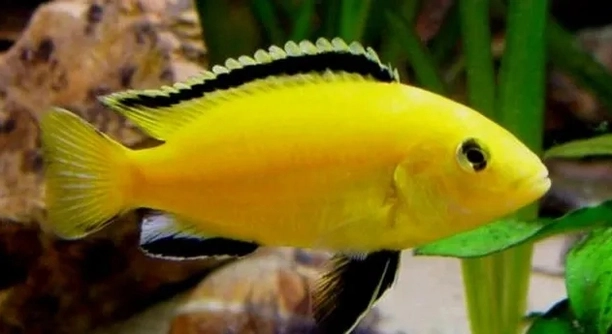
Cichlids are fascinating freshwater fish known for their vibrant colors and complex behaviors. Observing their interactions reveals subtle ways they communicate and influence each other without using sounds. These gestures are both intriguing and purposeful in their daily lives.
Cichlids use a range of nonverbal gestures to redirect attention, including body postures, fin movements, rapid swimming, eye contact, and color changes. Each action serves to manipulate social dynamics, maintain territory, or influence feeding and mating behaviors effectively.
Understanding these gestures adds depth to observing cichlids, highlighting how their social interactions unfold within aquariums and natural habitats. These subtle signals shape their daily activities and relationships.
Fin Flicks and Tail Waves
Cichlids often use their fins to guide attention away from themselves or toward an object of interest. A quick flick of the tail or a deliberate wave of a pectoral fin can shift another fish’s gaze. This behavior is common during feeding, when a dominant fish wants to control access to food. Subordinate fish may also use subtle fin movements to distract competitors or avoid conflict. Observing these movements can reveal social hierarchies within the tank. The angle and speed of a fin flick often indicate urgency or intent. These gestures are not random; they follow patterns shaped by instinct and experience. Over time, fish recognize each other’s signals, responding consistently. Even minor differences in fin positioning can communicate distinct messages. Recording these interactions can help aquarists understand group dynamics. The gestures are subtle but essential for maintaining order and managing attention effectively among cichlids.
Fin flicks are usually fast and deliberate, making them easy to spot once you pay attention.
Regular observation of fin movements allows aquarists to predict conflicts, feeding order, and general activity, improving tank management. By noting these gestures, it’s possible to ensure a smoother interaction among all fish, reducing stress and maintaining balance in the aquarium. Understanding these nonverbal cues makes daily care more informed and responsive.
Body Posture Shifts
Cichlids change their body angle or lean to redirect attention in social situations.
Body posture serves as a clear visual signal. Leaning forward can indicate interest, while turning away might suggest disinterest or avoidance. During territorial disputes, fish may broaden their bodies to appear larger, drawing attention and discouraging rivals. Posture changes often work in combination with fin and eye movements. By observing subtle shifts, aquarists can determine which fish is asserting dominance. Juvenile cichlids use posture to avoid aggression, leaning away to signal submission. Feeding times also trigger posture adjustments as fish position themselves strategically to access food while minimizing conflict. Color changes may accompany posture shifts, reinforcing the signal to others. Social learning occurs when fish mimic the posture of peers, reinforcing attention redirection across the group. Tracking these cues helps in managing tank layouts, ensuring hiding spots and territories are respected. This behavior demonstrates the cichlids’ sophisticated nonverbal communication system, showing intelligence in social interactions.
Eye Contact and Glances
Cichlids use direct stares or quick glances to redirect attention. A sudden gaze toward another fish can signal dominance or draw focus to food. Avoiding eye contact often shows submission or disinterest in interaction. These subtle cues guide social behavior efficiently.
A steady stare from a dominant cichlid can control interactions in the tank. Other fish often respond by moving aside or changing their behavior to avoid conflict. Quick glances may be used to signal curiosity or interest in food without provoking aggression. Observing these patterns provides insight into the social hierarchy. Juveniles often learn by mimicking these visual signals, gradually understanding how to navigate social interactions safely. Eye movements, combined with body posture and fin signals, create a layered communication system that regulates attention.
Glances are often brief but meaningful. They help maintain order, guide feeding behavior, and signal intentions. These subtle movements are essential for managing tank interactions. Paying attention to these cues helps in predicting fish behavior.
Color Flashes and Changes
Cichlids often display temporary color changes to redirect attention.
Bright flashes or shifts in coloration attract others’ focus, signaling excitement or caution. Dominant fish may use color to assert authority, while subordinates may change color to appear less threatening. These signals communicate intent without physical confrontation.
Color changes are closely tied to emotional and social states. A vibrant display may indicate readiness to mate or defend territory, drawing attention away from other actions. Subtle fades or muted tones can signal submission or avoidance. These shifts are often temporary and context-dependent, allowing fish to adapt their signals to current circumstances. Observing color changes alongside posture, eye contact, and fin movements provides a comprehensive understanding of social dynamics. Tank lighting, background, and stress levels also affect visibility and effectiveness of these signals. Recognizing the patterns helps aquarists interpret behaviors accurately, promoting harmony.
Temporary flashes often guide attention during feeding or disputes. They serve as immediate visual cues, redirecting focus efficiently and minimizing direct conflict.
Quick Dashes and Swimming Patterns
Cichlids use sudden bursts of movement to redirect attention. A fast dash toward food or a specific area can draw other fish’s focus instantly. This tactic helps manage social interactions and establish feeding order efficiently.
Swimming in circles or short zigzags often signals curiosity or mild agitation. These patterns attract attention without direct confrontation, allowing fish to communicate intentions subtly. Observing these movements reveals the hierarchy and social flow in the tank.
Head Tilts and Nods
Head tilts and subtle nods communicate intent or focus. Cichlids may tilt toward an object or peer to indicate interest. A quick nod can signal readiness to follow another fish or to alert them to potential danger. These gestures enhance nonverbal communication.
Bubble Blowing
Some cichlids use bubble blowing as a signal. Blowing bubbles toward a fish or object can shift attention or indicate agitation.
Gill Flare Displays
Gill flaring is a clear sign of attention redirection and dominance. Expanding the gill covers makes the fish appear larger, deterring rivals. This gesture is especially common during feeding or territorial disputes. The intensity of the flare communicates confidence or threat level. It works alongside posture and color changes to regulate social behavior, minimizing physical confrontations. Observing gill flares helps identify dominant individuals and understand interactions. These displays are brief but powerful, guiding other fish’s responses efficiently. Recognizing the combination of gill flares with other gestures provides a clearer picture of tank dynamics and attention management among cichlids.
FAQ
How do I recognize when a cichlid is redirecting attention?
Cichlids often combine gestures like fin flicks, head tilts, and glances to guide focus. Watching patterns over time makes it easier to identify consistent behaviors. Pay attention to sudden movements, posture changes, or brief color flashes—they are all cues signaling attention shifts.
Why do cichlids use body posture instead of aggression?
Body posture is an efficient way to communicate without risking injury. Leaning, spreading fins, or turning sideways conveys dominance, interest, or submission. This reduces conflict while maintaining social order, allowing fish to coexist peacefully, especially in smaller tanks where space is limited.
Do all cichlid species use the same gestures?
While many gestures are common across species, some behaviors are species-specific. For example, certain African cichlids emphasize color flashes more than South American varieties, which rely on swimming patterns. Observing the species’ natural behavior helps interpret signals accurately.
Can color changes indicate stress as well as attention redirection?
Yes. Bright colors often signal confidence or dominance, while muted tones can indicate submission or stress. Changes in hue are context-dependent, so observing other gestures like posture and fin movement alongside color gives a more accurate understanding.
How do juveniles learn nonverbal gestures?
Young cichlids observe adults and mimic their actions. Through trial and error, they understand which gestures draw attention or prevent aggression. This social learning is essential for survival and helps them navigate feeding, mating, and territorial interactions effectively.
Does tank size affect attention redirection behaviors?
Smaller tanks may increase gesture frequency as fish are in closer proximity. Limited space requires more visual cues to manage interactions. Larger tanks allow more freedom, so gestures may be subtler or less frequent. Adjusting tank layout can help manage attention and reduce stress.
Are there signs that a gesture is misinterpreted by other fish?
Yes. If a fish ignores or responds inappropriately, the signal may not be clear or strong enough. For instance, a subtle fin flick might be overlooked by a dominant fish. Consistency and context are key to successful nonverbal communication.
How can aquarists use this knowledge to improve tank harmony?
Recognizing gestures helps anticipate conflicts, organize feeding, and provide safe spaces. Observing attention redirection allows adjustments in decoration, hiding spots, and feeding routines to ensure all fish interact comfortably.
Do gestures change in response to environmental stressors?
Environmental changes, such as sudden light shifts, overcrowding, or water quality issues, can increase gesture intensity. Fish may flare gills, dart quickly, or change color more frequently as they attempt to control attention and maintain safety.
Is it possible to train cichlids using these gestures?
Indirectly. Understanding gestures helps aquarists predict behavior and guide fish subtly. For example, consistent feeding patterns can encourage attention toward food areas, while recognizing submission or dominance cues helps prevent confrontation. Over time, fish adapt to predictable cues, creating a calmer tank environment.
Can misreading gestures lead to stress or injury?
Yes. Ignoring dominant signals or misinterpreting submission cues can provoke aggression. Observing multiple gestures together—fin movement, posture, eye contact, and color—reduces misreading. A well-observed tank minimizes stress and ensures fish interact safely.
Do cichlids communicate differently during feeding versus mating?
Yes. Feeding gestures often involve rapid movements, fin flicks, and dashes to control access. Mating displays emphasize color changes, head nods, and body posture to attract partners and signal readiness. Understanding context is essential to interpret gestures correctly.
How long does it take to reliably interpret cichlid gestures?
Consistency and observation are key. Spending a few weeks noting interactions allows patterns to emerge. Recording behaviors and comparing responses helps identify dominant fish, social hierarchies, and attention redirection strategies accurately. Over time, these cues become easier to recognize instinctively.
Can gestures vary between individual fish?
Yes. Personal temperament affects how a fish signals. Some are bolder, using more obvious gestures, while others are subtle and cautious. Individual differences combined with species traits create a complex, layered communication system in each tank.
Are nonverbal gestures influenced by diet or health?
Poor health or inadequate nutrition can reduce gesture intensity. Weak fish may use fewer displays or avoid attention altogether. Healthy, well-fed fish show clearer and more frequent gestures, allowing smoother social interactions and easier observation for aquarists.
How important is lighting for observing gestures?
Good lighting highlights fin movements, color changes, and posture shifts. Low or inconsistent light can obscure subtle signals, making it harder to interpret attention redirection. Adjusting light gradually and ensuring natural rhythms help fish display gestures clearly and maintain comfort.
Do gestures play a role in conflict resolution?
Absolutely. Many gestures are designed to prevent fights. Submission cues, gill flares, or posture changes allow fish to establish boundaries and resolve disputes nonviolently. Recognizing these behaviors helps aquarists intervene minimally while maintaining social balance.
Can gestures indicate hierarchy within the tank?
Yes. Dominant fish often use multiple gestures simultaneously—fin flicks, eye contact, color flashes—to control attention. Subordinates respond with avoidance or muted signals. Observing these interactions reveals rank and helps manage feeding and territorial dynamics efficiently.
Is there a difference between gestures in captivity and the wild?
Gestures are largely the same, but captivity can amplify or restrict them due to space limitations, tank mates, and environmental factors. Understanding natural behavior provides context for interpreting gestures accurately, even in smaller or artificial settings.
How do I record or track gestures effectively?
Notebooks, video recordings, or observation charts are useful. Note the gesture type, context, response, and frequency. Over time, patterns emerge that reveal social hierarchies, preferred territories, and common attention redirection behaviors, helping improve tank management.
Final Thoughts
Observing cichlids closely reveals just how complex their behavior can be. These fish rely heavily on nonverbal gestures to communicate and manage their social interactions. From subtle fin flicks to dramatic gill flares, each action carries a specific meaning that affects the behavior of others in the tank. Paying attention to these gestures allows aquarists to understand how dominance, submission, curiosity, and caution are expressed without direct confrontation. Even small movements, like a brief tilt of the head or a quick glance, serve an important purpose in shaping social dynamics. Recognizing these cues helps maintain harmony, ensuring that feeding, mating, and territorial behaviors occur smoothly. When gestures are observed over time, patterns emerge, revealing the hierarchy and preferred social interactions among tank mates. This knowledge allows for better management of the aquarium environment, including the placement of hiding spots, decorations, and feeding areas, which can reduce stress and prevent conflicts.
Cichlids also use color changes as a visual form of communication, and these can be both subtle and pronounced depending on context. Bright flashes of color often signal excitement, dominance, or readiness to mate, while muted tones may indicate submission or stress. These signals work alongside body posture, eye contact, and fin movements to create a layered system of communication. By observing all of these gestures together, it is possible to gain a comprehensive understanding of the fish’s intentions and emotional state. Environmental factors, such as tank size, lighting, and the presence of other fish, influence how these gestures are expressed and interpreted. Adjusting tank conditions to support natural behavior makes these signals clearer and reduces misunderstandings that can lead to aggression. It is also worth noting that individual personality plays a role, as some cichlids are bolder and more expressive, while others are more reserved. Over time, this combination of species-specific behavior, individual traits, and environmental context shapes a unique communication network within each aquarium.
Taking the time to study and understand these behaviors benefits both the fish and the aquarist. Awareness of nonverbal gestures allows for proactive management of feeding routines, territorial arrangements, and social interactions. It helps identify signs of stress or illness early, as changes in gesture patterns often indicate a shift in health or mood. For aquarists, this understanding promotes a more harmonious and engaging environment, where the natural behaviors of cichlids can be observed and appreciated. Nonverbal communication is a critical aspect of their daily life, influencing everything from hierarchy to mating behavior. Recognizing and interpreting these gestures provides insight into the complexity of cichlid society, making care more informed and rewarding. With patience and attention, it is possible to create a balanced tank where all fish can thrive and interact naturally, guided by their own subtle signals and instincts.

Hello,
If you enjoy the content that we create, please consider saying a "Thank You!" by leaving a tip.
Every little bit helps us continue crafting quality advice that supports the health, happiness, and well-being of pets around the world, for pets of all shapes, sizes, and species.
We really appreciate the kindness and support that you show us!