
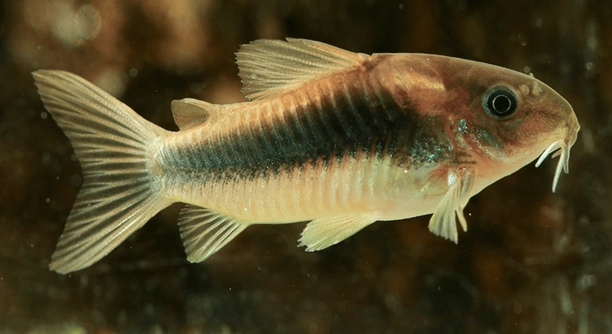
Corydoras catfish are known for their playful, bottom-dwelling nature. However, when they refuse to eat, it can cause concern for aquarium owners. Addressing this issue is crucial to maintaining a healthy environment for your fish.
Several factors can contribute to a Corydoras catfish not eating. Stress, poor water quality, improper tank mates, or a lack of food variety are common causes. Identifying and correcting these issues can help encourage your fish to resume normal feeding behaviors.
Understanding these factors will help you create the right environment for your Corydoras catfish. With the right approach, they can return to their usual feeding habits.
Stress Can Impact Your Corydoras’ Appetite
Stress is a common reason why Corydoras catfish refuse to eat. These fish can easily become stressed by changes in their environment, such as tank temperature fluctuations, noisy surroundings, or even overcrowded tanks. Corydoras are sensitive to the presence of aggressive tank mates and other disturbances. When they feel threatened, they may stop eating altogether. It’s important to maintain a calm, stable environment for your fish to reduce stress levels.
Make sure to monitor water temperature and pH levels regularly. Proper tank maintenance also includes avoiding sudden changes that may surprise your fish. If you notice signs of stress, such as hiding more than usual, give your Corydoras some time to acclimate.
Incorporating tank plants and decorations where your Corydoras can hide will help provide a more secure environment. This will encourage your fish to feel more comfortable and likely resume feeding. A quiet, peaceful atmosphere will benefit your fish’s overall well-being.
Poor Water Quality May Be to Blame
Water quality plays a major role in your Corydoras catfish’s feeding habits. These fish are sensitive to poor water conditions, which can cause them to stop eating. Make sure to check ammonia, nitrite, and nitrate levels regularly.
Routine water changes are essential to keeping your tank clean. With good filtration, water quality remains optimal, allowing your fish to thrive. Always monitor these levels to ensure your Corydoras catfish stay healthy and happy.
Inappropriate Tank Mates
Corydoras catfish are peaceful and prefer to live with other calm fish. Aggressive tank mates can cause them stress, leading them to stop eating. Avoid placing them with species that tend to chase or nip at other fish, as this behavior can further disturb them.
If your Corydoras is being harassed by other fish, it’s important to rearrange the tank or separate the aggressive species. Peaceful species like small tetras, guppies, or other Corydoras work well. A peaceful environment encourages your Corydoras to feel safe enough to resume feeding.
By keeping tank mates in check, you reduce stress for your fish. This, in turn, can help your Corydoras regain its appetite. Ensure that your aquarium setup is compatible with the temperament of all its inhabitants.
Lack of Food Variety
Corydoras catfish are bottom feeders and prefer a varied diet. If they are only offered one type of food, such as pellets, they may lose interest in eating. Providing a mix of food can entice them to feed.
Try adding live or frozen foods like brine shrimp or bloodworms to their diet. Fresh vegetables like blanched zucchini or peas can also encourage your Corydoras to eat. Offering different textures and flavors will appeal to their natural instincts, making mealtime more exciting for them.
Corydoras will be more likely to eat if they are given a wide range of food choices. Experimenting with food can help you determine what your fish prefers, ensuring they maintain a healthy diet.
Overfeeding Can Cause Problems
Overfeeding is a common mistake that can lead to health problems for Corydoras catfish. If there’s too much uneaten food in the tank, it can degrade water quality, which may cause your fish to stop eating. Proper portion control is key.
Be sure to remove any uneaten food after 10-15 minutes to prevent water contamination. Overfeeding not only affects water quality but can also make your Corydoras less likely to eat during their next feeding time. Moderation is important for both fish health and tank cleanliness.
Incorrect Tank Temperature
Corydoras catfish thrive in water that is between 72°F and 78°F (22°C to 26°C). If the temperature falls outside of this range, they may become sluggish or stop eating. A consistent temperature is essential for their well-being.
If your aquarium’s temperature is too cold or too warm, Corydoras may refuse to eat. Consider investing in a reliable heater and thermometer to keep track of your tank’s temperature. By maintaining a stable environment, you ensure that your Corydoras stay healthy and hungry.
Poor Water Flow
Corydoras prefer gentle water flow. If the water in your tank is too strong, they may struggle to feed, especially if the food gets swept away before they can catch it. Use a filter with adjustable flow to maintain a calm environment.
Make sure the water current is gentle enough for your Corydoras to feed comfortably. A quiet, steady flow helps them feel secure and gives them enough time to eat. This small change can make a big difference in their feeding behavior.
FAQ
Why is my Corydoras catfish not eating?
There can be several reasons for a Corydoras catfish not eating. It may be stressed due to poor water conditions, inappropriate tank mates, or a lack of food variety. Checking for any environmental factors that could be affecting your fish, such as water quality, temperature, or aggressive tank mates, is the first step. Providing a more varied diet and ensuring the tank is calm and comfortable can encourage eating.
How can I encourage my Corydoras catfish to eat?
To encourage your Corydoras to eat, offer a mix of food types, including pellets, frozen or live food like brine shrimp, and blanched vegetables. Make sure the food is placed where your fish can easily find it. Reducing stress by keeping tank mates peaceful and maintaining good water quality can also help.
Can Corydoras catfish eat too much?
Yes, overfeeding can lead to water quality problems and health issues for your Corydoras. Uneaten food can quickly decay and affect the tank environment. It’s best to feed your Corydoras small amounts of food multiple times a day, removing any leftover food after about 10-15 minutes.
Is it normal for Corydoras catfish to stop eating for a while?
It’s not unusual for Corydoras to stop eating temporarily, especially if they are adjusting to a new environment or tank mates. However, prolonged refusal to eat can indicate stress, illness, or poor water quality. It’s important to monitor their behavior and make necessary changes to the tank environment.
How often should I feed my Corydoras catfish?
Corydoras catfish should be fed small portions 2-3 times a day. Offer enough food for them to consume in 10-15 minutes. Overfeeding should be avoided as it can lead to water quality issues and health problems. A varied diet is important to ensure they get the nutrients they need.
What water temperature is best for Corydoras catfish?
Corydoras catfish prefer a water temperature between 72°F and 78°F (22°C to 26°C). If the water temperature is too cold or too warm, it can cause stress and affect their feeding habits. Use a reliable heater and thermometer to maintain a stable temperature in your aquarium.
How do I know if my Corydoras catfish is stressed?
Signs of stress in Corydoras catfish include hiding more than usual, staying at the surface of the tank, or becoming less active. If the fish is not eating and displaying these signs, it could be a result of poor water quality, aggressive tank mates, or sudden changes in the tank environment.
Can I keep other fish with Corydoras catfish?
Corydoras catfish are peaceful and do well with other non-aggressive fish. Avoid keeping them with fin-nipping species or overly aggressive fish, as this can stress them out and lead to feeding problems. Some good tank mates include small tetras, peaceful livebearers, and other bottom-dwelling species.
How can I maintain good water quality for my Corydoras catfish?
To maintain good water quality, perform regular water changes (about 20% per week) and use a good filtration system. Test the water regularly for ammonia, nitrites, and nitrates. Keep the tank clean by removing uneaten food and any debris. Proper filtration and water maintenance will ensure a healthy environment for your Corydoras.
What should I do if my Corydoras catfish is eating less than usual?
If your Corydoras catfish is eating less than usual, check for signs of stress, poor water quality, or ill health. Make sure the tank is clean, the water temperature is stable, and there are no aggressive tank mates. Offer a variety of food to see if your fish shows more interest. If the problem persists, consult an aquarium professional or veterinarian.
Final Thoughts
Corydoras catfish are generally easy to care for, but there are times when they may refuse to eat, which can be concerning. Understanding the reasons behind this behavior can help you address the issue effectively. Common causes of a Corydoras not eating include stress from poor water conditions, inappropriate tank mates, overfeeding, and a lack of food variety. By ensuring your aquarium is set up with the right water parameters, peaceful tank mates, and a balanced diet, you can encourage your fish to eat properly and thrive.
Maintaining a stable environment is key. Corydoras catfish prefer calm, peaceful surroundings, so it’s important to keep the water temperature consistent and avoid aggressive tank mates. Overfeeding can also cause issues, so remember to feed small amounts at a time and remove any leftover food to prevent water contamination. A varied diet, including pellets, frozen foods, and vegetables, will keep your Corydoras interested and healthy.
If your Corydoras catfish stops eating for an extended period, it’s crucial to observe their behavior closely and address any potential problems, such as water quality or stress. In most cases, making adjustments to the tank setup and ensuring a peaceful environment will resolve the issue. However, if the fish’s condition doesn’t improve, consulting an aquarium professional or veterinarian may be necessary to rule out health issues. By being proactive and providing a proper tank environment, you’ll help your Corydoras catfish live a long, healthy life.

Hello,
If you enjoy the content that we create, please consider saying a "Thank You!" by leaving a tip.
Every little bit helps us continue crafting quality advice that supports the health, happiness, and well-being of pets around the world, for pets of all shapes, sizes, and species.
We really appreciate the kindness and support that you show us!