
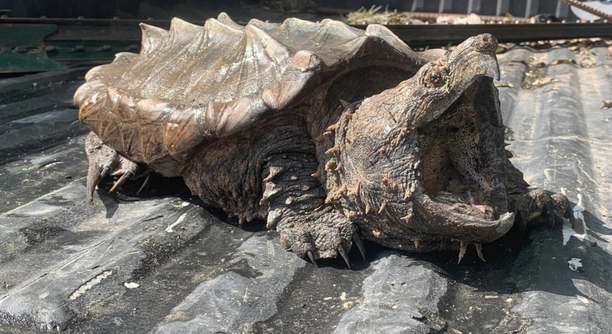
Alligator snapping turtles are unique reptiles known for their fascinating behavior and appearance. As with all pets, it’s essential to ensure they are kept in an appropriate environment. Temperature plays a significant role in their well-being.
An alligator snapping turtle’s health can be compromised if kept in temperatures that are too high. Excessive heat can cause stress, dehydration, and even death. Monitoring the environment is crucial to ensure your turtle stays comfortable and healthy.
Taking the necessary steps to regulate their temperature will help avoid these issues. Your turtle’s habitat should be carefully maintained to provide a healthy, safe space. Keep reading to learn how to spot the signs of overheating.
1. Your Turtle Is Breathing Heavily
When the temperature is too high, your alligator snapping turtle will try to cope by breathing more rapidly. This is a common response to excessive heat, as they are attempting to cool their bodies down. You may notice heavy breathing or an open mouth as they gasp for air. It’s their way of trying to regulate their internal temperature.
Heavy breathing can become dangerous for your turtle over time. It can lead to dehydration and exhaustion if not addressed. If this behavior becomes prolonged, it’s crucial to take immediate action by adjusting their environment. Try cooling the area or moving them to a more comfortable space.
Taking care of your turtle involves keeping a close eye on its behavior, especially in warmer environments. Recognizing these signs early can help prevent long-term health issues. The key is to act fast and ensure they have a cooler, calmer space to thrive in.
2. Your Turtle is Staying at the Surface
If your alligator snapping turtle spends a lot of time at the water’s surface, it could be a sign they are trying to stay cooler. Snapping turtles tend to rest in deeper areas of their habitat, so remaining on the surface can indicate they are seeking out cooler water.
This behavior suggests that the water temperature may be too warm, and your turtle is trying to adjust. Alligator snapping turtles are particularly sensitive to temperature changes, so it’s important to monitor their water temperature and provide shade or cooling methods if necessary. A water heater malfunction or an increase in room temperature could cause the water to become too warm.
Adjusting the water temperature can help restore comfort for your turtle. Additionally, providing an area for your turtle to hide or access cooler areas can reduce stress. A sudden change in temperature can also affect their metabolism, leading to problems like lack of appetite or lethargy.
3. Your Turtle is Sluggish or Lethargic
When an alligator snapping turtle is too hot, it may become lethargic. This lack of movement is often a response to extreme heat, as the turtle’s metabolism slows down. If your turtle isn’t as active as usual, it could be a sign that the temperature is too high.
This sluggishness can lead to further health problems, like digestive issues or poor immune function. If your turtle isn’t moving around much, try adjusting the environment. Ensure it has access to cool, shaded areas where it can rest comfortably. Providing a cooler habitat is important for your turtle’s overall health.
A cool environment helps restore their energy and normal behavior. If you notice lethargy, check the temperature of both the water and the air around them. Reducing the heat will improve their activity levels and prevent long-term damage to their health.
4. Your Turtle is Eating Less
Heat can also affect your turtle’s appetite. When the temperature is too high, it may lose interest in food. This is a common reaction, as extreme temperatures can cause discomfort or even stress, which directly impacts their desire to eat.
If you notice your alligator snapping turtle refusing food, it’s likely a sign that the environment is too warm. High temperatures can lead to a decrease in appetite, as your turtle’s body focuses more on coping with the heat than on eating. A loss of appetite can be concerning if it persists.
To encourage eating again, try lowering the temperature in their environment. Offering fresh food in a cool area can sometimes tempt them to eat. Monitoring their temperature closely will help ensure they don’t lose interest in their diet long-term.
5. Your Turtle is Spending More Time in the Water
When an alligator snapping turtle is too hot, it may seek refuge in the water to cool off. You might notice your turtle staying submerged longer than usual. This behavior is a clear sign that the air temperature is too warm for comfort.
Turtles naturally retreat to the water when they’re trying to regulate their temperature. By remaining submerged, they hope to escape the heat and lower their body temperature. If this behavior becomes frequent, it’s important to monitor the water temperature and make sure it stays within the ideal range for your turtle’s comfort and health.
6. Your Turtle Has Skin Discoloration
Excessive heat can cause changes in your turtle’s skin color. If your alligator snapping turtle appears paler or has discolored patches on its skin, it could be a sign of heat stress. This is often accompanied by other symptoms like lethargy or loss of appetite.
The skin discoloration happens as a result of overheating, which puts stress on the turtle’s system. This condition can worsen if not addressed quickly. Reducing the heat and ensuring the turtle is in a cool, safe environment will help prevent long-term damage to its health.
7. Your Turtle is More Aggressive
When the temperature is too high, an alligator snapping turtle may become agitated or aggressive. This can manifest as biting or other territorial behaviors. Overheating increases stress, leading to heightened aggression. If your normally calm turtle starts displaying these behaviors, it’s a warning sign of heat distress.
If you notice this change in behavior, take immediate action by cooling down their environment. Aggression often stems from discomfort, and making their habitat more suitable will help calm them. A more stable, cooler environment can reduce stress and restore their usual temperament.
FAQ
How can I tell if my alligator snapping turtle is too hot?
You can tell if your turtle is too hot by observing its behavior. Common signs include heavy breathing, sluggishness, staying at the water’s surface, loss of appetite, and skin discoloration. If your turtle is acting out of character, it might be a sign that the temperature in its environment is too high. Checking both the water and air temperature is key to determining if adjustments need to be made.
What is the ideal temperature for an alligator snapping turtle?
Alligator snapping turtles thrive in temperatures ranging from 75 to 80°F (24 to 27°C) for the water and around 80 to 85°F (27 to 29°C) for the air. If the temperature rises above these levels, your turtle might experience heat stress. It’s important to monitor both air and water temperatures regularly to ensure they remain in this range.
How can I cool down my turtle’s habitat if it’s too hot?
To cool down your turtle’s environment, you can adjust the room temperature by using fans or air conditioning. You can also place ice packs or frozen water bottles near the tank to lower the water temperature gradually. Adding shaded areas within the tank, such as floating platforms, can also provide a cool escape for your turtle.
Can I use a water heater for my alligator snapping turtle’s tank?
Yes, a water heater can be used, but it’s important to set it to the correct temperature range (75-80°F). A heater should only be used to maintain the temperature if the water is too cold, not to heat it when it’s already too warm. Make sure the water heater has a reliable thermostat to avoid overheating.
Is it okay for my alligator snapping turtle to bask in high temperatures?
Turtles do need a basking area to dry off and regulate their body temperature, but if the basking area is too hot, it can cause heat stress. The basking area should be set to around 85-90°F (29-32°C). If it becomes too hot, your turtle might seek cooler areas, reducing its time spent basking.
What should I do if my alligator snapping turtle is lethargic from the heat?
If your turtle is lethargic from the heat, immediately lower the temperature in its environment. Provide a shaded area or a cooler water zone. Make sure there is enough clean water for it to drink. If lethargy persists, it’s best to consult a vet to ensure there are no underlying health problems caused by the heat.
How often should I check the temperature of my alligator snapping turtle’s habitat?
It’s important to check the temperature regularly, at least once or twice a day. Use a reliable thermometer for both the water and air. This will help you catch any sudden changes in temperature that might affect your turtle’s health. Adjustments should be made immediately if the temperature goes out of the recommended range.
Can I use ice to cool down my alligator snapping turtle’s tank?
Using ice can help temporarily lower the temperature, but it should be done cautiously. Add ice in small amounts to avoid sudden temperature drops, which can stress your turtle. It’s better to gradually cool the water to mimic natural temperature changes rather than shock the system with drastic temperature drops.
What happens if my alligator snapping turtle gets too hot for too long?
Prolonged exposure to high temperatures can lead to dehydration, heat stress, and even death in extreme cases. If the turtle’s body temperature becomes too high, it might experience organ failure, loss of appetite, or difficulty breathing. It’s essential to make adjustments quickly to prevent permanent damage or death.
Can my alligator snapping turtle survive in temperatures higher than 90°F?
Temperatures above 90°F (32°C) can be dangerous for alligator snapping turtles. Prolonged exposure to such high temperatures can lead to severe health issues like dehydration, heatstroke, or even death. Always ensure that the environment stays within the ideal temperature range and avoid sudden spikes in temperature.
What are the signs that my alligator snapping turtle is overheating?
Signs of overheating include excessive breathing or gasping for air, lethargy, loss of appetite, skin discoloration, and unusual aggression. If you notice any of these signs, it’s essential to lower the temperature in the environment as quickly as possible. Overheating can be very dangerous, so quick action is important.
Can my alligator snapping turtle live in an outdoor pond?
An outdoor pond can be suitable for alligator snapping turtles, as long as the water temperature remains within the safe range and the pond is shaded. The water should be deep enough for them to submerge comfortably, and they should have access to areas for basking. Be sure to monitor the pond’s temperature regularly.
How do I prevent my alligator snapping turtle from overheating in the summer?
During hot weather, ensure your turtle’s habitat is shaded, and avoid placing the tank in direct sunlight. If keeping your turtle outdoors, make sure the pond has enough depth for cooler water and shaded areas for them to retreat. Regularly check the water temperature and use fans or air conditioning if needed to cool the tank.
What should I do if my alligator snapping turtle refuses to eat in the heat?
If your turtle isn’t eating due to the heat, lower the temperature in the environment and offer food in a cooler area. If the turtle continues to refuse food, it could be a sign of prolonged stress. If it persists for more than a few days, it’s best to consult a veterinarian.
Final Thoughts
Caring for an alligator snapping turtle requires attention to detail, especially when it comes to temperature. If their environment gets too hot, they can suffer from heat stress, which affects their health and behavior. By monitoring the water and air temperature closely, you can avoid these risks and ensure a comfortable habitat for your turtle. Keeping the temperatures within the recommended range of 75 to 80°F for water and 80 to 85°F for air is key to maintaining your turtle’s well-being.
When temperatures get too high, it’s important to take action quickly. Adjusting the environment by lowering the temperature, adding shaded areas, or even using cooling methods like ice can help prevent overheating. Make sure that your turtle has access to both warm and cooler areas so they can regulate their body temperature naturally. This balance is crucial for their overall health, as turtles, like many reptiles, rely on external heat sources to maintain their body temperature. A stable and controlled environment promotes healthy growth and prevents stress.
In the end, taking the time to understand the needs of your alligator snapping turtle will help you provide the best care possible. By being proactive and watching for signs of heat stress, you’ll be able to make adjustments before any serious issues arise. Regularly checking the temperature and observing your turtle’s behavior can prevent problems and ensure they remain healthy and happy in their habitat. Taking these simple steps will go a long way in maintaining a safe and comfortable environment for your pet.

Hello,
If you enjoy the content that we create, please consider saying a "Thank You!" by leaving a tip.
Every little bit helps us continue crafting quality advice that supports the health, happiness, and well-being of pets around the world, for pets of all shapes, sizes, and species.
We really appreciate the kindness and support that you show us!