
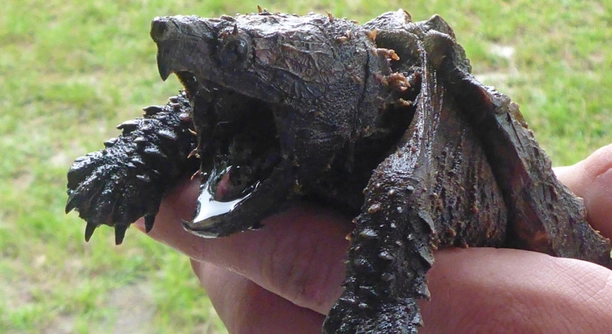
Alligator snapping turtles are fascinating creatures, but it’s important to make sure you’re feeding them the right amount. Overfeeding can cause problems that affect their health and behavior. It’s essential to understand how to tell if your turtle is overfed.
Overfeeding an alligator snapping turtle can lead to obesity, digestive issues, and other health problems. Signs include weight gain, lethargy, or difficulty moving. Adjusting their diet and ensuring they get the proper portion size can help manage these risks.
Keeping an eye on their behavior and body condition can help maintain their overall well-being. By making small adjustments, you can ensure your turtle stays healthy and active.
Signs of Overfeeding in Alligator Snapping Turtles
Overfeeding can significantly affect the health of alligator snapping turtles. When they eat more than they need, they can gain excessive weight. This weight gain can lead to a slower metabolism and less energy. You might notice that your turtle becomes more sluggish and less active. Their shells may appear wider or rounder than usual, indicating that they are storing fat. Additionally, an overfed turtle may show difficulty moving or appear less interested in exploring its environment. These signs can be alarming, and it’s important to act quickly to avoid long-term health issues.
If your turtle is showing signs of lethargy, it’s time to evaluate how much food you’re providing. It’s easy to overfeed, especially since their appetites can vary. Adjust their diet to ensure they receive the appropriate amount without excess.
Proper feeding is essential to avoid unnecessary weight gain. By adjusting their portion sizes and monitoring their weight, you can prevent health complications. Regular checks of your turtle’s overall condition will help keep them healthy and active.
How Much Should You Feed Your Alligator Snapping Turtle?
A balanced diet is crucial to keep your alligator snapping turtle in top shape. Feeding them the correct amount of food prevents overfeeding and underfeeding.
It’s recommended to feed adult alligator snapping turtles around two to three times a week. Each feeding should consist of a portion that’s roughly 5-10% of their body weight. Overfeeding is easy, so keep an eye on the size of each meal. Smaller, more frequent feedings will help maintain a healthy balance.
Turtles are opportunistic eaters and may eat whenever food is available. However, giving them too much at once leads to weight gain. Stick to a measured amount and avoid feeding them large quantities of food in one sitting. Additionally, mix their diet with various healthy options like fish, crustaceans, and vegetables. This will help avoid nutrient imbalances and ensure your turtle’s well-being.
How Overfeeding Affects Their Behavior
Overfeeding an alligator snapping turtle can lead to significant changes in behavior. When they consume too much food, they may become lethargic and less active. The excessive weight can limit their movement, causing them to spend more time in one spot.
Lack of activity is one of the first signs of overfeeding. A healthy, active turtle typically spends time swimming, exploring, and foraging. However, an overfed turtle becomes sluggish, spending most of the day resting. This reduced movement not only affects their health but can also lead to stress and a decrease in their overall well-being.
In addition to reduced movement, overfed turtles might become more defensive or withdrawn. Their physical discomfort from extra weight can make them more irritable. This change in behavior may also affect their interactions with other animals in their habitat.
How to Adjust Their Diet
Adjusting your turtle’s diet is key to maintaining a healthy weight. The best way to control overfeeding is by carefully monitoring their portion sizes. Start by reducing the amount of food provided during each feeding. Consider spreading out meals over several days to avoid overfeeding.
Remember that alligator snapping turtles require more than just food portions; they need a variety of nutrients. Offer them a mixture of proteins, such as fish and insects, along with vegetables for vitamins and fiber. If you’re unsure of the appropriate food types, research their specific dietary needs. It’s crucial to give them balanced nutrition while avoiding overfeeding.
The diet should be adjusted gradually to prevent digestive stress. Sudden changes can lead to issues like bloating or constipation. A slow, consistent adjustment is the best way to keep your turtle healthy and prevent unnecessary weight gain.
Common Health Problems from Overfeeding
Overfeeding alligator snapping turtles can lead to a variety of health issues. Excess weight can cause joint problems, making it harder for them to move around. It can also lead to respiratory issues due to extra pressure on their internal organs.
Overweight turtles are more susceptible to infections, as their immune systems may become weakened. Their inability to move freely can also lead to skin issues, like sores or rashes from prolonged periods of inactivity. The excess fat buildup can also cause a strain on their digestive system, leading to bloating or constipation.
Proper feeding is essential to avoid these problems and ensure your turtle remains healthy. Adjusting portion sizes and observing their behavior can help prevent these health risks from developing.
The Importance of Consistent Monitoring
Regularly checking your turtle’s weight and overall condition is important for their health. This allows you to catch any signs of overfeeding early on and adjust their diet before issues arise.
Consistent monitoring is essential in preventing overfeeding and the potential problems that come with it. Keep track of their body condition and activity level, noting any changes over time. This can help you adjust their food intake as needed. Remember, turtles may not show signs of overfeeding right away, so keep a close watch to maintain their health.
Creating a Healthy Feeding Schedule
A consistent feeding schedule helps regulate your turtle’s diet. Providing meals at the same time each week keeps their eating patterns predictable. Avoid feeding them too frequently to prevent overeating.
You should feed your alligator snapping turtle around two to three times per week. If you’re unsure how much to give, measure out their food and stick to the recommended portion size. Keeping a set schedule ensures they don’t eat too much, which can cause weight gain and other health issues.
FAQ
How do I know if my alligator snapping turtle is overweight?
An overweight alligator snapping turtle will display physical signs like a wider or rounder shell. You might also notice that the turtle moves more slowly or spends more time resting. If you notice these changes, it could be an indication that they are overfed. Checking their weight regularly and observing any changes in behavior can help you determine if they’re getting too much food.
What are the risks of overfeeding my alligator snapping turtle?
Overfeeding can lead to obesity, which in turn causes a variety of health issues. These include joint problems, respiratory difficulties, and a weakened immune system. It can also cause bloating and digestive issues. In severe cases, it can affect their overall mobility and life expectancy. Therefore, maintaining a proper feeding routine is crucial for their health.
How much should I feed my alligator snapping turtle?
An alligator snapping turtle should be fed approximately 5-10% of its body weight per feeding. This amount will vary depending on their size and age. Adult turtles generally need to be fed two to three times per week, while younger ones may need more frequent feedings. Adjust portion sizes based on their age, activity level, and overall condition.
Can I overfeed my alligator snapping turtle with treats?
Yes, treats can lead to overfeeding if given in excess. Offering too many treats like fish, insects, or even some vegetables can cause them to eat more than necessary. Treats should be given sparingly and should not make up the majority of their diet. Balance is key when offering treats to avoid health issues.
What type of food is best for an alligator snapping turtle?
A balanced diet consisting of proteins and vegetables is ideal for an alligator snapping turtle. They typically eat fish, crustaceans, and insects in the wild, so including these in their diet will ensure they get enough protein. Leafy greens and other vegetables should also be included to provide necessary vitamins and fiber.
How often should I weigh my alligator snapping turtle?
It’s a good idea to weigh your alligator snapping turtle once a month. This allows you to track changes in their weight and make adjustments if necessary. If you notice significant weight gain or loss, it’s time to reconsider their feeding routine. Regular checks can help prevent overfeeding and other health issues.
What should I do if my alligator snapping turtle is overweight?
If your turtle is overweight, start by adjusting their portion sizes. Reduce the amount of food given and avoid feeding them too frequently. Gradually switch to a more balanced diet with fewer high-fat foods. Regularly monitor their weight and behavior to ensure they’re on the right track.
Can overfeeding cause long-term health issues?
Yes, overfeeding can cause long-term health problems such as chronic obesity, joint pain, and difficulty breathing. Additionally, the excess weight can reduce their mobility, making it harder for them to forage for food and exercise. Overfeeding may also weaken their immune system, leaving them more susceptible to illnesses.
How can I make sure my turtle isn’t overfed while still giving enough food?
You can prevent overfeeding by measuring out their food and sticking to the recommended portion sizes. Avoid free-feeding, and stick to a consistent feeding schedule. Pay attention to their activity level—if they are not moving around as much, it may be a sign that they are being overfed.
Are there any signs of stress related to overfeeding?
Yes, overfeeding can cause stress in turtles. They may become lethargic or show changes in behavior, such as being more withdrawn. In some cases, they may also become more defensive or agitated. Stress from overfeeding can impact their overall health and may cause long-term behavioral changes.
How can I encourage my turtle to exercise if it is overweight?
Encourage your alligator snapping turtle to exercise by providing a larger habitat with plenty of space to swim and explore. You can also offer hiding spots and enrichment activities that motivate them to move around. This will help them burn off excess calories and stay active.
Can I feed my alligator snapping turtle pellets?
Yes, pellets are an acceptable part of their diet, but they should not be the only food source. While commercial pellets can provide essential nutrients, they lack the variety of foods they would naturally eat in the wild. It’s best to include other protein sources, like fish or insects, and vegetables in their diet for a well-rounded feeding plan.
Is it okay to feed my turtle live food?
Feeding live food, such as small fish or insects, can be a good option as it mimics their natural diet. However, make sure the live food is free from parasites and is appropriate for your turtle’s size. Live prey encourages hunting behavior and provides valuable exercise, but it should be given in moderation to avoid overfeeding.
Should I adjust my turtle’s diet based on the season?
Yes, it’s common for turtles to eat more during warmer months and less during colder months. In colder weather, alligator snapping turtles may become less active and need less food. During warmer months, when they are more active, they might require slightly more food to keep up with their energy needs. Always adjust portion sizes accordingly to avoid overfeeding.
Can my alligator snapping turtle eat fruits?
While fruits are not a natural part of their diet, small amounts can be offered as occasional treats. It’s important not to overdo it, as too much fruit can upset their digestive system. Stick to fruits that are safe for turtles, such as berries or melon, and offer them sparingly.
Final Thoughts
Alligator snapping turtles are fascinating creatures, and taking care of them properly requires attention to their feeding habits. It’s essential to avoid overfeeding, as this can lead to health issues like obesity and reduced mobility. Understanding how much to feed and recognizing signs of overfeeding are key to keeping your turtle healthy and happy. By following proper feeding guidelines, you can help your alligator snapping turtle live a longer, healthier life.
Maintaining a balanced diet for your turtle is also crucial. While it’s tempting to feed them treats or extra portions, it’s important to provide a variety of foods that mimic what they would eat in the wild. A diet of proteins, like fish and insects, along with vegetables, will ensure they receive the nutrients they need. Overfeeding, especially with high-fat foods or treats, should be avoided to prevent obesity and other health complications. Regular monitoring of your turtle’s weight and behavior can help you adjust their diet as needed.
Finally, creating an environment where your turtle can stay active and engaged is just as important as their diet. Providing plenty of space, hiding spots, and enrichment activities will encourage exercise, helping to maintain a healthy weight and overall well-being. By staying informed and proactive about their care, you can ensure that your alligator snapping turtle remains healthy for many years to come.

Hello,
If you enjoy the content that we create, please consider saying a "Thank You!" by leaving a tip.
Every little bit helps us continue crafting quality advice that supports the health, happiness, and well-being of pets around the world, for pets of all shapes, sizes, and species.
We really appreciate the kindness and support that you show us!