
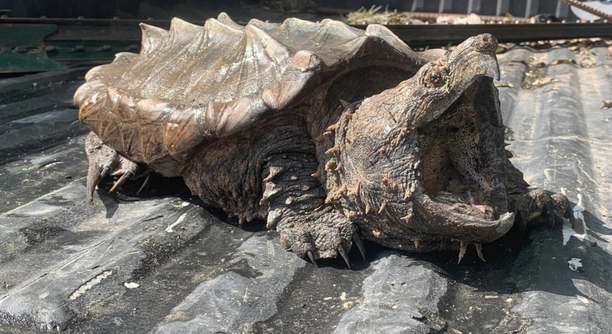
Alligator snapping turtles are fascinating creatures, but they sometimes display unusual behavior, such as snapping at their own tails. This can leave owners wondering about the cause and how to address the issue effectively.
Alligator snapping turtles may snap at their tails due to stress, boredom, or natural instincts. It can also be a sign of discomfort, poor environmental conditions, or a lack of stimulation in their habitat. Ensuring a proper environment and mental enrichment can help alleviate this behavior.
Understanding the reasons behind this behavior will help you provide a better environment for your turtle and prevent further issues.
Why Do Alligator Snapping Turtles Snap at Their Tails?
Alligator snapping turtles often snap at their tails for various reasons, many of which are tied to their natural instincts. These turtles are predatory animals, and their snapping motions are part of their hunting behavior. In the wild, they use their tails to lure in prey, with a movement that mimics the movement of small creatures. This behavior can sometimes extend into captivity, where the turtle might mistake its own tail for prey, especially if it is in an environment with limited stimulation.
Environmental stress can also trigger tail snapping. If the turtle feels threatened or insecure in its habitat, it might exhibit this behavior as a coping mechanism. Lack of space, improper water temperature, or inadequate hiding spots can all contribute to stress, causing the turtle to act out.
Ensuring your alligator snapping turtle has a proper environment, with plenty of room to roam and appropriate water conditions, is essential in addressing tail snapping. A varied diet and additional enrichment activities can help to reduce stress and mimic the natural environment, making your turtle feel more comfortable and secure in its space.
How Stress Affects Tail Snapping
Stress is a significant factor in the behavior of alligator snapping turtles. When a turtle’s environment lacks proper stimulation or becomes stressful, it may exhibit more repetitive behaviors, like snapping at its tail. These behaviors are an indication that something is wrong with the environment.
Proper care and attention to environmental factors such as temperature, water quality, and tank size can go a long way in keeping your turtle relaxed. Adding more hiding spots or decorations can help provide a sense of security.
By adjusting these factors, you can create a safer and more natural space for your turtle, reducing the chances of stress-driven behaviors like tail snapping.
Improper Diet and Its Impact on Behavior
An improper diet can lead to health issues and behavior problems, including tail snapping. A lack of essential nutrients or an unbalanced diet can cause frustration in alligator snapping turtles, leading them to act out.
These turtles thrive on a diet rich in protein, including fish, worms, and small invertebrates. If the diet lacks variety or necessary vitamins, the turtle may become lethargic or anxious, leading to abnormal behaviors like tail snapping. It’s important to ensure they receive a well-rounded diet to keep them healthy and satisfied.
Incorporating a diverse range of food items into their diet helps prevent nutritional deficiencies. It’s also important to adjust portions and feeding frequency according to the turtle’s age and size. Providing fresh, nutritious food can make a big difference in reducing unwanted behaviors and promoting overall well-being.
Lack of Mental Stimulation and Enrichment
Alligator snapping turtles are naturally curious and intelligent, requiring mental stimulation to thrive. When they lack sufficient enrichment in their environment, they may start displaying abnormal behaviors like tail snapping.
Without objects to interact with, like rocks or plants, turtles can grow bored and stressed. They might begin to exhibit repetitive movements, mistaking their tail for prey or becoming fixated on a specific part of their environment. Providing them with opportunities to explore and engage with their surroundings helps reduce this behavior.
Adding objects to the tank, such as hiding spots, plants, or toys, can keep the turtle mentally engaged. Even rotating objects or rearranging their environment every so often can provide fresh stimulation and prevent the turtle from resorting to self-directed behaviors like tail snapping.
Health Issues and Their Role in Tail Snapping
Health problems can trigger tail snapping in alligator snapping turtles. Illness or discomfort often leads to changes in behavior, including unusual actions like snapping at their tails.
If the turtle is in pain or feeling unwell, it may try to relieve itself by focusing on its tail. Common health issues such as infections, shell problems, or internal parasites can cause stress and lead to abnormal behavior.
Regular veterinary checkups and monitoring for signs of illness are crucial. Keeping a close eye on their eating habits, behavior, and physical condition can help identify any health issues early, making it easier to treat them before the behavior worsens.
Inadequate Tank Size and Space
An inadequate tank size can also contribute to tail snapping. Alligator snapping turtles require ample space to move around freely and feel secure.
If their enclosure is too small or overcrowded, the turtle may feel confined and stressed. This lack of space can cause the turtle to act out, including snapping at its tail. Larger tanks with sufficient room for swimming and exploration reduce stress and help the turtle maintain a more balanced state.
Providing a spacious, comfortable environment encourages natural behaviors and reduces the likelihood of stress-induced actions like tail snapping.
Environmental Temperature and Its Effect on Behavior
Temperature is a key factor in the well-being of alligator snapping turtles. Improper water temperature can cause discomfort and stress, potentially leading to behaviors like tail snapping.
If the water is too warm or too cold, the turtle might become lethargic or frustrated. The ideal water temperature for these turtles ranges between 72-78°F (22-26°C). Keeping the water within this range ensures that the turtle remains active and comfortable. Proper temperature regulation prevents stress and helps maintain the turtle’s health, reducing abnormal behaviors like tail snapping.
FAQ
Why does my alligator snapping turtle snap at its tail?
Alligator snapping turtles may snap at their tails due to stress, boredom, discomfort, or even natural instincts. In the wild, they use their tails to attract prey. In captivity, this behavior can occur when the turtle mistakes its tail for prey, especially when it lacks sufficient stimulation or a properly maintained environment.
How can I reduce tail snapping in my turtle?
Reducing tail snapping involves addressing potential stressors in the turtle’s environment. This includes ensuring the tank is large enough, the water temperature is correct, and the habitat is enriched with hiding spots and objects for exploration. Providing a well-balanced diet and regular health checkups will also help.
Can a poor diet cause my alligator snapping turtle to snap at its tail?
Yes, an improper diet can lead to poor health and stress, which may result in abnormal behaviors like tail snapping. A lack of proper nutrients can make the turtle more prone to frustration. Make sure to provide a varied diet with high-quality protein sources like fish, worms, and invertebrates.
Is tail snapping a sign of an underlying health issue?
Tail snapping could be a sign of an underlying health problem, such as an infection or injury. If the behavior persists or is accompanied by other symptoms like changes in eating habits or lethargy, it’s essential to consult a veterinarian to rule out any medical concerns.
How can I tell if my turtle is stressed?
Signs of stress in alligator snapping turtles include erratic swimming, loss of appetite, excessive basking, or abnormal behaviors such as tail snapping. Stress can also be triggered by improper water conditions, inadequate tank space, or a lack of environmental enrichment. Keep a close eye on changes in behavior.
What temperature should I keep the water for my alligator snapping turtle?
The ideal water temperature for an alligator snapping turtle is between 72-78°F (22-26°C). Water that is too cold or too warm can cause discomfort, leading to stress and abnormal behaviors. Using a reliable aquarium heater and thermometer helps maintain a stable environment for the turtle.
How do I create a better environment for my alligator snapping turtle?
A good environment for an alligator snapping turtle includes a spacious tank, proper water filtration, and areas for hiding. Adding plants, rocks, and other objects can provide mental stimulation and reduce stress. Ensure the water quality is high and that the turtle has space to move freely and explore.
Can lack of space in the tank lead to tail snapping?
Yes, an overcrowded or undersized tank can make the turtle feel stressed or confined, leading to behaviors like tail snapping. Alligator snapping turtles need ample space to swim and move around comfortably. Ensure the tank is large enough to accommodate the turtle’s size and provide room for exploration.
How often should I feed my alligator snapping turtle?
Alligator snapping turtles are typically fed every other day or a few times a week, depending on their age and size. Young turtles require more frequent feeding, while adults need less. It’s important to offer a varied diet that includes fish, worms, and other high-protein foods to ensure proper nutrition.
What should I do if my turtle continues snapping at its tail?
If your turtle continues snapping at its tail despite addressing environmental factors and diet, it might be worth consulting a veterinarian. Persistent behavior could indicate stress, health issues, or other underlying problems. A professional can help identify and treat any medical conditions that might be contributing to the issue.
Final Thoughts
Alligator snapping turtles are fascinating creatures with unique behaviors, but if your turtle is snapping at its tail, it could be a sign of underlying stress or discomfort. This behavior is often linked to various factors, including poor diet, lack of space, and inadequate mental stimulation. Understanding the causes of tail snapping is important for addressing the issue and ensuring your turtle remains healthy and happy.
A well-maintained environment plays a crucial role in reducing stress and preventing abnormal behaviors like tail snapping. Providing your turtle with a spacious tank, clean water, and proper temperature conditions is essential. Ensuring that your turtle has plenty of room to swim and explore helps keep it physically active and mentally engaged. Enrichment items such as plants, rocks, or hiding spots can also prevent boredom, which may lead to tail snapping as a form of self-stimulation.
In addition to physical and environmental factors, a proper diet is also key to your turtle’s well-being. Offering a balanced diet with high-quality protein sources helps maintain its health and reduces the chances of frustration. If the snapping behavior persists or worsens despite making these changes, it may be a good idea to consult a veterinarian to rule out any medical issues. By taking these steps, you can create a better, healthier environment for your alligator snapping turtle, reducing the chances of it snapping at its tail.

Hello,
If you enjoy the content that we create, please consider saying a "Thank You!" by leaving a tip.
Every little bit helps us continue crafting quality advice that supports the health, happiness, and well-being of pets around the world, for pets of all shapes, sizes, and species.
We really appreciate the kindness and support that you show us!