
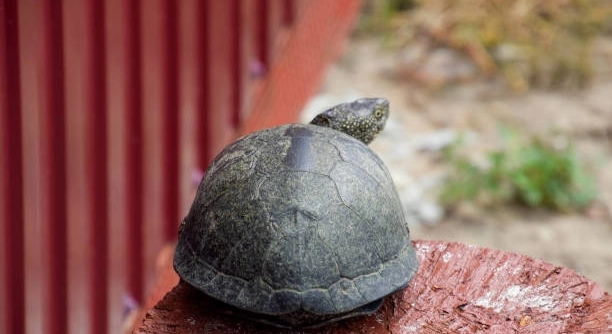
If you’ve noticed your musk turtle losing its nails, it might seem concerning at first. Understanding the cause behind this can help prevent further issues and keep your turtle healthy and happy. Nail loss is more common than it seems.
The main reason your musk turtle may be losing its nails could be due to improper habitat conditions, such as water quality issues or stress. Other potential causes include dietary deficiencies, physical injury, or infections that affect their overall health.
We will explore each of these factors and provide useful tips for ensuring your musk turtle’s nails grow back strong and healthy. Keep reading to learn more about how to prevent nail loss.
Water Quality Problems
Water quality is essential for your musk turtle’s overall health, and poor water conditions can directly affect its nails. Turtles need clean, well-filtered water to thrive. If the water becomes too dirty or polluted, it can lead to infections, which may cause their nails to fall off. Improper water temperature can also stress your turtle, making it more susceptible to health issues.
Maintaining water quality is key to preventing nail loss. A regular cleaning schedule is essential, along with a good filtration system. The water should also be kept at the appropriate temperature based on your turtle’s species.
In addition to regular water changes, it’s important to monitor the pH levels and ammonia levels in the tank. These should be kept within safe ranges to prevent stress and promote overall health. You can test water quality regularly using aquarium test kits. If the water is dirty, your turtle may try to clean its nails, potentially leading to damage and loss. This highlights how essential it is to keep its habitat in top condition.
Diet Deficiencies
A poor diet can lead to various health issues in musk turtles, including nail loss. If your turtle isn’t getting the right balance of vitamins and minerals, it can affect their nail growth and overall well-being.
A diet lacking in calcium and other essential nutrients may lead to soft, weak nails. To avoid this, make sure your turtle’s diet includes foods rich in calcium, such as leafy greens, cuttlebone, and calcium supplements.
Turtles need a balanced diet that consists of protein, vegetables, and calcium. Calcium is vital for bone and shell health, which extends to their nails. Without it, their nails can become brittle and prone to falling off. It’s crucial to provide a variety of foods to ensure they get all the nutrients they need. Supplements can be helpful, but it’s best to focus on offering natural food sources to help your turtle thrive.
Physical Injury
Physical injury is another common cause of nail loss in musk turtles. If your turtle has been injured, whether from tank mates or environmental factors, its nails may be damaged or fall off. Even minor wounds can lead to bigger problems if not treated properly.
When turtles experience physical trauma, their nails may either break off or become infected. These injuries can occur from sharp objects in the tank or rough surfaces that your turtle comes into contact with. It’s essential to check your turtle regularly for any signs of injury, such as bleeding or swelling, to prevent further complications.
You can help prevent injury by providing a safe environment for your turtle, free of sharp rocks or rough surfaces. Also, ensure that tank mates are compatible and won’t harm each other. By taking precautions, you can reduce the chances of your turtle losing nails due to physical injuries.
Stress
Stress is a major factor in many health issues, including nail loss. When a musk turtle is stressed, its immune system can weaken, making it more susceptible to infections that affect nail growth. Stress can come from a variety of sources, such as poor water quality or incompatible tank mates.
Environmental changes or disruptions can trigger stress, too. If the tank is too small or overcrowded, your turtle may feel anxious, leading to physical symptoms like nail loss. Additionally, a sudden change in temperature or water chemistry can make your turtle feel unsettled, further increasing stress levels.
To keep your turtle relaxed, provide a stable environment with plenty of space to roam. Avoid sudden changes in the tank and make sure the temperature and water quality remain consistent. Stress-free turtles are healthier, and they’re less likely to experience nail loss due to anxiety.
Infections
Infections can lead to significant health problems for your musk turtle, including nail loss. If your turtle has an infection, it may cause its nails to become loose, discolored, or completely fall off. Infections can happen due to poor water conditions or physical injuries that go untreated.
Bacterial or fungal infections are the most common types affecting turtles. These infections can spread quickly, affecting the nails and surrounding tissue. If your turtle’s nails appear abnormal or if there’s swelling or redness around them, it’s time to check for any signs of infection.
Treating infections early is key to preventing further damage. Ensure that your turtle’s tank is clean and well-maintained to reduce the chances of infections. If you suspect an infection, consult a vet for proper treatment.
Tank Conditions
The conditions in your turtle’s tank play a major role in its overall health, including nail growth. If the temperature or humidity is off, it can stress your turtle and lead to nail loss.
Make sure your tank is large enough for your turtle to move around and has appropriate filtration and heating systems. Regular cleaning and proper water temperature will help keep your turtle comfortable and reduce the risk of health issues, including nail loss.
Poor Genetics
Some musk turtles are more prone to losing nails due to genetics. If your turtle comes from a lineage with weak nail development, it may experience issues with nail growth from a young age.
FAQ
What should I do if my turtle’s nails are falling off?
If your musk turtle is losing its nails, the first thing you should do is check its environment. Ensure that the water is clean, the temperature is correct, and there are no injuries or infections. Regularly clean the tank and monitor water quality. If the nails continue to fall off or show signs of infection, visit a vet for professional care.
How can I improve my turtle’s diet to help its nails?
A balanced diet is crucial for healthy nail growth in musk turtles. Ensure your turtle gets enough calcium, which is important for bone and nail strength. Offer leafy greens, like kale and dandelion greens, along with calcium-rich foods such as cuttlebone or calcium supplements. A varied diet will also keep your turtle healthy overall.
Can stress cause my turtle to lose its nails?
Yes, stress can lead to a variety of health problems, including nail loss. If your turtle feels threatened by tank mates, overcrowding, or environmental changes, it may start losing nails. To reduce stress, create a calm and stable environment, provide enough space, and avoid sudden changes in temperature or water conditions.
How do I know if my turtle’s nails are infected?
Signs of infection in your turtle’s nails may include swelling, redness, or discharge around the nail bed. The nail may also appear soft or discolored. If your turtle shows any of these symptoms, you should seek veterinary advice immediately to prevent the infection from spreading or worsening.
Is it common for musk turtles to lose their nails?
Losing nails occasionally can happen, but it’s not typically a normal part of your turtle’s life. Nail loss usually points to underlying problems such as poor water quality, poor diet, stress, injury, or infection. If you notice consistent nail loss, take immediate steps to investigate the cause.
Can physical injury cause my turtle to lose its nails?
Yes, physical injury is a common cause of nail loss in musk turtles. If your turtle is scratched or injured by sharp objects or other tank mates, its nails may fall off or become damaged. Make sure to provide a safe environment, free from sharp objects or rough surfaces, to prevent injuries.
What’s the best way to clean my turtle’s tank to prevent nail loss?
Regular cleaning is essential to maintain good water quality and prevent infections that could affect your turtle’s nails. Clean the tank at least once a week, change 25-50% of the water, and scrub the walls of the tank. Make sure the filtration system is working properly to keep the water clean. You should also check for any waste or debris that may cause bacterial growth.
Can poor tank conditions affect my turtle’s nail growth?
Yes, poor tank conditions can have a significant impact on your turtle’s nail health. If the water is too dirty, too warm, or too cold, it can stress your turtle, leading to nail loss. Ensure that your turtle’s tank is the right size, has proper filtration, and maintains the correct temperature range for its species.
How long does it take for a turtle’s nails to grow back?
The time it takes for a turtle’s nails to grow back depends on the cause of the nail loss. If the nails were lost due to injury or infection, it could take several weeks for them to regenerate, assuming the cause is addressed. Healthy nails will typically regrow after a few months, depending on the turtle’s diet and environment.
Can I prevent my turtle from losing its nails?
Yes, most cases of nail loss in turtles can be prevented by maintaining a clean tank, providing a balanced diet with enough calcium, reducing stress, and ensuring proper temperature and water conditions. Regular monitoring of your turtle’s health and environment is key to preventing nail loss and other health problems.
It’s important to address the causes of nail loss in musk turtles as soon as possible. While losing a nail now and then may not seem like a big deal, it could indicate a larger issue. Regularly checking on your turtle’s environment, diet, and health can help prevent problems before they become serious. If you notice any signs of nail loss or other unusual symptoms, it’s essential to act quickly to ensure your turtle stays healthy. By staying proactive, you can help your turtle thrive and avoid future nail loss issues.
Making sure your turtle’s tank is clean, free from sharp objects, and properly maintained is a key step in preventing nail loss. Water quality plays a major role in the health of your turtle’s nails, so regular cleaning and water testing should be part of your routine. Along with clean water, providing a stable temperature and environment is also crucial. By offering a safe and comfortable space for your turtle, you reduce the risk of stress, which is often a contributing factor to nail loss.
Feeding your musk turtle the right foods is just as important as keeping its habitat in good condition. A diet rich in calcium and other essential nutrients will support healthy nail growth. A well-balanced diet, along with the right supplements, can ensure your turtle’s nails and overall health stay in good shape. By paying attention to both your turtle’s living environment and diet, you’ll be able to help prevent nail loss and support its long-term well-being.

Hello,
If you enjoy the content that we create, please consider saying a "Thank You!" by leaving a tip.
Every little bit helps us continue crafting quality advice that supports the health, happiness, and well-being of pets around the world, for pets of all shapes, sizes, and species.
We really appreciate the kindness and support that you show us!