
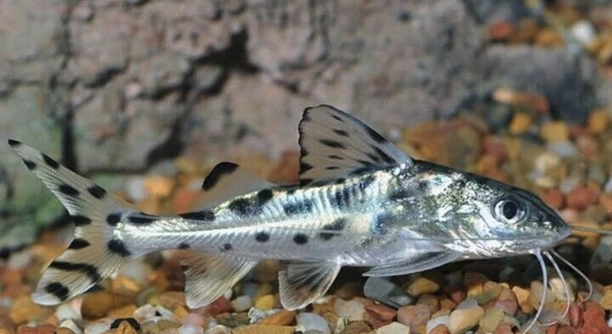
Many aquarists enjoy the calming presence of a pictus catfish in their tanks. These active fish need proper space and environment to thrive. Recognizing when your tank setup requires adjustment is important for their well-being.
Signs that indicate a need to rearrange your pictus tank include overcrowding, poor water circulation, insufficient hiding spots, uneven substrate, and inadequate plant placement. Proper tank organization supports the fish’s natural behaviors and reduces stress levels effectively.
Identifying these signs early helps maintain a healthy and balanced environment for your pictus catfish. This article outlines key indicators to watch for in your aquarium.
Signs of Overcrowding in Your Pictus Tank
When too many fish share the same space, pictus catfish may become stressed or hide more often. Overcrowding limits their swimming room and can cause aggressive behavior or illness. It also affects water quality, as waste builds up faster than the filter can manage. This makes the tank environment unhealthy. Rearranging the tank or reducing the number of fish helps restore balance. Giving pictus enough room encourages natural activity and improves their overall health.
Keeping the tank spacious allows pictus catfish to move freely and reduces stress-related issues.
Checking tank size and fish population regularly is key to avoiding overcrowding. Adjust decorations and plants to maximize open swimming space. Removing extra fish or upgrading to a larger tank may be necessary. A well-planned setup supports healthier, more active pictus catfish, ensuring they thrive in their environment for years.
Poor Water Circulation and Its Effects
Poor water movement can cause uneven temperature and oxygen levels in the tank.
Insufficient water circulation reduces oxygen supply, affecting fish health and comfort. Dead spots where debris collects also appear more often. Improving circulation with additional filters or pumps can help. Rearranging decorations can prevent blockages and improve flow, ensuring a stable, healthy habitat for pictus catfish.
Insufficient Hiding Spots
Pictus catfish need places to hide and feel secure. Without enough cover, they may become stressed and less active.
Adding caves, plants, or decorations gives them shelter and comfort. Hiding spots reduce stress by providing a safe retreat from bright lights and tank mates. When rearranging, consider creating multiple hiding areas spread throughout the tank to avoid overcrowding in one spot. Plants not only offer cover but also improve water quality and make the tank more natural. Avoid placing all hiding spots in one corner to promote even distribution and better fish interaction.
Providing adequate shelter helps pictus catfish feel safe, reducing stress and encouraging natural behavior. Rearranging the tank to increase hiding places supports their well-being and overall happiness.
Uneven Substrate
Uneven substrate can affect pictus catfish’s ability to forage and swim properly.
A flat, smooth substrate allows these bottom dwellers to search for food easily and avoid injuries. Sharp or irregular surfaces can harm their barbels and skin. If the substrate is too deep in one area, it may trap waste and cause poor water conditions. Rearranging to create an even layer improves tank cleanliness and fish comfort. Sand or fine gravel is best, as it mimics their natural habitat and is gentle on their barbels. Regular maintenance prevents buildup and maintains an ideal environment for pictus catfish.
Creating a balanced, even substrate improves the tank’s health and supports the natural behavior of your pictus catfish.
Inadequate Plant Placement
Plants should be placed to offer both shelter and open swimming areas. Poor placement can limit movement or hide fish too much.
Rearranging plants to balance open space and coverage helps pictus catfish stay active while feeling secure.
Signs of Stress in Pictus Catfish
Stress in pictus catfish often shows through changes in behavior or appearance. They may hide excessively, lose appetite, or swim erratically. Stress weakens their immune system, making them prone to illness. Rearranging the tank to improve environment, such as adding hiding spots and increasing water flow, reduces stress and promotes healthy behavior.
Tank Decorations That Block Flow
Decorations should not obstruct water movement. Blocked flow creates stagnant zones harmful to fish and plants.
FAQ
How often should I rearrange my pictus tank?
There is no fixed schedule for rearranging a pictus tank. It depends on the fish’s behavior, tank growth, and plant health. Regular checks every few months help identify when changes are needed. If you notice signs of stress, overcrowding, or poor water flow, it’s a good time to adjust the layout. Rearranging also helps keep the environment fresh and stimulating for your fish.
What are the best plants for a pictus tank?
Pictus catfish prefer plants that provide good hiding spots without overcrowding. Java fern, Anubias, and Amazon sword are popular choices. These plants are hardy and don’t require intense lighting. Floating plants can also offer shade and cover, which pictus appreciate. Make sure to anchor plants securely, so pictus won’t uproot them while swimming or digging.
Can pictus catfish live in a tank without plants?
While pictus can survive without plants, having live plants greatly improves their comfort and health. Plants help maintain water quality, offer hiding places, and create a more natural habitat. Without plants, you must provide plenty of other shelter options like caves or driftwood. A tank with plants mimics their natural environment, reducing stress and encouraging natural behavior.
How much space do pictus catfish need?
Pictus catfish are active swimmers and require ample space. A minimum tank size of 30 gallons is recommended for a small group. Overcrowding can cause stress and aggression. It’s best to have at least 2 to 3 gallons of water per inch of fish. Providing enough swimming space helps keep them healthy and active.
What kind of substrate is best for pictus catfish?
Soft substrates like sand or fine gravel work best for pictus catfish. These fish use their barbels to forage, so rough or sharp substrates can cause injury. Sand mimics their natural riverbeds and allows easy searching for food. Avoid large, sharp gravel that could harm their delicate barbels or skin.
Why is water circulation important for pictus tanks?
Good water circulation ensures even oxygen distribution and removes waste particles efficiently. Pictus catfish come from flowing river environments, so they thrive in tanks with moderate currents. Poor circulation can cause low oxygen areas and buildup of harmful substances. Using filters or pumps to maintain steady flow supports fish health and tank cleanliness.
How can I tell if my pictus catfish is stressed?
Stress signs include hiding too much, loss of appetite, erratic swimming, or faded colors. They might also show rapid gill movement or scratch against objects. Stress weakens their immune system and increases disease risk. Addressing tank layout, water quality, and tank mates usually helps reduce stress.
Is it necessary to rearrange the tank decorations regularly?
Regular rearrangement is not always necessary but can benefit the fish if problems arise. Rearranging can improve swimming space, reduce territorial disputes, and refresh the environment. Avoid frequent changes that might cause stress. Observe your fish and adjust the tank when signs of discomfort appear.
Can rearranging the tank harm the fish?
If done carefully, rearranging should not harm pictus catfish. Sudden, drastic changes might stress them temporarily. Move decorations slowly and avoid disturbing plants or substrate too much. It’s best to rearrange during water changes or when fish are less active to minimize stress.
How do I maintain a healthy tank environment after rearranging?
After rearranging, monitor water parameters closely for several days. Check temperature, pH, ammonia, nitrite, and nitrate levels. Perform partial water changes if needed. Ensure filters are working properly and remove any debris caused by the changes. Keeping water clean and stable supports fish recovery and adaptation.
What should I avoid when rearranging a pictus tank?
Avoid overcrowding decorations or blocking water flow. Don’t place hiding spots only in one area. Avoid sharp or rough objects that might injure the fish. Don’t disturb the substrate too much to prevent releasing toxins. Make changes gradually to minimize stress.
Can pictus catfish live alone, or do they need companions?
Pictus catfish are social fish that prefer living in groups of at least three. Living alone can cause loneliness and stress. A group encourages natural behavior like schooling and exploring. When rearranging, ensure enough space and hiding spots for all tank mates.
How does rearranging affect the tank’s biological balance?
Rearranging can disturb beneficial bacteria colonies on surfaces. These bacteria break down waste and keep water clean. Large changes might temporarily affect water quality. To avoid issues, rearrange gradually and avoid removing all decorations at once. Monitoring water parameters helps maintain biological balance.
What are the signs that my pictus catfish tank setup is ideal?
Signs include active swimming, regular feeding, normal coloration, and low stress behavior. The fish use hiding spots comfortably and interact with each other. Water clarity and quality remain stable. If your pictus catfish display these signs, your tank setup is supporting their health well.
Final Thoughts
Taking care of pictus catfish means paying attention to their environment. These fish need enough space, clean water, and places to hide to feel comfortable. Overcrowding and poor tank arrangement can cause stress and health problems. Rearranging the tank is sometimes necessary to fix these issues and create a better home. When you notice signs like hiding, poor swimming, or changes in behavior, it is a clear indication that the tank needs adjustment. Small changes, like moving decorations or adding plants, can make a big difference in their well-being.
Rearranging the tank should be done carefully to avoid stressing the fish. Moving decorations, plants, or substrate should happen slowly and thoughtfully. This gives the fish time to adjust to the new setup. Maintaining good water circulation and a balanced environment supports the health of your pictus catfish. Using soft substrate like sand and providing enough hiding spots helps keep them safe and happy. Regular tank maintenance and observation are important to catch problems early and respond quickly. The goal is to create a stable and comfortable space for your fish.
Understanding the needs of pictus catfish helps you provide the best care possible. Rearranging the tank is a useful tool to improve their environment when needed. Keep an eye on the signs that show your fish might be uncomfortable or stressed. Simple adjustments can improve water quality, swimming space, and shelter. This not only benefits your pictus catfish but also makes your aquarium a healthier and more enjoyable space. Consistent care and attention lead to a thriving tank where your fish can live long and healthy lives.

Hello,
If you enjoy the content that we create, please consider saying a "Thank You!" by leaving a tip.
Every little bit helps us continue crafting quality advice that supports the health, happiness, and well-being of pets around the world, for pets of all shapes, sizes, and species.
We really appreciate the kindness and support that you show us!