
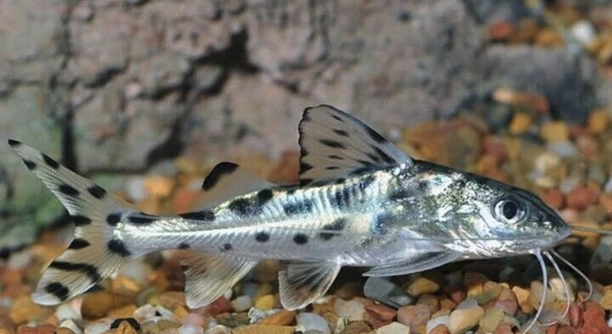
A nervous-looking Pictus catfish can be worrying for any fish owner. These active fish sometimes act skittish, making it hard to enjoy their presence. Understanding their behavior is key to helping them feel calmer and more secure.
Nervous behavior in Pictus catfish usually results from environmental stress, poor water conditions, or lack of hiding places. Improving tank setup, maintaining water quality, and minimizing sudden disturbances can reduce their anxiety and promote more relaxed behavior.
Knowing simple ways to ease your catfish’s nerves will improve its well-being and your enjoyment as an owner. The following fixes address common causes and offer easy solutions to create a peaceful aquarium space.
Check Water Quality Regularly
Keeping your tank’s water clean is one of the best ways to calm a nervous Pictus catfish. These fish are sensitive to changes in their environment, especially water quality. High ammonia, nitrite, or nitrate levels can stress them out quickly. You’ll want to test the water weekly and do partial water changes when needed. Using a good water conditioner is also important to remove harmful chemicals like chlorine. Temperature matters too—keeping it steady between 75 and 80 degrees Fahrenheit helps the catfish feel comfortable. Avoid sudden shifts in temperature or water parameters, as these can make your fish anxious. Regular tank maintenance creates a healthier space where your catfish can relax and swim freely.
Water quality directly impacts the catfish’s stress level and overall health. Clean, stable water reduces nervous behavior and keeps them more active and peaceful.
A well-maintained aquarium with stable water parameters is essential. Regular water tests and timely changes prevent buildup of toxins and keep your fish safe. It also stops unwanted fluctuations that scare the catfish. Consider investing in a reliable water testing kit and set reminders to keep up with maintenance. This small effort makes a big difference in your catfish’s calmness and longevity. Plus, it helps prevent illnesses often linked to poor water conditions.
Provide Plenty of Hiding Spots
Pictus catfish feel safer with places to hide. Adding caves, plants, and decorations gives them cover from bright lights and sudden movements. This reduces their stress and nervousness.
Adding hiding spots mimics their natural environment. Catfish use these areas to rest and avoid threats. Using smooth rocks, driftwood, and dense plants can create good shelter. Make sure hiding places are easy to access but cozy enough to offer protection. Avoid overcrowding the tank, which can limit swimming space. Striking a balance between open areas and hiding spots encourages your catfish to explore confidently without feeling exposed.
When your catfish has secure places to retreat, it spends less time darting nervously around the tank. This simple setup change can improve their behavior and reduce anxiety. It also benefits other shy fish sharing the tank. Observing your catfish relax in its shelters is rewarding and shows your aquarium is a safer, calmer home. Regularly check and rearrange decorations if needed to keep the environment stimulating but comfortable.
Reduce Noise and Vibrations
Loud noises and vibrations can stress a Pictus catfish, making it nervous. Keep the aquarium away from speakers, heavy foot traffic, or appliances that cause vibrations.
Constant noise disrupts their environment and makes them feel unsafe. Fish rely on calm surroundings to feel secure. When exposed to frequent vibrations, they may hide excessively or swim erratically. Using a sturdy stand and placing soft padding under the tank can help reduce these disturbances. Turning off noisy devices nearby during quiet hours can also make a difference. A peaceful environment allows your catfish to settle and show natural behavior.
Creating a low-noise zone around your tank benefits the whole aquarium. Catfish are less likely to startle or become aggressive. A stable setting encourages healthier feeding and social interactions with other fish. Pay attention to household activities that create sudden noise and try to limit them. Over time, your catfish will adapt to a calmer environment and feel less anxious.
Feed a Balanced Diet
Feeding your Pictus catfish well supports its health and reduces nervous behavior. Poor nutrition can weaken them and increase stress.
A balanced diet includes high-quality sinking pellets designed for bottom feeders, supplemented with live or frozen foods like bloodworms and brine shrimp. Variety helps provide essential nutrients and keeps meals interesting. Avoid overfeeding, as leftover food can pollute the tank and affect water quality, which in turn stresses the fish. Feeding small amounts two to three times a day works best. Proper nutrition boosts their immune system and energy, helping your catfish remain calm and active.
Healthy fish show more natural, relaxed behavior and less jitteriness. Feeding with care also improves growth and coloration. Monitor your catfish during feeding times to ensure they eat properly and adjust portions if necessary. When your catfish feels well-nourished, it adapts better to its environment and shows less nervousness overall.
Avoid Overcrowding the Tank
Too many fish can stress your Pictus catfish. Overcrowding leads to competition for space and resources.
A crowded tank increases aggression and makes hiding spots less effective. It also causes faster water quality deterioration, which adds to their nervousness.
Maintain Proper Lighting
Bright or constantly changing light can scare Pictus catfish. Use dim or adjustable lighting to create a calm atmosphere.
Natural day-night cycles help regulate their behavior. Avoid sudden flashes or overly bright lights to keep them comfortable and relaxed.
Keep Tank Temperature Stable
Pictus catfish are sensitive to temperature changes. Sudden fluctuations can cause stress and nervous behavior.
Maintain a steady temperature between 75 and 80 degrees Fahrenheit to keep your catfish comfortable. Use a reliable heater and thermometer to monitor and adjust as needed.
FAQ
Why does my Pictus catfish look nervous all the time?
Your catfish may appear nervous due to stress from environmental factors. Poor water quality, sudden noises, overcrowding, or lack of hiding spots often cause this behavior. These fish are sensitive to changes and need a stable, calm habitat to feel secure.
How can I tell if my catfish is stressed?
Signs of stress include darting around the tank, hiding excessively, loss of appetite, and clamped fins. They may also show faded colors or sluggishness. Observing these behaviors early helps prevent health issues.
Can water changes really reduce my catfish’s nervousness?
Yes, regular water changes remove harmful chemicals and waste that stress fish. Keeping ammonia, nitrite, and nitrate at safe levels improves your catfish’s comfort and reduces anxious behavior.
Is it okay to keep Pictus catfish with other fish?
Pictus catfish are generally peaceful but prefer tank mates that don’t compete aggressively. Avoid keeping them with very aggressive or overly territorial fish. Suitable companions help reduce stress and encourage natural behavior.
How many Pictus catfish should I keep in one tank?
They are social fish and do best in groups of at least three to five. However, ensure your tank is large enough to prevent overcrowding, which increases stress and nervousness.
What’s the ideal tank size for Pictus catfish?
A minimum of 30 gallons is recommended for a small group. Larger tanks provide more swimming space and room for hiding spots, reducing stress and promoting healthy activity.
Should I use a filter with my Pictus catfish tank?
Yes, a good filter is essential. It helps maintain clean water and stable conditions, which lowers stress. Ensure the filter’s flow is moderate, as strong currents can make your catfish nervous.
Can feeding live food help calm my catfish?
Offering live or frozen foods like bloodworms or brine shrimp can stimulate natural hunting behavior and reduce boredom. A varied diet supports their health and lowers stress.
What’s the best way to introduce a new Pictus catfish to my tank?
Acclimate new fish slowly by floating the sealed bag in your tank and gradually mixing tank water with the bag water. This reduces shock from changes in temperature or water chemistry, helping the fish settle calmly.
How important is lighting for my catfish’s comfort?
Lighting affects their stress levels. Pictus catfish prefer dim or moderate lighting and benefit from a regular day-night cycle. Too bright or flickering lights can cause nervous behavior.
Why does my catfish hide so much?
Hiding is a natural behavior that helps them feel safe. If they hide constantly, it may mean they feel threatened or stressed. Improving tank conditions and providing plenty of shelters can encourage more relaxed behavior.
Can I reduce my catfish’s nervousness by lowering tank noise?
Yes, minimizing vibrations and loud sounds helps create a peaceful environment. Place the tank away from heavy foot traffic, speakers, or appliances to keep stress low.
Is tank temperature critical for my Pictus catfish’s nerves?
Absolutely. Sudden temperature changes or extremes cause stress. Keeping the tank steady between 75 and 80 degrees Fahrenheit promotes calm and healthy behavior.
How often should I feed my Pictus catfish?
Feed small amounts two to three times daily. Overfeeding can pollute water and increase stress, so stick to reasonable portions that your fish can finish quickly.
Can stressful behavior lead to illness in Pictus catfish?
Yes, stress weakens the immune system, making fish prone to infections and diseases. Maintaining good tank conditions and reducing stressors supports their health and longevity.
Final thoughts on helping a nervous Pictus catfish focus on creating a calm and healthy environment. These fish are sensitive to their surroundings, so small changes can make a big difference. Keeping the water clean and stable is one of the most important steps. Regular water tests and changes prevent harmful buildup of toxins, which often causes stress. Along with water quality, providing plenty of hiding spots helps your catfish feel safe. Natural decorations, plants, and caves give them places to retreat when they feel nervous. This can reduce their jittery behavior and help them settle more comfortably in the tank.
Another key part is controlling noise, lighting, and temperature. Loud sounds and vibrations can startle your catfish, so placing the tank in a quiet area is best. Using dim or adjustable lighting helps avoid sudden flashes or overly bright light that may frighten them. Also, keeping the temperature steady between 75 and 80 degrees Fahrenheit is necessary. Sudden changes in temperature often cause nervousness and health problems. Paying attention to these factors creates a peaceful environment where your catfish can thrive and behave naturally.
Feeding a balanced diet regularly also supports your Pictus catfish’s well-being. High-quality sinking pellets, along with live or frozen foods, provide the nutrients they need. Avoid overfeeding, which can spoil the water and add to stress. Watching your catfish’s behavior during feeding times can help you adjust portions if necessary. Finally, avoid overcrowding the tank and choose peaceful tank mates. A stable group with enough space reduces competition and helps your catfish feel less threatened. By following these simple steps, you can help your nervous Pictus catfish become calmer and healthier in its home.

Hello,
If you enjoy the content that we create, please consider saying a "Thank You!" by leaving a tip.
Every little bit helps us continue crafting quality advice that supports the health, happiness, and well-being of pets around the world, for pets of all shapes, sizes, and species.
We really appreciate the kindness and support that you show us!