
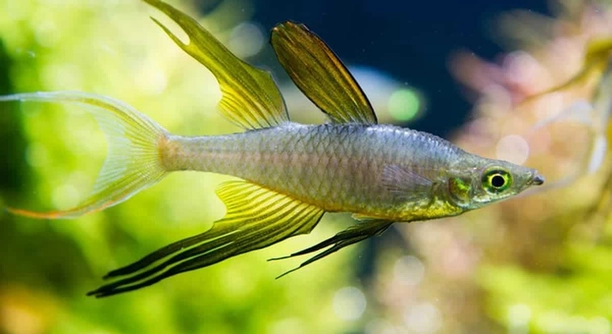
Threadfins are fascinating fish that many people enjoy observing in their natural habitats. As these fish grow, subtle and not-so-subtle changes occur in their behavior, appearance, and environment interactions, shaping their adult life.
As threadfins mature, they experience significant changes in size, coloration, fin structure, feeding habits, social behavior, reproductive development, and habitat preferences. These transformations are essential for survival, reproduction, and maintaining their role within aquatic ecosystems.
Learning about these changes provides insight into the life of threadfins and helps enthusiasts better understand and support their growth and well-being.
Growth in Size
Threadfins start small but grow rapidly as they mature. Over time, their bodies become longer and more robust, allowing them to swim faster and explore larger areas. This increase in size also changes how they interact with other fish, as larger threadfins can assert themselves more confidently. Growth is influenced by diet, water quality, and temperature. A healthy environment ensures that threadfins develop properly without stunted growth or deformities. Observing their size progression is fascinating because it shows how adaptable these fish are to changing conditions. Larger threadfins are also better at avoiding predators, which significantly improves their survival chances. The growth phase is critical, as it sets the stage for reproductive maturity and social behavior changes. Without proper nutrition, threadfins may not reach full potential, affecting their ability to thrive in natural habitats. Regular monitoring of their growth can help maintain a balanced aquatic ecosystem.
Threadfins’ increasing size affects how they move and interact within their habitat. They occupy more space and gain better swimming efficiency.
As threadfins grow, their fins and muscles strengthen, supporting longer swims and agile movements. Larger size allows them to hunt more effectively, evade predators, and establish territories. This growth also impacts their social hierarchy, with bigger individuals often dominating smaller ones. Maintaining proper water conditions and diet ensures their physical development aligns with natural patterns.
Coloration Changes
Threadfins’ colors shift noticeably as they mature, becoming more vivid and defined. This change signals health and maturity.
The new coloration helps with mating and communication within the species, making mature threadfins more recognizable to each other.
Coloration changes serve multiple functions beyond aesthetics. Brighter hues can indicate a strong immune system and readiness to reproduce. Subtle patterns may help threadfins blend with their surroundings, avoiding predators. Environmental factors, like light exposure and water quality, influence pigment development. Some threadfins develop stripes or spots that were not visible in their juvenile stage, aiding in identification and signaling dominance or submission within social groups. These visual cues are crucial for establishing territories and mating behaviors. Observing the shift in color provides insights into their health, age, and social dynamics, reflecting how internal development is mirrored externally. Proper diet, rich in nutrients and natural pigments, helps maintain vibrant coloration throughout adulthood. Understanding these color changes gives a clearer picture of their adaptation and survival strategies in aquatic habitats.
Fin Development
Threadfins’ fins become longer and more pronounced as they mature, improving maneuverability and swimming efficiency. These changes also help them communicate with other fish and establish dominance within groups.
Maturing threadfins develop stronger, more flexible fins that allow precise movements in the water. This enhanced fin structure supports both quick bursts to escape predators and long-distance swimming to find food or suitable habitats. The dorsal and pectoral fins often show noticeable growth, while tail fins become more powerful, giving the fish better propulsion. Changes in fin shape also assist with balancing in currents and navigating tight spaces in reefs or riverbeds. For some species, fin development includes subtle extensions or filaments that serve as visual signals to peers. These adaptations ensure threadfins remain competitive and resilient in their environment. Proper nutrition and clean water are essential for healthy fin growth, preventing deformities and ensuring functional strength. Observing these changes highlights the intricate ways threadfins adjust physically as they age.
Fin development also supports feeding, allowing threadfins to capture prey efficiently and maintain stability in fast-moving waters.
Feeding Habits
As threadfins mature, their diet broadens, and they become more strategic in finding food. Juveniles may focus on plankton, but adults shift to larger prey like small fish and crustaceans.
Adult threadfins show refined hunting techniques, including coordinated movements and patience while waiting for prey. Their increased size and stronger fins allow them to chase faster targets, while their sensory systems detect vibrations and movements in the water. Feeding patterns also adjust to environmental availability, with some threadfins feeding near the surface during the day and others at night. Proper nutrition during this phase is critical, as it supports continued growth, fin strength, and reproductive readiness. Mature threadfins may also compete for high-quality feeding spots, influencing social dynamics within schools. These changes in feeding habits reflect both physiological development and adaptive behavior.
Over time, feeding habits directly affect energy levels, health, and reproductive success, making them a key part of maturity.
Social Behavior
Mature threadfins often become more territorial, establishing clear boundaries within their group. They interact strategically, using displays and fin movements to communicate dominance or submission.
Schooling behavior also changes, with adults sometimes forming smaller, more organized groups. This reduces competition and increases protection from predators.
Reproductive Development
As threadfins reach maturity, their reproductive organs fully develop, enabling successful spawning. Males and females display specific behaviors to attract partners, including synchronized swimming and fin displays. Hormonal changes drive these behaviors, signaling readiness to reproduce. Environmental cues like water temperature, light, and seasonal cycles often trigger spawning events. Adults may return to preferred breeding areas repeatedly, showing strong site fidelity. Reproductive success depends on health, diet, and social conditions, making maturity a critical phase for population maintenance. Observing reproductive behaviors provides insight into species survival strategies and highlights the importance of preserving natural habitats.
Habitat Preferences
Mature threadfins tend to seek deeper waters or areas with stronger currents. This preference provides better feeding opportunities and protection.
FAQ
What is the typical lifespan of a threadfin?
Threadfins usually live between 5 and 10 years, depending on the species and environmental conditions. Factors such as water quality, diet, predation, and human impact can affect their longevity. Proper care in captivity or healthy habitats in the wild helps them reach full lifespan potential.
At what age do threadfins reach maturity?
Most threadfins reach maturity between 2 and 4 years of age. This can vary slightly with species, water temperature, and availability of food. Maturity is marked by changes in size, fin structure, coloration, and reproductive readiness.
How does diet change as threadfins grow?
Juvenile threadfins primarily eat plankton and small invertebrates. As they mature, their diet shifts to include larger prey such as small fish, crustaceans, and insects. This change supports growth, energy needs, and reproductive health, and requires more strategic hunting and foraging.
Do threadfins become more territorial as they mature?
Yes, adult threadfins often establish territories, especially around prime feeding or breeding areas. Displays of dominance using fins and body movements are common. These behaviors reduce conflict within groups and help secure resources for survival and reproduction.
How do fin shapes change during maturity?
Fins grow longer, stronger, and more flexible, improving swimming efficiency and maneuverability. Some species develop subtle extensions or filaments that serve as visual signals. Proper fin development is essential for feeding, escaping predators, and interacting socially.
Do threadfins change color as they age?
Yes, mature threadfins often show more vivid or defined coloration. These changes help with mating, communication, and blending with their environment. Pigmentation can be influenced by diet, light exposure, and water quality, reflecting overall health and maturity.
What kind of habitats do mature threadfins prefer?
Adults tend to prefer deeper waters, areas with stronger currents, or regions with ample hiding spots. These locations provide protection, stable feeding opportunities, and suitable spawning grounds. Habitat choice is influenced by both physical conditions and social dynamics within groups.
How does reproduction work in threadfins?
Mature threadfins develop functional reproductive organs, and males and females engage in specific behaviors to attract mates. Spawning is often triggered by seasonal cues like temperature or light. Adults may return to favored breeding areas repeatedly, showing strong site fidelity. Successful reproduction relies on health, nutrition, and environmental stability.
Can threadfins be kept in home aquariums?
Some species can be kept in aquariums if space, water quality, and diet needs are met. They require strong filtration, adequate swimming space, and a varied diet. Proper care ensures healthy growth, coloration, and natural behaviors, though not all species are suitable for captivity.
Do threadfins form schools?
Juveniles often school for protection and social interaction. Adults may form smaller, more organized groups, especially around feeding areas. Schooling reduces predation risk and allows more efficient use of resources, reflecting changes in social behavior as they mature.
What are the main threats to mature threadfins?
Predation, habitat loss, pollution, overfishing, and climate change are major threats. Larger size helps with predator avoidance, but environmental changes and human activity can reduce survival and reproductive success. Maintaining healthy habitats is essential for sustaining populations.
How can I tell if a threadfin is healthy?
Healthy threadfins are active, swim smoothly, have bright coloration, and show normal feeding behavior. Fins should be intact, without tears or deformities. Sudden changes in behavior, color, or appetite may indicate stress, poor diet, or disease.
Are mature threadfins aggressive toward other species?
While generally non-aggressive, mature threadfins may defend feeding or breeding territories. Aggression is usually limited to intraspecies interactions, with displays or posturing rather than direct attacks. Proper space and resources reduce conflicts.
Do environmental changes affect maturity?
Yes, water temperature, food availability, and habitat stability influence growth rates, coloration, fin development, and reproductive timing. Sudden changes can delay or disrupt maturity, affecting survival and breeding success.
Can threadfins adapt to different environments?
Mature threadfins show some adaptability, adjusting feeding, social behavior, and habitat preferences to survive. However, extreme changes in water quality, temperature, or food supply can challenge their ability to thrive. Stable environments support optimal growth and reproduction.
What role do threadfins play in their ecosystem?
Mature threadfins help control prey populations, serve as prey for larger predators, and contribute to nutrient cycling. Their feeding and social behaviors influence habitat dynamics, making them an important part of aquatic ecosystems.
How often do threadfins reproduce?
Reproductive frequency varies by species and environmental conditions. Some may spawn multiple times per year, while others have specific seasonal cycles. Spawning success depends on health, nutrition, and access to suitable breeding grounds.
Are there signs of aging in threadfins?
Older threadfins may show slower swimming, faded coloration, reduced fin flexibility, and lower reproductive activity. Observing these changes helps understand their lifecycle and informs habitat or care management.
Can stress affect mature threadfins?
Yes, stress from overcrowding, poor water quality, or predators can impact feeding, growth, and reproduction. Reducing stress through stable environments, adequate space, and proper diet is essential for their health.
Do threadfins interact with other fish species?
Mature threadfins may coexist with other species but interactions are mainly limited to competition for space or food. Their behavior is mostly cautious and strategic, avoiding unnecessary conflict while maintaining territory and resources.
Threadfins are remarkable fish, and observing how they change as they mature gives a clear view of their adaptation and survival strategies. From the moment they leave their juvenile stage, they undergo a series of physical and behavioral transformations that prepare them for adult life. Their growth in size is one of the most noticeable changes, allowing them to swim more efficiently, explore wider areas, and compete effectively for resources. Along with size, fin development improves their mobility and balance, making it easier to catch prey and avoid predators. These physical changes are supported by shifts in diet and feeding habits, which allow threadfins to take advantage of a wider variety of food sources as they grow. By understanding these changes, we can better appreciate the complexity of their biology and how each adaptation serves a purpose for survival in their aquatic environment.
Coloration and social behavior also play a significant role in the life of mature threadfins. As their colors become more vivid, these fish communicate readiness to reproduce and establish their place within social groups. Adults often become more territorial, using displays and fin movements to signal dominance or submission. Schooling patterns also adjust, with mature threadfins forming smaller, more organized groups that reduce competition and provide protection. These behavioral changes are closely linked to reproductive development. Adults develop functional reproductive organs and participate in specific behaviors to attract mates, ensuring the survival of the species. Environmental factors like water temperature, light, and habitat quality strongly influence these changes, which highlights the importance of maintaining healthy ecosystems for threadfins. Monitoring these behaviors offers insight into their health, maturity, and interaction with their surroundings.
Finally, understanding the maturity of threadfins can help with conservation and care in both natural and controlled environments. Mature threadfins rely on stable habitats, clean water, and sufficient food to thrive, making them sensitive to environmental changes and human impact. Their adaptations—such as improved swimming, hunting techniques, and reproductive strategies—show how finely tuned they are to their surroundings. Observing these fish over time provides a detailed picture of how growth, color, fin structure, social behavior, feeding habits, and reproduction are all connected. By recognizing these patterns, we can support their wellbeing, whether in the wild or in managed aquatic settings. Paying attention to the needs of mature threadfins allows us to appreciate the complexity of their life stages and ensures that these fascinating fish continue to play their role in aquatic ecosystems.

Hello,
If you enjoy the content that we create, please consider saying a "Thank You!" by leaving a tip.
Every little bit helps us continue crafting quality advice that supports the health, happiness, and well-being of pets around the world, for pets of all shapes, sizes, and species.
We really appreciate the kindness and support that you show us!