
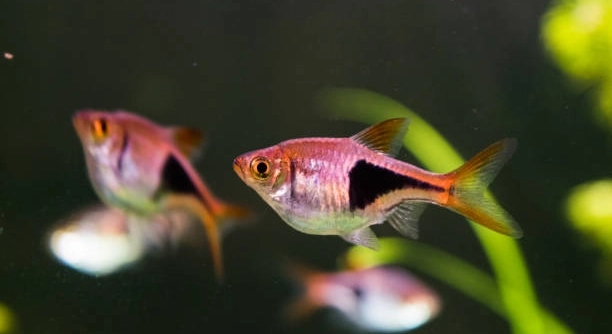
Rasboras are small, lively fish often kept in home aquariums. Many fish owners enjoy observing their behavior and wonder how these fish react to human presence. Understanding their responses can deepen the connection between owner and pet.
Rasboras recognize human presence through specific behavioral changes such as increased swimming activity, approaching the tank glass, and showing alertness. These signs indicate that the fish are aware of external stimuli and can differentiate familiar figures from strangers.
Recognizing these behaviors helps enhance your aquarium experience and fosters a closer bond with your rasboras. Observing these subtle signs can bring more enjoyment to your fishkeeping routine.
How Rasboras Change Their Swimming Patterns
Rasboras often react to your presence by changing how they swim. When they notice you, they may swim more actively, darting around the tank or moving closer to the glass. This behavior shows they are alert and aware of their environment. The fish use movement to signal curiosity or caution. You might see them gather in groups near where you usually stand or where you feed them. These changes can mean they recognize you as a source of food or attention. Over time, rasboras may become more comfortable and less shy, swimming openly rather than hiding. Watching these shifts can give you clues about how well your fish are adapting to their surroundings and your routine. The way they swim is one of the clearest signs they notice and respond to people nearby, making it easier to build a connection with them.
Their swimming changes show clear awareness of human presence and comfort levels around owners.
Observing how rasboras alter their swimming can deepen your understanding of their behavior. It helps you notice if they are stressed or comfortable. Recognizing these patterns allows you to adjust your approach to feeding and interacting, ensuring your fish feel secure. Over time, this understanding supports a healthier environment for your aquarium and makes your experience more rewarding.
Rasboras Approaching the Tank Glass
Rasboras will often swim up to the glass when they recognize you. This approach is a common way for fish to check what is outside their tank. It may also be their way of seeking food or interaction, showing trust rather than fear. When your rasboras come closer, it means they associate your presence with something positive. This behavior develops gradually as they learn to connect you with feeding times or gentle movements near the tank. Approaching the glass is a simple yet important sign that your fish acknowledge and accept your presence. It also gives you a chance to observe their health and mood more closely, as their reactions can vary depending on how comfortable they feel.
This behavior signals a bond forming between the fish and their owner.
When rasboras swim near the glass, it reflects their awareness and growing trust. This closeness shows they recognize routine and see you as part of their environment. Approaching the glass is often paired with other signs like increased activity or focused attention. If your fish suddenly stop doing this, it might indicate stress or discomfort, which you can address by checking water conditions or tank setup. Encouraging this behavior by maintaining consistent feeding schedules and gentle interaction strengthens your relationship with the fish. It also provides regular chances to monitor their well-being and notice any changes early on, improving care quality.
Eye Contact and Alertness
Rasboras often make brief eye contact when they notice movement nearby. This signals they are paying attention to their surroundings.
Eye contact from rasboras is a sign of awareness and curiosity. When they look toward you, it means they have detected your presence and are assessing if there is any threat or opportunity, such as feeding time. This behavior shows that rasboras are not just passive creatures; they actively observe what happens outside their tank. The moment they lock eyes, even briefly, it indicates they recognize a living being interacting with their environment. Maintaining calm movements near the tank encourages them to hold this attention longer.
This alertness also helps rasboras stay safe. Being watchful is important in the wild, and it carries over into aquarium life. When they recognize a familiar person, they feel more secure and respond less nervously.
Changes in Color Intensity
Rasboras sometimes show a slight change in their color intensity when you are nearby. This change can reflect their emotional or physical state.
When rasboras detect someone near the tank, their colors may become more vivid or slightly faded. These shifts usually happen because of stress, excitement, or readiness to interact. Brightening colors can mean the fish are alert and interested, possibly anticipating food or interaction. Conversely, duller colors might suggest the fish feel threatened or uncomfortable. This natural response is part of how rasboras communicate internally and with their surroundings. Paying attention to these changes can help you understand their mood and adjust your approach to keep them relaxed. Color changes are subtle but valuable indicators of how well your fish are adapting to your presence.
Following Your Movements
Rasboras may follow your movements outside the tank. This shows they are aware and interested in what you are doing nearby.
This behavior indicates curiosity and recognition. When rasboras track your motion, they are responding to a familiar presence. It can also mean they associate your movement with feeding or interaction. Following movements is a way for them to stay engaged and connected with their environment.
Reacting to Feeding Time
Rasboras respond quickly when feeding time approaches. They become more active and gather near the top of the tank, showing they recognize the routine and your role in it.
Subtle Tail Flicks
Small tail flicks often occur when rasboras sense someone nearby. This slight movement signals attention and readiness to respond to any changes in their environment.
FAQ
How do rasboras show they recognize me?
Rasboras show recognition through changes in behavior, such as swimming closer to the glass, following your movements, and increased activity during feeding times. They also make brief eye contact and display alertness. These signs indicate they are aware of your presence and respond accordingly.
Can rasboras get used to my presence?
Yes, over time rasboras can become accustomed to your presence. Consistent feeding routines and gentle movements near the tank help them feel comfortable. As they recognize you, they may swim more openly and show less fear.
Why do my rasboras swim faster when I approach?
Faster swimming can mean excitement or caution. Rasboras may associate your approach with feeding or potential danger. Their quick movements are natural responses to external stimuli and show they are alert.
Is it normal for rasboras to come near the tank glass?
Yes, this is a common behavior. Approaching the glass often means the fish recognize you and expect food or interaction. It’s a positive sign of trust and curiosity.
Do rasboras communicate through color changes?
Yes, slight changes in color intensity can reflect their mood. Brightening colors usually indicate alertness or excitement, while duller colors may show stress or discomfort. Watching these shifts can help you gauge their well-being.
What does it mean when rasboras follow my hand outside the tank?
Following your hand suggests they recognize your presence and associate it with feeding or attention. It’s a sign of curiosity and engagement with their environment.
How can I encourage my rasboras to recognize me?
Maintaining a regular feeding schedule and avoiding sudden movements near the tank helps. Spending quiet time near the aquarium lets them get used to your presence, reducing stress and increasing recognition.
Why do my rasboras flick their tails when I am near?
Tail flicks are subtle signals of alertness and readiness. This movement shows they are paying attention to changes around them and preparing to react if necessary.
Are rasboras aware of strangers near the tank?
Rasboras can distinguish between familiar and unfamiliar people. They may respond more cautiously or hide when strangers approach, while showing more relaxed behavior around known owners.
How long does it take for rasboras to recognize their owner?
Recognition time varies depending on the fish and environment, but consistent interaction and feeding routines usually help rasboras become familiar within a few weeks.
Can rasboras feel stress from too much human interaction?
Yes, excessive sudden movements or loud noises near the tank can stress rasboras. It’s important to approach calmly and maintain a peaceful environment to keep them comfortable.
What other signs show rasboras are comfortable with me?
Besides swimming near the glass and following movements, rasboras may show relaxed body posture, normal color intensity, and less hiding. These indicate they feel safe and trust their surroundings.
Do rasboras respond differently to various people?
Yes, they may respond more positively to people who feed or interact with them regularly. Unfamiliar individuals might cause the fish to be more reserved or alert.
Can rasboras remember feeding routines?
Rasboras quickly learn and anticipate feeding times. They become active and gather near the surface when it’s time to eat, showing they remember and recognize these routines.
Is it harmful to tap on the tank to get rasboras’ attention?
Tapping can stress fish and cause fear. It’s better to gain their attention through gentle movements or approaching quietly to avoid disturbing them.
How can I tell if my rasboras are stressed by my presence?
Signs of stress include hiding, color fading, erratic swimming, or loss of appetite. Adjusting your interaction style and environment can help reduce their anxiety.
Are rasboras social with each other when recognizing a person?
Yes, rasboras often group together when interacting with their owner. This social behavior increases their confidence and shows a collective response to familiar stimuli.
Do rasboras respond to voice or sound?
While not highly sensitive to sound, rasboras can notice vibrations and may respond to familiar voices or noises associated with feeding.
What is the best way to build trust with my rasboras?
Consistent feeding, calm presence, and avoiding sudden movements help build trust. Patience and regular interaction encourage rasboras to recognize and feel comfortable with you.
How can I tell if a new rasbora has recognized me?
New fish may initially hide but will gradually show signs of recognition like approaching the glass and increased activity during feeding. These behaviors indicate they are becoming familiar with you.
Understanding how rasboras recognize your presence can make your time with them more rewarding. These small fish show awareness through various behaviors, like changing swimming patterns, approaching the tank glass, and making brief eye contact. Noticing these signs helps you see that they are more than just decorations in the tank. They react to your movements and routines, showing a connection between you and your aquatic pets. This awareness means they recognize you as part of their environment, which can make caring for them easier and more enjoyable.
The ways rasboras respond to you also reflect their comfort and well-being. Changes in color intensity, tail flicks, and following your hand near the tank are subtle but important signals. They tell you when your fish feel relaxed or stressed. Paying attention to these behaviors can help you provide better care. Adjusting feeding schedules, moving gently around the tank, and keeping a calm atmosphere supports their health. When rasboras feel secure, they show more natural and positive behavior, which can deepen the bond you have with them.
Recognizing these signs also encourages patience and observation. It takes time for rasboras to get used to new people or environments. Consistent interaction without sudden movements helps build trust. Over time, you can enjoy watching their unique ways of communicating and responding to you. This understanding improves your overall experience and helps create a balanced aquarium where the fish thrive. Observing your rasboras carefully allows you to notice small changes that might need attention, ensuring their long-term happiness and health.

Hello,
If you enjoy the content that we create, please consider saying a "Thank You!" by leaving a tip.
Every little bit helps us continue crafting quality advice that supports the health, happiness, and well-being of pets around the world, for pets of all shapes, sizes, and species.
We really appreciate the kindness and support that you show us!