
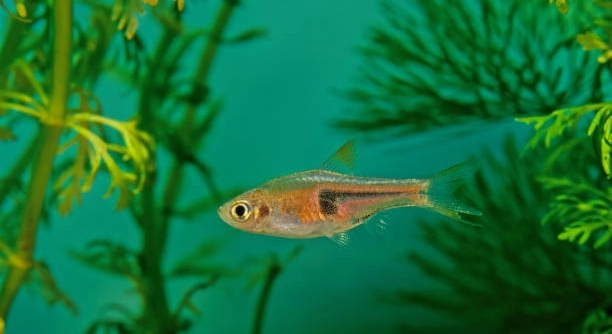
Rasboras are small freshwater fish that often live in groups. These social creatures display interesting behaviors when they interact. Observing them can reveal how they communicate and explore their environment together.
Rasboras might investigate changes in water quality, new plants, food sources, potential threats, shelter areas, social hierarchy, and environmental enrichment. These collective investigations help maintain group safety and well-being in their shared habitat.
Understanding what draws rasboras to explore as a group can enhance care practices and improve their environment for healthier, happier fish.
Water Quality Changes
Water quality is vital for rasboras’ health. They often investigate shifts in temperature, pH, and cleanliness as a group. When water conditions fluctuate, rasboras become more alert, sensing changes through their sensitive lateral lines. These group investigations help them adapt or signal stress. In aquariums, maintaining stable water parameters reduces the chance of this heightened vigilance. Rasboras explore the water carefully, seeking areas with better conditions, avoiding zones with sudden changes. Observing their movement patterns can give clues about water quality problems before they become serious. Group behavior in this regard strengthens survival by encouraging collective responses to environmental stress.
Monitoring water parameters regularly keeps your rasboras comfortable. Ensuring stable and clean water reduces their need for constant investigation and promotes natural behavior.
Rasboras respond to subtle changes in water quality by swimming together toward favorable conditions. This collective response helps them find safe spaces, improving their chances of thriving in captivity. Group behavior highlights their reliance on social cues to navigate environmental shifts effectively.
Exploring New Plants and Objects
Rasboras show curiosity toward new plants or decorations introduced to their environment. They swim around these additions, inspecting for safety or potential hiding spots. This behavior is essential for their comfort and reduces stress by familiarizing themselves with changes. Introducing new elements gradually helps prevent overwhelming the group. Rasboras may nibble or hover near plants, assessing their suitability for shelter or spawning areas. Watching their reactions to new items provides insight into their preferences and needs. Group investigation creates a shared understanding of the environment, fostering cohesion.
Adding plants or decorations can positively impact your tank’s ecosystem and enrich rasboras’ daily activities. This simple change encourages natural exploration and engagement.
Food Sources
Rasboras often investigate new food sources together to determine safety and availability. Their group behavior helps them identify edible items and avoid potential risks.
When new food is introduced, rasboras approach cautiously, swimming closely and sampling bits. They communicate through subtle movements, signaling whether the food is acceptable. This group testing reduces individual risk and helps establish feeding routines. In captivity, varied diets support their health and encourage natural foraging behavior.
Observing their feeding investigations reveals preferences and possible health concerns. Rasboras also help each other by sharing information on food sources, which strengthens their social bonds. Understanding this behavior aids in providing appropriate nutrition and feeding schedules.
Potential Threats
Rasboras quickly respond to signs of danger within their environment. They investigate threats together to protect the group and reduce individual vulnerability.
Upon sensing a threat, rasboras become alert and swim in coordinated patterns to assess risk. This group vigilance increases their chances of detecting predators or harmful changes early. They use body language and quick movements to warn each other, often retreating to safer areas. In an aquarium setting, minimizing sudden disturbances helps maintain their sense of security.
Recognizing their threat investigation behavior helps improve tank management by reducing stressors. Providing ample hiding places and stable conditions supports their natural defense instincts and group cohesion.
Shelter Areas
Rasboras explore potential shelter spots carefully. They swim through plants and decorations to find safe hiding places. Shelter provides protection from predators and reduces stress, making it essential for their well-being.
Groups prefer densely planted or covered areas. These shelters also support resting and breeding behaviors, encouraging natural instincts.
Social Hierarchy
Rasboras establish social order through subtle interactions. Dominance and submission shape group dynamics, influencing access to resources and territory. This hierarchy maintains stability within the school and minimizes conflict.
Environmental Enrichment
Environmental enrichment keeps rasboras active and healthy. Adding varied textures, plants, and hiding spots encourages natural behaviors and exploration. A stimulating environment promotes mental and physical well-being in captive settings.
Group Coordination
Rasboras rely on coordinated movement for safety and navigation. This synchronized swimming enhances group cohesion and helps avoid predators or obstacles efficiently.
What do rasboras do when they investigate their environment together?
Rasboras move as a group to explore changes in their surroundings. They investigate water quality, new objects, food, and potential threats by swimming closely and using body language to communicate. This collective behavior helps them identify safe spaces and avoid dangers more effectively than if they acted alone.
How do rasboras respond to changes in water quality?
Rasboras are sensitive to shifts in temperature, pH, and cleanliness. When water quality changes, they become more alert and may move together toward areas with better conditions. Their group movement signals stress or discomfort, which can alert caretakers to check water parameters and take action.
Why do rasboras show interest in new plants or decorations?
New plants and decorations offer potential shelter and hiding spots. Rasboras inspect these additions carefully, swimming around and sometimes nibbling. Group investigation allows them to assess safety and comfort before settling near the new objects, helping them adjust to changes without unnecessary stress.
What is the role of food investigation in rasbora behavior?
When new food is introduced, rasboras test it together by swimming closely and sampling small amounts. This shared behavior reduces individual risk of eating something harmful and helps the group establish feeding patterns. It also encourages natural foraging instincts in captivity.
How do rasboras handle potential threats?
Rasboras become alert and coordinate their movements when sensing danger. Group vigilance increases their chances of detecting predators or disturbances early. They use quick, synchronized swimming and body language to warn each other and retreat to safer areas if needed.
How important is shelter for rasboras?
Shelter provides safety and reduces stress for rasboras. They explore plants and decorations to find dense, covered areas where they can hide or rest. Good shelter supports natural behaviors like resting and breeding, contributing to overall well-being.
What does social hierarchy look like in rasbora groups?
Rasboras form a subtle social order through dominance and submission. This hierarchy helps manage access to resources and reduces conflict within the school. It maintains group stability, allowing rasboras to coexist peacefully.
How does environmental enrichment affect rasboras?
Adding plants, hiding spots, and varied textures encourages exploration and natural behavior. Environmental enrichment keeps rasboras active and mentally stimulated, promoting better health in aquarium settings.
Why is group coordination important for rasboras?
Coordinated swimming enhances safety and helps the group navigate their environment efficiently. This synchronization allows rasboras to avoid predators and obstacles, strengthening social bonds and improving survival chances.
Can observing rasbora group behavior help in aquarium care?
Yes, watching how rasboras investigate water, food, and surroundings can reveal their comfort and health. Changes in their group behavior often signal stress or environmental issues, allowing caretakers to respond promptly and improve tank conditions.
Rasboras are small fish that rely heavily on group behavior to explore and understand their environment. Their tendency to investigate things together helps keep them safe and comfortable. Whether it is checking water quality, new plants, food, or possible dangers, they use teamwork to make sense of their surroundings. This natural social behavior also helps reduce stress and creates a more stable environment for them to live in. Watching how rasboras move and interact can provide useful clues about their health and well-being.
In aquariums, replicating conditions that encourage this group investigation is important. Maintaining clean, stable water, introducing new elements slowly, and providing plenty of hiding places supports their natural instincts. It also improves their overall quality of life. When rasboras feel secure, they are more active and display more natural behaviors. Observing their group responses to changes can help caretakers identify potential problems early, making it easier to keep the fish healthy. Creating a safe, enriched environment is key to their happiness.
Understanding rasboras’ social habits and their need to explore together allows for better care and management. Their group investigations are not random but purposeful actions that serve survival and comfort. These behaviors highlight how important social connection and environment are to small fish like rasboras. By respecting these needs, aquarists can provide spaces that support their natural lifestyle. This, in turn, leads to healthier fish and a more enjoyable experience for those who keep them.

Hello,
If you enjoy the content that we create, please consider saying a "Thank You!" by leaving a tip.
Every little bit helps us continue crafting quality advice that supports the health, happiness, and well-being of pets around the world, for pets of all shapes, sizes, and species.
We really appreciate the kindness and support that you show us!