
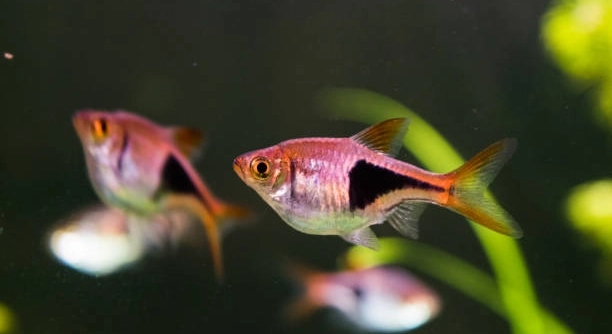
Rasboras are small, peaceful fish that often form close bonds with each other in home aquariums. Watching their interactions can be rewarding for fishkeepers who want to understand their behavior better. Recognizing their subtle signs helps improve their care.
Rasboras bond through specific behaviors such as swimming closely together, synchronized movements, gentle nudging, color changes, and shared resting spots. These hidden clues indicate social bonding and comfort within their group in captivity.
Learning to spot these signs will deepen your appreciation of rasbora social life and improve how you care for them in your tank.
Swimming Close Together
Rasboras often swim in tight groups, staying close to each other. This behavior is a strong sign they are bonding. When they swim closely, it shows they feel safe and comfortable around one another. This closeness also helps them communicate and coordinate movements to avoid threats. If you notice your rasboras frequently swimming side by side or following each other closely, it means they are forming social connections. This behavior is natural and important for their well-being. Group swimming also reduces stress, which keeps the fish healthy. Keeping rasboras in small groups supports these bonds and encourages natural behavior. It’s a good idea to watch their swimming patterns regularly to understand how they relate to one another. Observing these details can improve your care for them and help you create a more peaceful tank environment.
Close swimming shows that rasboras trust each other and feel secure in their environment.
Noticing this behavior early helps maintain a healthy, happy group. Group size and tank setup influence how much they swim together. Providing hiding spots and open swimming space encourages this bonding behavior. When rasboras swim tightly, they balance comfort with safety, which is key to their social life.
Synchronized Movements
Synchronized swimming is another sign of bonding among rasboras. When they move in harmony, it means they are connected and aware of each other. This coordination helps them react quickly to changes and stay safe. It also shows they respect each other’s space and roles within the group. Watching synchronized movements is interesting because it reveals how much these fish depend on each other. In a home aquarium, this behavior indicates a peaceful and well-adjusted group. Lack of synchronization may point to stress or illness. Keeping water conditions stable and feeding on schedule supports this behavior. Tank mates that are too aggressive or too shy can disrupt these bonds. Synchronized swimming is a quiet but clear way rasboras express their social bonds and comfort with their surroundings. It’s a behavior that brings a calm, flowing energy to the tank and makes the group stronger.
Gentle Nudging
Gentle nudging is a subtle way rasboras show affection and bond. They lightly touch each other with their noses, which strengthens social ties.
This behavior helps rasboras communicate and maintain their group harmony. Nudging often happens during feeding or resting times. It reassures the other fish and reduces tension within the group. This simple touch shows that they trust each other. In a tank, you might notice one rasbora softly bumping another to encourage movement or share space. It’s a quiet but important sign of their social connection. When they stop nudging, it may signal stress or discomfort.
Nudging also helps rasboras establish social order without aggression. This gentle interaction keeps the group peaceful. Watching these moments can deepen your understanding of their personalities. It’s a sign that the fish are relaxed and bonded, which means the tank environment is healthy and balanced.
Color Changes
Color changes in rasboras often signal bonding and emotional states. When they feel close, their colors may become brighter and more vivid.
These shifts happen because rasboras use color to communicate with each other. Bright colors can mean happiness, comfort, or readiness to interact. When they bond, their bodies display these hues to show connection and trust. In contrast, dull colors might indicate stress or illness. Noticing these changes helps you understand their moods. It’s important to keep the tank environment stable to support healthy color expression. Lighting and water quality also affect how their colors appear.
Color changes are an easy way to monitor your fish’s social health. When you see brighter colors, it means the group is strong and well-bonded. These natural signals give insight into how your rasboras feel, helping you respond to their needs better.
Shared Resting Spots
Rasboras often rest together in the same spots, showing trust and bonding. This behavior indicates they feel safe and comfortable with each other nearby.
Resting side by side helps them conserve energy and stay alert as a group. It strengthens their social connection and signals a peaceful environment.
Mirroring Behavior
Mirroring is when rasboras copy each other’s movements closely. This behavior reflects strong social bonds and group cohesion. When one fish turns or speeds up, others follow in sync. It’s a sign of mutual awareness and comfort within the group.
Mutual Grooming
Rasboras sometimes clean each other gently. This behavior helps maintain health and strengthens their social bonds. It’s a quiet but meaningful way they show care for one another.
FAQ
How can I tell if my rasboras are bonding well?
You can tell rasboras are bonding when they swim closely together, show synchronized movements, and gently nudge each other. Bright color changes and resting in groups are also good signs. These behaviors show they feel safe and connected in the tank.
Why do rasboras swim in tight groups?
Swimming tightly helps rasboras feel secure and protected. It allows them to communicate and respond quickly to changes in their environment. This natural behavior also reduces stress and keeps the group balanced.
Is it normal for rasboras to nudge each other?
Yes, gentle nudging is a common way rasboras interact. It helps them communicate and maintain social order without aggression. Nudging shows trust and comfort within the group.
What does it mean when rasboras change color?
Color changes often reflect their mood and social status. Bright colors usually mean they are comfortable and bonded, while dull colors may signal stress or illness. Good water quality and lighting help maintain their vibrant colors.
Can rasboras bond with other fish species?
Rasboras are generally peaceful and may tolerate other calm species, but strong bonding usually happens within their own kind. Mixing with aggressive or very different fish can disrupt their social groups.
How many rasboras should be kept together?
It’s best to keep at least six rasboras together. Small groups help them feel safe and encourage natural social behaviors. Too few can cause stress and reduce bonding opportunities.
Do rasboras need hiding spots to bond?
Yes, having plants and decorations where they can rest or hide is important. These spots help reduce stress and provide a safe space, which supports bonding.
What should I do if my rasboras seem stressed?
Check water quality, temperature, and tank mates first. Stress can disrupt bonding behavior. Improving the environment and maintaining stable conditions helps rasboras feel secure and strengthens their social bonds.
How often do rasboras rest together?
Rasboras often rest side by side throughout the day, especially during quieter times. Resting together shows they trust each other and feel comfortable in the tank.
Is synchronized swimming a sign of good health?
Yes, synchronized swimming shows the group is healthy and well-bonded. It means they are alert and socially connected, which helps them avoid stress and threats.
Can bonding behavior change over time?
Yes, bonding can strengthen or weaken depending on tank conditions and social changes. New fish, stress, or illness may affect their relationships. Maintaining a stable, clean environment supports ongoing bonding.
What role does feeding play in bonding?
Feeding time often brings rasboras closer together. Sharing food and nudging during feeding strengthens their social ties and reduces competition when done properly.
How can I encourage bonding in my tank?
Keep your rasboras in groups, provide hiding places, maintain good water quality, and avoid aggressive tank mates. Regular observation helps you spot signs of bonding or stress early.
Are there signs of aggression among bonding rasboras?
Occasional minor chasing or nudging is normal, but constant aggression is not. Healthy bonding involves gentle interactions, not fighting. If aggression increases, check tank conditions and group size.
Do rasboras bond for life?
Rasboras form lasting social bonds, but these can shift with changes in the group or environment. Stable conditions help maintain these connections over time.
Can I bond with my rasboras?
While rasboras do not bond with humans like pets such as dogs or cats, they can recognize their keeper and respond calmly to their presence. Consistent care helps build trust.
Rasboras show many quiet but clear signs when they are bonding with each other. Watching them swim closely, nudge gently, and move together in sync reveals a lot about their social lives. These small fish depend on each other for comfort and safety, and their subtle behaviors reflect that connection. By learning to recognize these hidden clues, you can better understand what your rasboras need to feel secure and happy in their tank. It also helps you create an environment that supports their natural habits.
Keeping a group of rasboras together is important because they are social fish. They thrive when they have companions to interact with and trust. Without enough company or if the tank conditions are poor, their bonding behaviors may weaken or disappear. This can lead to stress or illness. Providing enough space, clean water, and places to hide makes a big difference in how well they bond. When they feel safe and cared for, their colors brighten, and their peaceful group dynamics become easier to see.
Paying attention to your rasboras’ bonding behaviors can improve your care routine. It shows when they are happy or if something needs to change. Whether it’s adjusting tank mates, water quality, or feeding habits, these small clues guide you to better support your fish. Over time, you will notice how these little signs build a story of their social life. Understanding this story allows you to create a calm and healthy home for your rasboras, making your aquarium a more enjoyable place for both you and your fish.

Hello,
If you enjoy the content that we create, please consider saying a "Thank You!" by leaving a tip.
Every little bit helps us continue crafting quality advice that supports the health, happiness, and well-being of pets around the world, for pets of all shapes, sizes, and species.
We really appreciate the kindness and support that you show us!