
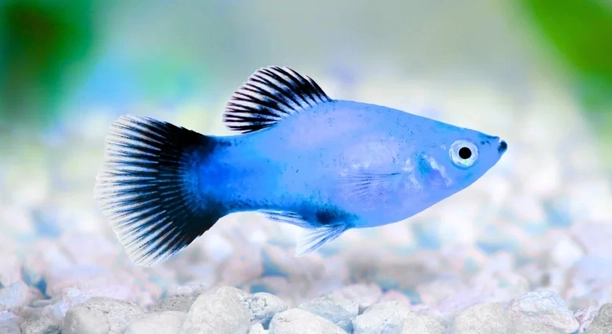
Community platies are popular freshwater fish known for their peaceful nature and easy care. Many hobbyists enjoy keeping them in community tanks with other small fish. However, tank fatigue can affect their health and behavior over time.
Tank fatigue in community platies occurs when waste, uneaten food, and toxins build up in the aquarium, leading to poor water quality. This stresses the fish, causing visible signs like lethargy, faded colors, and reduced appetite, which signal the need for tank maintenance.
Recognizing these signs early helps keep your platies healthy and your tank balanced for all its inhabitants.
Poor Water Quality
Poor water quality is the main cause of tank fatigue in community platies. Over time, waste from fish, leftover food, and decaying plants build up in the tank. This creates high levels of ammonia, nitrites, and nitrates, which are harmful to fish health. Even with regular water changes, a tank can accumulate toxins if it is overcrowded or if filtration is weak. Platies living in such conditions may become stressed, their immune systems weaken, and they become more prone to diseases. Maintaining clean water through consistent monitoring and proper filtration is essential. Testing water parameters regularly helps catch problems early. In addition, feeding the right amount and removing uneaten food reduces waste buildup. A well-maintained tank encourages healthier, more active platies with brighter colors. Taking small, steady steps to improve water quality makes a big difference in preventing tank fatigue.
Cleaning the tank regularly and checking water quality keeps platies safe from stress and illness.
Keeping water clean requires patience but is key to a healthy tank environment. Regular care helps fish thrive over time.
Lethargy and Reduced Activity
Lethargy and reduced activity are common signs that community platies are suffering from tank fatigue. When water conditions worsen, platies often lose their usual energy and spend more time resting at the bottom or hiding. This change in behavior shows that the fish are uncomfortable and possibly struggling to breathe in poor water. It is important to observe these shifts because they can lead to more serious health issues. Removing stressors and improving water conditions can help restore activity levels.
When platies become less active, they need immediate attention to prevent health decline.
Platies normally swim actively and explore their tank. If you notice they are sluggish or rarely moving, this signals tank fatigue. It’s best to test water quality and perform a thorough cleaning right away. Ensure filters are working well and avoid overfeeding. Also, avoid overcrowding, as it increases waste and stress. Providing plants and hiding spots can help fish feel safer and more comfortable. By addressing lethargy early, you support your platies’ recovery and long-term well-being. Regular observation of behavior is an easy way to catch problems before they worsen. Healthy, active platies are a sign of a well-maintained aquarium where tank fatigue has been kept under control.
Faded Colors
Faded colors in community platies often point to stress caused by poor tank conditions. When fish lose their vibrant hues, it’s a clear sign they’re not feeling well.
Color loss happens because stress affects platies’ immune systems and overall health. Toxins in the water, like ammonia and nitrites, interfere with their natural pigmentation. Inadequate nutrition or poor lighting can also dull their colors. When the environment is improved—through better water quality, proper feeding, and appropriate lighting—platies can regain their bright colors. Observing their color changes regularly helps identify if something is wrong in the tank.
It’s important to address fading colors quickly because it often signals underlying issues that may harm your fish. Healthy, colorful platies show that the tank is well cared for, while dullness warns that action is needed.
Loss of Appetite
Loss of appetite in platies is a common response to tank fatigue. When water quality is poor or stress is high, fish often stop eating normally.
A decrease in food intake weakens platies, making them vulnerable to illness. It’s crucial to check water parameters and make necessary changes when appetite drops. Sometimes, introducing high-quality, varied food can stimulate interest and improve health. Avoid overfeeding because leftover food worsens water quality. Monitoring feeding habits daily helps detect problems early and maintain balanced nutrition. When platies begin to eat regularly again, it’s a good sign they are recovering.
Encouraging proper feeding while fixing tank conditions supports platies’ return to health. Loss of appetite should never be ignored in a community tank.
Erratic Swimming
Erratic swimming is a clear sign of stress in community platies. Fish may dart quickly, swim in circles, or crash into tank decorations.
This behavior often indicates poor water quality or illness. It’s important to test the water and improve tank conditions immediately.
Gasping at the Surface
Gasping at the surface means platies are struggling to get enough oxygen. This usually happens when oxygen levels in the tank drop due to poor circulation or water quality. Improving aeration and performing water changes can help relieve this problem quickly.
Increased Hiding
Platies that hide more than usual may be feeling stressed or unwell. Hiding is a natural response to discomfort or threats in their environment.
Excessive hiding should not be ignored, as it signals the need to check tank conditions and fish health.
What causes tank fatigue in community platies?
Tank fatigue happens when waste products like ammonia, nitrites, and nitrates build up in the aquarium. Over time, uneaten food, fish waste, and decaying plants create toxins that stress platies. Poor filtration, overcrowding, and infrequent water changes make the problem worse. This toxic environment weakens fish health and behavior, causing signs like lethargy and faded colors. Maintaining clean water with regular testing and proper filtration helps prevent tank fatigue.
How often should I change the water to prevent tank fatigue?
Frequent water changes are key to keeping platies healthy. A good rule of thumb is to change about 20-30% of the tank water every week. This removes harmful waste and keeps water parameters stable. If the tank is crowded or filtration is weak, more frequent changes may be needed. Always use water treated to remove chlorine and match the tank temperature to avoid shocking the fish. Consistency in water changes prevents toxins from building up and reduces stress on your platies.
What signs indicate my platies are suffering from tank fatigue?
Common signs include lethargy, loss of appetite, faded colors, erratic swimming, gasping at the surface, and increased hiding. These behaviors show the fish are stressed or sick due to poor water quality. If you notice platies acting differently than usual, test the water immediately. Early detection helps prevent serious health problems and allows you to improve tank conditions before fish get worse.
Can tank fatigue cause diseases in platies?
Yes, tank fatigue weakens the immune system of platies, making them more vulnerable to diseases like fin rot, ich, and fungal infections. Poor water quality causes stress that lowers their resistance. Maintaining good water conditions and hygiene reduces the risk of disease outbreaks. If diseases do appear, treat the tank promptly and improve water quality to support recovery.
How can I improve water quality to reduce tank fatigue?
Start by performing regular water changes and cleaning the substrate to remove waste. Use a reliable filter suited to your tank size and clean it regularly without disturbing beneficial bacteria. Avoid overfeeding and remove leftover food quickly. Test water parameters often and adjust as needed. Adding live plants can help absorb toxins and improve oxygen levels. All these steps help keep water clean and reduce stress on your platies.
What role does feeding play in tank fatigue?
Overfeeding is a common cause of tank fatigue because uneaten food breaks down and releases harmful toxins. Feed your platies only what they can eat in a few minutes, once or twice a day. Providing high-quality, balanced food supports their health without polluting the tank. Reducing feeding amounts during stressful periods can also help maintain better water quality.
Is tank size important in preventing tank fatigue?
Yes, tank size matters. Smaller tanks accumulate waste faster and require more frequent maintenance. Overcrowding causes faster toxin buildup and increases stress. Platies need enough space to swim and thrive, so a larger tank with proper filtration is better for preventing tank fatigue. A minimum of 10 gallons for a small group is recommended.
What immediate steps should I take if I suspect tank fatigue?
Test the water for ammonia, nitrites, nitrates, and pH. Perform a partial water change to reduce toxins. Clean the tank by removing debris and checking your filter. Reduce feeding to limit waste production. Observe the fish closely for any changes in behavior or health. Improving tank conditions quickly helps platies recover and prevents further damage.
Can adding plants help with tank fatigue?
Live plants can improve tank health by absorbing nitrates and producing oxygen. They create a more natural environment that reduces stress for platies. Plants also provide hiding spots, which can help shy or stressed fish feel safer. However, plants alone won’t fix tank fatigue if water quality is poor, so they should be part of a complete care routine.
How do I know if my filter is working well enough?
A good filter should keep the water clear and free of debris. It needs to provide both mechanical and biological filtration. If you notice cloudy water, bad odors, or dead spots in the tank, the filter may not be functioning properly. Regular maintenance, such as rinsing filter media in tank water, keeps beneficial bacteria alive. Upgrading the filter might be necessary for larger or heavily stocked tanks.
Can tank fatigue affect other fish in a community tank?
Yes, tank fatigue impacts all fish in a community aquarium. Poor water quality stresses every inhabitant, increasing the risk of illness and aggressive behavior. Monitoring all fish closely and maintaining tank cleanliness benefits the entire community. Addressing tank fatigue quickly ensures a healthier environment for all species sharing the space.
Is it normal for platies to hide more when tank fatigue sets in?
Yes, platies often hide more when stressed or sick. Increased hiding helps them feel safe during uncomfortable conditions. However, too much hiding indicates poor tank conditions that need attention. Providing plenty of plants and decorations can reduce stress, but improving water quality is essential to solving the root problem.
What are some common mistakes that lead to tank fatigue?
Overfeeding, infrequent water changes, overcrowding, and poor filtration are the most common mistakes. Ignoring water testing and delaying tank cleaning also contribute. These habits cause toxins to build up, stressing fish and damaging their health. Developing a consistent maintenance schedule and monitoring water parameters help avoid these issues.
How long does it take for platies to recover from tank fatigue?
Recovery time depends on the severity of tank fatigue and the actions taken. With quick water changes, improved filtration, and proper care, platies can start showing signs of improvement within a few days to a week. Full recovery may take several weeks. Patience and consistent care are necessary to restore fish health completely.
Can adding aeration help with tank fatigue?
Yes, adding an air stone or increasing water movement improves oxygen levels, which is vital when platies gasp at the surface. Better oxygenation reduces stress and supports overall fish health. Aeration is especially helpful in tanks with heavy stocking or warm water, where oxygen levels tend to drop faster.
Are there specific water parameters I should maintain for community platies?
Platies thrive in water with a temperature between 70-78°F, pH around 7.0-8.0, and low ammonia and nitrite levels (ideally zero). Nitrates should be kept under 20 ppm. Regular testing and adjustments keep these parameters stable, reducing stress and tank fatigue risks.
What should I do if water tests show high ammonia or nitrites?
High ammonia or nitrites require immediate action. Perform a large partial water change (30-50%) to dilute toxins. Check and clean your filter media carefully to support beneficial bacteria. Avoid feeding until levels drop. Adding beneficial bacteria supplements can help speed up the biological filter recovery. Continue monitoring daily until levels return to safe limits.
How can I prevent tank fatigue in a new aquarium?
Start by cycling the tank before adding fish to establish beneficial bacteria that break down waste. Add fish slowly to avoid overloading the system. Maintain regular water tests, clean the tank, and perform water changes from the start. Feeding sparingly and using quality filtration also prevent early tank fatigue.
Is it okay to use chemicals to treat tank fatigue?
Chemical treatments can help reduce toxins temporarily but should not replace proper maintenance. Overuse of chemicals may harm beneficial bacteria and fish health. It’s better to focus on improving water quality through cleaning, water changes, and filtration. Chemicals should be used carefully and only when necessary.
What is the role of beneficial bacteria in preventing tank fatigue?
Beneficial bacteria break down harmful ammonia and nitrites into less toxic nitrates. They are essential for maintaining a stable and safe environment in the aquarium. Keeping these bacteria healthy by avoiding harsh cleaning and using biological filter media supports a balanced tank and prevents tank fatigue.
Can tank fatigue cause platies to die suddenly?
If tank fatigue is severe and left untreated, it can lead to sudden death. High toxin levels and low oxygen stress fish to the point of organ failure. Early detection and intervention are crucial to avoid fatal outcomes. Regular care reduces the risk of sudden losses in your tank.
Final Thoughts
Keeping community platies healthy takes attention to their environment. Tank fatigue is a common problem caused by the buildup of waste and toxins in the aquarium. When these harmful substances increase, platies become stressed and show signs like faded colors, loss of appetite, and unusual behavior. These signs are important signals that the tank needs care. Regular water testing and cleaning help maintain good conditions, which support the fish’s health and happiness.
Preventing tank fatigue means staying consistent with tank maintenance. Changing a portion of the water every week, cleaning the filter regularly, and not overcrowding the tank are simple but effective steps. Feeding platies the right amount of food also plays a big role in keeping the tank clean. Overfeeding leads to leftover food, which breaks down and pollutes the water. Watching your platies daily helps catch early changes in behavior or appearance, so you can fix problems before they get worse.
A healthy tank supports active and colorful platies, which makes the aquarium more enjoyable to watch. If you notice signs of tank fatigue, take quick action to improve water quality and reduce stress. Adding live plants and making sure the filter works well also help create a balanced environment. With regular care and attention, your community platies will thrive, showing off their bright colors and lively personalities for a long time.

Hello,
If you enjoy the content that we create, please consider saying a "Thank You!" by leaving a tip.
Every little bit helps us continue crafting quality advice that supports the health, happiness, and well-being of pets around the world, for pets of all shapes, sizes, and species.
We really appreciate the kindness and support that you show us!