
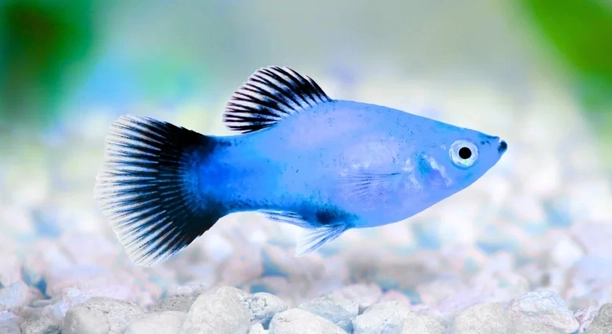
Are your platies gathering tightly in one corner of the tank, making you wonder about their behavior? This is a common observation among aquarium owners and can signal various environmental or social factors affecting the fish. Understanding why this happens is important for their wellbeing.
Platies piling up in one corner is often caused by factors such as poor water quality, lack of oxygen, or stress from overcrowding. These conditions lead fish to seek a spot where they feel safest or have better environmental conditions, affecting their distribution in the tank.
Knowing what causes this behavior helps in creating a healthier environment for your platies. The following information will guide you in identifying and addressing these common issues effectively.
Common Causes of Platies Clustering in One Corner
Platies often gather in one corner because of changes or problems in their tank environment. One major cause is poor water quality, which can make fish uncomfortable or stressed. If the water has too much ammonia or nitrites, platies might move away from the affected areas. Another reason is low oxygen levels, which usually happen if the tank lacks proper aeration or filtration. Fish will swim toward areas with better oxygen flow. Overcrowding can also lead to this behavior, as too many fish compete for space and resources, pushing some to seek refuge together. Additionally, sudden temperature changes can make platies stay in a corner to escape stress. Observing these factors carefully will help in pinpointing the exact reason for their clustering and allow you to take the right steps to fix it.
Monitoring water quality regularly and ensuring good tank maintenance are key to preventing this behavior.
Proper tank upkeep and balanced stocking levels can create a comfortable space where platies swim freely instead of crowding.
How to Improve Your Platies’ Environment
Improving your tank environment starts with checking water parameters such as ammonia, nitrite, nitrate, and pH. Use a reliable test kit to monitor these regularly. Changing a portion of the water weekly helps keep toxins low and maintains stable conditions. Make sure the filter is working well to provide clean water and sufficient oxygen. Adding an air stone or adjusting water flow can improve aeration. Avoid overcrowding by keeping the number of platies appropriate for your tank size; typically, one inch of fish per gallon is a good rule of thumb. Adding hiding spots like plants or decorations can reduce stress by giving platies places to retreat. Keeping the temperature steady between 72 and 78°F supports their health. These steps create a better habitat and reduce the chances of your platies gathering unnaturally in one area. Regular attention to these details ensures a peaceful tank environment for your fish.
Signs of Stress in Platies
Platies showing stress often exhibit unusual behavior such as clustering in one corner, gasping at the surface, or hiding more than usual. These signs indicate discomfort that should be addressed quickly to avoid health problems.
Stress in platies can result from poor water quality, sudden changes in temperature, or overcrowding. When stressed, their immune systems weaken, making them prone to diseases. It’s important to observe their behavior daily and check water parameters frequently. Providing a calm, stable environment with clean water, proper filtration, and enough space helps reduce stress. Adding plants or decorations offers shelter and security, encouraging natural behaviors and lessening anxiety among the fish.
Ignoring these signs can lead to more serious health issues, so taking immediate steps to improve their environment is crucial. Ensuring they have a balanced diet and reducing sudden disturbances will also support their wellbeing.
Adjusting Tank Conditions to Encourage Even Swimming
Maintaining stable tank conditions is key to preventing platies from crowding in one area. Regular water changes keep toxin levels low, and proper filtration ensures oxygen circulation. Temperature stability supports their natural activity levels and overall health.
You can also create gentle water movement using a filter or air stone to encourage platies to swim throughout the tank. Adding plants or decorations in different spots gives the fish places to explore and hide, spreading them out naturally. Avoid sudden changes in light or temperature, as these can stress the fish and cause clustering. Keeping the tank clean, well-aerated, and comfortable helps platies behave normally and stay healthy.
Monitoring Water Quality Consistently
Regular testing of water is essential for healthy platies. Checking ammonia, nitrite, nitrate, and pH levels helps catch problems early before they stress the fish.
Keeping water parameters within safe ranges prevents discomfort and promotes natural behavior. Consistent monitoring allows timely adjustments to maintain a stable environment.
The Role of Tank Size and Stocking Density
Tank size directly affects how platies behave. Small tanks with too many fish cause stress and crowding, leading to clustering in corners. Adequate space ensures better swimming freedom and reduces competition.
Experts recommend one inch of fish per gallon as a guideline. Overcrowding not only stresses fish but also strains filtration systems, impacting water quality and oxygen levels. Adjusting stocking density improves both fish health and tank cleanliness, encouraging more even distribution of platies.
Using Plants to Create Comfort Zones
Live plants provide shelter and improve water quality by absorbing toxins. They help platies feel safe and reduce stress.
Plants encourage natural hiding and exploring behaviors, preventing fish from gathering in one spot.
FAQ
Why do my platies stay in one corner instead of swimming around?
Platies often gather in one corner due to stress or unfavorable conditions. Poor water quality, low oxygen, or overcrowding can make them seek refuge where they feel safest. This behavior helps them conserve energy and avoid conflict, but it signals that the tank environment needs improvement.
How can I tell if the water quality is affecting my platies?
Signs of poor water quality include gasping fish, cloudy water, and unusual behavior like clustering. Testing the water for ammonia, nitrites, nitrates, and pH is the best way to identify problems. Keeping these parameters in safe ranges will help your platies stay healthy and active.
What is the best way to improve oxygen levels in my tank?
Adding an air stone or increasing water movement through filtration improves oxygen circulation. Proper aeration prevents fish from crowding near the surface or one corner, as they look for oxygen-rich spots. Regular maintenance of filters also ensures good water flow.
Can overcrowding cause my platies to pile up?
Yes, overcrowding stresses platies and limits their swimming space. Too many fish compete for resources and territory, causing them to gather in smaller areas. Ensuring the tank size matches the number of fish helps reduce stress and encourages more natural behavior.
How often should I change the water to keep platies comfortable?
Performing partial water changes of about 20-25% weekly helps maintain water quality by removing waste and toxins. Regular changes support stable conditions, which prevent platies from feeling stressed and clustering in corners.
Are certain tank decorations better for platies to prevent crowding?
Live plants and well-placed hiding spots provide comfort zones that reduce stress. These decorations break up the tank space and encourage platies to explore rather than stay grouped. Avoid overcrowding the tank with too many decorations, as this can limit swimming space.
What temperature is ideal for platies to stay active and healthy?
Platies thrive between 72°F and 78°F. Temperatures outside this range can cause stress and abnormal behavior. Using a reliable heater and thermometer ensures the tank stays stable, helping platies swim freely and avoid crowding.
Could illness cause platies to behave this way?
Yes, sick or injured platies may isolate themselves by clustering in one spot. Watch for other signs like loss of appetite, discoloration, or erratic swimming. Prompt treatment and improving tank conditions can help recovery.
Is feeding routine related to platies clustering?
Platies may gather if food is consistently offered in one place. While this is normal, uneven feeding spots can cause crowding. Distributing food evenly encourages movement and reduces stress in the tank.
How can I make sure my platies are happy and well-adjusted?
Maintain clean water, stable temperature, proper tank size, and good aeration. Provide hiding spots and avoid sudden changes. Observing their behavior daily helps catch issues early and keeps them comfortable and active.
When platies pile up in one corner of the tank, it usually points to something in their environment that needs attention. Factors like poor water quality, low oxygen levels, overcrowding, or stress can cause this behavior. By understanding these causes, you can take steps to create a healthier and more comfortable space for your fish. Proper care and regular maintenance help platies feel safe and encourage them to swim freely throughout the tank.
Maintaining a stable environment is key to preventing platies from gathering in one spot. This means regularly testing and changing the water, keeping the temperature steady, and ensuring good filtration and aeration. Avoid overcrowding by keeping the fish population appropriate for your tank size. Adding plants or decorations can provide hiding places and reduce stress, which helps platies spread out and behave naturally. Simple adjustments to the tank setup often make a big difference in their behavior and wellbeing.
Watching your platies closely and responding to their needs supports their health over time. When fish act unusually, like clustering in one corner, it’s a sign that something might be wrong. Addressing issues early with proper care improves their quality of life. Taking these steps creates a peaceful and balanced environment where your platies can thrive and show their natural colors and activity. This careful attention makes caring for platies more rewarding and enjoyable.

Hello,
If you enjoy the content that we create, please consider saying a "Thank You!" by leaving a tip.
Every little bit helps us continue crafting quality advice that supports the health, happiness, and well-being of pets around the world, for pets of all shapes, sizes, and species.
We really appreciate the kindness and support that you show us!