
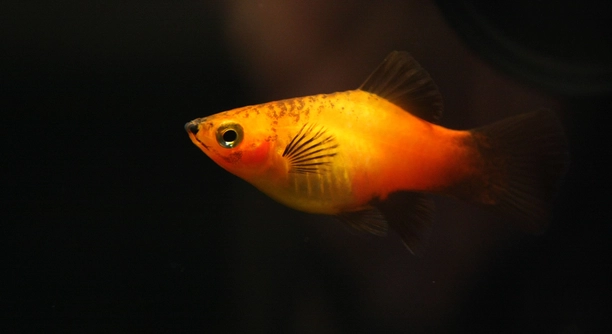
Many platies show shaking behavior right after they eat. This is a common observation among fish owners who keep these colorful freshwater fish. Understanding why this happens can help you care better for your pet platy.
Platies may shake after feeding due to mild stress or digestive activity. Shaking can result from the fish adjusting to food intake, changes in water conditions, or a natural response to the sensation of fullness. It is usually not a sign of serious illness.
Knowing what causes this behavior helps ensure your platy’s comfort and well-being. Learning more about their habits can improve your overall fish-keeping experience.
Why Do Platies Shake After Feeding?
Platies often shake right after they eat because their bodies are adjusting to the food. When they eat, their digestive system activates, causing some muscle movement that can look like shaking. This is a normal process and usually happens when the fish is feeling full or slightly uncomfortable from a new or large meal. Sometimes, the shaking is a reaction to water quality changes, like a small shift in temperature or pH levels. These changes can stress the fish a little, causing brief trembling. It’s also possible the fish is trying to get rid of leftover food or air bubbles that might have entered its mouth during feeding. If the shaking lasts only a short time and the platy behaves normally afterward, there is no need to worry. Keeping the tank clean and feeding small amounts more frequently can help reduce this shaking behavior.
Shaking that happens immediately after feeding and lasts just a few seconds is usually harmless. It shows the fish is simply adjusting to eating.
If the shaking continues for a long time or is accompanied by other signs like loss of appetite or changes in swimming, it might be a sign of illness. In that case, checking the tank’s water quality and temperature is important. You should also observe if the fish is eating normally or if it seems stressed by other factors. Sometimes parasites or infections can cause shaking, but these cases usually come with other symptoms like spots, redness, or unusual swimming patterns. Maintaining stable water conditions and providing a balanced diet can prevent many problems. Feeding small portions several times a day rather than one big meal helps reduce stress on the fish’s digestive system.
How to Help Your Platy Feel Comfortable After Feeding
Maintaining clean water is key to keeping your platy healthy and reducing shaking after meals. Regular water changes help keep the environment stable, which lowers stress for your fish. Make sure the tank’s temperature and pH are consistent and suitable for platies, typically around 72-78°F and a pH of 6.8 to 7.8. Also, feeding smaller portions spread throughout the day helps prevent overfeeding, which can cause discomfort and shaking. Watching your fish closely after meals allows you to notice changes quickly and act if needed. Providing a balanced diet with high-quality flakes or pellets and occasional live or frozen foods supports good digestion. If shaking persists or other symptoms appear, testing water quality and consulting a vet or aquatic specialist can be necessary.
To keep your platy happy, focus on steady care and good feeding habits.
When platies feel comfortable in their environment, they show less shaking after feeding. Offering small meals more often helps avoid digestive stress. Regular tank maintenance reduces sudden changes in water conditions that may trigger shaking. It is also helpful to avoid feeding foods that cause bloating or gas, such as certain frozen or live foods if not introduced gradually. Keeping a stable environment with a proper diet supports healthy digestion and minimizes shaking. If your platy shakes only briefly after eating, it is likely a normal adjustment. However, if shaking worsens or your fish shows other signs of illness, it’s best to act quickly. Early detection of problems can prevent more serious health issues and keep your fish swimming happily.
Common Causes of Shaking in Platies
Shaking after feeding can happen for several reasons beyond digestion. Stress from water quality, temperature changes, or sudden movements often causes trembling. Overfeeding or eating spoiled food may also lead to discomfort and shaking.
Poor water conditions affect a platy’s health quickly. Ammonia, nitrites, or nitrates in the tank can irritate the fish, causing shaking or erratic movements. Sudden temperature shifts stress their system. If you notice shaking, test the water immediately. Make sure filters work properly and avoid overcrowding the tank. Stress weakens the immune system, making fish more prone to illness.
Another factor is diet. Overfeeding or feeding the wrong type of food can cause bloating or digestive upset. Platies need balanced nutrition with high-quality flakes or pellets. Introducing new foods slowly prevents sudden stomach issues. Feeding too much at once overloads their digestive system, often leading to shaking or loss of balance.
When to Be Concerned About Your Platy’s Shaking
If shaking is constant or comes with other symptoms, action is needed. Look for signs like lethargy, loss of appetite, or unusual swimming patterns. These may indicate illness.
Shaking paired with white spots, redness, or swelling often means an infection or parasite. Early treatment improves recovery chances. Test water parameters immediately to rule out poor conditions. Observe your fish for several days to see if symptoms worsen. In severe cases, quarantine affected fish to prevent spread. Seeking advice from an aquatic vet can be necessary. Consistent shaking combined with other health issues should never be ignored, as it can signal serious problems.
Preventing Shaking in Your Platy
Maintaining stable water conditions is key to preventing shaking. Regularly check temperature, pH, and cleanliness to keep your platy comfortable. Avoid sudden changes in the tank environment.
Feed small, balanced meals to prevent digestive stress. Overfeeding can cause shaking due to discomfort or bloating. Consistency helps your fish feel secure and healthy.
Proper Feeding Habits for Platies
Feed your platy small amounts two to three times a day instead of one large meal. Use high-quality flakes or pellets designed for tropical fish, supplemented with occasional frozen or live foods like brine shrimp. Avoid overfeeding, which can cause bloating and stress. Removing uneaten food promptly helps maintain water quality and reduces risks of illness. Feeding slowly allows your platy to digest properly and prevents shaking related to digestive issues.
Signs of Digestive Issues
Watch for bloating, loss of appetite, or unusual swimming after feeding. These can indicate digestive problems in your platy.
FAQ
Why does my platy shake only after feeding?
Platies often shake after eating because their body is adjusting to food intake. Digestive activity causes muscle movements that look like shaking. It can also be a mild stress response to feeling full or slight changes in water conditions after feeding. Usually, this shaking is brief and not a cause for concern.
Is shaking always a sign of illness in platies?
No, shaking is not always a sign of illness. Sometimes, it is a normal reaction to eating or changes in the environment. However, if shaking lasts a long time or is combined with other symptoms like loss of appetite, discoloration, or erratic swimming, it could indicate health problems that need attention.
Can water quality affect my platy’s behavior after feeding?
Yes, poor water quality often causes stress that leads to shaking. High levels of ammonia, nitrites, or nitrates irritate fish and can cause trembling. Sudden changes in temperature or pH can also make a platy uncomfortable. Regular water testing and maintenance help prevent these issues.
How can I tell if my platy is overfed?
Overfed platies may show shaking, bloating, sluggish movement, or refuse to eat more food. Uneaten food in the tank can also signal overfeeding. Feeding small portions multiple times a day rather than one large meal reduces the risk of digestive upset and shaking.
What foods are best to feed my platy to avoid shaking?
High-quality tropical fish flakes or pellets should be the main diet. Supplementing with small amounts of frozen or live foods like brine shrimp or daphnia adds nutrition without upsetting digestion. Avoid feeding foods that cause gas or bloating. Introduce new foods gradually.
How often should I feed my platy?
Feeding your platy two to three small meals a day is better than one big meal. This helps their digestive system process food smoothly and reduces stress. Remove any uneaten food after feeding to keep the tank clean.
Is shaking after feeding more common in young or adult platies?
Shaking can happen in both young and adult platies, but younger fish may be more sensitive to diet changes or water conditions. Adults are usually more stable unless stressed by poor environment or illness.
When should I consider seeing a vet for my platy?
If shaking persists for several days, worsens, or comes with other symptoms like sores, white spots, or loss of appetite, consult an aquatic veterinarian. Early diagnosis helps prevent serious diseases.
Can temperature fluctuations cause shaking after feeding?
Yes, sudden changes in water temperature can stress platies and cause shaking. Maintaining a stable temperature between 72°F and 78°F is important. Use a reliable heater and thermometer to monitor conditions.
Does tank size affect shaking behavior?
A cramped tank can increase stress, leading to shaking or erratic behavior. Platies need enough space to swim comfortably. A minimum of 10 gallons per few fish is recommended to maintain a healthy environment.
Are there any tank mates that might cause my platy to shake?
Aggressive or overly active tank mates can stress platies, causing shaking after feeding. Choose peaceful fish that get along well with platies to reduce stress-related behaviors.
How can I reduce shaking caused by feeding?
Feed smaller portions, maintain water quality, avoid sudden environmental changes, and choose the right diet. Regular monitoring of your fish’s behavior helps catch problems early.
Is it normal for platies to shake occasionally, even without feeding?
Occasional shaking without feeding might be normal if brief. However, frequent shaking could indicate stress, poor water quality, or disease and should be investigated.
Can shaking lead to other health problems?
Shaking itself is rarely harmful, but it can be a sign of stress or illness. Prolonged stress weakens the immune system, increasing susceptibility to infections or parasites.
What is the best way to clean my platy’s tank to prevent shaking?
Perform regular water changes of 20-30% weekly, clean filters, and remove uneaten food and debris. Testing water parameters ensures a stable, healthy environment, reducing stress and shaking.
How do I introduce new food to prevent shaking?
Introduce new foods slowly, mixing small amounts with familiar diet. Watch your platy for any signs of discomfort or shaking during the transition and adjust as needed.
Can shaking be caused by parasites?
Yes, parasites such as ich can cause shaking along with white spots or scratching behavior. Early detection and treatment are important to prevent spreading.
Does the time of day affect platy shaking after feeding?
Platies are usually more active during daylight. Feeding at consistent times helps establish a routine, reducing stress and shaking associated with unpredictability.
Is shaking more common after feeding certain types of food?
Yes, feeding heavy, rich, or gas-producing foods can cause digestive discomfort and shaking. A balanced diet with proper portion size reduces this risk.
Can stress from moving or handling cause shaking?
Yes, handling or moving fish can cause stress and shaking. Minimize disturbance and allow fish to settle in a stable environment for best health.
When your platy shakes after feeding, it’s usually a normal response to eating or small changes in its environment. This shaking often happens because the fish’s body is adjusting to the food or mild changes in water conditions like temperature or pH. Most of the time, this behavior is brief and does not mean there is a serious problem. Paying attention to your platy’s regular habits can help you notice if the shaking changes or lasts longer than usual. Watching your fish closely after meals is a simple way to make sure it stays healthy and comfortable.
Taking good care of your platy’s environment is one of the best ways to reduce shaking after feeding. Keeping the tank clean and maintaining stable water conditions are key factors. Testing the water regularly for ammonia, nitrites, nitrates, pH, and temperature helps prevent sudden changes that stress fish. Feeding your platy smaller meals several times a day instead of one big feeding also supports its digestion and reduces discomfort. A balanced diet with quality fish food keeps your platy healthy and less likely to have digestive issues that cause shaking. Avoiding overfeeding and removing uneaten food quickly will keep the tank water clean and safe for your fish.
If you notice shaking that lasts a long time or comes with other signs like changes in color, loss of appetite, or unusual swimming, it’s important to take action quickly. These symptoms could point to illness or poor water quality. Early detection makes treatment easier and improves your platy’s chance of recovery. Consulting with an aquatic vet or experienced fish keeper can provide guidance if problems arise. Overall, keeping your platy in a stable, clean, and well-fed environment will help reduce shaking and keep your fish happy and healthy for a long time.

Hello,
If you enjoy the content that we create, please consider saying a "Thank You!" by leaving a tip.
Every little bit helps us continue crafting quality advice that supports the health, happiness, and well-being of pets around the world, for pets of all shapes, sizes, and species.
We really appreciate the kindness and support that you show us!