
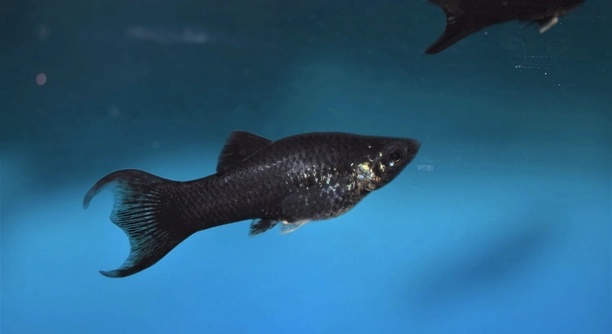
Many fish owners enjoy keeping Black Mollies because of their striking appearance and peaceful nature. Observing their behaviors can be both fascinating and rewarding, especially when trying to understand their mating readiness and social interactions.
Black Mollies display readiness to mate through specific behavioral and physical signs. These include changes in coloration, frequent swimming near mates, increased activity, fin displays, and specific movements indicating reproductive preparedness, which collectively signal optimal conditions for breeding.
Recognizing these signs will help you maintain a healthy environment for your Black Mollies and support successful breeding outcomes.
Increased Swimming Activity
When a Black Molly is ready to mate, one of the most noticeable changes is in its swimming behavior. You may observe the fish moving more actively around the tank than usual, often darting from one area to another. This heightened activity is often paired with frequent circling around potential mates. Black Mollies may also patrol specific sections of the aquarium more aggressively, marking territories subtly while displaying interest in nearby females. These movements are not random but are part of their natural mating rituals. Owners often notice that the fish will swim close to glass or decorations repeatedly, almost as if demonstrating vigor and strength. Over time, consistent observation of this pattern can help confirm that the fish is in breeding condition. While it may seem like simple hyperactivity, this behavior is a reliable indicator when combined with other mating signs.
Increased swimming activity signals reproductive readiness in Black Mollies, highlighting their alertness and interest in potential mates. Monitoring this behavior can indicate optimal breeding timing.
Noticing these activity patterns allows you to provide the right environment and conditions for mating. Adjusting tank setup, ensuring water quality, and separating males and females temporarily can make the process smoother. Watching their interactions helps you understand which fish are most compatible, ensuring a better chance of successful reproduction while keeping the aquarium balanced and healthy.
Color Changes
Color changes are a clear sign that a Black Molly is ready to mate. Their normally consistent coloration may intensify, with males often displaying darker or more vivid shades. These visual cues signal fitness to potential mates.
Color changes in Black Mollies communicate reproductive readiness and social status, helping females select appropriate partners for breeding.
Observing color shifts requires careful attention. Males often darken along the body and fins, while females may develop subtle changes in their belly or sides. These changes are temporary but significant during mating periods. Color intensity is affected by diet, tank lighting, and overall health, so maintaining optimal conditions can enhance visibility of these changes. Recognizing these shifts allows you to anticipate mating behaviors and prepare the tank accordingly. By understanding how coloration signals readiness, you can ensure that compatible pairs are matched, minimizing aggression and stress in the aquarium. This insight also helps with long-term breeding management, as it provides cues for timing and environmental adjustments to support healthy reproduction.
Fin Displays
Fin displays are a strong signal that a Black Molly is ready to mate. Males often spread their dorsal and caudal fins fully, showing off size and coloration to attract females. These displays are deliberate and frequent during mating periods.
Males use fin displays as a visual cue to communicate health and dominance. By spreading their fins, they appear larger and more appealing to females. This behavior also serves to warn other males and reduce physical confrontations. Fin flaring is often accompanied by circling movements around females, signaling interest. Observing these patterns over time can help identify which males are actively courting, allowing better management of tank dynamics. Providing sufficient space ensures males can perform displays without causing stress or overcrowding, supporting a calmer environment during breeding attempts.
Female Black Mollies also respond to fin displays by positioning themselves near males or showing subtle movements that indicate receptiveness. These interactions can last several minutes, and repeated displays signal peak mating readiness. Monitoring these behaviors allows you to understand pair compatibility and plan tank arrangements that facilitate successful reproduction. Ensuring plants or decorations are present gives both males and females areas to hide or rest, reducing stress while encouraging natural mating behavior. Regular observation of fin displays gives clear insight into reproductive activity and helps maintain harmony in a mixed-sex aquarium.
Frequent Nipping and Chasing
Frequent nipping and chasing are common behaviors when Black Mollies are ready to mate. Males pursue females persistently, sometimes lightly nipping to get attention or encourage movement.
These chasing behaviors are part of natural courtship. Males swim quickly after females, nudging or circling them to prompt readiness. Although it may seem aggressive, this is usually harmless. Chasing helps establish mating patterns, and females often respond by slowing down or changing direction, guiding males toward appropriate breeding positions. Careful observation is necessary to ensure the behavior does not escalate into stress. Maintaining a well-planted tank with open swimming spaces helps manage activity levels while allowing natural courtship.
Over time, repeated chasing interactions show which males are most active and persistent. Observing these patterns also reveals female responses, which indicate readiness to mate. Females that consistently tolerate or follow males during chases are typically in prime reproductive condition. Monitoring these behaviors helps in planning breeding setups, including temporary separation of overly aggressive males or providing extra hiding spots for females. This ensures both sexes remain healthy and reduces risks of injury or prolonged stress, supporting a balanced environment for successful mating.
Swelling of the Belly
A female Black Molly’s belly often swells when she is ready to mate. This change is most noticeable near the lower abdomen and signals that she is carrying eggs.
The swelling indicates reproductive maturity and readiness for fertilization. Observing this helps identify the best timing for breeding and ensures males can interact safely without causing stress.
Increased Interaction Between Males and Females
Males and females often spend more time together when the female is ready to mate. Males follow females closely, and females may remain nearby, showing subtle acceptance of their presence. These interactions are consistent and purposeful, not random.
Close observation reveals patterns in how males court females. Persistent swimming alongside and gentle nudges indicate interest and readiness. Females respond with small movements or pauses, signaling willingness to engage. Recognizing these interactions helps create a suitable environment for mating, allowing both sexes to interact safely while minimizing stress and aggression.
Rapid Gill Movement
Rapid gill movement can occur in Black Mollies during mating readiness. This indicates increased oxygen demand and heightened activity levels.
FAQ
How can I tell if my Black Molly is ready to mate?
There are several signs that indicate a Black Molly is ready to mate. Look for changes in behavior and appearance. Males often display their fins fully, swim actively, and chase females around the tank. Females may show a swollen belly and remain close to males, signaling receptiveness. Color changes are another key indicator; males may darken or intensify their coloration, and females may show subtle shifts along the sides or belly. Observing these behaviors together gives the most reliable indication of mating readiness.
Do Black Mollies need special conditions to mate successfully?
Yes, the environment plays a crucial role in breeding. Maintain clean, well-filtered water with stable temperature and pH. Adding plants or decorations provides hiding spots and reduces stress during courtship. A balanced diet rich in protein helps prepare both males and females for reproduction. Providing a slightly higher temperature within their comfort range can also stimulate mating behavior. Space is important—avoid overcrowding, as it can increase aggression and reduce successful mating chances. Separating aggressive males temporarily can help maintain a calm environment.
How long does it take for Black Mollies to show mating behavior?
Mating readiness can appear gradually over several days to weeks, depending on age, health, and tank conditions. Males may start showing fin displays and chasing females consistently before females fully respond. Females’ bellies swell over time, and color changes become more noticeable. Watching for consistent patterns rather than single instances is important. Once males and females interact regularly, actual mating can occur within days. Maintaining optimal water quality and a stress-free environment accelerates this process and ensures both sexes are prepared for successful reproduction.
Can one male mate with multiple females at the same time?
Yes, male Black Mollies can court multiple females simultaneously. Males often display fins and chase several females around the tank, trying to establish reproductive connections. However, not all females may be receptive at the same time. Careful observation is needed to prevent excessive stress or aggression. Ensure there is enough space and hiding spots for females to escape if needed. Rotating males or temporarily separating less active females can improve breeding success and reduce injuries. Providing multiple females for one male can encourage more natural interactions and increase the chances of successful mating.
What should I do if females seem stressed during mating attempts?
Stress in females can result from overly aggressive males or overcrowding. If you notice hiding, rapid gill movement, or frantic swimming, it’s important to take action. Reduce male-female interaction temporarily by separating males or adding additional hiding spaces. Plants, rocks, or other decorations can provide areas where females can rest and recover. Monitor water quality closely, as poor conditions increase stress. Once females appear calm, reintroduce males gradually. Managing stress ensures females remain healthy and more likely to mate successfully.
How can I increase the chances of successful mating?
Providing optimal tank conditions is the most effective way to support mating. Maintain stable water temperature, clean water, and adequate space. Feed both males and females a nutrient-rich diet to support reproductive health. Observe interactions to identify compatible pairs, and consider separating aggressive males if necessary. Plants and hiding spots allow natural courtship while reducing stress. Gradually adjusting environmental factors, such as slightly raising temperature, can stimulate reproductive behaviors. Regular observation and adjustments based on fish behavior help ensure higher chances of successful breeding.
Will all mating attempts result in pregnancy?
Not every mating attempt results in pregnancy. Female Black Mollies are livebearers, and conception depends on timing and health. Even if males display strong courtship behaviors, stress, poor diet, or suboptimal water conditions can prevent successful fertilization. Observing multiple signs, including belly swelling and receptiveness, increases the likelihood of success. Providing consistent care and a calm environment supports both mating behavior and overall reproductive health, but occasional unsuccessful attempts are normal in natural breeding cycles.
How long after mating do Black Mollies give birth?
Female Black Mollies typically carry fry for about 4 to 6 weeks before giving birth. The exact timing can vary depending on age, health, diet, and tank conditions. During this period, maintaining stable water quality and reducing stress is important. Providing plants or breeding boxes can protect fry when born, giving them space to hide and survive. Monitoring females closely allows preparation for fry arrival, including separating them from adults if necessary. Patience and careful observation during this period help ensure healthy offspring and support the natural reproductive cycle of Black Mollies.
Can I tell the gender of Black Mollies easily?
Yes, males and females can be distinguished by physical traits. Males have a pointed anal fin called a gonopodium used for mating, while females have a rounded anal fin. Males are generally smaller and more colorful, often displaying fins more prominently. Females have a larger, fuller body, especially when carrying eggs or fry. Observing behavior also helps; males actively chase and court females, while females respond subtly. Understanding these differences aids in managing breeding pairs and ensuring proper tank dynamics.
Black Mollies are fascinating fish to keep, and understanding their mating behavior can make caring for them more rewarding. Observing the subtle and obvious signs that a Black Molly is ready to mate helps ensure that you are providing the best possible environment for them. Paying attention to changes in behavior, such as increased swimming activity, chasing, and fin displays, is essential. These behaviors are natural parts of their reproductive cycle and indicate that the fish are healthy and ready to breed. By recognizing these cues, you can better manage your tank and support successful mating without causing unnecessary stress to your fish.
Physical signs are equally important when monitoring Black Mollies for mating readiness. Color changes and swelling in females’ bellies are clear indicators that the fish are in a reproductive state. Males may darken or show more intense coloration, while females develop a fuller abdomen as they carry eggs. Watching for these visual cues alongside behavioral changes provides a complete picture of mating readiness. Understanding these signs allows you to adjust the tank conditions, such as providing extra hiding spots, maintaining clean water, and offering a balanced diet. By doing this, you create a safe and supportive environment where both males and females can interact naturally, increasing the likelihood of successful breeding.
Managing your Black Mollies during their mating period requires careful observation and patience. Ensuring that males do not become too aggressive and that females have space to move freely is important to prevent stress and injury. Providing plants or decorations gives the fish areas to hide and rest, which encourages natural behaviors without forcing interactions. Monitoring the water quality, feeding appropriately, and keeping the tank temperature stable all play a role in maintaining a healthy environment. By paying attention to both the physical and behavioral signs, you can support the reproductive cycle of your Black Mollies effectively. Over time, this attention will help you maintain a thriving aquarium where the fish are healthy, active, and able to reproduce successfully. Understanding these patterns not only improves your care routine but also makes the experience of keeping Black Mollies more enjoyable and rewarding.

Hello,
If you enjoy the content that we create, please consider saying a "Thank You!" by leaving a tip.
Every little bit helps us continue crafting quality advice that supports the health, happiness, and well-being of pets around the world, for pets of all shapes, sizes, and species.
We really appreciate the kindness and support that you show us!