
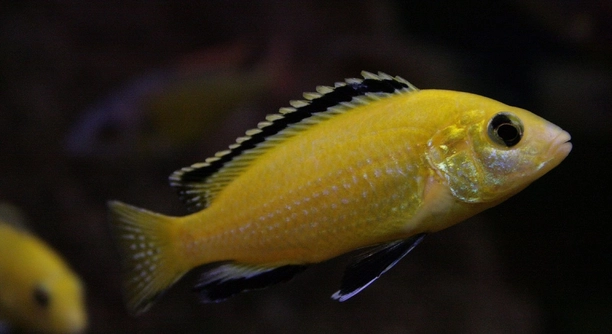
Cloudy eyes in African cichlids can be a sign that something is affecting their health. Many fish owners notice this issue and want to understand the possible causes. It can be concerning when these vibrant fish show signs of distress.
Cloudy eyes in African cichlids are commonly caused by bacterial or fungal infections, poor water quality, physical injury, or nutritional deficiencies. These factors can lead to inflammation or damage to the eye’s surface, impairing vision and overall fish health.
Knowing what leads to cloudy eyes helps fish owners take better care of their cichlids. Identifying the root cause is essential for proper treatment and prevention in the future.
Causes of Cloudy Eyes in African Cichlids
Cloudy eyes in African cichlids often result from several common issues. Poor water quality is one of the main factors. When the tank water has high ammonia, nitrite, or nitrate levels, it can irritate the fish’s eyes and lead to cloudiness. Bacterial and fungal infections are also frequent causes. These infections may develop when the fish’s immune system is weakened or if the water conditions are not ideal. Physical injury, such as rubbing against sharp decorations or tank walls, can damage the eye surface, causing it to appear cloudy. Nutritional deficiencies, especially a lack of vitamin A, can affect eye health as well. All these factors may occur alone or together, contributing to the problem. Regular monitoring and care of tank conditions are essential to keep the fish healthy and prevent eye issues.
Infections and injuries cause swelling or damage, leading to the cloudy appearance in the eyes.
Proper tank maintenance and balanced nutrition help reduce these risks and support clear vision in cichlids.
How Water Quality Affects Eye Health
Water quality plays a critical role in the health of African cichlids’ eyes.
High levels of toxins like ammonia and nitrites can damage the fish’s eyes and cause irritation. If these substances build up, the fish’s natural defenses weaken, making infections more likely. Sudden changes in water parameters, such as pH or temperature, can also stress the fish, affecting eye health. Poor filtration or infrequent water changes allow waste and harmful bacteria to accumulate. This environment creates favorable conditions for infections that cause eye cloudiness. Maintaining clean water with regular testing and adjustments reduces these risks significantly. Ensuring stable and suitable water conditions keeps the fish comfortable and supports their overall well-being, including clear eyes.
Regular water changes, a good filtration system, and avoiding overcrowding all contribute to maintaining ideal water quality. Being attentive to these details makes a noticeable difference in preventing cloudy eyes. Caring for African cichlids includes consistent water care, which is essential to keep their eyes healthy and clear.
Bacterial and Fungal Infections
Bacterial and fungal infections are frequent reasons for cloudy eyes in African cichlids. They thrive in poor water conditions or when fish are stressed.
Bacteria and fungi can invade the eye’s surface, causing inflammation and cloudiness. These infections often appear after injuries or if the immune system is weak. Without treatment, infections may worsen, potentially leading to vision loss or more serious health problems. Early detection and treatment are important to prevent complications.
Antibiotics or antifungal medications are commonly used to treat these infections. It is also essential to improve water quality and reduce stress to support healing. Quarantining affected fish can prevent the spread of infection to others in the tank. Maintaining a clean environment reduces the chances of these issues occurring.
Nutritional Deficiencies and Eye Health
A lack of proper nutrients, especially vitamin A, can cause cloudy eyes in African cichlids. Nutritional deficiencies weaken eye tissues and reduce the fish’s ability to fight infections.
Feeding a varied diet with high-quality pellets, frozen, or live foods helps provide the necessary vitamins and minerals. Poor diets often lead to health problems beyond just cloudy eyes. Over time, these deficiencies can cause permanent eye damage or other health issues. Supplements may be needed if the diet is insufficient.
Ensuring a balanced diet helps maintain the immune system and promotes healthy eye function. Fish that receive proper nutrition tend to recover faster from eye problems and show better overall health. Regularly reviewing and adjusting the diet is a good practice for long-term well-being.
Physical Injuries
Physical injuries to the eyes can cause cloudiness in African cichlids. These injuries often happen when fish bump into sharp decorations or other tank objects.
Aggressive tank mates may also cause eye damage during fights. Preventing injury involves careful tank setup and monitoring fish behavior to reduce stress and harm.
Signs to Watch For
Cloudy eyes often come with other symptoms like redness, swelling, or visible spots on the eye. Fish may also show unusual behavior, such as rubbing against surfaces or decreased activity.
Observing these signs early allows for quicker treatment and better chances of recovery. Regular checks are important to keep cichlids healthy and comfortable.
Treatment Options
Treatment depends on the cause. For infections, medications like antibiotics or antifungals are necessary. Improving water quality and nutrition supports recovery.
In cases of injury, isolating the fish and keeping water clean helps prevent infection and promotes healing.
Prevention Tips
Good water maintenance, balanced nutrition, and gentle tank mates are key to preventing cloudy eyes. Regular monitoring of water parameters and fish health reduces risks.
FAQ
What causes cloudy eyes in African cichlids?
Cloudy eyes usually happen due to bacterial or fungal infections, poor water quality, physical injuries, or nutritional deficiencies. Each of these factors can damage the eye’s surface or weaken the fish’s immune system, leading to the cloudy appearance.
How can I tell if my cichlid’s eyes are cloudy due to infection?
If your fish’s eyes look cloudy along with redness, swelling, or white spots, it is likely an infection. Other signs include rubbing against tank objects and a decrease in activity or appetite. Immediate treatment is important to prevent worsening.
Can poor water quality cause cloudy eyes quickly?
Yes, poor water quality can cause eye cloudiness relatively fast. High levels of ammonia, nitrites, or nitrates irritate the eyes and damage tissues. Sudden changes in pH or temperature can also stress fish, making them more vulnerable to infections.
What should I do if my cichlid has cloudy eyes?
First, test your water quality and improve it if needed. Then, isolate the affected fish if possible. Treat infections with the appropriate medication, such as antibiotics or antifungals. Keep the tank clean and maintain a balanced diet to support healing.
Is cloudy eye always a sign of illness?
Not always. Sometimes cloudy eyes can result from minor injuries or temporary irritation due to poor water conditions. However, if cloudiness persists or worsens, it usually indicates an underlying problem that requires attention.
How long does it take for cloudy eyes to clear up?
Recovery time depends on the cause and treatment. Mild irritation may clear up within a few days. Infections or severe injuries can take one to two weeks or longer with proper care and medication. Consistency in treatment and water care is essential.
Can cloudy eyes be prevented?
Yes. Preventing cloudy eyes involves maintaining good water quality, feeding a nutritious diet, avoiding aggressive tank mates, and providing a safe environment free from sharp objects that could cause injury. Regular observation helps catch problems early.
Are cloudy eyes contagious to other fish?
If caused by infectious bacteria or fungi, cloudy eyes can spread to other fish. Quarantining affected fish and treating infections promptly helps prevent transmission. Good hygiene and tank maintenance also reduce the risk.
Should I remove decorations if my fish has cloudy eyes?
If physical injury is suspected, removing or smoothing sharp decorations can help prevent further damage. Providing open swimming space and soft substrates reduces the chance of eye injuries.
Can cloudy eyes affect my cichlid’s vision permanently?
If untreated, infections or injuries can cause permanent damage to the eyes and affect vision. Early detection and proper care increase the chances of full recovery and preserve the fish’s sight.
Is it safe to use medications in a community tank?
Some medications can harm sensitive fish or invertebrates. Always check the medication label and consider isolating the affected fish in a quarantine tank for treatment to avoid risks to other tank inhabitants.
How often should I check water parameters to prevent cloudy eyes?
Testing water at least once a week is recommended. More frequent testing may be needed in new setups or tanks with sensitive species. Maintaining stable and clean water conditions helps prevent many health issues, including eye problems.
Can stress cause cloudy eyes in African cichlids?
Yes, stress weakens the immune system, making fish more prone to infections and eye issues. Stress can result from overcrowding, aggressive tank mates, poor water quality, or sudden changes in the environment. Managing stress is key to fish health.
What foods help improve eye health in cichlids?
Foods rich in vitamins A and E, such as high-quality pellets, frozen bloodworms, and vegetables, support eye health. A balanced diet boosts the immune system and aids recovery from eye problems. Supplements can be added if deficiencies are suspected.
Can cloudy eyes be a sign of aging?
In some cases, older fish may develop cloudy eyes as part of the natural aging process. However, it is important to rule out disease or injury, as these causes are more common and treatable. Regular health monitoring remains important regardless of age.
Final Thoughts
Cloudy eyes in African cichlids can be an unsettling sign for any fish keeper. It often points to underlying issues such as infections, water quality problems, injuries, or nutritional gaps. Recognizing the cause is important because each situation requires a specific approach to care and treatment. Keeping a clean, well-maintained tank and providing a balanced diet are the first and most effective steps to help prevent cloudy eyes. These basic measures not only support eye health but also improve the fish’s overall well-being and longevity.
When cloudy eyes do appear, it is important to act promptly. Testing the water quality and making necessary adjustments can stop further damage caused by harmful chemicals or imbalanced conditions. If infections are present, appropriate medication can clear them up, but it is vital to follow treatment instructions carefully to avoid stressing the fish further. Injuries require extra attention to tank setup and environment, ensuring sharp objects are removed and aggressive tank mates are managed. Supporting your cichlid’s immune system through good nutrition also helps them recover more quickly and prevents future problems.
Regular observation and care are key to managing cloudy eyes and other health concerns in African cichlids. Watching for early signs of illness allows for quicker responses and better chances of recovery. Maintaining stable water parameters, feeding a varied diet, and providing a safe environment reduce the risk of many common problems. While cloudy eyes can seem alarming, they often have straightforward causes and solutions. Consistent care and attention ensure your cichlids remain healthy, active, and beautiful members of your aquarium.

Hello,
If you enjoy the content that we create, please consider saying a "Thank You!" by leaving a tip.
Every little bit helps us continue crafting quality advice that supports the health, happiness, and well-being of pets around the world, for pets of all shapes, sizes, and species.
We really appreciate the kindness and support that you show us!