
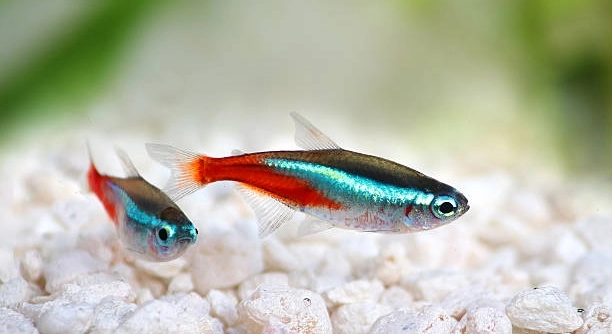
Keeping a Tetra tank clear can sometimes feel challenging, especially when water turns cloudy or algae starts to build up. Many fish owners want their tanks to look pristine and healthy without spending too much time on complicated cleaning routines.
Maintaining crystal-clear water in a Tetra tank involves regular cleaning, balanced feeding, efficient filtration, and monitoring water parameters consistently. These practices reduce waste buildup and prevent algae growth, ensuring a clean and healthy environment for your fish.
This article shares practical steps that make tank maintenance easier and more effective for lasting clarity.
Regular Water Changes
Performing regular water changes is essential to keeping your Tetra tank clear. Changing about 20-30% of the water weekly helps remove accumulated waste and toxins that cloud the water. It also replenishes essential minerals and balances the water chemistry. Skipping water changes can cause nitrate and phosphate levels to rise, encouraging algae growth. Use a gravel vacuum during water changes to clean debris trapped in the substrate. This prevents leftover food and fish waste from decomposing and affecting water clarity. Always treat tap water with a water conditioner before adding it to the tank to remove chlorine and chloramine. Maintaining a consistent schedule for water changes supports a healthy environment, reduces stress on your fish, and keeps the tank visually appealing.
Regular water changes help maintain balanced water conditions and reduce waste buildup, which supports clear water.
Consistent water changes improve water quality and fish health. This simple step is the foundation of tank maintenance. When done regularly, it prevents cloudiness and keeps algae under control, making your tank look fresh and inviting.
Proper Filtration
The filter in your Tetra tank plays a critical role in water clarity. It removes physical debris and breaks down harmful substances through biological filtration. Choose a filter rated for your tank’s size and type of fish. Filters that provide mechanical, chemical, and biological filtration work best. Mechanical filtration traps particles like uneaten food and fish waste, while chemical filtration uses activated carbon to absorb impurities. Biological filtration supports beneficial bacteria that convert toxic ammonia into less harmful nitrate. Clean your filter media monthly to avoid clogging but avoid washing it with tap water, which can kill beneficial bacteria. A well-maintained filter ensures continuous water circulation, removing impurities and preventing cloudy water buildup. Without proper filtration, waste accumulates and water quality rapidly declines, stressing your fish and clouding the tank.
A reliable filtration system is necessary to maintain a clean and healthy tank environment. It supports biological processes that keep water clear and fish safe.
Avoid Overfeeding
Overfeeding your Tetras leads to leftover food sinking to the tank bottom, which decomposes and clouds the water. Feeding small amounts once or twice a day is usually enough.
When fish are given more food than they can eat within a few minutes, excess particles settle on the substrate and in the filter. This causes ammonia and nitrate levels to rise, which affects water clarity and fish health. Stick to feeding only what your fish can consume quickly to minimize waste buildup.
Keeping feeding controlled also prevents sudden water quality drops. Uneaten food decomposes and feeds algae, creating cloudy water. Proper feeding habits reduce the frequency of tank cleanings and support a stable aquatic environment for your Tetras.
Control Algae Growth
Algae can quickly turn a clear tank green and murky if left unchecked. Limiting light exposure to 8-10 hours daily helps prevent excessive algae growth.
Algae thrive on excess nutrients and light. Overfeeding and infrequent water changes contribute to high nutrient levels, feeding algae blooms. Consider adding live plants, which compete with algae for nutrients and improve water quality. Using an algae scraper regularly removes buildup from tank walls and decorations.
Balancing light and nutrients is key. Avoid placing the tank in direct sunlight and monitor feeding closely. A clear tank depends on controlling algae through these simple but effective steps.
Use a Gravel Vacuum
A gravel vacuum helps remove trapped debris and fish waste from the substrate. Regular use keeps the tank cleaner and prevents buildup that clouds water.
Vacuuming the gravel during water changes reduces organic matter decay. This improves water quality and limits harmful bacteria growth. It also prevents unpleasant odors and keeps the tank environment healthy.
Monitor Water Parameters
Testing water regularly for ammonia, nitrite, nitrate, and pH is essential. Balanced levels ensure clear water and healthy fish.
Consistent monitoring allows early detection of problems. Adjusting water chemistry when needed prevents cloudiness and fish stress. Use a reliable test kit weekly or biweekly to maintain stability.
Avoid Overcrowding
Too many fish increase waste and stress. Keeping the tank properly stocked helps maintain clarity and health.
FAQ
How often should I change the water in my Tetra tank?
Water changes should be done weekly, replacing about 20-30% of the tank water. This helps remove waste and toxins that build up over time. Consistency is important, as irregular changes can cause water quality to drop quickly, affecting fish health and clarity.
Can I use tap water directly for water changes?
No, tap water contains chlorine and chloramine, which are harmful to fish. Always use a water conditioner to neutralize these chemicals before adding water to the tank. This ensures the water is safe and won’t harm your Tetras.
Why is my tank water still cloudy after cleaning?
Cloudy water can result from several factors: overfeeding, poor filtration, or an unbalanced bacterial cycle. Sometimes, new tanks take time for beneficial bacteria to establish. Check your filter and feeding habits, and be patient with new setups.
How much food should I give my Tetras?
Feed only what your fish can eat in 2-3 minutes, once or twice a day. Overfeeding leads to leftover food sinking and decomposing, which clouds the water and increases harmful ammonia levels.
What type of filter is best for a Tetra tank?
A filter that provides mechanical, chemical, and biological filtration is ideal. Mechanical filters trap debris, chemical filters remove impurities, and biological filters support beneficial bacteria. Choose one rated for your tank size for effective water cleaning.
How can I control algae naturally?
Limit light exposure to 8-10 hours daily and avoid placing the tank in direct sunlight. Adding live plants helps compete with algae for nutrients. Regularly scrape algae off tank walls and decorations to keep it under control.
Is it necessary to vacuum the gravel regularly?
Yes, using a gravel vacuum during water changes removes trapped waste and uneaten food. This prevents decay and keeps the substrate cleaner, reducing cloudiness and maintaining better water quality.
What water parameters should I monitor for Tetras?
Regularly test ammonia, nitrite, nitrate, and pH levels. Ammonia and nitrite should be at zero, nitrate low, and pH stable. Monitoring these helps prevent water quality issues and keeps your fish healthy.
Can overcrowding affect water clarity?
Yes, too many fish produce more waste, overwhelming filtration and leading to cloudy water. Keep your tank properly stocked to balance waste production and filtration capacity.
How often should I clean my filter?
Clean your filter media once a month to prevent clogging but avoid using tap water. Instead, rinse it in tank water to preserve beneficial bacteria. This maintains filtration efficiency and keeps water clear.
Maintaining a clear Tetra tank takes consistent care and attention to detail. Simple daily habits like controlled feeding, regular water changes, and proper filtration play a huge role in keeping the water clean and safe for your fish. Overfeeding and neglecting water quality often lead to cloudy water, which can stress your Tetras and reduce their lifespan. By following the basic steps, you create a stable environment where your fish can thrive and the tank remains visually appealing.
It is important to understand that tank clarity does not come from one quick fix but from ongoing maintenance. Regularly testing water parameters, vacuuming the gravel, and controlling algae growth help prevent common problems before they worsen. Using the right filter and keeping it clean ensures the water stays free of debris and toxins. Taking these small but consistent actions makes a significant difference in the health of your aquarium and the happiness of your fish.
Lastly, patience is key when managing a Tetra tank. Water chemistry takes time to balance, and algae growth is natural in any aquatic environment. Instead of rushing to solve issues, maintaining a routine and adjusting care as needed will improve water clarity over time. Clear water signals a healthy tank, which means your Tetras are living in an environment that supports their wellbeing. Staying consistent with these practices makes the upkeep easier and more rewarding in the long run.

Hello,
If you enjoy the content that we create, please consider saying a "Thank You!" by leaving a tip.
Every little bit helps us continue crafting quality advice that supports the health, happiness, and well-being of pets around the world, for pets of all shapes, sizes, and species.
We really appreciate the kindness and support that you show us!