
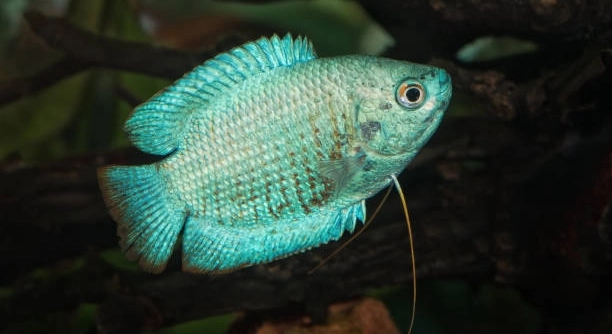
Do your gourami spend most of their time hovering near the heater, making you wonder if something might be off in the tank?
The primary reason gourami hover near heaters is due to their preference for warm, stable temperatures. These fish originate from tropical regions, and colder or fluctuating water conditions can lead them to seek out consistent warmth near heaters.
Knowing what influences this behavior can help you maintain a healthier and more comfortable environment for your gourami.
Warmth Offers Comfort
Gourami are tropical fish that thrive in water temperatures between 75°F and 82°F. When the tank temperature drops even slightly below their preferred range, they naturally gravitate toward the heater to stay warm. This behavior is more common in colder rooms or during seasonal changes. If the heater is located in one corner or side of the tank, you may find your gourami lingering in that area, especially in the early morning or at night when temperatures dip. Prolonged exposure to cooler temperatures can lead to stress, lowered immunity, and increased susceptibility to illness. Even if the overall tank temperature seems fine, drafts, poor circulation, or an underperforming heater may create localized cool spots. Ensuring your tank is equipped with an accurate thermometer and a reliable heater helps avoid this issue. Regular monitoring and maintenance will keep your fish more active and less reliant on external heat sources for comfort.
Sometimes, the heater provides the only consistently warm zone in the tank. This is often enough reason for gourami to stay close.
A better heat distribution system helps prevent your fish from huddling in one area. This supports healthier swimming patterns and reduces stress caused by fluctuating temperatures.
Poor Water Circulation
Without proper water circulation, warm water from the heater may not spread evenly throughout the tank. Gourami tend to gather where warmth is most concentrated.
A weak or poorly placed filter can prevent water from moving efficiently, causing temperature layers to form in the tank. The area around the heater becomes the warmest spot, prompting gourami to hover there for comfort. Stagnant areas in the tank may feel cooler and less comfortable, especially for species sensitive to temperature changes. Upgrading to a filter that offers better flow or repositioning the existing one can improve water movement. You may also consider adding a small circulation pump to help balance the heat across the entire tank. This not only evens out temperatures but also enhances oxygen levels, which contributes to overall fish health. It’s a simple adjustment that makes a noticeable difference. Regularly checking filter performance is key to maintaining a consistent and welcoming environment for your gourami.
Inconsistent Tank Temperatures
Fluctuating temperatures can stress gourami, pushing them to stay near the heater where warmth feels reliable. These changes may result from faulty heaters, unstable room temperatures, or sudden water changes during maintenance. Stability is key to keeping gourami comfortable and active throughout the entire tank.
A heater that switches off too often or fails to maintain consistent warmth can create small cold zones in the tank. Gourami are quick to notice these shifts and will often settle near the heater to avoid discomfort. This behavior is not just about preference—it can be a sign that your tank setup needs adjusting. Using a digital thermometer to track temperature highs and lows can help you catch issues early. Always perform water changes with water that’s close in temperature to the tank to avoid shocking your fish. Keeping things steady encourages gourami to explore more of the tank instead of clustering near the heater.
If your room temperature drops at night or during winter, the tank may cool faster than expected. A heater with a thermostat can help, but it’s also important to consider insulation. Adding a tank cover or insulating background can limit temperature loss. Stable tank conditions help gourami feel more secure and active.
Lack of Hiding Spots
Gourami often hover near heaters when the rest of the tank feels too open. Without proper hiding places, they may seek out objects like heaters to feel safe.
A tank lacking plants, rocks, or decorations can make gourami feel exposed. These fish enjoy having places to retreat to, especially if they feel stressed or need to establish personal space. In tanks with multiple fish or high activity levels, competition for safe zones may increase. This leads some gourami to settle near heaters simply because it’s one of the few solid surfaces available. Adding artificial or live plants, caves, or driftwood gives your gourami better options to feel secure. These elements also encourage natural behavior and help reduce aggression. A well-decorated tank creates a more balanced environment, allowing your gourami to explore and rest comfortably in different areas without having to rely on the heater for safety.
Illness or Weakness
When gourami feel unwell or weak, they often stay near the heater for warmth and comfort. Warmer temperatures can make them feel more at ease, especially if they’re dealing with infections or other internal issues.
Lethargy, loss of appetite, or pale coloring can be signs your fish is sick. Monitor them closely and check water quality.
Strong Water Flow
Gourami prefer calmer waters and may avoid strong currents created by filters or air pumps. If most of the tank has fast-moving water, they might gather near the heater where the flow is gentler and easier to manage.
A tank with unbalanced flow can cause discomfort for gourami, especially if the filter is too powerful or placed poorly. These fish do best in tanks that offer calm areas with minimal disturbance. When the flow pushes too hard across the tank, they often seek refuge near solid objects like heaters. To fix this, adjust your filter’s position or use a spray bar to soften the current. Adding decorations can also help break up the flow and give your fish more quiet zones to relax in. Ensuring your gourami have areas of gentle water movement makes them feel more secure and less likely to stay near the heater all day.
Light Sensitivity
Bright tank lighting can bother some gourami, especially if there’s little shade. They may hover by the heater if it offers a shaded, calmer spot in the tank.
FAQ
Why is my gourami always near the heater even when the tank is warm?
Even in a properly heated tank, gourami might stay close to the heater if that spot feels safest. If the tank has strong water currents, harsh lighting, or lacks hiding spots, they may choose to stay near solid objects like the heater for comfort. The heater area also tends to have the most stable temperature, which may appeal to sensitive or stressed fish. Double-check the flow, light intensity, and tank layout to ensure it meets your gourami’s needs and allows them to use the entire space comfortably.
Can staying near the heater harm my gourami?
Prolonged contact with a heater can be harmful. Some heaters get hot on the surface, and repeated exposure may stress or even burn the fish. Heaters without a protective casing are more likely to cause injury. If your gourami constantly clings to the heater, it’s a sign that something is off in the tank. Make sure your setup is well-balanced, consider adding a heater guard, and observe for any signs of burns or changes in behavior that may indicate a health issue.
Is it normal for just one gourami to behave this way?
Yes, it can happen. Fish have individual preferences and sensitivities. One gourami may react more strongly to environmental stressors than others. However, it’s still important to assess your tank to rule out larger problems. Look for signs of bullying, poor water quality, or limited safe areas. If one fish is hiding while others act normally, it may be sick or just timid. Quarantine might be helpful if you suspect illness. Always monitor for changes and adjust the tank layout or care routine as needed.
Could my heater be creating a hot spot in the tank?
It’s possible, especially in small tanks or with low water movement. Some heaters don’t distribute heat evenly, causing one section to stay warmer than others. This can lead your gourami to favor the area, thinking it’s the most comfortable spot. To avoid this, use a thermometer on the opposite side of the tank to monitor overall temperature. Spreading out equipment, improving circulation with sponge filters or air stones, and insulating the tank can help maintain consistent warmth without creating hot spots.
How can I tell if my gourami is sick or just cold?
Watch for other signs like reduced appetite, faded colors, unusual swimming patterns, or lethargy. A cold fish may still eat and respond normally when the tank warms up. A sick fish will continue acting sluggish even with stable temperatures. Use a test kit to check water parameters—poor quality can cause similar symptoms. If the tank is stable and the gourami still hides or acts off, consider isolating it for observation. Treat only if you see specific symptoms like fin rot, bloating, or fungus.
What tank conditions are ideal to stop this behavior?
Keep the temperature steady between 75–80°F (24–27°C), avoid strong current, and provide shaded areas. Add plants or ornaments to give hiding spots. Reduce lighting intensity if it seems too bright. Choose a low-flow filter or adjust the output to create calm zones. Test water regularly for ammonia, nitrites, nitrates, and pH. A balanced, stable tank encourages gourami to explore rather than cluster near the heater. Regular maintenance, observation, and slight adjustments based on behavior go a long way in creating a healthier space.
Final Thoughts
Gourami hovering near heaters is usually a sign that something in the tank environment needs adjusting. While they may enjoy a slightly warmer spot, this behavior often points to other concerns like stress, illness, water flow issues, or poor tank layout. Paying attention to this behavior can help you catch problems early before they turn into bigger issues. Even small things like strong filter currents or bright lighting can make your gourami uncomfortable. If the heater becomes the only calm or warm area, your fish may start spending too much time there and risk injury or stress.
Creating a balanced environment plays a big role in keeping your gourami healthy. Make sure the tank has quiet areas with gentle flow, shaded spots for resting, and stable water temperatures between 75–80°F (24–27°C). Always check your water parameters regularly to avoid hidden issues like ammonia spikes or pH changes. Adding live or artificial plants, driftwood, and other decorations can give your fish more choices for where to rest and feel safe. Also, make sure the heater is covered or placed in a way that doesn’t invite constant contact. The goal is to create a space where your gourami can move freely, not rely on one spot for comfort.
Observing your fish closely and making small adjustments can make a big difference. If your gourami stays near the heater, start by checking for illness, test the water, then look at flow and lighting. Sometimes, fixing one small issue can improve their behavior and overall health. Gourami are sensitive to their surroundings, and their behavior is often the first sign that something is off. Keeping their environment calm, clean, and well-maintained will help them stay active, explore the tank, and feel secure. Over time, this attention to detail not only helps prevent heater-hovering behavior but also supports a healthier and more relaxed life for your fish.

Hello,
If you enjoy the content that we create, please consider saying a "Thank You!" by leaving a tip.
Every little bit helps us continue crafting quality advice that supports the health, happiness, and well-being of pets around the world, for pets of all shapes, sizes, and species.
We really appreciate the kindness and support that you show us!