
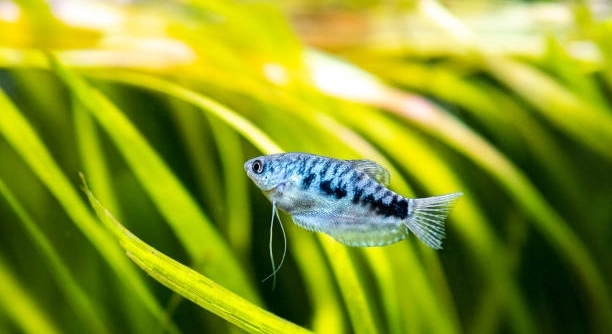
Gourami are popular freshwater fish known for their unique breeding habits. Observing their behavior closely can help you understand when they are preparing to lay eggs. Recognizing the signs is important for maintaining a healthy environment for them.
Gourami exhibit specific behaviors and physical changes when laying eggs. These include bubble nest building, increased territorial aggression, and changes in coloration. Monitoring these indicators can assist aquarists in identifying breeding activity and providing appropriate care for the fish.
Knowing these signs can improve your chances of successfully supporting gourami breeding. This knowledge ensures a better environment for both the adults and their offspring in your aquarium.
Bubble Nest Building
When gourami are ready to lay eggs, the male begins building a bubble nest at the water’s surface. This nest is made of clusters of bubbles coated with saliva to keep them stable. The nest serves as a protective area for the eggs and later, the fry. You will notice the male vigorously blowing bubbles and arranging them into a floating structure. The nest may appear fragile but it is strong enough to hold the eggs securely. This behavior usually happens in calm, warm water conditions and signals that spawning is near. Observing this activity helps confirm the gourami’s breeding readiness. It is important to provide enough surface area and gentle water movement to support the bubble nest’s stability and keep the environment safe.
The bubble nest is a key breeding indicator and should not be disturbed. Maintaining a stable environment helps ensure successful egg development.
Providing proper care during this time improves egg survival. Keep the tank clean and avoid sudden disturbances near the nest area to prevent damage. This phase requires patience and attention to detail, as the male will guard the nest actively. Supporting these natural behaviors increases the chance of healthy fry growth and a thriving aquarium ecosystem.
Increased Territorial Aggression
Territorial aggression rises when gourami prepare to lay eggs. The male becomes more defensive and may chase other fish away from his nesting area. This behavior protects the bubble nest and helps secure a safe place for the eggs. You might notice the male flaring fins, raising his body, and making short lunges at intruders. Aggression can sometimes cause stress in other tank mates, so it is important to monitor interactions closely.
If aggression becomes too intense, consider separating the male temporarily. This will prevent injuries and maintain tank harmony.
Territorial behavior is natural during breeding and indicates the male’s readiness. Proper tank setup and sufficient hiding spaces can reduce conflicts. Ensure the aquarium has plenty of plants or decorations to provide refuge for less aggressive fish. This helps balance the tank environment while supporting the breeding process. Managing aggression effectively protects all fish involved and promotes a healthier, more stable aquarium during this critical period.
Color Changes in Gourami
Gourami often show color changes when preparing to lay eggs. Males tend to display brighter and more vivid colors to attract females and signal breeding readiness. This shift can be noticeable on the body and fins, becoming more intense during the breeding period.
The brightening of colors is linked to hormonal changes triggered by spawning conditions. These colors help the male stand out and compete for the female’s attention. Females may also show subtle color changes, but these are less dramatic. Observing these shifts can help you know when the gourami are close to spawning. Keep in mind that color intensity can vary depending on the species and individual fish health.
In some cases, stress or poor water conditions can dull gourami colors, making it harder to spot these breeding signals. Providing a stable, clean environment with proper nutrition supports vibrant coloration and healthy behavior. Watch for consistent color changes rather than brief flashes, as lasting shifts indicate genuine breeding preparation.
Increased Nest Guarding Behavior
During egg-laying, male gourami guard the bubble nest closely. They become protective, often staying near the nest to defend it from other fish or potential threats. This behavior ensures the eggs remain safe until they hatch.
The male’s guarding actions include chasing away intruders and repairing the bubble nest if it is damaged. He may also adjust bubbles to keep the nest intact. This period requires minimal disturbance to avoid stressing the male or causing him to abandon the nest. Keeping other fish away helps reduce conflicts and supports successful hatching.
This guarding phase usually lasts until the fry become free-swimming, lasting about several days to a week. Watching this behavior confirms active breeding and allows for timely care adjustments. It is important to maintain water quality and monitor the tank closely during this time to promote healthy development of the eggs and fry.
Nest Location Preference
Male gourami choose calm areas near the water surface to build their bubble nests. They prefer spots with minimal water movement to keep the bubbles intact. Floating plants or tank decorations often provide ideal locations for nest building.
Selecting a quiet and sheltered place helps protect the nest from disturbances. It also creates a safer environment for the eggs and fry once hatched.
Spawning Embrace Behavior
During spawning, the male wraps his body around the female in a gentle embrace. This action helps release and fertilize the eggs. The female releases eggs, which the male quickly collects and places into the bubble nest. This behavior repeats several times until all eggs are laid.
This embrace is a key part of the breeding process, ensuring fertilization and proper placement of eggs within the nest. It shows active reproductive activity and indicates that egg laying is underway.
Egg Appearance and Clusters
Gourami eggs are small, round, and usually white or transparent. They are sticky, allowing them to adhere to the bubble nest and nearby surfaces. Eggs are often grouped tightly in clusters within the nest.
Monitoring the appearance and location of the eggs helps track breeding progress and anticipate hatching. Healthy eggs should remain intact and show no signs of fungus or damage.
FAQ
How long does it take for gourami eggs to hatch?
Gourami eggs typically hatch within 24 to 36 hours after being laid, depending on water temperature and conditions. Warmer water speeds up development, while cooler water slows it down. It is important to maintain stable temperatures around 78–82°F (25–28°C) for optimal hatching time.
What should I do if the male abandons the nest?
If the male leaves or abandons the nest, the eggs become vulnerable to fungus and other issues. You can remove the eggs and try to raise them in a separate breeding tank with gentle aeration. Use antifungal treatments sparingly and maintain clean water to increase survival chances.
Can other fish harm gourami eggs or fry?
Yes, many tank mates will eat gourami eggs and fry if given the chance. It’s best to keep other fish away from the breeding tank or use a breeding box to protect the eggs and young fry. Males also defend the nest aggressively, but this isn’t always enough to prevent harm.
How often do gourami lay eggs?
Gourami can lay eggs multiple times during a breeding season if conditions are favorable. Typically, spawning occurs every few weeks, but it depends on the fish’s health, age, and environment. Proper care increases the likelihood of repeated spawning.
What water conditions are best for breeding gourami?
Stable, clean water with temperatures between 78–82°F (25–28°C) and a pH of 6.0–7.5 is ideal. Soft to moderately hard water supports healthy breeding. Regular water changes and low water flow help maintain nest stability and overall fish health.
How can I tell if the eggs are healthy?
Healthy gourami eggs are clear or slightly white and stick firmly to the bubble nest. They should look intact without fuzz or discoloration. Eggs showing fungus or turning cloudy are likely not viable and should be removed to protect others.
Do females help in raising the fry?
Females generally do not participate in caring for the eggs or fry. The male takes responsibility for guarding the nest and protecting the young until they become free-swimming. After hatching, it’s best to remove the female to avoid stress or aggression.
What do gourami fry eat after hatching?
Once free-swimming, gourami fry start feeding on tiny live foods like infusoria or newly hatched brine shrimp. As they grow, you can introduce finely crushed flakes or specialized fry food. Frequent small feedings ensure proper growth during early stages.
Is it necessary to remove the parents after spawning?
It is often recommended to remove the female after spawning to reduce stress and aggression. The male can usually stay to guard the nest until the fry become free-swimming. Once the fry are independent, removing the male helps prevent him from eating the young.
Can I breed gourami in a community tank?
Breeding gourami in a community tank is challenging because other fish may disturb the nest or eat eggs and fry. For better success, use a dedicated breeding tank with controlled conditions and minimal distractions to ensure higher survival rates.
Final Thoughts
Breeding gourami can be a rewarding experience that offers insight into the natural behaviors of these fish. Recognizing the signs that gourami are laying eggs helps ensure the proper care during this sensitive time. Observing changes such as color shifts, nest building, and guarding behaviors allows for timely adjustments in the tank environment. Maintaining stable water conditions and minimizing disturbances support the health of both the parents and the developing eggs.
Successful breeding depends on careful observation and preparation. Providing a suitable environment, including calm water areas and adequate hiding spots, encourages natural nesting behaviors. It is important to separate the breeding pair from aggressive or curious tank mates to reduce stress and protect the eggs. Monitoring the eggs and removing any that show signs of fungus or damage increases the chances of healthy fry. Feeding the fry appropriate food once hatched is crucial for their growth and survival.
Understanding these aspects of gourami breeding can improve the overall experience and outcomes. While it may require patience and attention, the process highlights the fascinating reproductive habits of gourami. Keeping the environment clean and stable, recognizing key behaviors, and supporting the fish during breeding will help create a successful breeding cycle. This knowledge is valuable for anyone looking to maintain a healthy and thriving aquarium with gourami.

Hello,
If you enjoy the content that we create, please consider saying a "Thank You!" by leaving a tip.
Every little bit helps us continue crafting quality advice that supports the health, happiness, and well-being of pets around the world, for pets of all shapes, sizes, and species.
We really appreciate the kindness and support that you show us!