
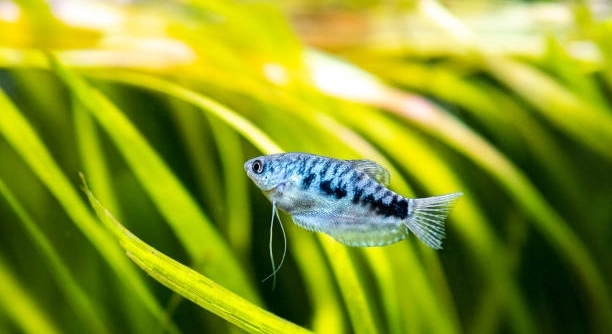
Can gouramis develop feeding schedules and recognize regular meal times? Many fish owners wonder if these colorful pets can learn to expect food at certain times each day. Understanding this can help improve care and feeding routines.
Gouramis are capable of learning feeding schedules to some extent. They respond to consistent timing and environmental cues, showing anticipation when food is usually provided. This behavior demonstrates basic conditioning but varies depending on individual fish and their environment.
Knowing how gouramis adapt to feeding routines can enhance their well-being and help you create a smoother daily care schedule. This article will explore the details behind their learning ability and feeding behavior.
How Gouramis Recognize Feeding Times
Gouramis can pick up on feeding times through repetition and routine. When you feed them at the same time every day, they start to associate certain signals, like your presence or the sound of food, with mealtime. This is a simple form of conditioning. Over time, they may swim to the surface or become more active before feeding. The consistency helps them build expectations, which reduces stress and creates a more predictable environment. It’s important to keep the schedule regular to strengthen this learning. Gouramis also rely on environmental cues like lighting, so feeding during the same light period each day helps their internal clock. However, their ability to remember and respond to schedules is limited and can vary by individual fish. Young gouramis might take longer to learn, while others may show quicker responses. This behavior shows they are more aware than many assume.
Feeding at consistent times is key to helping gouramis learn schedules.
Understanding how gouramis react to routine lets you improve their care and reduce feeding-related stress. Predictable meals encourage healthier behavior and can prevent overfeeding. By watching their behavior before feeding, you’ll notice how they anticipate food. This makes it easier to monitor their appetite and adjust feeding amounts. Regular schedules also help with tank cleanliness since uneaten food is minimized. When combined with a balanced diet, timely feeding supports their growth and overall health. Setting a simple, steady routine benefits both the fish and the keeper. Observing these habits helps you become more attentive to your gouramis’ needs, making daily care smoother and more enjoyable.
Signs Gouramis Learn Feeding Schedules
Gouramis show excitement before food arrives. They often swim actively or gather near the feeding area shortly before mealtime. This behavior indicates they remember when food usually appears. Over time, these signals become more noticeable, demonstrating their learning ability.
Anticipation at feeding time is a clear sign gouramis recognize schedules. It reflects basic conditioning and helps them feel secure. The routine reduces anxiety and builds trust between fish and keeper. Some gouramis may even react to subtle cues, like tapping on the tank or light changes. Watching for these signs can improve feeding practices. It’s best to avoid sudden changes in timing, which may confuse the fish. Consistency is the foundation for teaching feeding schedules, so keep it steady to see better results. This understanding can make caring for gouramis easier and more rewarding.
Factors Affecting Gouramis’ Learning Ability
The environment plays a big role in how well gouramis learn feeding schedules. A quiet, stable tank with minimal distractions helps them focus. Sudden changes in light, noise, or tank setup can confuse the fish and disrupt their routine.
Stress levels impact learning. If gouramis feel threatened or overcrowded, they are less likely to respond to feeding cues. Consistent feeding times combined with a calm environment make conditioning easier. Tankmates also matter; aggressive fish can cause stress, reducing the gouramis’ ability to learn. Temperature and water quality affect activity levels and feeding response. Ideal conditions encourage regular feeding habits. Taking care of these factors supports better learning and healthier fish.
Individual differences influence how quickly gouramis pick up schedules. Some fish are more alert and responsive, while others may be slower to adapt. Regular observation helps identify what works best for your gouramis.
Tips to Establish a Feeding Schedule
Set feeding times at least twice daily and stick to them strictly. This helps gouramis expect food regularly, building their internal routine. Use the same spot in the tank to drop food, which creates a clear association.
Avoid feeding too much at once to prevent overeating and maintain water quality. Use small portions that gouramis can finish within minutes. Consistency in quantity and timing trains the fish effectively. Keep external distractions low by feeding in a calm environment. Repeating this routine every day strengthens their learning and reduces stress. Observing their behavior before and after feeding gives insight into how well they are adjusting. A steady schedule benefits their health and overall happiness in the tank.
Common Mistakes to Avoid
Feeding gouramis at irregular times makes it hard for them to learn schedules. Avoid giving food whenever it seems convenient. This inconsistency confuses the fish and can lead to overeating or stress.
Another mistake is overfeeding. Excess food pollutes the water and harms fish health. Stick to measured portions and remove uneaten food promptly.
How to Adjust Feeding for Different Gourami Species
Different gourami species may have varying appetites and activity levels. Some gouramis eat more frequently, while others prefer fewer meals. Research your specific species’ needs to set the best feeding schedule. Adjust food types and portion sizes accordingly for optimal health and learning.
Using Feeding Cues Effectively
Consistent cues like tapping the tank or turning on a light before feeding help gouramis recognize mealtime. Using the same signals each time reinforces their learning and anticipation.
Signs of Overfeeding
Cloudy water and leftover food are common signs of overfeeding. Reducing portions improves water quality and fish health.
How quickly can gouramis learn a feeding schedule?
Gouramis usually start to recognize feeding times within a few days to a week if you feed them consistently at the same time each day. The more regular and predictable the routine, the faster they pick up on it. Some gouramis might take longer, especially if they are new to the tank or stressed. Patience and consistency are key. Small signs like swimming near the feeding spot or increased activity before feeding show they are learning.
Can gouramis get stressed if feeding times change suddenly?
Yes, sudden changes in feeding times can stress gouramis. These fish rely on routine for a sense of security. When their usual feeding schedule is disrupted, they may become anxious or less active. To avoid stress, try to keep feeding times consistent. If changes are necessary, make them gradually to allow the fish to adjust. Keeping a calm environment during feeding also helps reduce stress.
Is it okay to feed gouramis outside of their regular schedule?
Occasional deviations are usually fine but should be avoided regularly. Feeding outside the schedule can confuse gouramis and weaken their learned routine. Too many irregular feedings might cause them to lose anticipation or develop poor eating habits. If you need to feed early or late, try to get back to the normal schedule quickly. Consistency is important for their well-being and learning.
How much should I feed my gouramis during each feeding?
Feed only as much as your gouramis can eat within 2-3 minutes. Overfeeding leads to leftover food, which pollutes the tank and can cause health issues. Small, frequent meals are better than large, infrequent ones. Watch their eating behavior to gauge the right portion size. Adjust food quantity if you notice leftovers or if the fish seem hungry shortly after feeding.
Do different types of food affect how gouramis learn feeding schedules?
Yes, gouramis respond better to foods they enjoy and recognize. Offering varied, high-quality foods like flakes, pellets, or live foods can keep them interested and motivated to learn feeding times. If the food is consistent and given regularly, gouramis associate it with the feeding routine faster. Avoid sudden changes in food types, as this might disrupt their appetite and routine.
Can feeding schedules improve gouramis’ health?
Regular feeding schedules help maintain good health by preventing overfeeding and obesity. Predictable meals reduce stress and support digestion. When gouramis know when to expect food, they show more natural behavior and better activity levels. This routine also helps keep the tank cleaner by minimizing uneaten food, improving water quality. Healthy fish are easier to care for and more enjoyable to watch.
What if my gouramis don’t seem to learn the feeding schedule?
Some gouramis might be slow learners due to stress, tank conditions, or individual differences. Review your feeding routine and tank environment for consistency. Reduce distractions, avoid sudden changes, and ensure water quality is good. Sometimes, changing feeding cues or food types can help. If you continue to see no signs of learning, it might just be that your gouramis respond differently. Keep a steady routine and give them time.
Is it necessary to use feeding cues like tapping or light changes?
Using cues like tapping the tank or switching on a light before feeding helps gouramis recognize mealtime faster. These consistent signals become part of their routine. While not absolutely necessary, cues support learning and anticipation. Be gentle with any cues to avoid startling your fish. Using the same cue every time builds a strong connection between the signal and feeding.
How do I avoid overfeeding when keeping multiple gouramis?
Feed small amounts several times a day, making sure all gouramis get food but not too much. Observe how quickly the food disappears. If leftovers remain, reduce portions. Separate feeding areas or target feeding can help shy gouramis eat properly. Keeping a strict schedule and portion control prevents waste and keeps the tank healthier.
Can gouramis recognize their owner during feeding?
Gouramis can learn to associate their owner’s presence with feeding time. They often swim toward you or become more active when you approach the tank before feeding. This shows they link you with food and comfort. Building this connection takes consistent care and regular feeding routines. It can make feeding time more interactive and enjoyable.
Gouramis are capable of learning feeding schedules through consistent routines and environmental cues. Feeding them at the same time every day helps these fish recognize when food will be available. This ability to anticipate meals is a simple form of conditioning that shows gouramis are more aware than some might expect. By maintaining regular feeding times, owners can create a calm and predictable environment for their gouramis. This reduces stress and encourages natural behaviors, which supports the fish’s overall well-being. Consistency is the most important factor in helping gouramis learn and adapt to feeding schedules.
A steady feeding routine also benefits gouramis’ health by preventing overfeeding and improving tank conditions. When food is given in measured amounts at regular intervals, leftovers are minimized, keeping the water cleaner and healthier. Overfeeding can lead to water pollution, which harms not only gouramis but the entire tank ecosystem. By paying attention to how much food the fish consume within a few minutes, owners can adjust portions to suit their gouramis’ needs. This balance helps keep the fish active, healthy, and happy. Feeding schedules also allow owners to monitor their fish’s appetite and detect early signs of illness or changes in behavior.
Creating and maintaining a feeding schedule requires patience and observation. Some gouramis may take longer to adjust, while others show clear signs of learning quickly. Factors like tank environment, stress levels, and tankmates influence how well gouramis respond. Providing a quiet and stable environment, avoiding sudden changes, and using consistent feeding cues help reinforce the routine. Over time, feeding schedules improve not only the fish’s behavior but also the keeper’s experience. Understanding these basics makes caring for gouramis easier and more rewarding. Regular feeding times, proper portions, and attention to the fish’s needs contribute to a healthy and peaceful aquarium.

Hello,
If you enjoy the content that we create, please consider saying a "Thank You!" by leaving a tip.
Every little bit helps us continue crafting quality advice that supports the health, happiness, and well-being of pets around the world, for pets of all shapes, sizes, and species.
We really appreciate the kindness and support that you show us!