
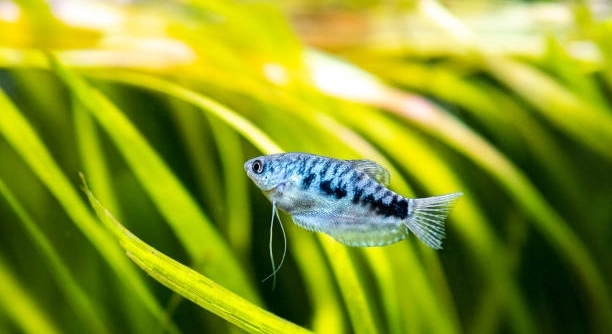
Gourami are popular aquarium fish known for their vibrant colors and peaceful nature. Keeping them healthy involves watching for subtle signs that indicate discomfort or stress. Recognizing these signs early can prevent serious health issues.
Unhappy gourami often display changes in behavior, appetite, and physical appearance. These signs include lethargy, clamped fins, loss of color, erratic swimming, and surface gasping. Identifying these symptoms promptly is crucial for timely intervention and improved fish welfare.
Knowing these signs will help maintain a healthy environment for your gourami. Recognizing subtle changes early supports their well-being and promotes a thriving aquarium.
Changes in Behavior and Activity Levels
Gourami normally swim calmly and explore their tank regularly. When they become unhappy, their behavior shifts noticeably. They may stop swimming actively and spend more time hiding or resting at the bottom. Some gourami become lethargic and seem less interested in their surroundings. Others might display restless or erratic movements, swimming in circles or darting suddenly. These behavioral changes often indicate stress, illness, or poor water conditions. Monitoring your gourami’s usual activity patterns helps detect these subtle differences early. It is important to maintain a clean tank and stable water parameters to support their natural behavior. Sudden changes can also signal that the tank environment has altered, such as increased noise or an aggressive tankmate. Prompt attention to these signs ensures gourami remain comfortable and healthy.
Lethargy or erratic swimming in gourami requires immediate attention to water quality and tank conditions for recovery.
Observing how your gourami moves and interacts is key to understanding its well-being. Maintaining stable water temperature and regular cleaning routines reduces stress. If you notice significant behavioral shifts, check for possible environmental causes or illness. Early adjustments improve the chances of restoring your fish’s comfort. Sometimes simple changes like adjusting lighting or removing aggressive fish can help. Keeping a consistent feeding schedule also encourages natural activity. Watching for these signs regularly ensures timely action to avoid worsening problems. Proper care keeps your gourami lively and content.
Appetite Loss and Feeding Issues
Appetite loss is a clear indicator of unhappiness in gourami. When healthy, gourami eagerly accept food and feed actively. If they begin refusing food or eat less than usual, this may suggest stress, disease, or poor water quality. Appetite reduction often accompanies other signs like dull coloration or unusual swimming. It is important to observe feeding habits closely and note any changes. Providing a varied diet with high-quality food encourages good nutrition. Overfeeding or feeding low-quality food can cause digestive issues and reduce appetite. Removing uneaten food promptly keeps the tank clean and prevents water contamination. Consistency in feeding times helps gourami maintain regular eating patterns and reduces stress. Monitoring their appetite supports early detection of problems, making treatment more effective.
Loss of appetite in gourami often signals underlying health or environmental problems that require attention.
Feeding issues in gourami usually stem from changes in water conditions, tank stressors, or illness. If gourami refuse food consistently, testing water parameters for ammonia, nitrites, and nitrates is essential. High toxin levels cause discomfort and suppress appetite. Additionally, overcrowding or aggressive tankmates may intimidate gourami during feeding times. Keeping gourami in a peaceful, well-maintained environment promotes regular feeding. Sometimes minor dietary adjustments, such as offering live or frozen foods, stimulate appetite. Monitoring and addressing these feeding concerns early helps prevent long-term health decline. Ensuring proper nutrition is crucial for maintaining gourami vitality and preventing further complications.
Physical Changes and Color Loss
Fading colors or dullness often signal stress or illness in gourami. Healthy gourami usually have vibrant, bright colors. When unhappy, their colors become muted or patchy.
Color loss can result from poor water quality, inadequate diet, or disease. Stressful conditions cause pigment changes, making gourami appear washed out. Infections and parasites also contribute to color fading. Addressing water parameters and nutrition promptly can restore their natural hues. Avoid sudden changes in environment, which may worsen color loss. Regular observation helps catch these changes early, preventing further health decline.
Physical signs such as fin damage or unusual spots may accompany color loss. Clamped fins or frayed edges indicate discomfort or infection. Checking for these alongside color changes is important. Treatment depends on the cause but often includes improving water quality and removing potential stress factors. Maintaining a balanced diet supports recovery. Visual signs are crucial indicators of gourami health and require quick attention to avoid serious complications.
Erratic Swimming Patterns
Erratic swimming includes darting, spinning, or crashing against tank walls. This behavior suggests distress or illness in gourami.
These irregular movements often stem from poor water conditions, parasites, or injury. Sudden bursts of activity followed by lethargy indicate discomfort. Stressful tankmates or inadequate tank size can trigger this behavior. Addressing water quality and providing a peaceful environment helps reduce erratic swimming.
In some cases, neurological issues or swim bladder problems cause abnormal swimming. Observing these patterns closely helps distinguish the cause. Treatment varies from improving water parameters to using medication for infections. Preventing overcrowding and maintaining proper tank conditions reduce risks. Erratic swimming is a clear sign that gourami need care and attention to return to normal behavior.
Gasping at the Surface
Gourami gasping at the surface often indicates low oxygen levels in the tank. This behavior means they struggle to get enough air from the water.
Poor aeration or overcrowding reduces oxygen availability. Increasing surface agitation and reducing fish density can improve oxygen levels quickly.
Clamped Fins
Clamped fins are a common sign of stress or illness in gourami. Fins held close to the body indicate discomfort or poor health.
This condition often results from poor water quality, parasites, or sudden environmental changes. Regular water testing and maintaining stable conditions help prevent clamped fins.
Hiding More Than Usual
When gourami hide excessively, it suggests they feel threatened or unwell. Healthy gourami are generally curious and active, so increased hiding signals stress.
Changes in tankmates, lighting, or water quality can cause this behavior. Ensuring a calm environment helps gourami feel secure and reduces hiding tendencies.
What causes gourami to become unhappy?
Gourami can become unhappy due to several factors. Poor water quality is one of the main causes, including high levels of ammonia, nitrites, or nitrates. Inadequate tank size or overcrowding also stresses them. Sudden changes in water temperature or pH can disrupt their comfort. Additionally, aggressive tankmates or insufficient hiding spaces increase stress. Poor nutrition or irregular feeding schedules may weaken their health. Lastly, diseases and parasites contribute to discomfort, often showing as behavioral or physical changes. Maintaining stable, clean water conditions, proper diet, and a peaceful environment helps prevent unhappiness.
How can I improve my gourami’s environment?
Improving the environment starts with maintaining clean water. Regular water changes and testing for ammonia, nitrites, and nitrates are essential. Keep the tank size appropriate for the number of gourami, avoiding overcrowding. Add plants and decorations to provide hiding spots and reduce stress. Ensure the water temperature and pH stay within the ideal range for gourami, usually between 74°F and 82°F and a pH of 6.0 to 7.5. Avoid aggressive fish that may harass gourami. Feeding a varied, high-quality diet supports their health and overall happiness.
Why is my gourami losing color?
Color loss in gourami often indicates stress or poor health. Common causes include poor water quality, disease, and inadequate nutrition. Stress from aggressive tankmates or sudden changes in the tank environment can also cause fading colors. Parasites and infections may damage skin and scales, leading to dullness. To reverse color loss, improve water quality by testing and performing regular changes. Provide a balanced diet rich in nutrients and avoid sudden environmental changes. If color loss persists, consult a vet or aquarium specialist for possible illness treatment.
What should I do if my gourami refuses to eat?
If a gourami refuses food, first check the water parameters for any toxins or imbalances. Poor water quality can reduce appetite. Make sure the tank is quiet and calm during feeding times, as stress may affect eating. Try offering a variety of foods such as flakes, pellets, frozen, or live foods to stimulate interest. Avoid overfeeding or feeding low-quality food, which can cause digestive issues. If appetite loss continues for more than a day or two, look for signs of illness and consider quarantine or treatment.
Is erratic swimming always a sign of illness?
Erratic swimming often indicates stress or health issues, but it is not always caused by illness. Poor water quality, aggressive tankmates, or unsuitable tank size can cause nervous or abnormal swimming patterns. Swim bladder problems or neurological issues also cause erratic movement. Observing other symptoms such as loss of appetite or color changes helps identify illness. Correcting water conditions and providing a peaceful environment usually improves behavior. If erratic swimming persists with other symptoms, medical treatment may be necessary.
How often should I test the water for gourami?
Testing water once a week is recommended to keep track of ammonia, nitrites, nitrates, pH, and temperature. Frequent testing allows early detection of harmful changes before they affect your gourami. After initial tank setup, test daily for the first two weeks. During any signs of stress or illness, increase testing frequency to monitor recovery. Keeping a log helps notice trends and adjust maintenance schedules. Consistent water quality monitoring is crucial for a healthy gourami environment.
Can stress cause illness in gourami?
Yes, stress lowers gourami’s immune system, making them more vulnerable to diseases and infections. Continuous stress from poor water conditions, aggressive tankmates, or frequent environmental changes weakens their defenses. This can lead to common fish illnesses such as fin rot, fungal infections, or parasites. Reducing stress by maintaining stable water parameters and a calm environment helps prevent sickness. Early identification of stress signs and prompt action supports gourami health and longevity.
What are the best foods for gourami?
Gourami thrive on a varied diet. High-quality flakes or pellets designed for tropical fish provide basic nutrition. Supplementing with live or frozen foods like brine shrimp, bloodworms, and daphnia encourages natural feeding behavior and provides essential proteins. Adding some vegetable matter such as blanched spinach or spirulina flakes benefits their digestion. Avoid overfeeding to prevent water quality issues. Feeding small amounts 1-2 times daily keeps gourami healthy and energetic.
How do I recognize fin clamping in gourami?
Fin clamping occurs when gourami hold their fins tightly against their body instead of spreading them out. It is a common stress signal and often the first visible sign of discomfort or illness. Clamped fins can indicate poor water quality, parasites, or sudden environmental changes. Regular observation during feeding or swimming helps spot this behavior early. Addressing the underlying cause promptly often reverses fin clamping. If it persists, medical treatment may be necessary.
When should I isolate a sick gourami?
Isolate a sick gourami as soon as symptoms such as clamped fins, color loss, erratic swimming, or appetite loss appear. Quarantine prevents spreading disease to other fish. Use a separate tank with clean, conditioned water and maintain optimal conditions for recovery. Observe closely and provide appropriate treatment. Isolation also reduces stress on the sick fish, improving chances of healing. Return the fish to the main tank only after full recovery.
Monitoring gourami behavior is essential to ensure their well-being. Subtle signs like color loss, erratic swimming, or hiding can indicate unhappiness or health problems. Recognizing these signs early allows for timely intervention before conditions worsen. Maintaining clean water, a suitable tank environment, and proper nutrition supports their health. Consistent observation and care help prevent stress-related issues and keep gourami comfortable in their habitat.
Proper tank maintenance plays a significant role in gourami happiness. Regular water testing and changes reduce harmful toxins and maintain stable conditions. Providing enough space and peaceful tankmates minimizes stress from aggression or overcrowding. Adding plants and hiding spots creates a secure environment, encouraging natural behavior. Feeding a varied diet ensures balanced nutrition, supporting the immune system. Each of these factors contributes to reducing stress and improving overall fish health.
Addressing gourami unhappiness requires attention and patience. When signs of distress appear, prompt action is necessary. Testing water quality, adjusting the environment, and offering proper nutrition are the first steps. If illness is suspected, isolation and treatment may be needed. Over time, these efforts improve the fish’s condition and prevent future problems. Understanding gourami needs and responding to subtle signals will promote a healthy, thriving aquarium. Consistent care makes a noticeable difference in their well-being.

Hello,
If you enjoy the content that we create, please consider saying a "Thank You!" by leaving a tip.
Every little bit helps us continue crafting quality advice that supports the health, happiness, and well-being of pets around the world, for pets of all shapes, sizes, and species.
We really appreciate the kindness and support that you show us!