
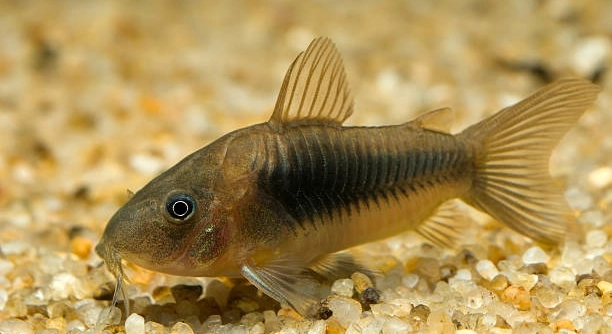
Corydoras catfish are typically calm and peaceful creatures, but sometimes they can display unexpected aggression. If you’re noticing this behavior in your fish, it could be caused by a variety of factors that need to be addressed.
Corydoras catfish may act aggressively due to stress, poor water conditions, or overcrowding. Additionally, territorial disputes or the presence of other aggressive species can trigger these behaviors. Ensuring a comfortable, stable environment will often resolve the issue.
Addressing these concerns can help restore your Corydoras catfish to its usual peaceful demeanor. Understanding the root causes of their aggression is key to maintaining a healthy aquarium.
Stress from Poor Water Conditions
Corydoras catfish are sensitive to water quality. When water conditions aren’t ideal, it can make them feel stressed and unsettled. High levels of ammonia, nitrites, or nitrates can disrupt their well-being, leading to aggressive behavior. They might try to escape from these uncomfortable conditions by acting out toward other fish. It’s essential to regularly monitor your aquarium’s water parameters and perform regular water changes to maintain a clean and healthy environment for your fish. Poor water quality not only affects their behavior but can also lead to long-term health issues.
Maintaining good water quality helps reduce stress and aggression in Corydoras catfish. By keeping things in check, you’re setting the stage for peaceful behavior.
To keep water conditions stable, invest in a reliable filtration system and a good water testing kit. Test the water regularly, especially after feeding and maintenance, to ensure that the levels of harmful substances are under control. Also, ensure that the tank is well-maintained, as dirty decorations or excess food waste can lead to issues in water quality.
Overcrowding in the Tank
Overcrowding can cause tension in any aquarium, and Corydoras catfish are no exception. When there are too many fish in a tank, resources like space and oxygen become limited. As a result, the fish can feel stressed, leading to more frequent aggressive interactions. It’s important to provide enough space for each fish to swim comfortably.
To avoid overcrowding, follow general guidelines for stocking fish. Most Corydoras species do well in groups of six or more, but ensure your tank can accommodate them comfortably without overwhelming the available space. Keeping the right number of fish helps maintain harmony and reduces aggressive behaviors.
In addition to space, it’s also vital to ensure that each fish has enough food. Competition for resources can be another reason why your Corydoras catfish might become aggressive. By spacing out feeding times and making sure everyone has enough to eat, you can reduce food-related stress. This simple step can lead to a more peaceful and balanced tank environment.
Territorial Behavior
Corydoras catfish can become territorial, especially if they feel their space is being invaded. Male Corydoras, in particular, may act aggressively if they are protecting an area. This behavior is more common when they feel there is a threat to their territory.
Adding more hiding spots and decorations can reduce the need for fish to defend territories. Consider adding plants, caves, or other objects where they can retreat and feel secure. By providing these, you can help reduce territorial aggression by giving the fish more places to call their own. This also promotes peace and comfort.
Territorial aggression might also increase if the tank has aggressive or dominant fish. Corydoras are peaceful, but if they feel threatened by larger, more dominant species, they may become more defensive. In these cases, separating the more aggressive species or rearranging the tank layout can help minimize conflicts.
Mating Behavior
Mating behavior in Corydoras catfish can sometimes be mistaken for aggression. During mating, males may chase females and display some aggressive-like behaviors. This is usually a short-term event, but it can cause concern for tank owners who aren’t familiar with this behavior.
To help ease any concerns, it’s important to observe the behavior carefully. During mating, the males may nudge or chase the females, which could seem aggressive. However, this is natural and typically only lasts for a short period. If the female seems stressed, offering more hiding spots can help her feel safe.
You can encourage a healthier mating environment by ensuring the water quality is optimal and that the tank has enough space for the fish to move around. Avoid overcrowding, as this can cause stress and make the mating process harder for them.
Incompatible Tankmates
Corydoras catfish are peaceful, but their behavior can change when kept with aggressive or overly active species. Fish that are too fast, large, or territorial can trigger stress, leading your Corydoras to act aggressively in return.
When choosing tankmates, opt for peaceful, slow-moving fish that won’t overwhelm your Corydoras. Species like guppies, tetras, and other small, non-aggressive fish work well. Avoid fish that are highly territorial or fast swimmers, as they could stress your Corydoras, making them more likely to act out.
Even with peaceful tankmates, aggression can arise if there is a lack of hiding places. Corydoras like to have plenty of cover, especially if they feel threatened. Providing caves or plants can give your fish a place to retreat when they feel cornered. This can go a long way in reducing aggressive behaviors.
Overfeeding
Overfeeding your Corydoras can lead to a variety of issues, including aggression. When too much food is introduced into the tank, it can create competition among fish, leading to territorial disputes and increased stress.
By offering smaller, more frequent meals, you can reduce stress and avoid aggressive behavior. Keep the feeding schedule consistent and only provide what the fish can consume in a few minutes. Overfeeding not only causes aggression but also leads to water quality issues, which can further contribute to their stress.
Lack of Proper Tank Size
Corydoras need space to move freely. A tank that is too small for the number of fish you have can lead to stress and territorial behavior. If your fish feel crowded, they may act out in aggressive ways.
Make sure your tank provides enough space for each Corydoras to move around without feeling cramped. A tank size of at least 20 gallons is recommended for a small group of Corydoras. When you provide enough room, they will feel more at ease and less likely to become aggressive.
FAQ
Why is my Corydoras catfish acting aggressively?
Aggression in Corydoras catfish can stem from a variety of factors, such as poor water conditions, overcrowding, territorial disputes, or incompatible tankmates. Stress is a significant trigger, so it’s important to ensure that your tank is well-maintained with clean water, adequate space, and peaceful tankmates. If the fish are fighting for space, food, or hiding spots, this could also lead to aggression. Always observe the tank to identify any potential stressors, and address them promptly.
Can Corydoras catfish live with other fish?
Yes, Corydoras are generally peaceful and can live with other fish. However, it’s crucial to select compatible tankmates. Avoid aggressive, fast, or large species that may bully the Corydoras. Small, peaceful fish like tetras or guppies are ideal tankmates. Additionally, ensure that there are enough hiding places for all fish to feel secure.
How can I reduce aggression in my Corydoras catfish?
To reduce aggression, start by maintaining clean, stable water conditions. Regular water changes and proper filtration are essential. If overcrowding is the issue, consider reducing the number of fish or upgrading to a larger tank. Providing plenty of hiding spots and decorations can help your Corydoras feel secure. Lastly, ensure you are feeding the fish appropriately without overfeeding, as this can cause stress and competition.
Is it normal for Corydoras catfish to fight each other?
It’s rare for Corydoras to fight unless they feel stressed or threatened. In the wild, they are social fish and usually live in groups. However, if they feel overcrowded, there aren’t enough hiding places, or if their territory is being invaded, they may show signs of aggression. Make sure your tank provides ample space and plenty of hiding spots to keep them calm.
Do Corydoras catfish need to be in groups?
Yes, Corydoras catfish are social creatures and thrive in groups of at least six. Being in a group helps them feel secure and reduces stress. If kept alone or in small numbers, Corydoras can become more timid and stressed, which may lead to aggression or unhealthy behavior. A group allows them to interact and exhibit natural behaviors, contributing to a healthier tank environment.
Can water temperature affect the behavior of Corydoras catfish?
Yes, water temperature plays a significant role in the well-being of Corydoras catfish. These fish prefer temperatures between 72°F and 78°F (22°C to 26°C). If the water is too cold or too warm, it can cause stress, leading to aggressive behavior or illness. Regularly monitor the water temperature to keep it within the ideal range to maintain your fish’s health and reduce aggression.
What type of tank setup is best for Corydoras catfish?
A tank with plenty of hiding places, such as plants, caves, and decorations, is ideal for Corydoras catfish. They prefer a soft substrate like sand because they like to dig and search for food at the bottom. Ensure that the tank has a reliable filtration system to maintain clean water, as Corydoras are sensitive to poor water quality. A gentle filter current is also important to avoid stressing the fish.
Do Corydoras catfish need a special diet?
Corydoras catfish are bottom feeders and have a varied diet. They should be provided with sinking pellets, live or frozen foods like bloodworms, and occasional vegetable matter. It’s important to offer a balanced diet to ensure they get the nutrients they need. Avoid overfeeding, as leftover food can pollute the water, creating stress and possible aggression.
How can I tell if my Corydoras catfish is stressed?
Signs of stress in Corydoras catfish can include erratic swimming, hiding more than usual, loss of appetite, or increased aggression. They may also display abnormal behaviors like scratching their bodies on surfaces or excessive swimming near the surface. If you notice any of these signs, check your tank’s water quality, temperature, and tankmate compatibility. Ensuring the environment is stress-free is key to their well-being.
Can Corydoras catfish live in a community tank?
Yes, Corydoras catfish can live in a community tank as long as their tankmates are peaceful. They are not territorial and generally get along with most species of similar size and temperament. Be mindful of the other fish species in the tank, especially if they are aggressive or too large, as these may stress out your Corydoras and cause aggression.
Why is my Corydoras catfish swimming erratically?
Erratic swimming can be a sign of stress, illness, or poor water conditions. If your Corydoras is swimming wildly, it’s essential to check the water parameters, including temperature, pH, ammonia, nitrite, and nitrate levels. Additionally, check for any visible signs of injury or disease. If the fish continues to swim erratically despite good water conditions, a visit to an aquarium specialist may be necessary.
How often should I clean my Corydoras catfish tank?
You should clean your Corydoras tank regularly to maintain water quality and prevent stress-related aggression. Perform a 25-30% water change every one to two weeks, depending on the tank size and the number of fish. Clean the filter as needed, but avoid cleaning everything at once to prevent upsetting the balance of the tank. Regular maintenance helps ensure a stable environment for your fish.
Can Corydoras catfish live in low light conditions?
Yes, Corydoras catfish can tolerate low light levels, but they still require a day/night cycle. A dimly lit tank can mimic their natural habitat, where light conditions tend to be lower. However, it’s important to ensure that the tank has adequate hiding spots and that the fish have a place to retreat if they feel exposed or threatened.
Final Thoughts
Corydoras catfish are generally peaceful creatures, and their sudden aggression can be a surprising change for any aquarium owner. However, this behavior is usually a response to stress, poor water quality, overcrowding, or incompatible tankmates. By understanding the root causes of aggression in Corydoras, you can take steps to address the issue and create a more peaceful environment for your fish. Regular water changes, proper tank maintenance, and careful selection of tankmates are key factors in ensuring the health and happiness of your Corydoras catfish.
Ensuring that your Corydoras are kept in a suitable environment with plenty of space and hiding spots is essential. These fish need to feel secure, and overcrowding or limited space can cause stress, leading to aggression. By providing enough room for each fish to swim freely and retreat when needed, you can reduce territorial disputes and help your fish feel more at ease. Additionally, avoiding overfeeding and maintaining good water quality are simple steps that can make a big difference in your fish’s behavior.
Remember, Corydoras catfish are social animals, and they thrive when kept in groups. When they feel isolated, they may become more prone to stress and aggression. Keeping them in groups of six or more will allow them to interact and reduce the chances of aggressive behavior. It’s also important to pay attention to other fish in the tank, as aggressive or fast-swimming species can increase stress for your Corydoras. By carefully managing your tank’s conditions and keeping an eye on potential stressors, you can ensure that your Corydoras catfish lead happy and peaceful lives in your aquarium.

Hello,
If you enjoy the content that we create, please consider saying a "Thank You!" by leaving a tip.
Every little bit helps us continue crafting quality advice that supports the health, happiness, and well-being of pets around the world, for pets of all shapes, sizes, and species.
We really appreciate the kindness and support that you show us!