
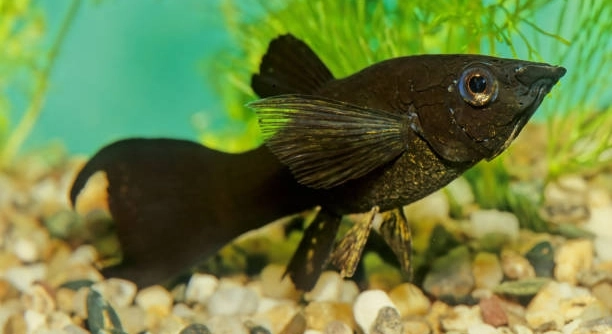
Black Mollies are lively and social fish, yet sometimes they may struggle quietly within their group. Observing their behavior and physical condition closely helps identify subtle signs that indicate they are not thriving in their environment.
Signs that Black Mollies are not thriving in the group include reduced activity, loss of appetite, faded coloration, frequent hiding, aggressive encounters, fin damage, and slower growth. Monitoring these indicators allows owners to intervene and improve fish health and group dynamics effectively.
Recognizing these signs early can prevent long-term issues and ensure your Black Mollies remain healthy and active within their community.
Reduced Activity and Lethargy
When Black Mollies are not thriving, one of the first noticeable changes is their activity level. Healthy Mollies swim actively throughout the tank, exploring plants, decorations, and interacting with other fish. A reduction in movement, prolonged periods of hiding, or sluggish swimming indicates that something may be affecting their health. Reduced activity can result from poor water quality, overcrowding, or improper diet. Mollies are social fish and need space to swim and interact. If a fish suddenly becomes lethargic, it is essential to check water parameters, including pH, ammonia, nitrite, and nitrate levels. Temperature fluctuations can also affect energy levels, so maintaining a stable environment is crucial. Providing hiding spots and balanced nutrition supports their overall well-being. Observing the group as a whole helps identify whether this behavior is isolated or a sign of a broader issue affecting multiple fish. Early intervention can prevent worsening conditions.
Monitoring your Black Mollies daily helps catch lethargy before it becomes serious.
Consistent activity is essential for health. Fish that swim less or avoid social interactions may struggle with stress, illness, or environmental imbalances. Addressing these issues quickly improves their condition and prevents long-term complications.
Loss of Appetite
A Black Molly that stops eating signals potential health problems or stress in the tank.
Loss of appetite can stem from illness, poor water quality, or bullying by other fish. Nutritional deficiencies weaken immunity and make them more vulnerable. Overfeeding or feeding unsuitable foods can also lead to digestive problems, further reducing interest in meals. Mollies may refuse food if water parameters are off, particularly if ammonia or nitrite levels are elevated. In groups, dominant fish may prevent others from accessing food, causing smaller or weaker fish to eat less. Offering high-quality flake, frozen, or live foods in smaller portions can encourage feeding. Separating affected fish temporarily may help ensure they receive adequate nutrition. Observing the tank during feeding times allows you to detect struggles and adjust care. Consistent monitoring and prompt action ensure the group remains balanced and all fish receive proper nutrition.
Addressing appetite loss early supports recovery and overall health. It prevents weakness and helps maintain stable group dynamics.
Faded Coloration
Faded coloration in Black Mollies often indicates stress, poor diet, or illness. Healthy fish display deep, glossy black tones. A dull or patchy appearance suggests they are struggling with environmental or health issues that need immediate attention.
Maintaining vibrant coloration requires proper nutrition and a stable environment. Mollies need a varied diet rich in protein and vitamins to support pigmentation. Overcrowded tanks or poor water quality can quickly lead to color loss. Monitoring water parameters and performing regular partial water changes helps reduce stress and keeps colors strong. Observing behavior alongside coloration changes can reveal whether the issue is dietary, social, or disease-related.
Faded color can also occur when fish are stressed by dominant tank mates. Aggressive interactions or frequent chasing can drain energy, affecting both appearance and overall health. Separating stressed fish temporarily or rearranging the tank layout can help them regain color and vitality.
Frequent Hiding
Frequent hiding is a clear sign a Black Molly is not thriving. Fish that stay hidden may be stressed, unwell, or feeling threatened by tank mates.
Hiding behavior often results from intimidation by more aggressive fish or sudden changes in the tank environment. Mollies naturally seek shelter when feeling unsafe, but excessive hiding limits feeding opportunities and reduces social interaction. If a fish spends most of its time behind plants, decorations, or corners, it may not be getting adequate nutrition. Improving tank conditions, providing sufficient hiding spots, and ensuring a calm environment help reduce stress. Monitoring interactions between fish ensures weaker individuals are not consistently bullied, promoting better group dynamics.
Encouraging activity requires careful observation. Adjusting tank layout, maintaining clean water, and providing balanced food can reduce hiding. Healthy Mollies will explore more and regain confidence when environmental stressors are addressed.
Aggressive Encounters
Black Mollies involved in aggressive encounters may display torn fins, chasing, or nipping behaviors. Frequent conflicts indicate stress within the group and can affect weaker fish. Immediate observation and intervention are necessary to maintain harmony.
Reducing aggression can involve rearranging decorations, adding hiding spots, and ensuring the tank is not overcrowded. Monitoring dominant fish and separating them temporarily may help prevent ongoing harm to others.
Fin Damage
Fin damage is a common sign that a Black Molly is struggling. Torn or frayed fins often result from fights, sharp decorations, or poor water quality. Persistent fin issues require attention to prevent infection and promote healing.
Providing clean water, smooth surfaces, and reducing stress improves fin recovery. Isolating affected fish temporarily may help them heal faster. Observation ensures injuries do not worsen or spread infection.
Slower Growth
Slower growth in Black Mollies signals insufficient nutrition, stress, or poor tank conditions. Fish may appear smaller than tank mates and lack usual vitality. Consistent feeding with high-quality food and stable water parameters supports healthy development.
FAQ
How can I tell if my Black Molly is stressed?
Signs of stress in Black Mollies include faded coloration, hiding, reduced activity, loss of appetite, and frayed fins. Stress often results from poor water quality, overcrowding, sudden changes in temperature, or aggressive tank mates. Regular observation and maintaining stable tank conditions can help reduce stress.
What is the best way to improve water quality for Mollies?
Regular partial water changes, testing for ammonia, nitrite, and nitrate, and using a reliable filtration system are essential. Avoid overcrowding and remove uneaten food promptly. Stable water temperature and pH levels also play a key role in keeping Black Mollies healthy and vibrant.
Why is my Molly hiding all the time?
Hiding is often a response to aggression, stress, or illness. If a fish spends most of its time behind plants or decorations, it may not feel safe or could be weak. Providing extra hiding spots, rearranging the tank layout, and ensuring calm tank mates can encourage exploration.
How do I know if my Molly is getting enough food?
Healthy Mollies actively search for food and finish meals within a few minutes. Uneaten food should be removed to prevent water contamination. Observing feeding behavior can show whether weaker or smaller fish are being bullied and missing meals. Offering small, frequent feedings ensures proper nutrition for all fish.
Can tank mates affect a Molly’s health?
Yes. Aggressive or territorial tank mates can cause stress, hiding, or fin damage in Mollies. Keeping compatible fish, providing enough space, and monitoring interactions ensures weaker or smaller Mollies are not constantly intimidated or harmed. Temporary separation may be necessary in some cases.
What causes fin damage in Black Mollies?
Fin damage can result from fights, sharp decorations, or poor water conditions. Torn or frayed fins can lead to infections if untreated. Keeping the tank clean, smoothing sharp edges, and separating aggressive fish helps fins recover and prevents further injury.
Why are my Mollies’ colors fading?
Faded coloration often indicates stress, poor diet, or illness. Providing a balanced diet rich in protein and vitamins, maintaining clean water, and reducing stressors helps restore vibrant black tones and overall health. Environmental stability is key for long-term color retention.
How can I encourage growth in slower-growing Mollies?
Slower growth is usually linked to insufficient nutrition, stress, or poor water quality. Feeding a high-quality, varied diet and maintaining optimal water parameters supports proper development. Minimizing competition and stress ensures smaller or weaker fish have the opportunity to grow at a healthy rate.
When should I consider separating a Molly from the group?
Separation may be necessary if a fish is being bullied, showing signs of illness, or has sustained injuries. Temporary isolation in a quiet, well-maintained tank allows recovery and prevents further stress, aggression, or disease transmission.
How often should I monitor my Black Mollies?
Daily observation is ideal. Watching swimming patterns, interactions, feeding behavior, and physical appearance allows early detection of stress, illness, or aggression. Consistent monitoring helps maintain a healthy, balanced group and ensures each Molly is thriving.
Can poor diet affect behavior?
Yes. Nutritional deficiencies can lead to lethargy, color loss, reduced appetite, and slower growth. Feeding high-quality flake, frozen, or live foods ensures Black Mollies receive essential nutrients for energy, immune support, and overall health. Balanced feeding prevents behavioral and physical issues.
What role does tank environment play in Molly health?
A stable environment with proper temperature, pH, and space for swimming directly impacts health. Overcrowding, abrupt changes, or lack of hiding spots increase stress and vulnerability. Maintaining clean water, stable conditions, and appropriate tank mates helps Mollies thrive.
How can I tell if my Molly is ill?
Symptoms include faded colors, clamped fins, reduced activity, hiding, abnormal swimming, loss of appetite, and visible injuries or spots. Early detection through observation and prompt corrective action improves chances of recovery and prevents the illness from affecting the group.
Are there signs that Mollies are unhappy in the tank?
Yes. Persistent hiding, aggression, loss of appetite, faded colors, and fin damage indicate poor well-being. Addressing environmental conditions, diet, and social dynamics ensures that Mollies feel secure, healthy, and active in their tank.
What is the most important factor for Black Molly well-being?
Consistent care, including clean water, balanced nutrition, compatible tank mates, and a stress-free environment, is crucial. Daily observation and early intervention when problems arise support thriving, healthy, and active fish over the long term.
Final Thoughts
Keeping Black Mollies healthy and thriving in a community tank requires careful observation and consistent care. These fish are social, active, and sensitive to changes in their environment. Even small fluctuations in water quality, temperature, or tank layout can cause stress, which may lead to a variety of health issues. Observing your fish daily helps identify subtle changes in behavior, color, or activity levels. Reduced swimming, hiding, or lack of appetite can all be early signs that a Molly is not adjusting well to its surroundings. Taking quick action when these signs appear is important to prevent long-term problems. Simple steps like monitoring water parameters, performing regular partial water changes, and maintaining a stable environment can make a noticeable difference. The goal is to create a calm and balanced tank where each Molly feels secure and able to thrive.
Diet also plays a critical role in the overall health of Black Mollies. Providing a balanced diet rich in protein, vitamins, and essential nutrients helps maintain vibrant coloration, promotes strong immune systems, and supports proper growth. It is important to feed the group in ways that prevent bullying or food competition, especially for smaller or weaker fish. High-quality flake foods, supplemented with frozen or live foods, offer the necessary nutrients and encourage natural foraging behavior. Overfeeding should be avoided because leftover food can quickly deteriorate water quality and stress the fish. Observing feeding habits gives insight into which fish may be struggling, allowing adjustments in diet or temporary separation if necessary. A proper diet combined with clean, well-maintained water helps Mollies recover from stress, strengthens resistance to illness, and supports their long-term vitality.
Finally, the social structure of the tank must be carefully managed. Aggressive or dominant tank mates can create tension, leading to hiding, fin damage, or slower growth in less dominant fish. Providing enough space, arranging decorations to create safe zones, and monitoring interactions are essential. Sometimes temporary separation of stressed or injured fish is necessary to allow recovery without constant pressure from more aggressive companions. Attention to environmental stability, nutrition, and social dynamics works together to maintain a healthy and active group. Consistent care and observation ensure that Black Mollies remain lively, vibrant, and thriving in their tank. By addressing small issues early and providing a stable, supportive environment, each Molly can grow, interact, and display its natural behaviors fully, contributing to a harmonious and healthy aquarium community.

Hello,
If you enjoy the content that we create, please consider saying a "Thank You!" by leaving a tip.
Every little bit helps us continue crafting quality advice that supports the health, happiness, and well-being of pets around the world, for pets of all shapes, sizes, and species.
We really appreciate the kindness and support that you show us!