
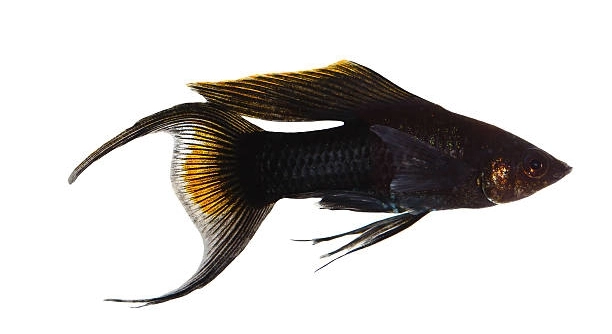
Do you ever find yourself arranging your aquarium, trying to balance beauty and the comfort of your fish? Black mollies thrive in spaces that feel secure, making hiding spots a vital part of their habitat.
Adding hiding spots for black mollies supports their natural behavior, reduces stress, and encourages healthy social interactions. These shelters provide security, minimize aggression, and create a more stable environment, contributing to their overall well-being and longevity in the aquarium.
Providing these spots is more than decoration; it directly impacts their health, making careful placement and variety essential for your black mollies’ happiness.
Reducing Stress for Black Mollies
Stress in black mollies can affect their health and behavior, often leading to illness or aggression. By adding hiding spots, they feel secure and less exposed to potential threats. Plants, rocks, and small caves can mimic their natural environment and provide comfort. Stress reduction is particularly important in community tanks where multiple species interact. Mollies may retreat when feeling threatened, and having options to hide allows them to regulate their interactions. Observing your fish using these spaces can help you understand their social dynamics. Ensuring a balance of open swimming areas and concealed shelters supports both activity and security. Overcrowding or poor placement of hiding spots can counteract the benefits, so careful arrangement is essential. Regularly checking for cleanliness and removing debris from these spots prevents health issues. Ultimately, a thoughtful setup promotes calmer, healthier black mollies who display more natural behaviors consistently in the aquarium.
Adding hiding spots lets black mollies feel safe and reduces tension in the tank significantly.
Mollies thrive when they have multiple safe areas. Rocks, dense plants, or small caves give them choices for retreat and privacy. The layout of hiding spots influences how they interact socially. When mollies feel secure, they explore more and show natural behaviors. Without adequate shelters, they may become stressed, shy, or aggressive. Providing a variety of hiding places supports not only their emotional health but also their physical condition. Fish that feel secure are less prone to illness caused by stress. Careful placement ensures they are accessible but not overcrowded, allowing free movement and choice. Monitoring how mollies use these spots gives insight into their preferences and needs. Adjustments may be needed over time as the tank matures or the group changes. Properly incorporated shelters create a balanced environment, encouraging calm, active, and healthy black mollies that thrive under care.
Encouraging Natural Behavior
Hiding spots allow black mollies to act naturally, supporting instincts such as foraging and exploring.
Natural behavior is essential for overall fish well-being. Mollies use shelters to feel secure while exploring, hiding, or interacting with other fish. Dense plants encourage foraging, while caves allow rest and safety. Tanks that include diverse structures promote curiosity and movement, helping fish develop routines similar to those in the wild. Observing them in these settings reveals playful interactions, territory preferences, and resting habits. Providing a mix of vertical and horizontal spaces ensures each molly can find a preferred spot. Some may favor shallow plant clusters, while others prefer deeper caves. The presence of hiding spots reduces dominance disputes, as fish can retreat without confrontation. By mimicking natural habitats, these structures enhance mental stimulation and physical activity, preventing boredom and promoting growth. A well-planned layout supports both individual comfort and social stability, making the aquarium a dynamic yet secure environment. Over time, black mollies display more confidence, active swimming patterns, and healthier social behavior, all reflecting a habitat that meets their innate needs.
Promoting Healthy Social Interaction
Hiding spots reduce aggression among black mollies by giving them safe spaces to retreat. These areas allow weaker or shy fish to avoid constant conflict, supporting harmony within the tank and improving overall fish well-being.
Safe spaces help mollies establish territories and avoid constant confrontation. When all fish have access to shelters, dominant individuals are less likely to chase or harass others, reducing stress levels. This encourages natural social hierarchies and allows weaker or smaller fish to coexist peacefully. Multiple hiding spots ensure that no single area becomes overcrowded, preventing fights over preferred locations. Mollies use these spaces not only to escape threats but also to observe and interact safely with others. Over time, social stress decreases, and fish become more confident, leading to healthier activity patterns and stronger immune systems. Providing an environment that balances open swimming areas with concealed retreats is crucial for promoting stable social dynamics and overall tank harmony.
In addition to reducing aggression, hiding spots allow mollies to engage in subtle interactions they might otherwise avoid. Fish can communicate visually or explore territory without feeling exposed. Carefully arranged shelters prevent overcrowding and maintain tank balance. This setup supports both individual comfort and social cohesion, creating a healthier aquarium ecosystem.
Supporting Breeding and Fry Survival
Hiding spots give pregnant black mollies and fry protection from adults. Shelters reduce stress and increase survival chances by providing secure areas for birthing and growth.
Pregnant mollies benefit from secluded spaces that allow them to rest and hide from more active or aggressive tank mates. Dense plants, small caves, or floating decorations create safe zones where fry can avoid predation. These areas also encourage natural birthing behavior, reducing stress and ensuring healthier offspring. Adult mollies are less likely to disturb hiding fry, supporting early development and increasing survival rates. By observing how females use shelters, you can adjust the tank layout to improve breeding success. Providing multiple hiding spots ensures that both pregnant mollies and fry have enough options to retreat safely without overcrowding. This setup fosters a secure environment, where young fish can grow in relative safety while adults maintain normal social behaviors.
Hiding spots for fry and pregnant mollies also encourage natural behavior, allowing mothers to select safe birthing areas and juveniles to explore gradually. Over time, this reduces mortality rates and supports a balanced, thriving community within the aquarium.
Enhancing Aquarium Aesthetics
Hiding spots add depth and visual interest to the tank. Rocks, plants, and decorations create layers that make the aquarium feel more natural and engaging for both the fish and the viewer.
Proper placement of shelters enhances the overall look while keeping the tank organized. Combining different textures, heights, and colors creates a balanced and appealing layout.
Encouraging Exploration
Black mollies are naturally curious and will investigate every nook and cranny. Hiding spots provide safe areas to explore without feeling threatened, stimulating their activity and mental engagement.
Reducing Disease Risk
Hiding spots help reduce stress-induced illness. When fish feel secure, their immune system functions better, lowering the risk of common infections and promoting long-term health.
Supporting Territory Formation
Shelters allow black mollies to establish and maintain territories. Defined spaces reduce disputes, giving each fish a personal area and helping maintain social stability in the tank.
FAQ
How many hiding spots should I provide for black mollies?
The number of hiding spots depends on tank size and the number of fish. A general rule is at least one hiding place per fish, plus a few extra to reduce overcrowding. Spread them throughout the tank to ensure accessibility and prevent territorial disputes.
What types of hiding spots work best?
Black mollies respond well to plants, rocks, caves, and floating decorations. Live or artificial plants create dense areas for retreat. Small caves or PVC tubes provide secure shelters, while driftwood or ornaments can add natural-looking hiding areas. Variety keeps the environment stimulating.
Should hiding spots be evenly spaced?
Yes, spacing is important. Concentrating shelters in one area may lead to fights or overcrowding. Even distribution allows each fish to claim its own space and reduces stress while encouraging natural exploration and social interaction.
Can hiding spots affect water quality?
Yes. Decorations and plants can trap debris if not cleaned regularly. Live plants improve water quality by absorbing nitrates, but decaying leaves or uneaten food can pollute the tank. Regular maintenance keeps hiding spots hygienic and safe for mollies.
Do black mollies use hiding spots all the time?
Not constantly, but they retreat during stress, rest, or while establishing territory. Fish may hide more during feeding or when new fish are introduced. Observing their behavior helps determine if shelters are sufficient or need adjustment.
Can hiding spots help with breeding?
Absolutely. Pregnant females benefit from secluded areas to reduce stress, and fry use dense plants or small caves to avoid predation. Multiple hiding spots improve survival rates and encourage natural birthing behavior in the tank.
Are there materials I should avoid for hiding spots?
Avoid sharp, rough, or toxic materials that can injure or poison fish. Unsafe plastics, untreated metals, or sharp rocks can cause cuts, stress, or illness. Always use aquarium-safe decorations or smooth stones and ensure edges are not abrasive.
How do I know if my fish like their hiding spots?
Observe your mollies. Regular use of shelters, calm swimming around them, and reduced signs of stress indicate comfort. Fish that never use hiding spots may need adjustments in placement, type, or number of shelters.
Can hiding spots reduce aggression in community tanks?
Yes. Shelters allow shy or weaker fish to escape dominant ones. Properly placed hiding spots prevent constant chasing and territorial disputes, maintaining balance and reducing injuries, stress, and competition for space.
Should hiding spots be temporary or permanent?
They should be permanent but adjustable. As fish grow, behavior changes, and tank layouts evolve, you may need to rearrange or add new shelters. Flexibility ensures continuous comfort, security, and engagement for black mollies.
Do hiding spots need special maintenance?
Yes. Clean regularly to remove algae, debris, and uneaten food. Live plants require trimming, while artificial decorations may need periodic rinsing. Proper upkeep prevents disease, maintains water quality, and ensures the shelters remain inviting and safe.
Will adding more hiding spots always reduce stress?
Adding too many can clutter the tank and limit swimming space. Balance is key—enough shelters to provide security, but with open areas for exercise and social interactions. Observing fish behavior helps determine the right number.
Can hiding spots help new fish adjust to the tank?
Yes. When introducing new mollies, shelters give them immediate retreats. This reduces stress, allows gradual exploration, and prevents aggression from established fish, helping newcomers acclimate more smoothly.
Do black mollies prefer natural or artificial hiding spots?
Both work, but natural-looking elements like plants, driftwood, or smooth rocks often feel more secure. Artificial caves or ornaments are fine if they mimic natural forms and are safe for aquarium use. Variety keeps the environment engaging.
How often should I rearrange hiding spots?
Occasional rearrangement can stimulate exploration and prevent territorial stagnation. Avoid frequent changes, which may stress fish. Small adjustments every few weeks or months are sufficient to keep the environment dynamic while maintaining comfort.
Can hiding spots prevent diseases?
Indirectly, yes. Reducing stress improves immunity, making mollies less susceptible to illness. Clean, well-maintained shelters also prevent the buildup of harmful bacteria or fungi, contributing to overall health and longevity.
Are hiding spots necessary in small tanks?
Even in smaller setups, at least a few shelters are essential. Limited space increases stress potential, so providing secure areas helps mollies feel safe, reduces aggression, and supports healthier behavior despite space constraints.
What are some creative hiding spot ideas?
Consider PVC tubes, ceramic caves, rock formations, dense plant clusters, or floating decorations. Combining vertical and horizontal spaces caters to different preferences. Using natural textures and shapes keeps the tank visually appealing while meeting fish needs.
How can I balance hiding spots and open swimming space?
Plan shelters along tank edges or corners while leaving central areas open. Ensure pathways between spots for exploration and interaction. This balance promotes both activity and security, preventing overcrowding or territorial stress among black mollies.
Can hiding spots improve overall fish behavior?
Yes. Fish feel secure, explore more, establish territories, breed naturally, and interact positively. Observing mollies using shelters regularly indicates a healthy, balanced environment, where both social and individual needs are met.
This FAQ covers common concerns about adding hiding spots and provides guidance to enhance black mollies’ well-being effectively.
Final Thoughts
Creating a comfortable and secure environment for black mollies is essential for their health and happiness. Hiding spots are a simple but highly effective way to provide security, reduce stress, and support natural behavior. These spaces allow mollies to retreat when they feel threatened, rest without disturbance, and establish personal territories within the tank. By carefully choosing and arranging hiding spots, you can create a balanced aquarium where fish feel safe yet still have room to swim and explore. Rocks, caves, plants, and decorations all serve as potential shelters, and mixing different types adds variety, keeps the environment engaging, and ensures that all fish have access to a preferred retreat. Overcrowding or poorly placed shelters can be counterproductive, so observing how your fish interact with the tank is key. Noticing which areas they prefer and adjusting accordingly will help maintain harmony and reduce potential aggression.
Hiding spots also play a significant role in breeding and fry survival. Pregnant black mollies benefit from secluded spaces that minimize stress, while young fry use dense plants or small caves to stay safe from larger fish. Multiple shelters improve survival rates by providing options and reducing competition for limited safe areas. Even in community tanks, proper placement of hiding spots supports a stable social hierarchy, reducing chasing, bullying, or other aggressive behaviors. When fish feel secure, they display more natural behaviors, including exploring, foraging, and interacting with other tank mates in a calm manner. These positive interactions contribute to overall health, as stress is minimized and immune function is supported. In this way, a well-planned arrangement of hiding spots is not only about visual appeal or decoration but is a vital part of maintaining a thriving, healthy aquarium ecosystem.
Maintenance and careful observation are equally important. Hiding spots should be cleaned regularly to prevent debris buildup, algae growth, or bacterial accumulation, which can compromise water quality and fish health. Live plants need trimming, and artificial decorations should be rinsed or scrubbed periodically. Adjustments over time are also necessary as fish grow or as tank dynamics change, ensuring that shelters continue to meet the needs of all inhabitants. A combination of careful planning, regular upkeep, and thoughtful placement creates a habitat that supports both the physical and emotional well-being of black mollies. When done correctly, the aquarium becomes a secure, engaging, and balanced space where fish can thrive naturally, and where their behaviors, health, and longevity benefit directly from the presence of well-chosen hiding spots. This attention to detail not only improves the lives of the fish but also enhances the overall enjoyment and satisfaction of maintaining the tank.

Hello,
If you enjoy the content that we create, please consider saying a "Thank You!" by leaving a tip.
Every little bit helps us continue crafting quality advice that supports the health, happiness, and well-being of pets around the world, for pets of all shapes, sizes, and species.
We really appreciate the kindness and support that you show us!