
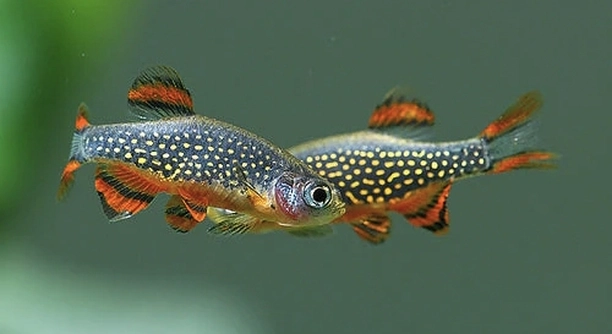
Danios are lively fish that thrive in groups, but sometimes their playful interactions can shift toward aggression. Observing small changes in behavior can help owners identify when a group is starting to become territorial, preventing stress and injury.
A Danio group becomes territorial when individuals establish dominance over specific areas, chase or nip other fish consistently, guard breeding spaces, or show changes in swimming patterns. Recognizing these behavioral indicators early allows for timely intervention and proper tank management.
Monitoring these signs is important for maintaining harmony and ensuring the health of all fish within your aquarium environment.
Increased Chasing and Nipping
When a Danio group starts establishing territory, one of the first things you might notice is frequent chasing. Fish that were once calm may start darting after others, often targeting the same individual repeatedly. This behavior can escalate from brief bursts of speed to longer, more aggressive pursuits. Nipping at fins becomes more common, leaving visible marks on the chased fish. These small injuries can stress the targeted fish, making them less active and more prone to hiding. Over time, consistent aggression may affect feeding habits, as the bullied fish hesitate to approach food. Changes in swimming patterns, such as circling a certain area or patrolling a specific section of the tank, often accompany these behaviors. Observing these signs carefully allows you to identify which fish are dominant and which are being pushed around. Understanding this dynamic is key to managing the tank effectively and preventing serious harm.
Chasing and nipping can happen quickly but will continue regularly if the territorial behavior is left unchecked.
Early recognition of these behaviors allows for timely adjustments to the tank setup or social group, which can prevent stress-related illnesses and help maintain a balanced aquarium environment for all fish.
Guarding Specific Areas
Territorial Danios often claim certain parts of the tank, such as near plants, decorations, or breeding zones.
These fish spend more time patrolling their chosen area, frequently returning to the same spot even after short absences. They may block other fish from entering and chase them away if they approach. This behavior is particularly noticeable around spawning sites, where the dominant fish will actively protect eggs or potential nest areas. Consistent guarding can limit access to resources for other fish, including food and resting spots. Over time, less dominant fish may become stressed, reducing their activity and overall health. Tank layout plays a role in territorial behavior, as narrow or open spaces can either exacerbate or reduce aggression. Providing hiding spots, dense plant cover, or rearranging decorations can help distribute the fish more evenly, lowering conflict. Observing which areas are consistently defended will give insight into the hierarchy and allow for proactive management to maintain harmony in the tank.
Sudden Color Changes
Territorial Danios often display sudden shifts in coloration, becoming brighter or darker when asserting dominance or reacting to intruders.
These color changes are a clear signal of stress or aggression. Dominant fish may intensify their patterns when chasing or guarding, while subordinate fish may fade, trying to avoid conflict. Bright colors attract attention, making aggressive behaviors more noticeable. Stress-related changes can also affect appetite and energy, so it is important to monitor both dominant and passive fish. Noticing these shifts early helps in identifying which fish are taking control and which are being pressured, allowing adjustments to tank conditions or population balance to prevent long-term harm.
Regularly observing your Danios’ colors can give insight into social dynamics. Bright, sudden changes often indicate ongoing conflicts that need attention to maintain a peaceful environment for all fish.
Hiding and Avoidance
Subordinate Danios may start hiding more often, retreating to plants, decorations, or corners of the tank.
Frequent hiding is a natural response to aggression. Fish may remain in sheltered areas for extended periods, avoiding interactions with dominant individuals. This behavior can reduce feeding opportunities and lead to decreased activity levels. Over time, chronic hiding can impact overall health, as the fish may not receive adequate nutrition or exercise. Adjusting tank layout, adding more hiding spots, or increasing group size can sometimes reduce stress. Observing which fish hide and where they retreat provides important information about social structure and dominance patterns, helping to maintain balance.
Monitoring these behaviors carefully allows for timely intervention. Ensuring that all fish have access to safe areas reduces stress and promotes a healthier tank environment.
Sudden Bursts of Speed
Territorial Danios often move in rapid, short bursts when confronting others. These quick movements signal dominance and can intimidate less confident fish.
Frequent darting around the tank, especially toward a particular individual, indicates escalating aggression. Monitoring these bursts helps identify dominant fish and potential stress points within the group.
Tail and Fin Display
Dominant Danios may flare fins or raise tails to appear larger. This display is meant to assert control and discourage intrusion into claimed areas.
Feeding Conflicts
When a group becomes territorial, feeding times can become tense. Dominant fish often chase others away from food, eating first and limiting access for the rest. This behavior can lead to uneven nutrition and increased stress for subordinate fish.
Careful observation during feeding can reveal patterns of dominance. Adjusting feeding strategies, such as spreading food across multiple areas or providing smaller portions, can help ensure all fish eat adequately. Recognizing which individuals dominate meals allows for intervention before long-term health issues develop, keeping the group balanced and reducing aggressive encounters.
Breeding Site Guarding
Dominant Danios may guard potential breeding sites aggressively, often preventing others from approaching plants or nesting areas.
FAQ
How can I tell if my Danios are becoming territorial?
Territorial behavior shows through consistent chasing, nipping, or guarding of specific areas. You may notice dominant fish patrolling plants, decorations, or breeding zones. Subordinate fish might hide more, avoid interactions, or show faded coloration. Observing these patterns over several days helps confirm whether your group is becoming territorial.
What causes Danios to become territorial?
Territoriality often arises from limited space, competition for resources, or social hierarchy establishment. Even in adequately sized tanks, dominant fish may assert control over prime spots or food areas. Environmental changes, like adding new fish or rearranging decorations, can trigger aggressive behaviors as the hierarchy adjusts.
Can territorial behavior harm my fish?
Yes. Frequent chasing and nipping can injure fins and scales, leading to stress or infection. Subordinate fish may experience reduced feeding, less activity, and lower immunity. Chronic stress from aggressive encounters can affect overall health and increase susceptibility to disease.
How can I reduce territorial aggression?
Providing adequate space, rearranging decorations, and adding hiding spots can reduce conflicts. Increasing the group size may distribute aggression more evenly, as dominant fish cannot focus on a single individual. Feeding in multiple locations ensures all fish have access to food without confrontation.
Should I separate aggressive Danios from the group?
Separation is sometimes necessary if aggression becomes severe. Temporary isolation allows injured or stressed fish to recover. However, permanent separation may not be required if environmental adjustments, such as adding plants, structures, or increasing tank size, reduce conflicts.
Do males or females become more territorial?
Males tend to show more pronounced territorial behavior, especially around breeding sites. They guard specific areas aggressively, while females usually display less dominance. Observing the interactions during feeding or near plants helps identify which fish are asserting control.
Will adding more Danios help with aggression?
Adding more fish can sometimes reduce aggression by spreading dominance across the group. However, overcrowding can increase stress and provoke new conflicts. Ensure the tank is large enough and has sufficient hiding spaces before introducing additional Danios.
Are there signs I should watch for during feeding?
Yes. Watch for dominant fish chasing others away or eating first while some fish avoid food. Uneven feeding can indicate stress and social imbalance. Dispersing food or offering multiple feeding spots helps prevent conflict and ensures all fish eat adequately.
How does tank layout affect territorial behavior?
Open spaces without hiding areas allow dominant fish to patrol freely, intensifying aggression. Dense plants, decorations, and multiple hiding spots help distribute fish throughout the tank. Observing how fish interact with different areas informs adjustments to reduce territorial conflicts.
Can stress from aggression impact breeding?
Yes. Subordinate fish may avoid breeding areas or be chased away, reducing reproductive success. Stress can also weaken immune systems and affect overall health, making it harder for fish to reproduce. Maintaining balance and reducing aggression supports healthier breeding conditions.
How long does it take to notice territorial behavior?
Behavior can change within days or weeks, depending on social dynamics and environmental factors. Early observation of chasing, hiding, color changes, or fin displays helps prevent escalation and keeps the group healthier.
Is it normal for Danios to have a pecking order?
Yes. Establishing a hierarchy is natural and helps maintain order in the group. Problems arise only when dominance becomes extreme or persistent, causing stress, injury, or reduced access to resources for subordinate fish.
What environmental changes can trigger territorial behavior?
Introducing new fish, moving decorations, or changing tank conditions can trigger aggression. Even minor alterations can prompt dominant fish to reassert control. Monitoring interactions during these changes helps identify and manage emerging conflicts.
Are territorial signs reversible?
With proper adjustments, many territorial behaviors can be reduced. Adding space, hiding spots, and spreading food can restore balance. Persistent severe aggression may require temporary separation or careful reorganization of the tank environment.
How often should I monitor my Danio group?
Daily observation is recommended, especially during feeding and periods of heightened activity. Noticing subtle changes early prevents stress, injury, and long-term health issues. Consistent monitoring allows for timely interventions to maintain a peaceful aquarium.
Final Thoughts
Managing a Danio group requires careful observation and understanding of their behavior. These fish are naturally active and social, but they can become territorial under certain circumstances. Watching for signs like chasing, nipping, guarding areas, sudden color changes, and hiding helps identify potential problems before they escalate. Early recognition allows you to make small adjustments that can prevent injury and reduce stress. Even subtle changes in swimming patterns or interaction levels can indicate that a hierarchy is forming or that a dominant fish is beginning to assert control. Keeping notes or recording behaviors over a few days can help you see patterns more clearly and decide on the best way to respond. Consistency in monitoring is key because what seems minor at first can grow into a more serious problem if left unchecked.
Adjusting the tank environment can significantly reduce territorial conflicts. Providing enough space for all fish to swim freely, adding plants, decorations, and multiple hiding spots can prevent dominant individuals from claiming one area entirely. Rearranging objects periodically helps redistribute attention and prevents the same fish from always controlling specific zones. Feeding strategies also play a role in managing aggression. Offering food in multiple locations ensures all fish have equal access and reduces competition. Increasing the group size can sometimes dilute aggression by allowing dominant fish to spread their focus across more individuals, but overcrowding must be avoided as it can create new stressors. Understanding the balance between space, hiding spots, and social dynamics allows for a healthier tank where all fish can thrive.
Recognizing territorial behavior is also important for maintaining the health and well-being of your Danios. Fish under constant stress from aggression may eat less, hide excessively, or become more prone to disease. Dominant fish, while showing strength, can also experience stress if they feel constantly challenged. By observing behaviors carefully and making environmental adjustments, you can create a tank that supports both social interaction and individual comfort. Attention to these details helps prevent injuries, ensures proper feeding, and maintains a peaceful hierarchy. Maintaining this balance is not just about controlling aggression; it is about promoting the overall health and longevity of every fish in your group. A proactive approach to observing, adjusting, and managing your Danios results in a more harmonious tank environment for everyone.

Hello,
If you enjoy the content that we create, please consider saying a "Thank You!" by leaving a tip.
Every little bit helps us continue crafting quality advice that supports the health, happiness, and well-being of pets around the world, for pets of all shapes, sizes, and species.
We really appreciate the kindness and support that you show us!