
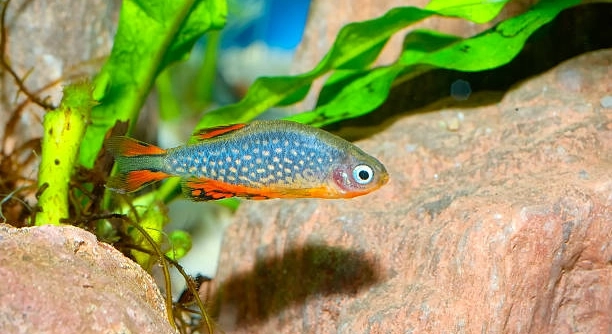
Are your Celestial Pearl Danios showing sinking behavior that leaves you feeling unsure about their well being? This gentle guide offers a simple start to understanding what may be happening in your aquarium at home.
Sinking behavior in Celestial Pearl Danios commonly results from stress, water quality fluctuations, swim bladder issues, parasitic infections, poor nutrition, temperature instability, or sudden environmental changes, which collectively influence buoyancy regulation and overall physiological stability within controlled aquatic systems today.
These factors influence your fishes behavior and help you gain steady insight as you continue reading through the remaining sections.
Water Quality Fluctuations
Water quality plays a major role in how your Celestial Pearl Danios behave, and I have found that even small changes can affect them more than you expect. When ammonia or nitrite levels rise, their bodies work harder to cope with the stress that follows. Sinking behavior often appears when their gills or internal systems struggle to keep up with poor conditions inside the tank. Clean water lets them move with ease, but stressed fish tend to lose balance over time. Stable parameters give them the support they need to stay active near the middle of the tank. I always make sure to test my water often, since catching issues early helps prevent the behavior from becoming worse. If the environment stays consistent, their bodies can recover at a steady pace. This simple habit offers comfort and keeps your small schooling fish steady and relaxed through normal routines each day.
Regular testing keeps your fish safe and helps you notice shifts before they influence their buoyancy. I keep my routine simple by checking levels, adjusting filtration, and changing water when needed. These steps support calm behavior and reduce sinking linked to unstable parameters in a way that feels steady daily.
Keeping water conditions stable gives your danios the support they need to recover from mild stress. I like to watch their movements during routine maintenance, since small signs can reveal if they are settling well. When the tank remains clean and gentle in flow, their bodies respond with smoother swimming patterns. Over time, consistent care strengthens their ability to stay lifted without effort. This makes their colors brighter and their activity level more natural. A steady setup also lowers risk of recurring issues, giving them room to thrive. Simple attention to quality keeps their behavior balanced and peaceful for them.
Swim Bladder Issues
Swim bladder problems often lead to sinking since the organ controls buoyancy. I watch for slow rises, tilted positions, or effortful swimming because these signs appear early. Soft feeding practices and clean water usually ease pressure on their bodies and help them regain gentle movement in a calm and steady.
Swim bladder issues can arise from overeating, sudden temperature swings, or internal inflammation, and I have noticed that these small fish react strongly to even simple mistakes in feeding. When they take in too much air at the surface, their bodies struggle to balance properly, which leads to slow sinking or awkward drifting near the bottom. Offering small meals reduces strain and helps their digestive system settle at a gentle pace. I also try to keep their food varied with soft items that are easy for them to manage, since heavy foods sometimes cause bloating that places pressure on the organ. Maintaining a steady temperature prevents unnecessary stress that can worsen the condition. Warm water that stays within the correct range supports their internal functions and keeps swelling from increasing. Clean water finishes the support by lowering the risk of bacterial irritation. With these steps, your fish gain the stability needed to hold themselves in the water with less effort, allowing their natural patterns to return over time. Careful feeding, stable warmth, and regular maintenance together create an environment where swim bladder concerns become manageable and less likely to disturb their daily behavior in a way that feels safe daily.
Parasitic Infections
Parasitic infections can make your Celestial Pearl Danios sink as their bodies grow weaker. I pay attention to thin bodies, clamped fins, and sluggish movement, since these signs often appear before the sinking becomes more noticeable inside the tank.
Treating infections early helps your fish regain strength with steady progress. I like to observe their feeding response, since reduced appetite often goes hand in hand with internal parasites. Using gentle medication supports their recovery without overwhelming them. Clean water lowers the chance of the parasites spreading, and this helps the affected fish settle more comfortably. A calm environment keeps their stress low while their bodies heal.
Regular monitoring helps you track improvement and prevents repeated issues. I find that isolating sick fish gives them a safe space to recover, and it keeps others from being exposed. Soft foods are easier for them to digest during treatment, allowing their bodies to conserve energy. With consistent care, their buoyancy often improves steadily.
Poor Nutrition
Poor nutrition weakens the muscles your danios rely on for buoyancy, and I have noticed that sinking often appears when their diet lacks variety. Soft, balanced foods help support their internal systems and keep their movements steady across the tank.
A simple feeding routine can make a meaningful difference over time. I try to offer small meals that include high quality flakes, micro pellets, and gentle frozen options. These foods give their bodies steady energy and reduce digestive strain. Heavy or oversized foods sometimes lead to bloating, which increases pressure inside their abdomen and contributes to sinking. Fresh, clean water helps clear waste efficiently and keeps their system functioning with ease. I have seen their color improve when their diet becomes more balanced, showing that their bodies respond well to better nourishment. By watching their behavior after feeding, you can learn which foods help them stay lifted and active without effort.
Temperature Instability
Temperature swings often make your Celestial Pearl Danios sink because their bodies struggle to adjust. I have seen them lose balance when the water shifts too quickly, especially during sudden drops that slow their internal functions.
Keeping the temperature steady helps them hold their position in the water with less effort. I rely on a reliable heater and regular checks to prevent sudden changes. When the warmth stays consistent, their movements become smoother and calmer.
Environmental Stress
Environmental stress can cause sinking when your danios feel overwhelmed by bright lighting, strong currents, or sudden disturbances. I try to keep their space gentle and predictable, since noise and fast movements near the tank can unsettle them quickly. Stable surroundings help them stay calm and maintain normal buoyancy without strain.
Tank Mates
Tank mates that are too active or aggressive can make your danios retreat downward. I choose peaceful species that keep the environment calm, since gentle company helps them feel secure and maintain steady swimming patterns.
FAQ
Why are my Celestial Pearl Danios sinking suddenly?
Sudden sinking usually points to stress, water quality issues, or a fast change in their environment. I have noticed that even a small shift in temperature or ammonia can affect them right away. When their bodies struggle to adjust, they lose balance and sink more often. Keeping the tank stable usually helps them recover gently.
Can sinking behavior fix itself over time?
It can improve if the cause is mild and corrected early. When I keep the water clean, adjust feeding, and remove stress, their buoyancy often returns at a slow and steady pace. If the issue relates to a short term imbalance, their bodies bounce back once the stress fades.
Is sinking always linked to swim bladder problems?
Not always. Swim bladder issues are common, but I have seen sinking caused by parasites, poor diet, cold water, and sudden disturbances. Sometimes the swim bladder reacts to another problem inside the tank. Supporting their health as a whole usually helps more than focusing on one single factor.
How can I tell if the sinking is caused by parasites?
I look for thin bodies, sluggish behavior, or clamped fins. When these signs appear with sinking, there is often an internal issue at play. A lack of interest in food is another clue. Treating the tank quickly helps prevent further stress and keeps the rest of the group safe.
What water parameters are most important to check?
I always check ammonia, nitrite, nitrate, and temperature first. These are the factors that affect their buoyancy the fastest. When any of these climb or fall out of range, my danios show it in their movement. Keeping the numbers stable helps them stay lifted without effort.
Can overfeeding make Celestial Pearl Danios sink?
Yes, it can. Overfeeding often leads to bloating, which places pressure on the swim bladder. Their bodies struggle to stay balanced when this happens. Offering smaller meals helps them digest better and lowers the chance of sinking linked to heavy food intake or trapped air.
Should I isolate a sinking fish?
I isolate them if I think the issue might be caused by infection or parasites. A separate space gives them rest and keeps others safe. It also lets me watch them closely and adjust feeding or warmth as needed. Isolation can reduce stress and support recovery.
How important is temperature stability?
It is very important. I have seen sinking appear when the temperature drops even a little too fast. Their metabolism slows and they lose balance. A reliable heater and calm water flow help keep them steady. Warmth that stays within the correct range supports their internal functions well.
Can tank mates cause sinking behavior?
Yes. Active or aggressive species can make your danios hide near the bottom. If they feel unsafe, they sink more often as a protective response. Calmer company keeps them relaxed. I choose species that match their gentle nature to avoid unnecessary stress.
What should I do first when I notice sinking?
I check the water right away to confirm if something has changed. Then I look at their feeding schedule, recent changes in the room, or shifts in temperature. Fixing these simple things first often makes a clear difference. If symptoms continue, treatment or isolation might be needed.
How long does it take for sinking behavior to improve?
It depends on the cause. Mild issues can improve in a few days with clean water and balanced feeding. More serious problems, like infections, take longer and need steady care. I stay consistent with maintenance, since slow and stable support helps them regain natural movement over time.
Is sinking behavior harmful if it continues?
Continuous sinking can wear their bodies down and weaken them over time. They rest more than they should and lose energy. If it goes on, I treat it as a sign that something deeper needs attention. Early care keeps the behavior from becoming harder to reverse.
Can tank size affect sinking behavior?
A small or crowded tank can increase stress, and stress often shows through sinking. Celestial Pearl Danios do better when they have room to move and breathe in calm water. A comfortable space helps them stay active, balanced, and confident in their schooling groups.
Final Thoughts
Caring for Celestial Pearl Danios becomes easier when you understand how sensitive they are to their surroundings. I have seen how small changes in water quality, temperature, or diet can affect the way they move, rest, and respond to daily routines. Sinking behavior is often a sign that something in their environment needs gentle adjustment. When conditions stay stable, their bodies handle stress more easily, and you begin to notice calmer swimming patterns, brighter colors, and steady activity. Paying attention to these simple details helps you support their health in a way that feels natural and steady. Even though they are tiny, their reactions can tell you a lot about what is happening inside the tank, and this makes routine care feel more thoughtful and reassuring. Over time, these habits grow into a consistent rhythm that keeps your fish comfortable and helps prevent more serious issues from appearing later on.
Watching for early signs of stress can make a meaningful difference in how well your danios recover from sinking behavior. I find it helpful to observe them during feeding, since their appetite often reflects their comfort. When they rise easily for food, stay in the middle of the tank, and respond gently to movement, it usually means the environment supports them well. If they sink more often, seem less active, or hide, it may be time to check their water, adjust their feeding, or look for subtle changes that might be affecting them. Simple steps can improve their well being without making the process overwhelming. Clean water, a calm environment, and gentle handling all work together to help them regain their natural rhythm. When you give them consistency, their behavior often improves slowly but clearly, and this builds confidence in your care routines.
Their small size and peaceful nature make them more responsive to good care, and you can create a space where they thrive with just a bit of steady attention. I have learned that long term health comes from small habits rather than large changes. When you maintain stable conditions, provide a varied diet, and choose calm companions, their movements become smoother and more balanced. This not only helps prevent sinking behavior but also encourages their natural schooling patterns, which makes the tank feel lively and calm at the same time. As you continue supporting them with patience and consistency, your danios will show you how well they are adapting through their relaxed movements and bright appearance. With gentle care and simple routines, they can live peacefully and remain steady, active, and comfortable in their home.

Hello,
If you enjoy the content that we create, please consider saying a "Thank You!" by leaving a tip.
Every little bit helps us continue crafting quality advice that supports the health, happiness, and well-being of pets around the world, for pets of all shapes, sizes, and species.
We really appreciate the kindness and support that you show us!