
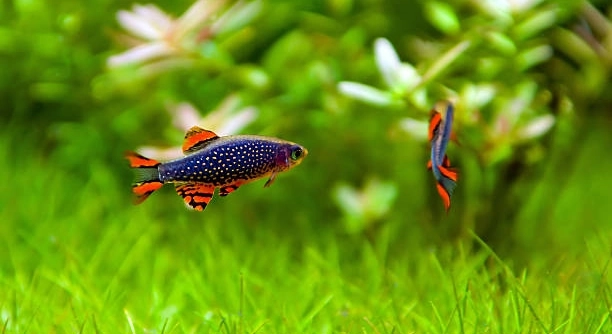
Danios are lively, small freshwater fish that react quickly to changes in their environment. Introducing a new substrate can influence their swimming patterns, feeding behavior, and overall comfort within the aquarium. Observing these reactions helps maintain a healthy habitat.
Danios often display seven distinct reactions when introduced to a new substrate. These include exploring the surface, sifting through particles, adjusting swimming depth, altering feeding patterns, showing cautious behavior, interacting with tank mates differently, and occasionally exhibiting temporary stress responses.
Monitoring these responses allows aquarists to provide the best conditions for their fish. Each reaction offers insight into their adaptation and comfort in a changing environment.
Exploring the Substrate
When I first changed the substrate in my aquarium, I noticed the danios immediately became more active. They swam closer to the bottom, investigating the new texture with quick, curious movements. Some sifted the particles with their mouths, while others hovered above, observing cautiously. Their usual swimming patterns adjusted as they adapted to the unfamiliar terrain, and the tank seemed livelier as a result. It was clear that the substrate impacted not only their behavior but also how they interacted with each other. I observed that certain colors and textures drew more attention, with lighter substrates making the fish appear more visible and confident. Their feeding habits shifted as well, with some eating directly off the substrate while others remained cautious. Watching these changes gave me a better understanding of their needs and preferences. This simple change highlighted how sensitive danios are to even small environmental alterations.
Even a small substrate change can cause immediate behavior shifts in danios. They react quickly and observe carefully.
Understanding these adjustments helps maintain a healthy environment. Monitoring their interactions and feeding behavior over several days ensures they settle comfortably. By noting patterns such as increased activity or cautious movements, it becomes easier to provide conditions that suit their natural tendencies. Adjustments to lighting, decorations, or tankmates may be necessary to reduce stress. Over time, observing these subtle behaviors allows aquarists to refine the aquarium setup. Danios are responsive fish, and even minor changes can influence their routine. Paying close attention ensures the fish remain healthy, active, and comfortable. Their reactions can also inform future decisions about tank design and substrate selection. Recognizing these patterns early prevents prolonged stress and encourages a balanced habitat where the fish thrive naturally.
Stress Responses
Danios can display brief stress when encountering a new substrate. These responses are usually short-lived but noticeable.
Stress may appear as rapid darting, hesitation near the bottom, or temporary hiding. Over the first few hours, some fish may swim erratically or avoid certain areas. Monitoring for these behaviors allows for timely adjustments to reduce tension. Ensuring water parameters remain stable, providing ample hiding spots, and avoiding sudden movements around the tank helps the fish regain comfort. Gradually introducing new decorations alongside the substrate can also ease their adaptation. Once the initial stress passes, most danios resume normal behavior, exploring and feeding as usual. Recognizing these signs early ensures their health is not compromised. Observing the tank as a whole, including tankmates’ reactions, gives a fuller picture of adaptation. Documenting patterns helps anticipate future responses when further changes occur. Consistency in care, patience, and gentle observation are key to minimizing stress and maintaining a thriving aquarium environment.
Increased Exploration
Danios immediately begin exploring a new substrate. They swim along the bottom, inspecting every crevice and particle with quick, deliberate movements, showing their natural curiosity and alertness.
I noticed that when I changed the substrate, my danios spent more time near the bottom, carefully inspecting the new surface. They would hover briefly, then dart along the edges, often revisiting the same spots multiple times. This repeated exploration seems to help them understand the new environment and establish safe zones. Their interactions with other fish also changed, with some becoming bolder while others remained cautious. Over several hours, the tank felt more active and dynamic as each fish adjusted at its own pace.
Observing these behaviors gave me insight into how sensitive danios are to changes in their environment. Even small differences in texture, color, or particle size affected how confidently they moved and explored. Some fish preferred the smoother areas, while others seemed to enjoy sifting through finer grains. Watching them interact with the new substrate revealed their individual preferences and personalities, which is important for maintaining a balanced and stress-free aquarium. Adjusting lighting and placement of plants further influenced their confidence in exploring.
Feeding Adjustments
Danios often change their feeding behavior when introduced to new substrate. Some become more cautious, while others immediately try eating off the surface.
During substrate changes, I observed my danios adjusting how and where they fed. Fish that usually nibbled at the bottom hesitated, while others tested small areas first. They seemed to weigh safety against hunger, approaching food gradually. Over a few days, they adapted and resumed normal feeding patterns, with some even exploring previously ignored areas for scraps. Observing this behavior helped me understand how environmental changes influence appetite and activity levels.
Feeding adjustments also depend on the type of substrate. Coarser textures caused some fish to sift more actively, while smoother surfaces encouraged quicker feeding. Light-colored substrates made it easier for them to spot food, reducing hesitation. Fish that were initially shy gradually became more confident, integrating exploration and feeding seamlessly. This behavior highlighted the importance of giving danios time to adapt, as forcing feeding or sudden changes increased stress. Observing these patterns allowed me to optimize feeding routines and placement, ensuring all fish had access to nourishment. Adjusting food type, timing, and location based on their behavior helped maintain a healthy, balanced environment.
Cautious Movements
Danios often move cautiously when first introduced to new substrate. They hover, make short swims, and carefully test areas before fully exploring, showing a natural wariness.
Some fish will retreat to familiar spots if the substrate feels unfamiliar. Others gradually expand their range, gaining confidence over time as they adapt to the texture and layout of the tank.
Interaction Changes
Changes in substrate can affect how danios interact with each other. Fish may become more territorial or more social depending on the layout. Observing these shifts helps understand their comfort levels and social hierarchy.
Adjusting Swimming Patterns
Danios may alter swimming depth and speed when adjusting to new substrate. Some swim closer to the bottom, while others stay mid-level until they feel secure, reflecting their instinctive need for safety and adaptation.
Temporary Hiding
When substrate is unfamiliar, danios sometimes hide under decorations or plants. This behavior typically lasts a few hours to a couple of days as they gradually assess their surroundings and gain confidence.
FAQ
How long do danios take to adjust to new substrate?
In my experience, danios usually start exploring within the first few hours, but full adjustment can take several days. Some fish adapt faster, while shy individuals may take longer. Providing stable water conditions and minimal disturbances helps them settle more quickly. Observing their swimming and feeding behavior gives clues on their comfort level.
Will danios stop eating on new substrate?
It is common for danios to pause or be cautious about feeding immediately after a substrate change. They may nibble slowly or pick food off safer spots. Over one to two days, most resume normal feeding as they grow accustomed to the texture and appearance of the tank bottom.
Do danios prefer certain substrate textures?
Yes, danios seem to have preferences. I noticed mine gravitate toward smoother or finer substrates for sifting, while coarser gravel sometimes caused hesitation. Light-colored substrates make food more visible, increasing feeding confidence. Observing their behavior can help determine which textures make them feel secure.
Can substrate changes stress danios?
Temporary stress is normal. Rapid darting, hiding, or hesitating near the bottom are common signs. Stress usually passes within a few hours to a day. Providing hiding spots, stable water parameters, and gradual changes reduces the stress and supports faster adaptation.
Do tankmates influence how danios react to new substrate?
Absolutely. More confident tankmates can encourage hesitant fish to explore. Aggressive or overly active fish may increase stress for shy individuals. Observing the entire tank’s dynamics helps assess if additional adjustments, such as rearranging decorations or adding more cover, are needed.
Should I change the substrate completely or gradually?
Gradual changes tend to reduce stress. I often replace sections over several days, allowing danios to explore small areas at a time. This approach minimizes hesitation and sudden behavioral shifts, making adaptation smoother and more predictable.
How does substrate color affect danios?
Color impacts visibility and perceived safety. Lighter substrates make fish more confident in exploring and feeding, while darker substrates may initially make them cautious. Choosing a color that balances comfort and visibility ensures they feel secure while allowing easy observation.
Do danios scratch or sift the substrate?
Yes, sifting is a natural behavior, often more pronounced on finer substrates. I observed mine picking through particles with their mouths, testing textures, and searching for food remnants. This behavior helps them adjust and demonstrates their natural interaction with the environment.
Can I combine multiple substrate types?
Mixing textures or colors can offer variety and enrichment, but abrupt transitions should be avoided. Danios may hesitate at boundaries between different materials. Gradually introducing changes and observing their responses ensures comfort and encourages exploration without causing stress.
How often should substrate be cleaned after a change?
After a new substrate is added, light cleaning is important to remove debris without disturbing fish excessively. Over the first few days, I gently siphon particles, being careful not to stress them. Once they adapt, regular maintenance can resume, keeping the tank healthy.
Do danios behave differently on sand versus gravel?
Yes, behavior changes are noticeable. On sand, they may sift more carefully and stay closer to the surface. On gravel, they often explore more actively but may be slower to eat. Adjusting feeding spots and observing interactions helps ensure all fish remain comfortable.
Is it normal for danios to hide after a substrate change?
Hiding is a common short-term response. Mine often took cover under plants or decorations during the first hours. This behavior usually decreases as they become familiar with the new substrate, and confident individuals begin exploring more actively.
Can substrate impact danio health?
Proper substrate supports healthy behavior, feeding, and stress levels. Sharp or rough particles can cause injuries, while unstable textures may increase stress. Observing reactions and choosing safe, appropriate substrate ensures the tank remains a healthy environment for all danios.
How do I know if my danios are fully adapted?
Full adaptation is shown by regular swimming patterns, confident feeding, and consistent interaction with tankmates. In my experience, most danios display these behaviors within a few days, though shy individuals may take slightly longer. Monitoring daily helps ensure they are comfortable and thriving.
Final Thoughts
Changing the substrate in a danio tank can have a noticeable impact on their behavior. From the first moments, danios respond to new textures, colors, and layouts. They explore cautiously, adjust swimming patterns, and sometimes hide until they feel secure. Observing these reactions provides valuable insight into their comfort and adaptation process. Even small differences, such as particle size or color, can influence how confident they feel in their environment. It is important to remember that each fish has its own pace of adjustment. While some may begin exploring immediately, others remain hesitant for a longer period. Providing a calm and stable environment helps all fish adapt more smoothly. Minimizing sudden disturbances, maintaining consistent water parameters, and ensuring proper lighting contribute to a sense of security, which is essential for healthy behavior.
Feeding behavior often changes alongside substrate adjustments. Danios may hesitate to eat or shift the way they approach food, particularly if the substrate is unfamiliar or has a contrasting color. In my experience, fish gradually regain confidence as they explore, sometimes changing where and how they feed. Lighter substrates tend to improve visibility, encouraging quicker acceptance of food, while coarser textures can lead to more cautious feeding. Patience is key during this time. Observing their reactions helps identify which areas of the tank feel safe and which may require minor adjustments, such as repositioning decorations or providing additional cover. Over time, most fish resume normal feeding patterns while continuing to interact naturally with the new environment. Careful attention to these subtle behaviors ensures the fish remain healthy and active, supporting overall tank stability.
Interactions between tankmates also shift when the substrate changes. Some danios may become more territorial, while others display increased social behavior depending on the layout and available space. Monitoring these changes can help identify potential stress points or areas where fish may need extra cover. Gradual substrate changes tend to reduce tension and allow fish to explore at their own pace, while abrupt changes can lead to temporary stress responses. Understanding these dynamics is important for maintaining a balanced and harmonious aquarium. By observing exploration, feeding, and social interactions, aquarists can make informed decisions about substrate selection and tank arrangement. Overall, providing a safe, consistent, and stimulating environment ensures that danios remain active, healthy, and confident as they adapt to their new surroundings.

Hello,
If you enjoy the content that we create, please consider saying a "Thank You!" by leaving a tip.
Every little bit helps us continue crafting quality advice that supports the health, happiness, and well-being of pets around the world, for pets of all shapes, sizes, and species.
We really appreciate the kindness and support that you show us!