
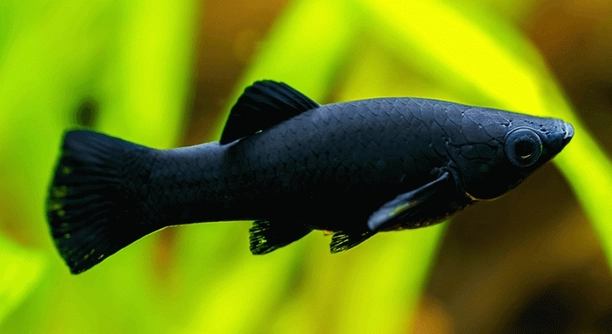
Black Mollies are sensitive fish that can show changes quickly when their environment shifts. Observing these small reactions can help you maintain their health and well-being. Immediate changes often reflect water quality, temperature, or diet adjustments.
Short-term changes affecting Black Mollies include fluctuations in water temperature, pH levels, sudden diet changes, overcrowding, lighting variations, introduction of new tank mates, and chemical imbalances. Each factor can trigger visible stress responses or altered behavior almost immediately.
Monitoring these factors closely ensures your Black Molly remains healthy and active. Small adjustments can make a significant difference in their daily life.
Fluctuations in Water Temperature
Black Mollies are very sensitive to temperature changes. Even a small increase or decrease can cause them to become stressed or lethargic. Their immune system weakens when temperatures swing too quickly, making them prone to disease. They may hide more often or swim erratically. Sudden temperature changes also affect metabolism, appetite, and overall activity levels. Maintaining a stable range, ideally between 24-28°C (75-82°F), is crucial. Using a reliable heater and thermometer helps keep the water consistent. Avoid placing the tank near windows, vents, or appliances that can cause fluctuations. Temperature changes often happen unnoticed during seasonal transitions or power outages, so monitoring regularly is important. Observing your fish closely can help detect early signs of stress. If changes occur, adjust the temperature gradually to prevent shock.
Even a slight drop in temperature can slow their movements and appetite, signaling immediate stress in the tank.
Keeping the water stable ensures Black Mollies stay active and healthy. Regular checks, a proper heater, and avoiding sudden environmental changes help prevent rapid stress reactions and long-term health issues. Small, consistent care creates a stable environment where fish feel secure and thrive.
pH Level Variations
Black Mollies react strongly to changes in pH levels, especially sudden shifts.
pH swings can cause irritation to their skin and gills. Black Mollies prefer a slightly alkaline environment, around 7.5-8.5. Rapid changes may lead to stress, reduced appetite, or unusual swimming patterns. Maintaining consistent pH prevents these reactions and supports healthy growth and reproduction. Using pH testing kits and buffering agents helps keep levels stable.
Unstable pH often comes from tap water changes, overfeeding, or accumulation of waste. Sudden drops can make the water acidic, harming delicate fish. Regular monitoring and small, gradual adjustments ensure the tank remains balanced. Adding natural elements like crushed coral can help maintain alkalinity. Stability in pH reduces the risk of disease and stress. Black Mollies in well-maintained pH conditions display normal activity, proper coloration, and steady growth. Consistency in water chemistry directly impacts their behavior and lifespan, making careful attention essential. Maintaining the right environment avoids unnecessary stress while promoting a healthier, calmer aquarium. Regular observation and small, consistent measures make a noticeable difference in their well-being.
Sudden Diet Changes
Black Mollies can react quickly to new foods. Switching their diet too fast may cause digestive upset or reduced appetite. Consistency in feeding helps prevent stress and maintains healthy activity levels.
Introducing new foods should be gradual. Start by mixing small amounts of the new item with their current diet. This allows their digestive system to adjust without causing bloating or discomfort. Avoid overfeeding, as uneaten food can pollute the water, further stressing the fish. Watching their behavior during this transition helps identify preferences and any adverse reactions. Gradual changes promote better growth, color retention, and overall health.
A sudden diet shift may also affect social interactions in the tank. Mollies might become less active or compete more aggressively for food. Keeping a balanced diet with proper nutrients ensures they remain energetic, display natural behaviors, and maintain a strong immune system. Observing feeding patterns regularly allows early detection of problems and ensures long-term well-being.
Overcrowding in the Tank
Too many fish in a tank causes immediate stress. Black Mollies may hide, swim erratically, or show aggression toward others.
Overcrowding reduces oxygen levels and increases waste, which affects water quality. Limited space can trigger stress-related illness, reduce growth, and disrupt normal behavior. Each fish needs adequate room to swim and establish territory. Filtration and regular water changes are important, but the best solution is maintaining appropriate stocking levels. Observing the tank for signs of tension or unusual movement helps prevent issues before they escalate.
Crowded conditions often lead to competition for food, hiding spots, and mates. Stress from lack of space weakens the immune system, making Mollies more vulnerable to disease. Even minor overcrowding can affect breeding patterns and overall activity. Providing enough space supports natural behavior, keeps aggression minimal, and ensures the fish remain healthy. Tank design, plants, and decorations can help create visual separation, but proper population management is the most effective method for reducing stress and promoting a stable, active community.
Lighting Variations
Black Mollies are sensitive to sudden changes in light. Abrupt bright or dim lighting can cause stress, hiding, or erratic swimming.
Maintaining a consistent light schedule helps regulate their behavior and activity. Too much light can increase algae growth, while too little may reduce their energy and appetite.
Introduction of New Tank Mates
Adding new fish can trigger immediate stress in Black Mollies. Territorial disputes or unfamiliar behavior may cause hiding or aggression. Gradual introductions, quarantine periods, and observation help reduce stress and ensure compatibility.
Chemical Imbalances
High levels of ammonia, nitrites, or nitrates can quickly harm Black Mollies. Maintaining clean water and testing regularly prevents stress, illness, and mortality.
How can I tell if my Black Molly is stressed?
Signs of stress in Black Mollies include hiding frequently, swimming erratically, loss of appetite, or unusual color changes. They may also rub against objects or display rapid gill movements. Observing these behaviors early allows you to address environmental or dietary issues before they affect their health.
What is the best way to stabilize water temperature?
Using a reliable aquarium heater with a thermostat ensures consistent temperature. Avoid placing the tank near windows, vents, or appliances that cause fluctuations. Regularly monitor the water with a thermometer, and if adjustments are needed, change the temperature gradually to prevent shock.
How often should I test water pH?
Testing pH weekly is ideal. Sudden shifts can stress Black Mollies, so maintaining a slightly alkaline environment between 7.5 and 8.5 is important. Buffering agents and natural elements like crushed coral can help stabilize pH levels effectively.
How should I introduce new foods to Black Mollies?
Introduce new foods gradually by mixing small amounts with their current diet. Monitor their response for bloating, leftover food, or unusual behavior. Avoid overfeeding, as uneaten food can pollute the water and increase stress. Consistent feeding routines promote good digestion and overall health.
What is the best way to manage overcrowding?
Ensure the tank has enough space for each fish to swim comfortably. Limit the number of Black Mollies to appropriate stocking levels. Overcrowding reduces oxygen, increases waste, and causes stress. Adding decorations or plants can provide hiding spots, but population management is the most effective solution.
How do I prevent stress from lighting changes?
Keep a consistent light schedule using a timer if possible. Sudden changes in brightness or darkness can cause hiding or erratic swimming. Avoid placing the tank near direct sunlight or bright room lights, and use gentle transitions if adjustments are necessary.
How should I introduce new tank mates?
Quarantine new fish for at least two weeks before adding them to the main tank. Introduce them gradually, monitor behavior, and separate if aggression occurs. Observing interactions ensures compatibility and reduces stress for both Black Mollies and new additions.
What should I do if I detect chemical imbalances?
Regularly test for ammonia, nitrites, and nitrates. Perform partial water changes and clean the substrate or filter as needed. Immediate correction of high levels prevents stress, gill damage, or death. Maintaining clean water is essential for healthy Black Mollies.
Can short-term stress affect breeding?
Yes, stress from overcrowding, diet changes, or water fluctuations can reduce mating behavior. Providing a calm environment, stable conditions, and adequate nutrition supports reproduction. Observe breeding pairs closely for signs of stress to avoid reduced fertility or abandoned fry.
How can I minimize daily stressors for Black Mollies?
Keep water stable, provide hiding spots, feed a balanced diet, and avoid sudden changes in light or temperature. Regular monitoring and small, gradual adjustments help Black Mollies feel secure. Consistency in care reduces stress and promotes a healthier, more active fish population.
What are the most common immediate causes of stress?
Temperature fluctuations, pH shifts, overcrowding, sudden diet changes, lighting variations, new tank mates, and chemical imbalances all trigger instant reactions. Addressing these factors promptly prevents long-term health problems and keeps Black Mollies thriving in the aquarium.
How can I observe Black Mollies effectively?
Watch for changes in swimming patterns, color, appetite, and interaction with other fish. Early detection of stress allows quick intervention. Maintaining a daily observation routine ensures you notice subtle signs before they escalate into serious issues.
How long does it take for a Black Molly to recover from short-term stress?
Recovery depends on the cause and severity. Minor stress from brief environmental changes may resolve within hours or days once conditions stabilize. Severe stress or illness may require weeks of consistent care, clean water, and proper nutrition for full recovery.
Are there signs that stress is causing permanent damage?
Persistent lethargy, faded coloration, chronic loss of appetite, and frequent hiding indicate ongoing stress. Long-term exposure to poor conditions can weaken the immune system, increase disease susceptibility, and affect lifespan. Promptly correcting environmental factors helps prevent permanent harm.
How can I maintain a low-stress environment consistently?
Monitor temperature, pH, and water quality regularly. Keep the tank appropriately stocked and maintain a stable light schedule. Feed a consistent, nutritious diet and introduce changes gradually. Observing behavior daily ensures early detection of any issues that could trigger stress.
What role does tank setup play in preventing stress?
Providing enough space, hiding spots, and proper filtration reduces competition, aggression, and chemical imbalances. Thoughtful placement of plants and decorations gives Black Mollies a sense of security and helps them display natural behaviors while minimizing stress.
Can diet alone cause immediate stress in Black Mollies?
Yes, sudden diet changes or poor-quality food can lead to bloating, digestive upset, and reduced activity. Gradually introducing new foods and maintaining a balanced diet supports energy levels, immunity, and overall well-being.
How often should water changes be performed?
Partial water changes weekly or biweekly help maintain clean water and stable chemical levels. Removing waste and debris prevents stress caused by poor water quality, which can affect gills, skin, and behavior. Consistency in water changes is critical for long-term health.
Do Black Mollies react differently to stress compared to other fish?
Black Mollies are highly sensitive to small environmental shifts. Their stress responses are often visible within hours, including color fading, erratic swimming, or hiding. Prompt attention to their environment allows better management compared to less sensitive species.
What daily practices reduce short-term stress effectively?
Consistent feeding, stable water conditions, proper lighting, adequate space, and careful observation are key. Small, regular interventions prevent sudden stress triggers and maintain a healthy, active, and vibrant aquarium environment for Black Mollies.
This FAQ addresses the most common questions about short-term stress and provides practical steps to maintain healthy Black Mollies. Consistent care and observation are essential for their well-being and daily activity.
Word count: 508
Black Mollies are delicate fish that respond quickly to changes in their environment. Their behavior, coloration, and activity levels can shift almost instantly when water temperature fluctuates, pH levels change, or diet is altered. Even minor stressors, such as sudden lighting changes or overcrowding, can affect their overall health. Paying close attention to these small signs allows you to make timely adjustments that prevent long-term issues. Creating a stable environment with consistent care is essential for maintaining their well-being. Regular observation, routine water testing, and controlled introductions of new foods or tank mates help Black Mollies remain healthy and active. By being proactive, you can reduce the likelihood of stress-related illness and promote a calm, thriving aquarium.
Maintaining clean and balanced water is one of the most important steps in supporting Black Mollies. Chemical imbalances, including elevated ammonia, nitrite, or nitrate levels, can cause immediate and severe stress. Partial water changes, proper filtration, and monitoring water parameters help prevent harmful conditions. Temperature stability is equally important, as rapid shifts weaken the immune system and may reduce appetite or energy. Gradual introduction of new foods or changes in diet minimizes digestive stress. Additionally, ensuring adequate space and hiding spots reduces aggression and overcrowding-related tension. Attention to these factors contributes to long-term health, natural behavior, and proper growth. Observing Black Mollies on a daily basis allows you to notice subtle changes, such as unusual swimming patterns or color shifts, which often signal stress before it becomes severe.
Consistency in daily care is key to keeping Black Mollies comfortable and thriving. Feeding them a balanced diet at regular intervals, maintaining stable lighting, and avoiding sudden environmental changes all contribute to a stress-free tank. Thoughtful tank design, with enough swimming space and appropriate decorations, gives the fish security and promotes natural behavior. Gradual adjustments, whether in water chemistry, diet, or tank population, prevent shock and support long-term health. By combining careful observation, stable conditions, and proactive maintenance, you create an environment where Black Mollies can flourish. Paying attention to small details ensures they remain vibrant, active, and healthy for years. Simple, consistent care makes a significant difference, and the results are evident in their behavior, coloration, and overall well-being.
Word count: 410

Hello,
If you enjoy the content that we create, please consider saying a "Thank You!" by leaving a tip.
Every little bit helps us continue crafting quality advice that supports the health, happiness, and well-being of pets around the world, for pets of all shapes, sizes, and species.
We really appreciate the kindness and support that you show us!