
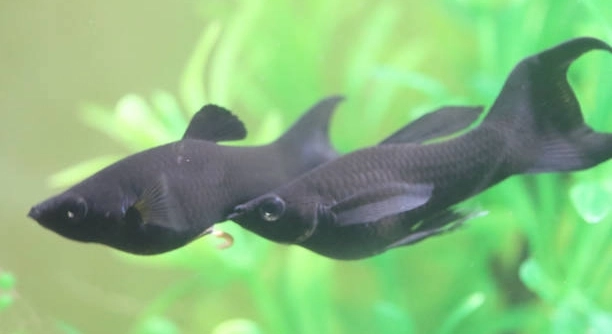
Black Mollies are lively fish that brighten any freshwater tank. Their eating habits can change quickly, leaving owners concerned. Environmental factors often play a key role in shaping their appetite and overall behavior in the aquarium.
Several environmental changes can affect Black Molly appetite. Variations in water temperature, pH levels, and tank cleanliness directly influence feeding behavior. Light exposure, overcrowding, and sudden habitat changes also contribute, impacting their digestion and willingness to eat regularly.
Knowing these factors helps maintain healthy fish. Understanding the influences allows you to adjust their environment effectively and support consistent feeding habits for your Black Mollies.
Water Temperature Fluctuations
Black Mollies are sensitive to changes in water temperature. Sudden shifts can make them less active and reduce their appetite. Ideally, the water should remain between 72°F and 78°F. Temperatures outside this range can stress them, which may lead to irregular feeding. Consistency is key, as frequent adjustments or extreme swings in temperature disrupt their natural eating habits. Heating devices or aquarium chillers can help maintain stable conditions. Observing your fish daily allows you to notice early signs of stress caused by temperature changes, like hiding or slow swimming. Providing a gentle and gradual temperature adjustment when necessary ensures they remain comfortable. Even minor fluctuations over a few days can cause noticeable changes in appetite. Understanding their temperature needs helps prevent long-term health issues and keeps them eating normally. Black Mollies thrive best in a predictable environment with steady warmth.
Maintaining stable temperatures supports consistent feeding patterns and keeps fish stress levels low, promoting a healthy appetite.
Even small temperature changes can affect metabolism. Cooler water slows digestion, while warmer water increases activity, sometimes causing overeating or skipping meals. Fish may hide or reduce movement, which impacts their feeding behavior. Regular monitoring and minor adjustments help maintain appetite and overall health, ensuring your Black Mollies remain active and well-fed.
Water Quality and Cleanliness
Dirty or poorly filtered water can reduce appetite in Black Mollies. Poor water quality stresses fish and makes them less likely to eat.
High ammonia, nitrite, or nitrate levels disrupt digestion and feeding. Uneaten food and decaying plants worsen water quality, creating a cycle of stress. Regular water changes, proper filtration, and monitoring of chemical levels are essential to keep the environment stable. Black Mollies are sensitive to pH changes; an ideal range is 7.0 to 8.5. Sudden shifts or unbalanced water conditions can cause them to refuse food entirely. Tank maintenance routines, including cleaning decorations and vacuuming the substrate, help reduce toxins. Observing the fish for unusual behavior, like gasping at the surface, can indicate water issues affecting appetite. Healthy water encourages natural feeding and supports immune function, reducing the risk of illness. Investing time in consistent maintenance creates a more predictable environment where Black Mollies can feed confidently and thrive. Proper water care is as important as food quality in maintaining appetite.
Overcrowding
Too many fish in a tank can stress Black Mollies and reduce their appetite. Limited space causes competition for food and can increase aggression among tank mates, making them eat less.
Overcrowding affects swimming patterns and access to feeding areas. Black Mollies may hide or stay near the surface to avoid other fish, skipping meals. Aggressive tank mates can intimidate them, further decreasing appetite. Providing enough space per fish and monitoring population density ensures a calmer environment. Aquariums should allow at least 1 gallon of water per inch of fish to maintain proper spacing. Overcrowding can also worsen water quality, increasing toxins that affect health and feeding behavior. Observing interactions during feeding helps identify if any fish are being left out. Regularly assessing tank population and rearranging decorations to create hiding spots can improve comfort. When Black Mollies feel secure, they are more likely to eat regularly and maintain healthy growth.
Even slight overcrowding can disrupt routines. Proper spacing, hiding spots, and monitoring behavior improve feeding patterns and overall fish health.
Light Exposure
Black Mollies need consistent light cycles for normal appetite and activity. Irregular lighting confuses their internal rhythms and may reduce feeding frequency.
Too much light can cause stress and algae growth, affecting water quality. Too little light may reduce activity and make them less motivated to eat. A balanced light schedule of 10-12 hours daily helps regulate appetite. Using a timer ensures consistency. Observing fish activity can indicate if lighting needs adjustment. Changes in lighting should be gradual to avoid shocking the fish. Shadows and hiding areas offer relief during bright periods, supporting comfort and natural behavior. Proper light management keeps the tank visually healthy and supports regular feeding habits. Lighting affects metabolism, mood, and digestion, so maintaining a stable cycle is essential for consistent eating.
Consistent light encourages regular activity and feeding. Gradual changes and a proper schedule prevent stress and appetite issues in Black Mollies.
Sudden Habitat Changes
Black Mollies are sensitive to sudden changes in their tank environment. Moving decorations, introducing new plants, or relocating the tank can stress them and reduce appetite.
Even small adjustments can make them hesitant to eat. Keeping changes gradual helps them adapt and maintain normal feeding habits.
Water pH Shifts
Fluctuations in pH levels can upset Black Mollies’ digestive systems. Ideal pH ranges from 7.0 to 8.5. Sudden shifts make them less likely to eat and may cause long-term stress. Regular testing and gradual adjustments help keep pH stable.
Overfeeding
Feeding too much or too frequently can harm Black Mollies. Uneaten food pollutes water and discourages regular eating habits.
Keeping portions small and feeding at consistent times supports healthy appetite and prevents digestive issues.
What causes Black Mollies to stop eating suddenly?
Black Mollies can stop eating for several reasons, most of which relate to environmental stress. Sudden temperature changes, poor water quality, or overcrowding often reduce their appetite. Even minor disturbances in their tank, like moving decorations or adding new fish, can make them hesitant to eat. It’s important to observe behavior carefully and check water parameters regularly. Stress from aggressive tank mates or loud surroundings can also play a role. When Mollies feel unsafe, they hide or swim less, often skipping meals. Gradual adjustments and maintaining stable conditions usually restore their normal feeding habits.
How do I know if my Black Molly is stressed?
Stress in Black Mollies shows in behavior and physical signs. They may hide frequently, swim erratically, or stay near the surface. Appetite loss is a common indicator. Other signs include faded colors, clamped fins, or lethargy. Stress can be caused by overcrowding, poor water quality, sudden pH shifts, or improper lighting. Watching interactions with other fish can also reveal stress; Mollies avoiding food or being chased during feeding is a red flag. Providing hiding spots, maintaining proper water conditions, and keeping a consistent routine helps reduce stress. Observing their body language daily helps catch problems early.
What is the best water temperature for Black Mollies?
Black Mollies thrive in water temperatures between 72°F and 78°F. Temperatures outside this range can slow metabolism or cause excessive activity, both of which affect appetite. Rapid temperature swings are especially harmful and can stress the fish, leading to skipped meals. Using a reliable heater or chiller and monitoring daily ensures stability. Gradual adjustments, rather than sudden changes, help the fish adapt. Maintaining the proper temperature supports digestion, energy levels, and feeding behavior. Daily observation can indicate if the temperature is too low or too high, as stressed Mollies may hide or gasp at the surface. Consistency is key.
How often should I feed my Black Mollies?
Black Mollies do best with small, regular feedings. Feeding once or twice a day is sufficient for adult fish. Overfeeding can pollute the water, causing digestive issues and reducing appetite. Uneaten food decomposes and releases toxins that stress the fish. Providing small portions ensures they finish all the food and encourages regular eating habits. Fry may need more frequent feedings, three to four times daily. Observing how much your Mollies eat in a few minutes helps determine proper portions. A consistent feeding schedule reduces stress and keeps appetite steady. Variety in diet, such as flake food, vegetables, or frozen foods, also encourages healthy feeding.
Can water pH affect Black Molly appetite?
Yes, pH shifts directly impact appetite and digestion. Black Mollies prefer a slightly alkaline environment, ideally between 7.0 and 8.5. Sudden drops or spikes in pH can make them refuse food and cause stress. Regular testing with a reliable pH kit ensures stability. If adjustments are needed, they should be gradual to avoid shocking the fish. pH stability supports metabolism and digestive function. Improper pH over time can weaken immunity, further affecting feeding. Adding buffering agents or water changes helps maintain ideal levels. Observing the fish for behavior changes after pH adjustments can indicate whether they are comfortable and ready to resume normal eating.
What can I do if my Black Molly refuses food?
Start by checking environmental conditions: temperature, pH, water quality, and lighting. Make sure the tank isn’t overcrowded, and there’s minimal stress from other fish. Remove uneaten food to prevent water contamination. Try offering varied foods, including live, frozen, or blanched vegetables, to stimulate appetite. Gradual adjustments to temperature or pH can encourage feeding. Observing them closely helps identify specific stressors. Sometimes giving them quiet time without disturbances encourages normal behavior. Consistency in routine, including feeding times and light cycles, reassures the fish. Patience is key, as sudden changes often take a day or two to reverse their appetite loss.
How does tank overcrowding affect feeding?
Overcrowding increases competition for food and stress levels. Black Mollies may hide or be intimidated by more aggressive tank mates, causing skipped meals. Crowded tanks also reduce swimming space, limiting access to food. High population density can worsen water quality, compounding appetite issues. Providing adequate space per fish and creating hiding spots improves feeding behavior. Observing interactions during mealtime ensures all fish get enough to eat. Regular population assessments help maintain a healthy balance, allowing Black Mollies to feed confidently and remain active. Proper spacing and monitoring prevent long-term feeding problems.
Can light cycles influence Black Molly appetite?
Yes, irregular lighting disrupts natural rhythms, making them eat less. Black Mollies need about 10-12 hours of light daily. Too much light can stress them, while too little reduces activity and interest in food. Using a timer maintains consistency. Shadows or hiding areas help Mollies feel secure during bright periods. Proper light cycles support metabolism, feeding habits, and overall health. Gradual changes in lighting prevent stress and appetite loss. Observing daily activity provides insight into whether adjustments are needed. A stable, predictable light schedule helps them remain active and ready to feed regularly.
What is the impact of water cleanliness on appetite?
Dirty water reduces appetite because high levels of ammonia, nitrites, or nitrates stress Black Mollies. Uneaten food and decaying plants increase toxins, causing digestive and feeding problems. Regular water changes, filtration, and cleaning decorations help maintain a healthy environment. Stable water encourages natural feeding and reduces disease risk. Proper cleaning routines ensure consistent appetite and long-term fish health. Checking chemical levels and removing waste promptly prevents subtle stressors from affecting feeding behavior. Clean water supports energy, digestion, and comfort, allowing Black Mollies to feed normally and thrive.
How can diet variety affect feeding behavior?
Offering a mix of flake, frozen, and vegetable foods encourages consistent appetite. Monotonous diets may cause boredom and reduced interest in eating. Including leafy greens, small live foods, or occasional protein sources stimulates natural feeding instincts. Proper portion control prevents leftover food from harming water quality. Varying textures and flavors keeps Black Mollies engaged and ensures balanced nutrition. Observing which foods are preferred helps adjust feeding strategies. A diverse diet supports growth, energy, and immunity, making them more likely to maintain regular meals. Balancing diet variety with consistent feeding times strengthens healthy appetite and digestion.
This FAQ addresses most common concerns regarding Black Molly appetite, offering clear guidance to keep feeding behavior consistent and the fish healthy.
Black Mollies are lively fish that can bring a lot of enjoyment to an aquarium, but their appetite can be sensitive to changes in their environment. Many factors influence whether they eat regularly, including water temperature, pH levels, cleanliness, light exposure, and tank population. Even small changes, like moving decorations or introducing new tank mates, can make them hesitant to eat. Understanding these environmental influences helps ensure that your Black Mollies remain healthy and active. By paying close attention to their behavior and feeding patterns, you can make adjustments before stress or poor health becomes a serious problem. Consistency is key for maintaining their appetite, and taking small steps to stabilize their surroundings often results in noticeable improvements.
Maintaining a stable and clean tank environment is essential for Black Mollies to feel secure and eat consistently. Regular water testing, proper filtration, and consistent feeding schedules all play a role in supporting healthy behavior. Temperature fluctuations or sudden pH changes can stress fish and disrupt digestion, so keeping conditions within their ideal range is important. Overcrowding can also impact feeding habits, as fish may compete for food or become intimidated by tank mates. Providing enough space and hiding spots reduces stress and encourages them to feed regularly. Even light cycles can affect appetite, so using a timer to create a predictable day-night schedule can help regulate activity and eating patterns. Small, gradual changes are always better than sudden adjustments, which can shock the fish and cause them to refuse food.
Feeding Black Mollies the right amount of food at regular intervals is equally important. Overfeeding can pollute the water, which negatively affects appetite and overall health. Offering a variety of foods, including flakes, frozen foods, and vegetables, helps keep them interested in eating while providing balanced nutrition. Observing which foods your fish prefer and adjusting portions accordingly ensures they get the energy they need without harming water quality. Paying attention to their behavior, combined with maintaining a stable environment, creates a healthy routine that supports consistent appetite. With patience and careful observation, you can create conditions where your Black Mollies thrive, remain active, and eat regularly, helping them live long, healthy lives in your care.

Hello,
If you enjoy the content that we create, please consider saying a "Thank You!" by leaving a tip.
Every little bit helps us continue crafting quality advice that supports the health, happiness, and well-being of pets around the world, for pets of all shapes, sizes, and species.
We really appreciate the kindness and support that you show us!