
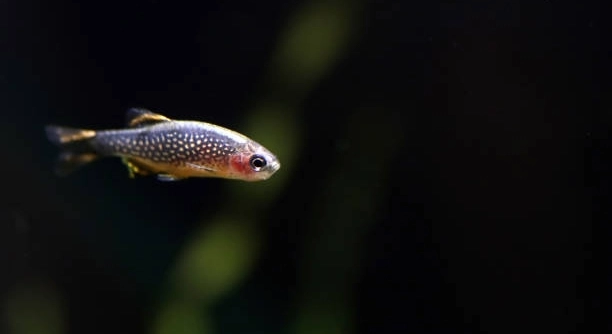
Do you ever find yourself admiring your Celestial Pearl Danios and wondering how seasonal changes might affect their tank environment? Maintaining the right conditions throughout the year is essential for their health and well-being.
Seasonal adjustments in a Celestial Pearl Danio tank involve regulating temperature, lighting, water changes, and plant care. Implementing these changes ensures stable water quality, reduces stress, and promotes natural behavior and breeding cycles throughout the year.
Even minor tweaks to tank conditions can have a significant impact on the fish’s health and activity, making each season’s care routine important to understand.
Adjusting Tank Temperature
During seasonal changes, maintaining a stable water temperature for Celestial Pearl Danios is crucial. These fish thrive in temperatures between 22°C and 26°C, and sudden drops or rises can stress them, affecting feeding and activity. In winter, a reliable aquarium heater can prevent temperatures from falling too low, while in summer, proper ventilation or a fan may help keep the water from overheating. Monitoring with a digital thermometer ensures accuracy. Gradual adjustments are important to avoid shocking the fish. Sudden swings in temperature can weaken their immune system, making them more susceptible to disease. In addition to temperature, consider the location of the tank. Placing it near windows or heating vents can cause fluctuations that are hard to control. Using a thermostat-controlled heater and performing partial water changes at appropriate temperatures helps maintain a stable environment. Observing fish behavior, such as reduced movement or hiding, often indicates temperature stress, signaling adjustments are needed promptly.
Stable temperatures allow Celestial Pearl Danios to remain active and healthy. Sudden changes should be avoided to prevent stress.
Keeping water consistent throughout the year encourages regular feeding habits and breeding cycles. It also minimizes the risk of illness caused by temperature-related stress. Implementing gradual adjustments and monitoring daily ensures the fish remain comfortable and active, reducing behavioral issues and health risks. Seasonal planning for temperature changes simplifies tank management. By maintaining a predictable environment, you help the fish display natural colors and behaviors. Using reliable equipment like heaters, thermometers, and fans can make this process easier. Seasonal observation also highlights subtle changes in fish activity, helping anticipate necessary adjustments. Over time, this consistent approach promotes overall long-term health, making the tank a stable and supportive habitat for Celestial Pearl Danios.
Adjusting Lighting Conditions
Lighting plays an essential role in the daily rhythm of Celestial Pearl Danios. Shorter winter days may require additional artificial light to mimic natural cycles and maintain fish activity.
Proper seasonal lighting supports natural behavior and plant growth in the tank. Adjusting duration helps prevent stress while promoting a healthy environment.
Light intensity and duration affect both fish and aquatic plants. During winter months, providing 10–12 hours of consistent light helps maintain feeding patterns and prevents lethargy. In summer, reducing light intensity can prevent algae overgrowth while still allowing plants to photosynthesize effectively. Gradual changes in lighting help fish adjust naturally without causing shock. Observing fish activity under different lighting conditions allows adjustments to suit their behavior and tank aesthetics. Artificial lights with timers can automate seasonal transitions, ensuring consistency. Maintaining balanced lighting encourages vibrant coloration in Celestial Pearl Danios and supports overall tank health. Over time, this creates a stable environment where plants thrive, and fish display natural behaviors, reducing stress and enhancing visual appeal.
Water Change Frequency
Regular water changes are essential to maintain a healthy environment for Celestial Pearl Danios. Seasonal variations can affect water quality, making adjustments to the frequency and volume of changes necessary.
Increasing water change frequency in warmer months helps control algae growth and removes accumulated waste. During cooler months, smaller, more frequent changes prevent sudden temperature swings while keeping nitrate levels low. Using dechlorinated water at the same temperature as the tank prevents stress. Observing water clarity and fish behavior indicates when adjustments are needed. Consistent monitoring ensures that ammonia, nitrite, and nitrate levels remain safe, supporting overall health and activity of the fish.
Maintaining clean water promotes a stable environment and reduces the risk of disease. Seasonal adjustments prevent water quality issues before they affect the fish.
Seasonal Plant Care
Live plants provide oxygen and hiding spots but require different attention as seasons change. Seasonal light and temperature shifts affect plant growth and health.
Trimming dead leaves and removing decaying material prevents water quality problems. Adjusting fertilization based on plant growth ensures nutrients are balanced without overloading the tank. Seasonal observation can reveal slow growth in winter, which may require supplemental lighting or reduced trimming to allow recovery. In summer, fast-growing plants may need more frequent pruning to maintain space and reduce debris. Proper plant care supports natural fish behavior, providing shelter and foraging areas. It also helps stabilize water parameters, including oxygen levels and pH, enhancing overall tank stability and health.
Adjusting Filtration
Filtration needs can change with the seasons. Warmer months increase fish activity and waste production, requiring more frequent filter maintenance.
Cleaning filter media carefully prevents clogging and preserves beneficial bacteria. Avoid over-cleaning to maintain biological balance in the tank.
Seasonal Diet Changes
Celestial Pearl Danios may eat more actively in warmer seasons and less during cooler months. Adjusting feeding amounts helps prevent overfeeding and water pollution. Providing a varied diet with high-quality flakes, micro pellets, and occasional live or frozen foods supports health and coloration. Regular observation ensures fish maintain proper weight and activity levels.
Monitoring Fish Behavior
Behavioral changes can indicate stress from seasonal shifts. Watch for lethargy, hiding, or reduced appetite.
Regular observation allows early intervention, helping maintain a stable, healthy environment and preventing potential health issues before they worsen.
What is the ideal temperature for Celestial Pearl Danios during seasonal changes?
The ideal temperature for Celestial Pearl Danios is between 22°C and 26°C. During winter, use a reliable heater to prevent the tank from dropping below this range. In summer, ensure the water does not exceed 26°C by using ventilation, fans, or partial water changes. Gradual adjustments are important to avoid shocking the fish. Monitoring daily with a digital thermometer ensures temperatures remain stable. Sudden temperature swings can stress the fish, affecting appetite, behavior, and overall health. Maintaining a consistent temperature year-round supports activity, coloration, and breeding cycles.
How often should I change the water based on seasonal variations?
Water changes depend on both the season and tank activity. In warmer months, fish are more active, producing more waste. Increasing water change frequency to 20–25% weekly helps maintain water quality and prevents algae overgrowth. In cooler months, smaller, more frequent changes of 10–15% prevent sudden temperature drops while keeping nitrates low. Always use dechlorinated water at the same temperature as the tank to avoid stress. Observing water clarity and testing ammonia, nitrite, and nitrate levels helps determine the best schedule. Maintaining clean water supports healthy behavior and reduces disease risk.
How should lighting be adjusted for different seasons?
Lighting affects both fish and plant health. During winter, shorter natural days may require supplemental artificial lighting to maintain a consistent 10–12 hour cycle. This helps keep fish active and supports plant growth. In summer, reduce intensity or duration to prevent algae overgrowth while allowing plants to photosynthesize. Gradual changes prevent stress and allow fish to adapt naturally. Using a timer ensures consistent lighting throughout the year. Proper lighting encourages natural coloration in Celestial Pearl Danios and supports overall tank health, creating a stable and visually appealing environment.
Do I need to adjust the fish diet with seasonal changes?
Yes, seasonal changes can affect feeding behavior. Fish often eat more during warmer months and less during cooler months. Adjusting the amount prevents overfeeding, which can degrade water quality. A varied diet including high-quality flakes, micro pellets, and occasional live or frozen foods ensures proper nutrition and vibrant colors. Monitor fish closely to maintain proper weight and activity levels. Seasonal adjustments help support breeding cycles and overall health. Observing appetite and behavior allows you to fine-tune feeding routines, keeping the fish healthy and active throughout the year.
How do I manage plant care throughout the seasons?
Live plants require seasonal adjustments to thrive. In winter, growth slows, so reduce trimming and provide supplemental lighting if necessary. In summer, fast-growing plants may need frequent pruning to prevent overcrowding and maintain water flow. Remove decaying leaves to prevent water quality issues. Fertilize carefully based on seasonal growth rates to avoid excess nutrients, which can trigger algae blooms. Healthy plants improve oxygen levels, provide hiding spots, and support natural behavior in Celestial Pearl Danios. Seasonal plant care directly affects fish health, ensuring a balanced and visually pleasing tank environment year-round.
What signs indicate seasonal stress in Celestial Pearl Danios?
Behavioral changes are key indicators. Watch for lethargy, reduced appetite, hiding, or unusual aggression. Rapid breathing or clamped fins can also signal stress. Environmental factors like temperature, lighting, and water quality often contribute. Early detection allows adjustments to minimize stress and prevent illness. Maintaining consistent seasonal routines reduces behavioral issues. Observing fish daily helps identify subtle changes, ensuring timely intervention and long-term health.
How do I adjust filtration for seasonal changes?
Filter performance may need adjustment depending on season and fish activity. In warmer months, higher activity produces more waste, requiring more frequent cleaning of filter media. Avoid over-cleaning to preserve beneficial bacteria. In cooler months, less frequent maintenance may be sufficient. Using a well-maintained filter ensures stable water parameters and supports fish health. Monitoring water clarity and observing fish behavior helps determine when adjustments are needed. Proper filtration minimizes waste buildup, reduces stress, and maintains a stable environment for Celestial Pearl Danios throughout the year.
Are there any seasonal considerations for breeding Celestial Pearl Danios?
Yes, breeding behavior is often influenced by temperature, light, and water quality. Stable temperatures and consistent lighting encourage natural spawning behavior. Seasonal adjustments in diet, such as increased protein, can also support breeding. Maintaining clean water with regular changes prevents stress and improves egg viability. Observing fish activity and providing hiding spots for fry ensures higher survival rates. Seasonal preparation creates optimal conditions for breeding, supporting both adult health and offspring development. Careful monitoring and incremental adjustments are key to successful breeding throughout the year.
Can seasonal changes cause health problems if not managed properly?
Neglecting seasonal adjustments can lead to stress, weakened immunity, and increased susceptibility to disease. Temperature swings, poor water quality, and inconsistent lighting are common triggers. Stress may manifest as lethargy, loss of appetite, or abnormal swimming. Maintaining stable conditions, monitoring behavior, and adjusting care routines helps prevent health issues. Early intervention is critical for long-term health, and a consistent approach reduces risks associated with seasonal fluctuations. Proper planning ensures Celestial Pearl Danios remain active, vibrant, and healthy in every season.
What daily routines help manage seasonal adjustments effectively?
Daily observation of fish behavior, water parameters, and plant health is essential. Check temperature, clarity, and filter function to detect early issues. Adjust feeding based on appetite and monitor for stress signs. Regularly remove debris and decaying plant material to maintain water quality. Consistent routines simplify seasonal adjustments and prevent surprises. Documenting changes helps track trends, ensuring each season is managed proactively. A structured daily routine promotes stability, reduces stress, and keeps Celestial Pearl Danios thriving year-round.
Maintaining a Celestial Pearl Danio tank throughout seasonal changes requires careful attention to a few key factors. Temperature, lighting, water quality, and feeding routines all influence the health and behavior of these fish. Sudden changes can stress the fish, affecting activity, appetite, and coloration. By monitoring daily and making gradual adjustments, it is possible to maintain a stable environment that supports natural behavior and overall well-being. Consistency is crucial. Even small fluctuations in water temperature or quality can lead to problems, so regular observation and intervention are essential. Using reliable tools like heaters, thermometers, timers, and dechlorinated water helps reduce risks and simplifies seasonal adjustments.
Plants, filtration, and tank cleanliness also play important roles in seasonal care. Live plants not only provide aesthetic value but also improve oxygen levels and offer hiding spaces, contributing to fish comfort. Seasonal trimming and fertilization prevent overgrowth and maintain a balanced ecosystem. Proper filtration removes excess waste and supports beneficial bacteria, keeping water parameters stable. Seasonal adjustments in filtration frequency and cleaning routines ensure waste buildup does not harm the fish. Partial water changes performed at consistent intervals further maintain water quality, removing nitrates and debris that could otherwise cause stress or illness. The combination of clean water, functional filtration, and healthy plants creates a supportive environment for Celestial Pearl Danios year-round.
Feeding practices and observation are equally important in seasonal tank management. Fish may eat more in warmer months and less in cooler months, so adjusting portion sizes prevents overfeeding and water pollution. Offering a varied diet of high-quality flakes, micro pellets, and occasional live or frozen foods supports growth, coloration, and overall health. Observing fish behavior helps identify early signs of stress or illness, allowing timely intervention. Maintaining a consistent daily routine of observation, feeding, and minor adjustments ensures that the tank remains a healthy and comfortable habitat. With careful attention and planning, Celestial Pearl Danios can thrive in all seasons, displaying natural colors, behaviors, and vitality that reflect their well-maintained environment.

Hello,
If you enjoy the content that we create, please consider saying a "Thank You!" by leaving a tip.
Every little bit helps us continue crafting quality advice that supports the health, happiness, and well-being of pets around the world, for pets of all shapes, sizes, and species.
We really appreciate the kindness and support that you show us!