
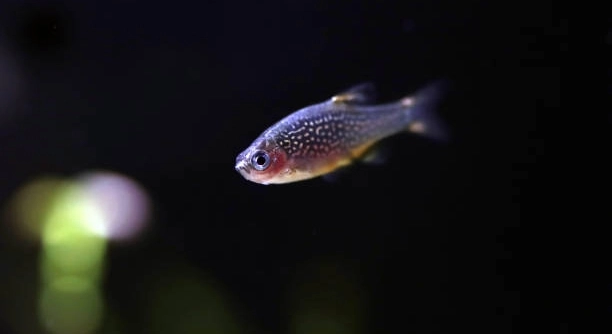
Setting up a tank for danios without a filter can feel challenging at first. These small fish thrive in clean, stable water, so it is important to plan carefully and make adjustments for their comfort and health.
The most effective way to maintain a danio tank without a filter is by frequent partial water changes, controlling feeding amounts, and including live plants. These measures help keep water clean and stable, providing a safe environment for healthy fish growth.
Following these steps will make caring for your danios easier while keeping their habitat balanced and enjoyable. Simple adjustments can lead to a thriving tank over time.
Choosing the Right Tank Size
A larger tank is essential when keeping danios without a filter. These fish are active swimmers and produce waste quickly, so a small tank will lead to poor water quality fast. A tank of at least 20 gallons provides enough space for movement and helps dilute toxins naturally. Wider tanks allow for more surface area, which supports gas exchange and keeps oxygen levels stable. Choosing the right substrate also matters; fine gravel or sand is gentle on danios and easy to clean. Adding some decorations and hiding spots gives the fish comfort without overcrowding the space. Live plants contribute to water health by absorbing nitrates and providing shelter. Avoid overstocking the tank, as even a larger tank can suffer from waste buildup if too many fish are added. Regular observation of fish behavior helps notice stress or illness early, allowing adjustments before water quality deteriorates.
A proper tank size reduces stress for danios and helps maintain water stability naturally, even without a filter.
Setting up the tank in a quiet area of your home also matters. Avoid placing it near direct sunlight or heating vents, which can cause temperature swings. Regular cleaning of the substrate with gentle siphoning removes debris without disturbing beneficial bacteria. While no filter is used, aeration with an air stone can improve oxygen circulation. Balancing fish numbers with plant coverage creates a mini-ecosystem, supporting cleaner water and healthier fish. These steps make managing a no-filter tank practical, reducing the risk of disease and stress. The tank should feel stable and comfortable for the fish, with natural behavior as the main indicator of a successful setup. Small, consistent actions in water changes, feeding, and plant maintenance keep the tank thriving over time.
Using Live Plants for Balance
Live plants naturally improve water quality and provide hiding spaces for danios, which reduces stress in a filterless tank.
Plants absorb nitrates and other waste products while releasing oxygen, making them an important tool for maintaining water health. They also create a more natural environment that encourages natural behaviors. Choosing fast-growing species like hornwort or water sprite ensures waste absorption is efficient. Floating plants can reduce light intensity and provide shaded areas, helping fish feel secure. Plant roots contribute to bacterial colonies, aiding the nitrogen cycle. While live plants help, they do require some care. Trimming dead leaves, monitoring growth, and ensuring adequate lighting are necessary to keep them effective. A well-planted tank combines aesthetics with function, supporting fish health.
Integrating plants into a danio tank is more than decoration; it plays a key role in sustaining water quality. Fast-growing plants like anacharis, java moss, and water wisteria are particularly useful. These species absorb excess nutrients from fish waste, reducing ammonia and nitrate buildup. Floating plants like duckweed can provide surface coverage, limiting algae growth and giving the fish shaded areas to retreat. Rooted plants create surfaces for beneficial bacteria to colonize, aiding natural filtration. Regular care includes trimming overgrown sections and replacing decaying parts. Lighting should match plant needs without stressing the fish. Combining different types of plants creates layers of habitat, mimicking a natural environment. Over time, the tank develops a balance between plants and fish, reducing the need for heavy manual cleaning. Observing how fish interact with plants helps refine placement and care routines. This strategy keeps the tank stable, healthy, and visually appealing.
Feeding in Small Portions
Feeding danios carefully is crucial in a no-filter tank. Overfeeding increases waste and pollutes water. Small, measured portions prevent leftover food from decaying and help maintain a cleaner environment for the fish.
Offering only what fish can eat in a few minutes keeps water quality stable. Danios are active and may come back for more, but it is better to feed twice a day in small amounts than to add a large portion at once. Uneaten food can sink into the substrate, causing ammonia spikes and stressing fish. Using a small cup or spoon to measure food ensures consistency. Rotate foods like flakes, micro pellets, and occasional live treats for balanced nutrition without excess waste. Observing fish during feeding also helps notice any health issues early.
Regular monitoring of uneaten food and adjusting amounts helps maintain healthy fish and clear water. This approach reduces cleaning frequency and supports long-term tank balance. By controlling portions, the tank environment remains stable, and fish thrive without the need for a filter.
Performing Partial Water Changes
Partial water changes are essential in filterless danio tanks to control toxins and maintain stable conditions. Changing 20-30% of water weekly helps prevent sudden chemical imbalances while retaining beneficial bacteria.
Replacing part of the water rather than all of it preserves helpful microorganisms that aid in breaking down waste. Use dechlorinated water at a matching temperature to avoid shocking the fish. A siphon can remove debris from the substrate during changes, reducing nutrient buildup. Keeping a consistent schedule prevents large fluctuations in ammonia, nitrites, and nitrates. Observing water clarity and fish behavior guides the frequency and amount of water to replace. Even with plants and careful feeding, partial water changes remain the main method for controlling waste accumulation.
This practice ensures stable water conditions without relying on a mechanical filter. Combining partial water changes with live plants and careful feeding creates a balanced system. Over time, the tank develops a rhythm that supports healthy fish, clear water, and a low-maintenance setup. Monitoring parameters like pH and nitrate levels during changes further protects fish health. Regular partial changes also allow adjustments if algae growth or sediment buildup becomes noticeable, keeping the tank clean and comfortable. This approach makes maintaining a filterless tank practical and effective.
Monitoring Water Quality
Testing water regularly is important in a tank without a filter. Ammonia, nitrite, and nitrate levels can rise quickly, so keeping track helps prevent stress or illness in danios.
Simple test kits allow you to measure these levels accurately. Observing changes after water changes or plant additions gives insight into tank balance and helps adjust care routines before problems escalate.
Maintaining Proper Temperature
Danios thrive in stable temperatures between 72°F and 78°F. Sudden shifts can stress fish and impact their immune system. Using a reliable heater and thermometer ensures consistent conditions and supports overall health and activity levels.
Cleaning the Substrate
Debris and leftover food collect in the substrate. Gently siphoning the gravel or sand removes buildup without disturbing beneficial bacteria. This helps prevent toxin accumulation and keeps the tank environment healthy for danios.
FAQ
How often should I change the water in a danio tank with no filter?
Partial water changes should be done weekly, replacing 20-30% of the tank’s water. This keeps ammonia and nitrite levels low while retaining beneficial bacteria. If the tank is small or heavily stocked, more frequent changes may be necessary to maintain stable conditions. Always use dechlorinated water at the same temperature as the tank to avoid shocking the fish.
Can I keep danios in a completely unfiltered tank?
Yes, but careful management is required. Adequate tank size, live plants, controlled feeding, and regular partial water changes are essential. These measures support a mini-ecosystem, reduce waste buildup, and maintain oxygen levels. Monitoring water parameters frequently helps prevent health problems.
What types of plants work best in a no-filter danio tank?
Fast-growing plants like hornwort, anacharis, water sprite, and java moss are ideal. They absorb nitrates efficiently and provide hiding spots for the fish. Floating plants like duckweed or frogbit offer shade and reduce light intensity, which can help manage algae growth. Rooted plants also encourage beneficial bacteria colonies.
How much should I feed my danios?
Feed only what they can consume in two to three minutes, once or twice daily. Overfeeding produces excess waste and pollutes the water quickly. Using flakes, micro pellets, or occasional live foods provides balanced nutrition while minimizing leftover food. Observe the fish during feeding and adjust quantities as needed.
Do I need an air stone if there is no filter?
While not strictly necessary, an air stone helps maintain oxygen circulation, especially in larger or heavily stocked tanks. Good oxygenation supports fish health, improves waste breakdown, and ensures stable conditions in the absence of mechanical filtration.
How can I prevent algae in a filterless tank?
Algae can be managed by controlling light exposure, avoiding overfeeding, and maintaining healthy plant growth. Fast-growing plants compete for nutrients, limiting algae development. Manual removal and occasional partial water changes also help keep algae under control. Balancing light and nutrients is key.
How do I know if my danios are stressed?
Signs of stress include clamped fins, reduced activity, hiding, or erratic swimming. Poor water quality, overstocking, temperature fluctuations, and inadequate hiding spaces are common causes. Observing behavior daily and adjusting tank conditions promptly can reduce stress and prevent illness.
Is gravel or sand better for a no-filter tank?
Both work, but fine gravel or sand is easier to clean and less likely to trap excessive debris. Sand is gentle on danios’ fins and provides a natural look, while gravel supports rooted plants. Regular substrate siphoning prevents waste accumulation.
How many danios can I keep in a tank without a filter?
A general guideline is one inch of fish per gallon, but behavior and activity levels matter. Danios are active swimmers and do better in groups of at least five, so avoid overcrowding. Overstocking leads to water quality problems and increased stress.
Can I use decorations in a no-filter tank?
Yes, but avoid overcrowding. Decorations provide hiding spots and enrich the environment, which reduces stress. Smooth surfaces and non-toxic materials are recommended. Avoid items that trap debris or are difficult to clean, as these can worsen water quality.
What is the best way to monitor water quality?
Use liquid test kits to measure ammonia, nitrite, nitrate, and pH. Check weekly and after major changes like water replacement or adding plants. Consistent monitoring allows for early intervention before problems affect fish health.
Do danios need a heater without a filter?
Yes, a heater is recommended to maintain stable water temperature between 72°F and 78°F. Temperature fluctuations can stress fish and compromise immunity, even in a planted or aerated tank. A thermometer helps ensure consistent readings.
How often should I clean plants and decorations?
Trim dead or decaying leaves weekly, and remove algae from decorations as needed. Cleaning helps prevent nutrient buildup that can harm water quality. Avoid using soap or chemicals; rinse with dechlorinated water only.
Can I mix other fish species with danios in a no-filter tank?
Yes, but choose peaceful species with similar water requirements. Avoid large or messy fish, as they increase waste and complicate maintenance. Consider tank size, activity levels, and compatibility before introducing new species.
What should I do if water turns cloudy?
Cloudy water usually indicates excess waste, bacterial bloom, or overfeeding. Perform a partial water change, check feeding amounts, and ensure plants are healthy. Aeration and careful monitoring help restore clarity without harming fish.
How can I keep the tank low-maintenance?
Use live plants, control feeding, perform regular partial water changes, and monitor water parameters. Proper tank size and limited stocking reduce waste and cleaning needs. Combining these strategies ensures a stable, healthy environment for danios with minimal effort.
Are there signs that a filterless setup isn’t working?
Frequent fish stress, cloudy water, foul odor, or rapid algae growth indicate imbalance. Increasing partial water changes, adjusting feeding, and improving plant coverage can restore stability. Observing behavior and water quality regularly is essential to maintain a healthy tank environment.
Can I rely on plants alone to clean the water?
Plants help but are not enough on their own. They absorb nitrates and provide oxygen, but regular partial water changes are still necessary to prevent ammonia and nitrite buildup. Combining plants with careful feeding and monitoring ensures a balanced, filterless tank.
How long can a filterless danio tank stay stable?
With proper care, monitoring, and regular maintenance, a filterless tank can remain stable for months. Consistency in water changes, feeding, plant care, and monitoring water parameters is key. Small adjustments over time maintain balance and support healthy, active fish.
Is it safe to leave a filterless tank unattended for a few days?
Short periods are usually safe if the tank is well-established, stocked moderately, and feeding is minimal. For longer absences, prepare by performing a water change, adding extra plants, and possibly using automatic feeders. Monitoring after returning ensures fish remain healthy.
Can danios breed in a no-filter tank?
Yes, they can spawn if conditions are suitable. Clean water, plants for egg-laying, and stable temperatures encourage breeding. Eggs may require separate protection, as adults sometimes eat them. Maintaining water quality is essential for fry survival.
What are the main risks of keeping danios without a filter?
The primary risks are waste buildup, unstable water parameters, and oxygen fluctuations. Overfeeding, overstocking, or neglecting maintenance can lead to stress and disease. Careful monitoring, partial water changes, and plant coverage mitigate these risks and maintain a healthy environment.
How do I introduce new danios to a filterless tank?
Acclimate fish slowly by floating the bag in tank water and gradually mixing tank water over 20-30 minutes. This reduces shock from temperature or water chemistry differences. Avoid adding too many fish at once to prevent stress or spikes in waste levels.
Can I use chemical additives instead of water changes?
Chemical additives may help temporarily, but they cannot replace partial water changes. Overreliance can mask water quality issues without solving them. Combining additives with proper feeding, plants, and water changes is safer and more effective.
How do I know if plants are helping water quality?
Healthy, fast-growing plants that absorb nutrients and limit algae indicate effective water purification. Yellowing or decaying leaves suggest nutrient imbalance or poor conditions. Observing water clarity and fish health alongside plant growth confirms their effectiveness.
Are there any signs that fish are overfed?
Excess food on the substrate, cloudy water, or sluggish behavior are signs. Fish may also develop bloating or unusual swimming patterns. Reducing portions and monitoring feeding prevents water quality issues and keeps fish healthy.
What should I do if ammonia levels rise suddenly?
Perform an immediate partial water change and remove any uneaten food or debris. Reduce feeding temporarily and consider adding more fast-growing plants. Frequent monitoring and additional water changes help stabilize the tank and protect fish from toxicity.
How can I encourage natural behavior in a filterless tank?
Provide plants, hiding spots, and open swimming areas. Small groups of danios encourage schooling, which supports activity and reduces stress. Avoid overcrowding and maintain stable conditions to allow natural patterns and social interactions.
What tools are essential for maintaining a filterless danio tank?
Basic tools include a thermometer, liquid test kits, siphon or gravel vacuum, small net, and dechlorinator. Optional tools like an air stone or small heater help maintain oxygen and temperature stability. Regular observation is equally important.
Can I use artificial plants instead of live ones?
Artificial plants do not absorb nutrients or support beneficial bacteria. They may provide hiding spaces but cannot replace the water-balancing benefits of live plants. Combining artificial plants with live plants may work, but water changes remain essential.
How do I reduce stress during maintenance?
Perform water changes slowly, avoid disturbing the substrate excessively, and keep lights consistent. Move fish gently if necessary, and maintain stable temperature and water conditions. Observing behavior afterward ensures they are comfortable.
What is the best lighting setup for a no-filter tank?
Moderate lighting that supports plant growth without encouraging excessive algae is ideal. A timer can maintain consistent day-night cycles. Adjust intensity depending on plant species and tank size to balance growth and water quality.
Can I keep other invertebrates with danios?
Yes, small snails or shrimp can coexist if water parameters suit all species. They help consume leftover food and algae, contributing to tank balance. Avoid large or aggressive invertebrates that may harm danios.
What should I do if fish show signs of disease?
Quarantine affected fish if possible, improve water quality, and adjust feeding. Observe symptoms closely and consider appropriate treatment. Preventative care through clean water, balanced feeding, and healthy plants reduces disease risk.
How important is regular observation?
Daily observation is key. Checking fish behavior, water clarity, and plant health helps identify issues early. Consistent monitoring allows timely adjustments, preventing minor problems from becoming serious in a filterless tank.
How can I keep a small tank stable without a filter?
Use fewer fish, fast-growing plants, frequent partial water changes, and controlled feeding. A small, well-maintained ecosystem can remain balanced, though it requires consistent attention and monitoring to prevent water quality issues.
Are there any long-term considerations for filterless tanks?
Over time, substrate may accumulate waste, plants may need replanting, and water chemistry can shift. Maintaining routines, monitoring water, and adjusting stocking or feeding ensures the tank remains healthy and sustainable for years.
Can I add new plants to an established tank?
Yes, but rinse them thoroughly and monitor water parameters afterward. Gradual introduction prevents nutrient imbalance and allows plants to establish themselves without disrupting tank stability. Observing fish interaction with new plants helps ensure a smooth transition.
Is it necessary to clean the tank walls?
Yes, remove algae buildup carefully with a soft sponge or scraper. Avoid harsh chemicals. Keeping walls clean improves aesthetics and prevents excess algae from competing with plants for nutrients, supporting a balanced tank.
How do I handle tank emergencies without a filter?
Keep spare water, dechlorinator, and test kits available. Rapid partial water changes, aeration, or temporary relocation of fish may be necessary. Staying calm and acting quickly prevents stress or mortality.
What habits make a filterless setup successful?
Consistent feeding, water changes, plant care, observation, and temperature control are key habits. Patience and attention to small changes maintain stability and help fish thrive in a low-maintenance, filterless environment.
How long should I observe new fish after adding them?
Monitor daily for at least two weeks. Watch for stress, aggression, or illness. Early intervention keeps water quality stable and ensures healthy integration into the tank.
Can I rely solely on weekly water changes?
For lightly stocked, well-planted tanks, weekly changes are often sufficient. However, heavily stocked or small tanks may require more frequent partial changes. Adjust based on observation and test results to maintain stable water conditions.
How do I prevent overcrowding in a no-filter tank?
Plan stocking carefully according to tank size and fish activity. Add fish gradually and avoid exceeding recommended numbers. Overcrowding increases waste, stress, and disease risk. Proper management supports a balanced environment.
What is the role of substrate in maintaining a no-filter tank?
Substrate collects debris and provides surfaces for beneficial bacteria. Proper cleaning without disturbing bacteria helps maintain water quality. Choosing sand or fine gravel aids waste removal and supports plant roots.
How can I make maintenance easier over time?
Establish routines for water changes, feeding, plant care, and observation. Keep tools handy, monitor water regularly, and make incremental adjustments. Consistency reduces stress, keeps water clean, and ensures fish thrive in a filterless tank.
Are there any signs that the tank ecosystem is balanced?
Clear water, healthy active fish, thriving plants, minimal algae, and stable water parameters indicate balance. Observation and routine monitoring confirm that the tank supports a healthy, filterless environment over time.
Can I mix different types of danios?
Yes, mixing compatible danio species is generally safe. Ensure similar size, activity levels, and water requirements. Observe for aggression or bullying and adjust numbers if needed to maintain harmony.
How do I prevent ammonia spikes in a new tank?
Start with a smaller number of fish, add fast-growing plants, feed minimally, and perform partial water changes. Monitoring ammonia levels closely helps prevent spikes before they become dangerous for fish.
Is it safe to use tap water for water changes?
Only if treated with a dechlorinator and matched to tank temperature. Chlorine or chloramine can harm fish and beneficial bacteria. Proper preparation ensures safe water replacement in a filterless system.
Can I keep danios with cold-water fish?
Yes, if temperature requirements overlap. Avoid species needing significantly lower or higher temperatures. Compatibility in behavior and waste production is also important to maintain water stability.
How often should I check the heater and thermometer?
Daily observation is recommended. Even slight temperature fluctuations can stress fish. Consistent monitoring ensures stable conditions and protects fish health.
Can plants alone prevent disease outbreaks?
Plants improve water quality but cannot prevent all diseases. Proper feeding, water changes, and observation remain necessary to reduce risk and maintain healthy fish.
What is the best way to acclimate plants to a new tank?
Rinse thoroughly, remove damaged leaves, and place them gradually. Observe growth and water clarity, trimming as needed. Slow acclimation helps prevent nutrient imbalances and supports a healthy filterless ecosystem.
How do I handle sudden fish deaths?
Remove the fish immediately, test water for spikes, and inspect other fish. Partial water changes and careful observation prevent further losses. Reviewing feeding, stocking, and maintenance routines may prevent recurrence.
Can I use fertilizers in a planted no-filter tank?
Yes, but sparingly. Over-fertilizing can increase ammonia or nitrate levels. Use plant-specific fertilizers compatible with fish and follow instructions carefully. Monitor water quality to avoid negative effects on fish.
How do I maintain oxygen levels without a filter?
Live plants, surface agitation, and an optional air stone help maintain oxygen. Proper stocking and regular water changes also support adequate oxygen circulation for danios in a filterless tank.
What should I do if water parameters fluctuate?
Identify the cause, adjust feeding, perform partial water changes, and check temperature. Stabilizing conditions gradually protects fish and maintains a balanced, filterless tank environment.
Can danios tolerate a wide range of pH?
They prefer slightly acidic to neutral water, around 6.5-7.5. Sudden pH swings can stress fish. Consistent water testing and gradual adjustments maintain a stable environment.
How do I prevent plant decay from affecting water quality?
Remove dead or decaying leaves promptly and trim overgrown sections. Healthy plants outcompete algae and absorb nutrients, reducing waste accumulation. Observing plant health regularly prevents negative impacts on water.
Is it necessary to quarantine new fish?
Yes, quarantine helps prevent disease introduction to an established tank. A separate tank for two weeks allows observation and treatment if needed, protecting existing fish in a filterless system.
How can I tell if the tank is too small?
Signs include overcrowding, aggressive behavior, high waste accumulation, and stressed fish. Choosing an adequately sized tank with sufficient swimming space supports healthy activity and water stability.
Can I use water conditioners with live plants?
Yes, water conditioners safe for fish usually do not harm plants. Always check product instructions to ensure compatibility with live plant species in a filterless tank.
How often should I test water parameters?
Weekly testing is recommended, or more often after adding new fish, plants, or performing water changes. Monitoring ammonia, nitrite, nitrate, and pH ensures early detection of potential issues.
Can filterless tanks handle sudden temperature drops?
No, sudden changes can stress or kill fish. Maintaining stable temperatures with a heater and avoiding drafts or direct sunlight protects danios and preserves tank balance.
What maintenance tasks should be done daily?
Observe fish behavior, check water clarity, inspect plants, and ensure temperature is stable. Daily attention prevents unnoticed problems and supports a healthy, low-maintenance filterless tank.
How can I improve water circulation without a filter?
Gently stir the water during changes, use an air stone, or add floating plants that move with water flow. Proper circulation helps oxygen distribution and reduces stagnant areas.
Are there long-term effects of keeping danios without a filter?
If maintained properly, no-filter tanks can remain healthy for years. Consistent water changes, plant care, and monitoring prevent accumulation of toxins and ensure fish thrive.
How do I manage waste buildup in a heavily planted tank?
Even in planted tanks, perform partial water changes, trim plants, and siphon substrate regularly. Combining these actions keeps nutrients balanced and prevents toxic buildup that could harm fish.
What should I do if a fish stops eating?
Check water quality, temperature, and signs of illness. Observe interactions with other fish and remove stressors. Adjust feeding and monitor daily until normal behavior returns.
Can I combine multiple plant types for better water quality?
Yes, a mix of fast-growing and slow-growing plants creates layered absorption of nutrients and supports beneficial bacteria. This combination helps stabilize the tank in the absence of a filter.
Is it okay to skip cleaning for a few weeks?
No, neglect can lead to waste buildup, algae growth, and stressed fish. Regular partial water changes and substrate cleaning are essential for a filterless tank to remain healthy.
How do I keep a balance between fish and plants?
Monitor growth and waste levels. Adjust stocking, feeding, and plant density to ensure nutrients are absorbed, water quality remains stable, and fish have enough space to swim comfortably.
**What is the best way to remove uneaten food?
Keeping a danio tank without a filter can seem intimidating at first, but it is possible with careful planning and consistent care. The key is understanding that without a mechanical filter, the tank relies on a balance of natural processes and human management. Choosing the right tank size, providing live plants, and carefully controlling feeding are all essential steps. Even small adjustments, like monitoring water temperature and ensuring proper oxygen levels, make a big difference in maintaining a healthy environment for the fish. While it requires more attention than a filtered tank, the rewards are noticeable. Fish are active and visible, plants thrive, and the water can remain clear if the system is managed thoughtfully. Each element in the tank supports the others, creating a miniature ecosystem where the fish can live comfortably without the constant need for mechanical filtration.
Regular observation and maintenance are crucial for a filterless tank to succeed. Partial water changes, monitoring water parameters, and cleaning the substrate help prevent the buildup of toxins that can stress the fish. Feeding in measured amounts prevents leftover food from decaying and affecting water quality. Live plants contribute to this balance by absorbing waste and producing oxygen. Even small details, like ensuring the tank is not exposed to direct sunlight or sudden drafts, can affect the stability of the environment. Watching the behavior of the danios daily is another way to gauge whether the tank is functioning properly. Signs of stress, illness, or unusual behavior often indicate a problem with water quality or tank balance. By addressing these issues quickly, it is possible to maintain a healthy and stable tank without a filter for a long time.
Creating a filterless danio tank also encourages a closer connection with the care process. Because it requires more hands-on management, you become familiar with the water conditions, plant growth, and the natural behaviors of the fish. This awareness makes it easier to respond to changes and maintain a thriving environment. The combination of proper tank setup, regular care, and attentive observation allows the tank to function in harmony, providing a safe and stimulating home for the danios. While it takes more planning and effort than using a filter, a well-maintained filterless tank can be visually pleasing and highly rewarding. In the end, the success of a no-filter tank depends on consistent care, attention to detail, and a willingness to adapt routines as the tank evolves. With patience and persistence, the fish can remain healthy, the water clear, and the plants strong, making a filterless danio tank both practical and enjoyable.

Hello,
If you enjoy the content that we create, please consider saying a "Thank You!" by leaving a tip.
Every little bit helps us continue crafting quality advice that supports the health, happiness, and well-being of pets around the world, for pets of all shapes, sizes, and species.
We really appreciate the kindness and support that you show us!