
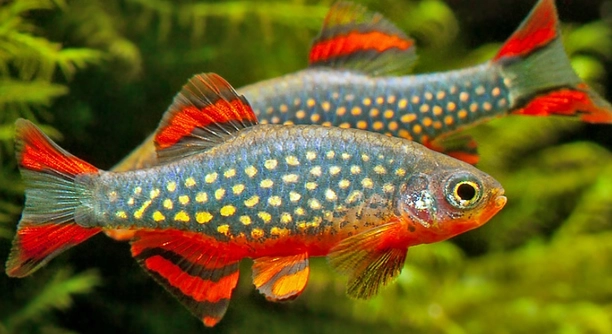
Celestial Pearl Danios are small, colorful fish that many aquarium enthusiasts love. Their calm nature and striking appearance make them a popular choice for community tanks. Pairing them with other tank mates can sometimes be tricky.
Celestial Pearl Danios can coexist with shrimp in a well-planted aquarium. Proper hiding spots and gentle tank conditions reduce stress, while maintaining water parameters suitable for both species ensures a harmonious environment and minimizes the risk of predation.
Knowing the right setup and precautions makes their shared tank more enjoyable. Observing interactions carefully can help maintain a peaceful and balanced aquatic community.
Tank Setup for Celestial Pearl Danios and Shrimp
Creating a proper tank environment is essential when housing Celestial Pearl Danios with shrimp. A tank of at least 20 gallons is ideal to provide enough swimming space. Live plants such as Java moss, Anubias, and floating plants offer hiding spots and shelter for shrimp. Substrate choice matters too; fine gravel or sand works best because shrimp can forage easily without harming their delicate bodies. Water parameters should be stable, with a temperature between 72 and 78°F and a pH around 6.5 to 7.5. Gentle filtration helps maintain cleanliness without creating strong currents that stress either species. Lighting should be moderate to support plant growth while not stressing fish. Hiding areas like small caves, driftwood, or dense plant patches allow shrimp to escape if fish become too active. Regular water changes and testing keep conditions consistent for both species.
Proper tank setup ensures both species thrive together safely. Hiding spots and stable water conditions are key to harmony.
A well-planned tank not only reduces stress but also encourages natural behavior. Danios enjoy open swimming areas, while shrimp need coverage to molt safely. Including moss or dense plants allows shrimp to forage freely and feel secure. A balanced diet for both species supports health. Danios prefer small flakes or micro-pellets, while shrimp benefit from algae wafers and occasional blanched vegetables. Monitoring water quality is crucial; both species are sensitive to ammonia and nitrites. Maintaining consistent temperature and pH helps prevent stress-related illnesses. Observing behavior regularly ensures any signs of aggression or imbalance are addressed early. The right combination of tank size, plants, hiding spots, and feeding practices creates a peaceful coexistence and a visually appealing aquarium.
Feeding Considerations
Feeding both Celestial Pearl Danios and shrimp requires careful planning. Small portions prevent overfeeding and water quality issues.
Danios eat tiny flakes or micro-pellets that float well, while shrimp need sinking foods and occasional vegetables. Feeding in multiple spots reduces competition and ensures shrimp receive enough nutrition. Overfeeding can cloud water and harm both species, so moderation is key. Offering a mix of natural foods like biofilm or algae supplements supports shrimp molting and overall health. Observing feeding behavior helps adjust portions, ensuring neither Danios nor shrimp dominate the food. Regularly rotating food types maintains variety and prevents dietary deficiencies. Small, frequent feedings work best for a peaceful tank dynamic, allowing all inhabitants to eat safely without stress. Maintaining these habits contributes to a balanced, thriving aquatic environment where both species flourish. Consistency in feeding routines also reduces aggression and competition, making the aquarium calmer.
Balanced nutrition keeps both species healthy and vibrant. Feeding variety and controlled portions support growth, molting, and general well-being. Careful observation ensures harmony during meals, benefiting all tank inhabitants.
Compatibility and Behavior
Celestial Pearl Danios are generally peaceful but can be curious around shrimp. Stress is minimized with plenty of hiding spots and stable water conditions. Observing interactions early helps prevent any aggressive behavior before it becomes a problem.
Their small size and calm nature make them suitable tank mates for shrimp. Danios are active swimmers, so providing open swimming space is important to prevent stress. Shrimp benefit from dense plants and moss, giving them places to hide and forage. Aggression is rare, but during feeding or if the tank is too small, Danios may chase shrimp. Keeping a balanced population and monitoring behavior ensures both species coexist without conflict. Proper placement of plants, rocks, and driftwood creates boundaries and reduces territorial disputes, giving shrimp confidence to explore while Danios remain comfortable in their swimming areas.
Stress in shrimp often comes from sudden movements or lack of cover. Dense vegetation and gentle filtration reduce these risks. Danios and shrimp tend to respect each other when the environment is thoughtfully arranged. Even with peaceful species, observing their dynamics helps maintain a calm aquarium. Minor chasing is normal but should not lead to injury. Molting shrimp need extra cover, so adding moss and hiding spots is essential. By providing structure and observing behavior, both species can thrive together. Monitoring water quality, feeding patterns, and tank layout ensures stress is minimized for the shrimp while allowing Danios freedom to swim and exhibit natural behaviors.
Breeding Considerations
Shrimp can reproduce successfully in tanks with Celestial Pearl Danios if sufficient hiding areas exist. Eggs and young are vulnerable without dense plant coverage, which provides shelter from curious fish.
Celestial Pearl Danios are unlikely to eat adult shrimp, but juvenile shrimp are more at risk. Dense plants, moss, and small caves protect babies during molting and early growth stages. Maintaining water stability is essential, as both species are sensitive to changes in temperature, pH, and water chemistry. Feeding both adults and juveniles appropriately helps them grow healthily. Observing behavior during breeding ensures shrimp are not stressed and can reproduce naturally. Separate breeding tanks are optional but can improve survival rates for young shrimp. By monitoring interactions and providing sufficient coverage, Danios and shrimp can coexist without significantly affecting reproduction.
Breeding shrimp alongside Danios requires careful tank planning and observation. Ensuring enough hiding spots, stable water conditions, and proper feeding supports reproduction while preventing predation. Juvenile shrimp survival depends on dense vegetation, moss, and careful monitoring. Adults remain mostly unaffected, allowing a balanced and healthy aquarium community to flourish naturally.
Water Parameters
Celestial Pearl Danios and shrimp thrive in similar water conditions. Maintaining a temperature between 72 and 78°F and a pH of 6.5 to 7.5 ensures both species remain healthy and active. Regular testing is important to prevent sudden changes.
Ammonia and nitrite levels should always be at zero. Nitrates should remain low through consistent water changes. Stable conditions reduce stress and support natural behavior, helping shrimp molt safely and Danios stay vibrant.
Hiding Spots and Shelter
Providing dense vegetation, moss, and small caves is crucial. Shrimp rely on these spaces during molting, while Danios benefit from plants that reduce territorial stress.
A mix of floating plants and rooted vegetation creates layers for exploration and safety. Driftwood or small rocks can form additional cover. Without proper hiding places, shrimp may become stressed or vulnerable. Careful tank arrangement ensures both species can move freely, forage, and interact without conflict. Regularly checking plant density and rearranging when needed helps maintain a secure and balanced habitat for all inhabitants.
Feeding Schedule
Consistency in feeding is essential. Small, frequent portions prevent overfeeding and keep water clean.
Feeding multiple times a day ensures shrimp and Danios both receive enough nutrition. Observing which areas are accessed first helps adjust portion placement. Proper feeding routines reduce competition, stress, and potential health issues, supporting a harmonious tank.
FAQ
Can Celestial Pearl Danios and shrimp live together safely?
Yes, they can coexist safely if the tank is well-planted and spacious enough. Shrimp need hiding spots to feel secure, especially during molting, while Danios need open swimming areas. Observing their behavior early ensures neither species becomes stressed or aggressive.
What tank size is ideal for both species?
A minimum of 20 gallons is recommended. This size provides enough swimming space for Danios and room for dense plants and moss where shrimp can hide. Larger tanks reduce stress, lower territorial disputes, and give both species space to forage naturally.
Do Celestial Pearl Danios eat shrimp?
Adult Danios rarely eat adult shrimp, but juvenile shrimp may be at risk. Dense plants, moss, and small caves protect young shrimp during vulnerable stages. Observing interactions during feeding or molting can help prevent accidental predation.
What kind of plants are best for a shared tank?
Java moss, Anubias, and floating plants work well. Moss allows shrimp to forage and hide, while rooted plants provide cover and break up swimming areas for Danios. Plants also support water quality by absorbing nitrates and creating a natural habitat.
How often should I feed them?
Feeding small amounts 2–3 times daily works best. Danios eat tiny flakes or micro-pellets, while shrimp benefit from sinking food and blanched vegetables. Multiple feeding spots prevent competition and ensure both species get proper nutrition without overcrowding or stress.
What water conditions should I maintain?
Keep the temperature between 72–78°F and pH around 6.5–7.5. Ammonia and nitrites must remain at zero, and nitrates should stay low. Regular testing and water changes prevent stress, disease, and molting problems in shrimp. Stability is key for both species.
Do I need a separate breeding tank for shrimp?
A separate breeding tank is optional but can increase juvenile survival rates. If you choose to breed in the main tank, ensure dense moss and hiding spots are available. Observing their behavior during molting helps protect young shrimp from accidental predation.
How do I reduce stress in the tank?
Provide plenty of hiding spots, moderate lighting, and gentle filtration. Avoid sudden movements or changes in water conditions. A mix of open swimming areas for Danios and dense vegetation for shrimp helps maintain a calm environment and natural behavior.
Can I keep other fish with this combination?
Yes, but choose peaceful species. Avoid large or aggressive fish that may harass shrimp or Danios. Compatible tank mates include small tetras, rasboras, or other non-aggressive community fish. Proper planning ensures all species coexist without stress or predation.
How do I monitor their health together?
Watch for unusual behavior such as hiding, lethargy, or loss of appetite. Regularly inspect shrimp during molting and observe Danios for signs of aggression. Maintaining water quality, a balanced diet, and proper tank conditions supports overall health.
What are common mistakes to avoid?
Overcrowding, insufficient hiding spots, and inconsistent water parameters are the main issues. Overfeeding can cloud water, and sudden temperature or pH changes stress both species. Careful planning and observation prevent problems before they affect the tank’s balance.
Can I mix different shrimp species with Celestial Pearl Danios?
Yes, peaceful dwarf shrimp such as Cherry or Amano shrimp usually coexist well. Ensure hiding spots and stable water conditions. Some shrimp species have specific requirements, so research compatibility to prevent stress or health issues.
How do I encourage natural behavior?
Provide a mix of open swimming space, plants, moss, and small structures. Feed varied foods appropriate to each species. Observing their activity patterns and adjusting tank layout promotes healthy, natural behavior and minimizes conflict.
What should I do if aggression occurs?
Identify the cause, such as overcrowding or lack of hiding spots. Rearrange plants, reduce tank population if necessary, and monitor interactions. Most aggression decreases once proper space and shelter are provided for both shrimp and Danios.
How long can they live together?
With proper care, Celestial Pearl Danios live around 3–5 years, and shrimp 1–3 years depending on species. Maintaining consistent water parameters, proper nutrition, and a safe environment supports longevity for both species.
Are there special considerations during molting?
Yes, molting shrimp are vulnerable. Dense moss and hiding spots protect them from curious Danios. Avoid moving or disturbing the tank during this period, and provide extra food to support healthy growth and successful molts.
Can tank decorations affect their coexistence?
Yes, decorations create territories and additional hiding places. Driftwood, rocks, and plant clusters help reduce stress, break up swimming space, and allow both species to interact safely while feeling secure. Placement is key to a balanced environment.
Is water flow important in a shared tank?
Moderate, gentle water flow is best. Strong currents stress shrimp and make feeding difficult. Danios tolerate some movement but prefer calmer water for exploring. Adjustable filters help maintain optimal conditions for both species.
How do I maintain water quality effectively?
Regular water changes, testing for ammonia, nitrites, and nitrates, and using live plants help maintain stability. Avoid overfeeding and overcrowding, as these increase waste and stress. Clean substrate and gentle filtration contribute to a healthy tank.
What should I do if a shrimp dies?
Remove the shrimp promptly to prevent water contamination. Check water parameters, feeding habits, and potential causes of stress. Ensuring proper hiding spots and observing tank interactions can prevent further losses.
Can Celestial Pearl Danios harm adult shrimp?
It is unlikely. Adult shrimp are generally safe with these Danios, but juvenile shrimp are more vulnerable. Dense plant coverage ensures all shrimp, regardless of size, remain protected from accidental chasing or harassment.
How do I balance feeding for both species?
Feed Danios near the surface and shrimp closer to the substrate or moss. Small, frequent feedings prevent competition and ensure all inhabitants receive enough nutrition. Observing their feeding behavior helps adjust portions and locations effectively.
Are water conditioners necessary?
Yes, especially for tap water. Conditioners remove chlorine, chloramines, and heavy metals that can harm shrimp and Danios. Using conditioners supports molting, reduces stress, and maintains overall health.
Can temperature fluctuations affect shrimp and Danios?
Yes, sudden changes cause stress and increase disease risk. Maintaining a stable temperature between 72–78°F is crucial. Using a reliable heater and monitoring daily prevents harmful fluctuations.
How important is tank maintenance?
Regular maintenance is vital. Water changes, substrate cleaning, and plant care prevent waste buildup, reduce stress, and support both species’ health. Consistency ensures a harmonious environment where shrimp and Danios thrive.
Is it necessary to quarantine new shrimp or fish?
Yes, quarantining prevents disease from entering the main tank. A 2–3 week quarantine allows observation for illness and acclimation to water conditions, keeping the community tank safe and stable.
Can algae growth benefit shrimp in a community tank?
Yes, algae provides a natural food source for shrimp and promotes foraging. It also improves water quality slightly. However, excessive algae can compete with plants for nutrients, so moderation is important.
Do Celestial Pearl Danios need companions of their own species?
Yes, Danios are schooling fish. Keeping at least six together ensures natural behavior, reduces stress, and prevents them from harassing shrimp. A proper school size is key for a balanced, active tank.
How often should I inspect the tank?
Daily observation helps identify stress, disease, or aggression early. Regular checks of plants, hiding spots, and water conditions maintain a safe and balanced environment for both species.
Are there specific signs of stress in shrimp?
Shrimp may hide excessively, molt irregularly, or show color fading. Observing behavior alongside water parameters and tank layout helps identify and correct stress sources. Ensuring proper nutrition and hiding areas supports recovery.
Can Celestial Pearl Danios coexist with multiple shrimp species?
Yes, as long as the tank is spacious and well-planted. Monitoring behavior and adjusting hiding spots ensures all shrimp species thrive without being stressed or harassed by the Danios.
How do I handle aggression during feeding?
Distribute food in several spots. Feed Danios at the surface and shrimp at the bottom or within moss. Small, frequent meals reduce competition and keep the tank calm while allowing both species to eat comfortably.
What precautions are needed during water changes?
Use dechlorinated water at the same temperature as the tank. Sudden changes in temperature or chemistry stress both Danios and shrimp. Partial water changes are safer than complete swaps, maintaining stability while refreshing the tank environment.
How do I know if shrimp are healthy?
Healthy shrimp are active, colorful, and molt regularly. They forage often and interact with their environment. Any lethargy, color loss, or irregular molting indicates potential problems with water quality or diet.
Can Celestial Pearl Danios and shrimp tolerate soft water?
Yes, both species adapt to soft water if pH and other parameters remain stable. Extreme changes in hardness or pH, however, can stress shrimp during molting or affect Danios’ activity levels. Gradual adjustments prevent problems.
Are there seasonal considerations for this tank?
Temperature fluctuations from heating or cooling systems can affect both species. Maintaining consistent water conditions year-round supports molting cycles, feeding behavior, and overall health. Seasonal changes should be gradual to avoid stress.
How do I prevent shrimp from being eaten during breeding?
Provide dense moss, caves, and hiding spots for juvenile shrimp. Observing interactions and minimizing disturbances during this period ensures young shrimp survive while adults and Danios coexist peacefully.
Is tank lighting important for coexistence?
Moderate lighting supports plant growth and creates natural hiding areas. Too bright lighting stresses shrimp, while insufficient lighting limits plant growth and reduces cover. Balanced lighting ensures both species feel secure and thrive.
Can I keep snails with Danios and shrimp?
Yes, peaceful snails can coexist. They help clean algae and detritus without harming shrimp or Danios. Avoid aggressive or large species that might compete for food or disrupt the tank.
What are signs of aggression in Danios?
Chasing, nipping, or territorial behavior indicate stress or insufficient space. Adjusting tank layout, adding plants, or increasing school size reduces these behaviors and protects shrimp.
How do I maintain a stable environment for both species?
Consistent water parameters, proper feeding, adequate hiding spots, gentle filtration, and regular observation create a stable environment. Balance between open swimming areas and shelter ensures shrimp and Danios remain healthy and stress-free.
What are the most important considerations for long-term coexistence?
Stable water, proper tank size, dense vegetation, regular feeding, observation, and careful species selection ensure long-term health. Prioritizing hiding spots and minimizing stress allows shrimp and Celestial Pearl Danios to thrive together for years.
How do I handle disease in a mixed tank?
Quarantine affected individuals, maintain excellent water quality, and treat with species-appropriate medication. Avoid stressing healthy shrimp or Danios during treatment to prevent further illness.
Can I use live food in a community tank?
Yes, live food like daphnia or microworms benefits shrimp and Danios. Ensure food is disease-free and provided in moderation to avoid water quality issues.
How do I acclimate new shrimp or fish?
Float the bag to match temperature, slowly mix tank water over 30–60 minutes, then release carefully. Gradual acclimation reduces shock and helps both species adjust safely.
Is it safe to mix different Danio strains with shrimp?
Yes, as long as all Danios remain peaceful. Mixed strains still school together and behave similarly, so shrimp are not at additional risk. Observing interactions ensures safety for all tank inhabitants.
What precautions are needed for winter months?
Maintain stable water temperature with a reliable heater. Avoid drafts or sudden cooling. Proper winter care prevents stress, disease, and molting issues for both shrimp and Danios.
Can I add decorations after tank setup?
Yes, but rearranging should be done carefully. Sudden changes can stress shrimp and Danios. Gradually introduce new decor while observing behavior to maintain balance.
How do I ensure shrimp molting success?
Provide hiding spots, maintain stable water parameters, and supply adequate calcium in diet. Observing behavior and avoiding disturbances during molting supports healthy growth and reduces mortality risk.
Is it necessary to separate aggressive individuals?
Occasionally, a Danio may chase shrimp excessively. Separating or rearranging tank elements can reduce stress. Proper plant coverage and careful observation usually prevent long-term aggression.
How do I deal with cloudy water?
Reduce feeding, clean substrate gently, and perform partial water changes. Maintaining a balanced ecosystem with plants and proper filtration keeps water clear for both Danios and shrimp.
Can I keep a mixed-species shrimp tank with Danios?
Yes, as long as all shrimp species are peaceful and hiding areas are sufficient. Monitor interactions to prevent stress and ensure all shrimp species thrive alongside Celestial Pearl Danios.
Are there signs of stress in Danios?
Danios may dart, hide, lose color, or stop schooling if stressed. Ensuring tank size, hiding spots, and proper nutrition minimizes these issues and promotes calm behavior.
What do I do if shrimp stop eating?
Check water parameters, provide fresh hiding spots, and adjust feeding type or location. Temporary fasting can occur during molting or stress, but prolonged refusal may indicate a problem.
How can I make feeding easier for both species?
Feed in multiple spots, with floating foods for Danios and sinking options for shrimp. Small, frequent meals prevent competition and ensure everyone receives proper nutrition without stress.
Is regular observation really necessary?
Yes, daily checks catch early signs of stress, disease, or aggression. Consistent monitoring allows adjustments to feeding, decor, or water conditions before problems escalate.
Can Celestial Pearl Danios coexist with baby shrimp long-term?
Yes, if there are enough hiding spots and dense vegetation. Juvenile shrimp remain protected, allowing them to grow safely alongside adult Danios without excessive risk of predation.
Do I need to adjust feeding based on shrimp growth?
Yes, young shrimp require more frequent, smaller meals. Adults can handle less frequent feeding. Adjusting portions and timing ensures all shrimp remain healthy and active.
Can I use chemical treatments in a mixed tank?
Only species-safe treatments should be used. Many chemicals harm shrimp while treating fish. Always research compatibility and, if possible, use quarantine tanks for treatment to avoid harming tank mates.
What is the ideal Danio-to-shrimp ratio?
Keeping at least six Danios with multiple shrimp provides balance. Too few Danios can lead to stress and aggression, while too many can increase chasing. Proper population management ensures harmony.
How do I manage waste in a community tank?
Regular partial water changes, substrate cleaning, and plant maintenance control waste buildup. Avoid overfeeding and overcrowding to maintain water quality for both Danios and shrimp.
Can stress affect shrimp reproduction?
Yes, stressed shrimp may stop molting or reproducing. Dense hiding spots, stable water, and minimal disturbances encourage natural breeding and healthy growth of young shrimp.
How often should I check water parameters?
Weekly testing for pH, ammonia, nitrites, and nitrates is recommended. More frequent checks may be needed for new setups or during stress periods. Stable conditions prevent problems for both Danios and shrimp.
Are there temperature preferences for breeding shrimp?
Most dwarf shrimp breed best around 74–78°F. Stable temperatures, along with hiding spots and good nutrition, increase survival rates and support regular molting cycles.
What signs indicate a balanced tank?
Active shrimp, schooling Danios, clear water, and healthy plants indicate balance. Lack of aggression, successful molting, and steady feeding behavior are positive signs.
Can I introduce live plants gradually?
Yes, adding plants slowly helps both species acclimate. Gradual introduction prevents sudden changes in water chemistry and provides consistent shelter for shrimp and Danios alike.
How do I prevent overgrowth of algae?
Maintain balanced lighting, regular water changes, and avoid overfeeding. Introducing algae-eating snails or shrimp can help control growth without harming tank inhabitants.
Can I keep a heavily planted tank with Danios and shrimp?
Yes, heavily planted tanks offer ample hiding spots for shrimp and visual interest for Danios. Proper maintenance ensures water quality, reduces stress, and encourages natural behavior for both species.
Is it necessary to trim plants regularly?
Yes, trimming prevents overcrowding and maintains swimming space. Proper pruning ensures shrimp can move freely while Danios have open areas to swim, reducing stress and territorial behavior.
Do Danios need open water areas?
Yes, they are active swimmers. Open areas prevent stress and allow natural schooling behavior, while plants and hiding spots nearby protect shrimp and maintain balance.
Can I feed shrimp blanched vegetables?
Yes, vegetables like zucchini, spinach, or cucumber supplement shrimp diets. Blanching softens the food, making it easier to eat and digest, supporting molting and overall health.
Are filters necessary for coexistence?
Yes, gentle filtration maintains water quality without creating strong currents that stress shrimp. Sponge filters are ideal because they provide aeration and biological filtration safely.
How do I balance open swimming and hiding spots?
Distribute plants, moss, and decorations to create layers. Open water in the center allows Danios to swim freely, while edges and corners provide shrimp with secure hiding places.
Is water hardness important for both species?
Yes, both species prefer moderate hardness. Extreme soft or hard water can stress shrimp during molting and affect Danios’ activity. Gradual adjustments maintain stability.
Can I use CO₂ in a planted tank?
Yes, but keep levels low to avoid harming shrimp. Proper monitoring ensures plants benefit without affecting water chemistry or causing stress to Danios and shrimp.
How do I encourage shrimp foraging?
Provide biofilm, algae, and small sinking foods. Dense moss and plants allow natural foraging, keeping shrimp active and healthy while coexisting with Danios.
Can I mix dwarf shrimp with Amano shrimp?
Yes, peaceful species usually coexist well. Ensure hiding spots and stable water conditions to prevent stress and support natural behavior for both shrimp types and Danios.
Are water conditioners enough for safe tap water?
Yes, they neutralize chlorine, chloramines, and heavy metals. Combining with proper cycling and monitoring ensures shrimp and Danios remain healthy and stress-free.
How do I prevent molting issues in shrimp?
Provide calcium-rich foods, stable water, and dense hiding spots. Avoid sudden temperature or chemical changes. Observation during molting ensures survival and healthy growth.
Can Danios stress shrimp if not enough space is available?
Yes, cramped tanks
Keeping Celestial Pearl Danios with shrimp can be very rewarding if the tank is set up correctly. Both species are small, peaceful, and enjoy a well-planted environment. Danios are active swimmers, while shrimp need hiding spaces to feel safe, especially when molting. Providing the right mix of open swimming areas and dense vegetation ensures both species can thrive without stress. A minimum tank size of 20 gallons is recommended, giving Danios room to school and shrimp places to forage and hide. Proper tank setup is the foundation for a calm, healthy community tank.
Water quality is one of the most important factors for the health of both Danios and shrimp. Stable temperature, pH, and hardness are necessary to avoid stress and disease. Ammonia and nitrites should always remain at zero, and nitrates should be kept low through regular water changes and proper filtration. Using a gentle filter helps maintain clean water without creating strong currents that could disturb the shrimp. Live plants not only provide hiding spots but also help with water quality by absorbing excess nutrients. Paying attention to these details ensures that both Danios and shrimp remain active, healthy, and stress-free.
Feeding both species properly is essential for coexistence. Danios eat small flakes or micro-pellets, while shrimp thrive on sinking foods, algae, or blanched vegetables. Feeding in small amounts multiple times a day prevents overfeeding and reduces competition. Shrimp need extra attention during molting, as they are vulnerable at this time and require hiding spots to stay safe. Observing their behavior regularly allows adjustments to feeding, tank layout, and water conditions. With careful planning, consistent care, and proper observation, a community tank with Celestial Pearl Danios and shrimp can be peaceful, balanced, and visually enjoyable for years.

Hello,
If you enjoy the content that we create, please consider saying a "Thank You!" by leaving a tip.
Every little bit helps us continue crafting quality advice that supports the health, happiness, and well-being of pets around the world, for pets of all shapes, sizes, and species.
We really appreciate the kindness and support that you show us!