
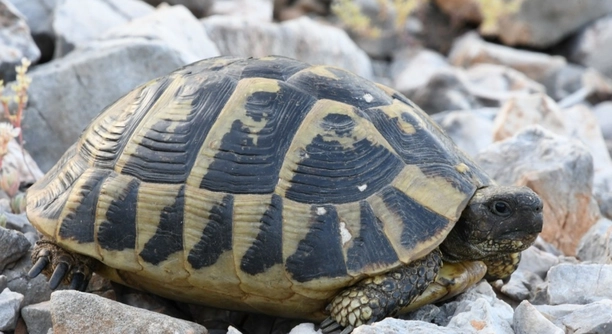
Taking care of a Hermann’s tortoise means paying attention to every detail of their health, including their beak. Regular maintenance is important to keep them comfortable and safe. Knowing how to trim their beak properly is key to their care.
The safest way to trim a Hermann’s tortoise’s beak is by using gentle methods and proper tools. Avoid cutting too much at once, and always make sure you are trimming slowly and carefully to prevent injury.
Proper trimming will keep your tortoise healthy and happy. Continue reading for a step-by-step guide to trimming their beak safely at home.
Why Trim Your Hermann’s Tortoise’s Beak?
Trimming your Hermann’s tortoise’s beak is important for their overall health and comfort. Overgrown beaks can cause difficulty eating and even lead to infections. If their beak is too long, it can also interfere with their natural behavior, like foraging and grooming. In the wild, they would naturally wear down their beak by eating tough plants and engaging with their environment. When kept in captivity, they might not have the same opportunities, which can lead to overgrowth. Regular trimming helps avoid these problems and ensures your tortoise can eat and live comfortably.
If left unchecked, the overgrown beak could potentially result in your tortoise struggling to eat. Regular checks can help you spot the issue early and prevent complications that might affect their health.
It’s best to trim your tortoise’s beak gently and carefully. Overdoing it could cause stress or injury, so make sure you trim a little at a time. Proper tools and patience are key to a safe process.
Tools You Will Need
Before trimming, make sure you have the right tools. You’ll need a small pair of nail clippers, a soft towel to wrap your tortoise in, and a safe place to work.
Having the proper tools helps prevent injury. A small pair of nail clippers is sufficient for most cases. You can find these at most pet stores or online. Be sure the clippers are sharp enough to cut through the beak but not too sharp to cause damage. Holding the tortoise gently with a towel will prevent sudden movements, making the process smoother. A calm space without distractions is essential for both you and your tortoise.
Having patience and a steady hand ensures you don’t trim too much at once. Be sure to trim in small increments, checking often.
How to Prepare Your Hermann’s Tortoise for Beak Trimming
Preparing your tortoise is crucial for a smooth and safe trimming process. Start by gently wrapping them in a soft towel to keep them calm and prevent sudden movements. Make sure the space is quiet and free from distractions to help your tortoise stay relaxed.
Once wrapped, hold your tortoise securely but comfortably, ensuring they feel stable. It’s important to keep their head and beak area accessible without stressing them out. This can be done by gently holding their body while leaving their beak exposed. Keep your movements slow and steady.
Make sure your tortoise is not overly stressed during this process. If they seem uncomfortable, it’s best to pause and let them relax before continuing. Patience is essential for both you and your tortoise to ensure the trimming goes smoothly.
The Actual Trimming Process
Once your tortoise is ready, it’s time to begin the trimming. Using small, sharp nail clippers, carefully trim away small portions of the beak. Aim to only remove a little bit at a time. Trim slowly, avoiding cutting too close to the sensitive areas of the beak.
If you notice any signs of discomfort, stop and reassess. Taking breaks helps keep your tortoise from getting too stressed. If necessary, you can check your work by gently pressing the beak to ensure it isn’t too sharp or jagged. This ensures a comfortable fit for their eating habits.
Trimming should be done with the utmost care to avoid causing any harm. Avoid trimming too much at once, as it can lead to bleeding or other injuries. This is why patience and small cuts are key.
What to Do if You Accidentally Trim Too Much
If you accidentally trim too much from your tortoise’s beak, stay calm and act quickly. It’s important to monitor them closely for any signs of bleeding or distress. You can apply a bit of pressure with a clean cloth to stop bleeding.
Keep an eye on the area where you trimmed. If bleeding continues, you may need to contact a veterinarian for advice or assistance. Make sure the area is clean and dry to avoid any infections. Over-trimming can cause long-term problems, so taking extra care next time is crucial.
Signs That Your Tortoise’s Beak Needs Trimming
Your tortoise may need a beak trim if you notice it looking overly long or sharp. Difficulty eating or a noticeable change in behavior could also be signs that the beak is in need of care.
Observe your tortoise closely to see if they are having trouble foraging, biting, or even closing their mouth fully. If the beak is visibly long or misshaped, it may be time to trim it. Regular checks will help catch these signs early.
FAQ
How often should I trim my Hermann’s tortoise’s beak?
The frequency of trimming depends on your tortoise’s diet and how much their beak naturally wears down. Generally, it should be checked every few months. If the beak appears too long or jagged, it’s time for a trim. Some tortoises may require more frequent trims, while others might only need it once a year. Regular check-ups will help you determine when trimming is necessary.
Can I use regular nail clippers to trim my tortoise’s beak?
Yes, regular nail clippers can work for trimming a Hermann’s tortoise’s beak. However, ensure that the clippers are sharp enough to cut through the beak without causing stress or injury. Small animal nail clippers or even specialized beak trimmers can also be used. The key is to use a tool that allows you to make precise cuts in small portions, reducing the risk of cutting too much.
What should I do if my tortoise’s beak is too long and hard to trim?
If the beak is too long or too hard, it might need professional help. It’s not uncommon for a tortoise’s beak to become overgrown, especially if they haven’t had enough opportunity to naturally wear it down. If trimming with clippers isn’t effective, or if the beak is causing issues like difficulty eating, it’s best to take your tortoise to a vet with experience in reptile care. They can safely file down the beak.
Can trimming the beak cause my tortoise pain?
When done properly, trimming your tortoise’s beak should not cause pain. However, if too much is trimmed at once, it could cause stress, bleeding, or discomfort. Always trim carefully and slowly, avoiding cutting too close to the sensitive areas. If your tortoise shows signs of pain such as excessive movement or vocalization, stop immediately and reassess.
What if my tortoise’s beak is chipped or cracked?
If you notice cracks or chips in your tortoise’s beak, it’s important to act quickly to avoid infection. Depending on the severity of the damage, you may need to take your tortoise to a vet. Small cracks can sometimes be managed at home by gently filing down rough edges to prevent further injury. Be sure to monitor the affected area for any signs of infection, like swelling or discharge.
Can I trim the beak of a baby Hermann’s tortoise?
Trimming a baby tortoise’s beak should be approached with extra caution. Their beaks are more delicate, and it’s essential to avoid trimming too much. In most cases, baby tortoises don’t require beak trimming unless there is a specific issue, such as overgrowth. Always consult a vet before attempting any trimming to ensure it’s done safely.
What happens if I don’t trim my tortoise’s beak?
If left untrimmed, your tortoise’s beak can grow too long, which may cause problems with eating and overall health. Overgrown beaks can make it difficult for your tortoise to bite properly, leading to malnutrition. In extreme cases, the beak could even become misshaped, making it impossible for the tortoise to feed normally, which could lead to other health complications.
Is it better to trim the beak or allow natural wear?
Natural wear is ideal, but not all tortoises have the opportunity to naturally wear down their beaks. A varied diet with harder foods can help, but sometimes, the beak can still grow too long. Regular trimming helps maintain the tortoise’s health and ensures their beak doesn’t interfere with feeding. If your tortoise doesn’t have access to the right foods or environment to wear down their beak naturally, occasional trimming is necessary.
What are the signs that I’m trimming too much?
If you trim too much of your tortoise’s beak, you might notice bleeding, swelling, or signs of pain. A healthy beak should look smooth and functional. If you notice that the beak becomes too short or jagged, your tortoise may have trouble eating or closing their mouth properly. Always check for these signs after trimming, and if any issues arise, consult a vet.
Can I use a file to smooth the beak after trimming?
Yes, a file can be used to smooth the beak after trimming. A gentle, fine file is helpful to smooth out any rough edges left from trimming. Be sure to file carefully, using small, gentle strokes, to avoid damaging the beak. Always check the beak afterward to ensure it’s comfortable for your tortoise to use.
Is trimming the beak a stressful process for the tortoise?
Trimming can be stressful if not done carefully. However, if done properly, it should be a quick and relatively stress-free process. Wrapping your tortoise in a towel and making sure they are in a calm environment can help reduce anxiety. Take your time and be gentle, as forcing the process can cause stress.
What are the risks of over-trimming a tortoise’s beak?
Over-trimming can lead to injury, bleeding, or infection. If too much is removed, the sensitive tissue inside the beak could be exposed, causing pain or discomfort. Over-trimming can also lead to an improper bite, making it difficult for the tortoise to eat. Always trim in small increments to minimize these risks.
Can a tortoise’s beak grow back if it’s trimmed too short?
If trimmed too short, a tortoise’s beak may take time to grow back, but it will eventually regenerate. The regrowth process depends on the tortoise’s age, diet, and overall health. In most cases, the beak will grow back, but it may take a few months. Be sure to monitor the area for any signs of infection or improper growth.
Final Thoughts
Trimming your Hermann’s tortoise’s beak at home can be a manageable task if done carefully. By using the right tools and taking your time, you can ensure that the process is stress-free for both you and your tortoise. It’s important to approach this task with patience, as trimming too much or too quickly can cause harm. Always aim to trim small portions and check often, making sure you don’t accidentally cut too much. If you ever feel unsure about the process, it’s best to consult a veterinarian, especially if your tortoise’s beak appears to be unusually long or damaged. They can help guide you through the process or even do the trimming for you.
Regularly checking your tortoise’s beak is important to keep it healthy. If the beak shows signs of overgrowth, such as difficulty eating or a visibly long shape, it’s time to trim. However, if the beak is worn down naturally through a proper diet and environment, trimming may not be needed as often. Keeping your tortoise’s diet balanced, with plenty of roughage to naturally wear down the beak, is also a key factor in preventing excessive growth. Providing a proper habitat with the right surfaces and textures for your tortoise to engage with can help as well.
While trimming your tortoise’s beak can seem intimidating, it’s a necessary part of responsible tortoise care. By staying informed, using proper tools, and ensuring a calm environment, you can make the process easier and safer for both you and your pet. Always prioritize your tortoise’s comfort and well-being during the process. If you notice any signs of discomfort or difficulty in your tortoise after trimming, it’s important to monitor them closely and consult a vet if needed. With proper care, your tortoise can enjoy a healthy, comfortable life with a well-maintained beak.

Hello,
If you enjoy the content that we create, please consider saying a "Thank You!" by leaving a tip.
Every little bit helps us continue crafting quality advice that supports the health, happiness, and well-being of pets around the world, for pets of all shapes, sizes, and species.
We really appreciate the kindness and support that you show us!