
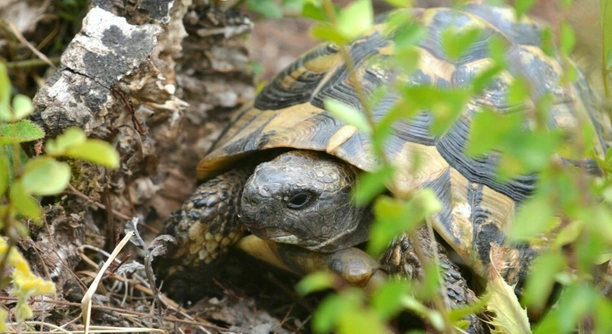
Hermann’s tortoises are fascinating creatures, but their behavior can sometimes leave owners puzzled. One common issue is when they seem to prefer hiding in corners. Understanding why they act this way can help ensure their wellbeing.
Hermann’s tortoises often hide in corners due to stress, a desire for security, or natural instincts. They seek out enclosed spaces to feel safe and secure, especially in unfamiliar or uncomfortable environments. This behavior is typical for this species.
Recognizing the reasons behind this behavior can help you address any potential problems. Understanding your tortoise’s environment and needs is key to ensuring its health and happiness.
Stress and Unfamiliar Environments
Hermann’s tortoises can become stressed when they are in new or unfamiliar environments. They are naturally shy creatures and feel more secure when they can find a quiet, secluded spot. If you’ve recently moved your tortoise or rearranged its enclosure, it might be reacting to the change by hiding. A corner provides a space that feels safe, as it gives them control over what they can see. The stress could also come from changes in temperature, lighting, or the presence of loud noises around them. A sudden shift in their environment can lead to them retreating to corners or hidden spaces.
It’s important to maintain a consistent habitat for your tortoise. Stability in temperature and lighting, as well as a quiet area, can help reduce stress levels. Always check that your tortoise’s enclosure mimics the environment it would naturally seek in the wild.
A lack of proper hiding spots can also make them feel more exposed. Adding items like logs, plants, or rocks can create a safe retreat within their enclosure. This ensures they feel secure even in their home.
Health Concerns and Physical Discomfort
Sometimes hiding in corners could be a sign of health problems. If your tortoise is feeling unwell, it may retreat to a corner to rest and avoid interacting with its surroundings. For example, digestive issues or minor injuries might make them feel vulnerable or uncomfortable. If the hiding becomes a frequent behavior or is accompanied by other symptoms, a visit to the vet might be necessary. It’s important to monitor their eating habits, activity levels, and overall behavior to spot any changes that may indicate health issues.
A lack of appetite, lethargy, or unusual movements could point to physical discomfort or illness. If you notice these signs, don’t wait too long to get professional help. The earlier you address health concerns, the better the outcome for your tortoise’s recovery. Always make sure that your tortoise’s diet is balanced and includes the right nutrients for its age and species. Ensuring the correct amount of UVB light and proper humidity can also help prevent health problems.
Temperature and Lighting Issues
Temperature fluctuations can cause your tortoise to hide more often. Hermann’s tortoises need a specific range of temperatures to stay healthy. If it gets too hot or cold, they may retreat to a corner to regulate their body temperature. Too much heat or insufficient heat can make them feel unsafe.
Ensure your tortoise’s habitat has both a warm basking spot and a cooler area to move between. Use a thermometer to check the temperature regularly. A UVB light is also essential for their health, as it helps them absorb calcium. If these conditions are off, your tortoise might seek refuge in a corner to escape discomfort.
Regularly check that your tortoise’s basking area stays warm enough for it to absorb sunlight properly. If the enclosure is too cold or hot, they might not come out of hiding. Adjust your heating and lighting setup to avoid these extremes and maintain a stable environment.
Lack of Hiding Spaces
Hermann’s tortoises naturally seek out spaces where they can feel protected, and a lack of hiding spots could make them feel exposed. If your tortoise doesn’t have a place to hide, it will likely look for corners to feel more secure. Providing small caves, logs, or other structures can help your tortoise feel less stressed and more comfortable.
Adding hiding spots will encourage your tortoise to explore its enclosure and reduce stress. A simple, safe spot, like a small wooden box or hollow log, can work wonders. These areas provide security when they feel overwhelmed or need privacy. Without these, your tortoise might hide in corners or avoid coming out to bask.
Offer more opportunities for your tortoise to feel safe by placing multiple hiding spots in the enclosure. The more options they have, the less likely they will retreat to a corner. This can reduce anxiety and encourage your tortoise to stay more active and explore its environment.
Mating Season Behavior
During mating season, Hermann’s tortoises may act more reclusive. Male tortoises, in particular, can become more territorial and hide in corners to avoid competition. They might seek solitude, as they can become stressed by the presence of other tortoises. This is part of their natural behavior.
This behavior usually occurs in spring and fall, when the weather changes and breeding instincts kick in. The increased need for privacy during this time can lead your tortoise to hide more often. If you notice this behavior, it’s typically a natural response and not something to be concerned about.
If you only have one tortoise, this behavior might not be as noticeable. However, if you keep multiple tortoises, male aggression or territoriality could cause your tortoise to hide more in response. Offering ample space in the enclosure can help reduce stress.
Overcrowding
Overcrowding in a tortoise enclosure can also lead to hiding. When too many tortoises are in a small space, they feel stressed and try to avoid contact with others. This can make them hide in corners or under objects to create distance from other tortoises.
To reduce overcrowding, make sure each tortoise has its own space to move freely. Properly sized enclosures help prevent stress from a lack of space, which can lead to healthier and more active tortoises. Consider increasing the enclosure size or separating them if space is limited.
Inadequate Diet
An inadequate diet can lead to a tortoise hiding. If your Hermann’s tortoise isn’t receiving the right nutrients, it might feel lethargic and seek quiet corners to rest. A poor diet can lead to overall health issues, including shell deformities and digestive problems, making your tortoise retreat more often.
Ensure that your tortoise’s diet includes a variety of leafy greens, and add calcium supplements if needed. Be mindful of what they’re eating to avoid any imbalances that could cause discomfort.
FAQ
Why does my Hermann’s tortoise hide all the time?
Hermann’s tortoises tend to hide when they are stressed, unwell, or feel insecure in their environment. Stress can be caused by changes in their habitat, temperature fluctuations, or the presence of other animals. If your tortoise is hiding all the time, it’s a good idea to check the enclosure’s conditions. Ensure that the temperature and humidity levels are appropriate, and that the space feels safe and comfortable for your tortoise. A lack of hiding spots can also make them feel exposed, encouraging them to hide more.
Is it normal for my tortoise to hide in corners?
Yes, it’s completely normal for Hermann’s tortoises to hide in corners. Corners provide a sense of security, as they are enclosed spaces that help them feel protected from potential threats. However, if your tortoise is hiding in corners more than usual or for extended periods, it could be a sign of stress, health issues, or discomfort. Checking the environmental factors in the enclosure can help you address the problem.
How can I tell if my tortoise is stressed?
Stress in tortoises can show up in several ways, including hiding more often, eating less, being more lethargic, or moving less. They might also display signs of aggression or increased territoriality. If your tortoise is acting out of character or retreating to corners frequently, it’s worth examining their habitat to see if any changes are causing the stress. Make sure the enclosure is not overcrowded and that it offers appropriate hiding spaces, warmth, and light.
What temperature should my Hermann’s tortoise enclosure be?
Hermann’s tortoises need a temperature range of around 75°F to 85°F (24°C to 29°C) for most of their enclosure. They need a warmer basking spot that can reach between 90°F and 100°F (32°C to 38°C) to help them digest food properly. A cooler area should be available for them to retreat to if they get too warm. It’s essential to keep the temperature stable, as fluctuations can cause stress and prompt hiding behavior. Using a thermometer will help ensure the correct temperature is maintained.
Can I keep multiple Hermann’s tortoises together?
You can keep multiple Hermann’s tortoises together, but only if there is enough space in their enclosure. Overcrowding can lead to stress, aggression, and hiding behavior. Male tortoises, in particular, can become territorial during mating season, so if you’re keeping more than one, ensure they have separate areas within the enclosure. Offering ample hiding spots and places to retreat to can help reduce any aggression between them.
Why does my tortoise hide when I approach?
It’s normal for some tortoises to hide when they see people, as they may perceive humans as a potential threat. Over time, as your tortoise gets used to you and its environment, it may become less shy. However, if your tortoise is consistently hiding when you approach, it could be a sign of stress or that it feels unsafe. Try to make the environment feel more secure by offering hiding spots and ensuring the habitat is calm and quiet. Give your tortoise space to explore and build trust with it slowly.
Should I be concerned if my tortoise isn’t eating?
If your tortoise is hiding and not eating, it may be a sign that something is wrong. Loss of appetite can be caused by health issues, stress, or environmental factors. Check that your tortoise is getting the right food, such as leafy greens, and ensure that the temperature and lighting in the enclosure are optimal. If your tortoise continues to refuse food or shows other signs of illness, it’s best to consult with a vet to rule out any health concerns.
How much space does my tortoise need?
A larger enclosure is always better for a Hermann’s tortoise, as it provides more opportunities for exercise, exploration, and natural behaviors. For a single tortoise, a minimum of 40 to 60 square feet of space is recommended. If you have more than one, you’ll need to increase the size of the enclosure to accommodate each tortoise’s space needs. The enclosure should also have areas that allow your tortoise to hide, bask, and cool off.
How can I reduce my tortoise’s stress?
Reducing stress involves creating a stable and comfortable environment. Start by ensuring the right temperature, lighting, and humidity levels. Make sure there are plenty of hiding spots and places to explore. If your tortoise is not alone, ensure that the enclosure is large enough for each tortoise to have their own space. Avoid loud noises and sudden movements around the enclosure, as these can cause stress. Regularly check for signs of stress and adjust their environment as needed.
Can hiding indicate a health problem?
Yes, hiding can sometimes be a sign of a health problem. If your tortoise is hiding more often than usual, is lethargic, or not eating, it may be dealing with illness or injury. Common health problems that may cause a tortoise to hide include respiratory infections, shell problems, or digestive issues. If you suspect your tortoise is unwell, it’s essential to take it to a vet who specializes in reptiles for a check-up. Early diagnosis and treatment can improve your tortoise’s chances of recovery.
Final Thoughts
Hermann’s tortoises are fascinating creatures with unique behaviors. While hiding in corners might seem puzzling, it’s often a natural response to their environment. Tortoises, by nature, prefer enclosed spaces that make them feel safe and secure. This behavior can be linked to stress, health issues, or environmental factors like temperature and lighting. Understanding why your tortoise hides and addressing the underlying causes can help ensure it remains happy and healthy.
If your tortoise is frequently hiding, it’s important to take a closer look at its living conditions. Make sure the temperature in the enclosure is stable and falls within the recommended range for a Hermann’s tortoise. If there are fluctuations in temperature, your tortoise may feel the need to retreat to a corner. Providing a variety of hiding spots, such as rocks, plants, or logs, will help your tortoise feel more secure and reduce stress. It’s also important to keep the enclosure quiet and free of disturbances, as loud noises can be unsettling for your tortoise.
While hiding is often a normal behavior, it’s essential to monitor for any signs of illness. If your tortoise is hiding more than usual, not eating, or showing other unusual behaviors, it could be a sign of health problems. In such cases, it’s a good idea to consult with a vet who specializes in reptiles. Ensuring that your tortoise’s habitat is comfortable, safe, and free of stress will help it thrive and reduce the likelihood of hiding due to discomfort.

Hello,
If you enjoy the content that we create, please consider saying a "Thank You!" by leaving a tip.
Every little bit helps us continue crafting quality advice that supports the health, happiness, and well-being of pets around the world, for pets of all shapes, sizes, and species.
We really appreciate the kindness and support that you show us!