
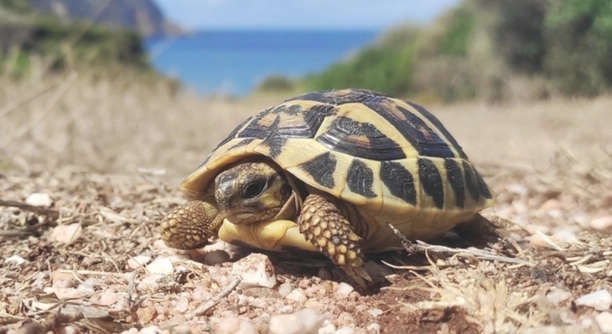
If you’ve noticed your Hermann’s tortoise’s beak looking overgrown, it’s important to understand why this might be happening. Tortoises, like other reptiles, require proper care to maintain their overall health, including their beaks.
An overgrown beak in a Hermann’s tortoise is often due to improper diet, lack of natural wear, or underlying health issues. Beaks can grow too long if they don’t naturally file down through the right activities or foods.
There are several key factors at play when it comes to preventing this issue and promoting proper beak maintenance. Understanding these will help ensure your tortoise stays healthy and comfortable.
What Causes Overgrown Beaks in Hermann’s Tortoises?
Hermann’s tortoises typically maintain their beaks through natural wear, like biting on food or grinding against surfaces. However, in captivity, their beaks can grow too long if they don’t get enough opportunities for this kind of wear. A common issue is a poor diet. If a tortoise isn’t eating enough fibrous foods like grasses, weeds, or leaves, the beak may not wear down as it should. Additionally, limited space for movement or lack of access to rough surfaces like rocks can contribute to this problem. The beak should naturally file down with the tortoise’s activities, but without these essential factors, overgrowth can happen.
While diet is a major factor, it’s important to remember that genetics can also play a role. Some tortoises may be more prone to overgrown beaks, even with proper care. Overgrown beaks can affect their ability to eat and cause discomfort.
It’s essential to keep a close eye on your tortoise’s beak. If you notice that it’s becoming too long, seek help from a vet or an experienced herpetologist for guidance on how to manage the problem.
The Impact of a Poor Diet on Your Tortoise’s Beak
A diet lacking in proper nutrients is one of the most common reasons why a Hermann’s tortoise’s beak might overgrow. Without sufficient fibrous foods, your tortoise’s beak cannot naturally wear down.
Fibrous plants like grasses and dandelion greens are crucial for beak maintenance. These foods help grind down the beak as the tortoise eats and moves around. Without these, the beak may grow excessively long. Be sure to provide your tortoise with a variety of fresh plants to keep their beak in check.
A diet lacking these nutrients can cause a range of issues. It’s not just the beak that can be affected – the entire digestive system may struggle. In the wild, tortoises graze on these fibrous plants regularly, naturally helping with both beak wear and digestion. In captivity, it’s essential to mimic their natural diet as closely as possible. If the diet doesn’t meet their needs, beak overgrowth is often the result.
The Role of Habitat and Movement in Beak Health
Your tortoise’s living environment can play a significant role in whether or not their beak stays healthy. Without space to roam and natural surfaces to scratch or grind against, the beak may overgrow. Captive tortoises may not get enough activity to naturally wear down their beaks, especially if they are kept in small enclosures without rough surfaces like rocks or logs.
The beak naturally wears down as the tortoise moves about and interacts with its surroundings. A lack of proper movement or surfaces to help with grinding can lead to excess growth. Creating a more enriching environment for your tortoise with areas to explore and chew on can help reduce the risk of overgrown beaks.
If you notice your tortoise’s beak getting longer, the first thing to do is reassess their living space. Does your tortoise have enough room to move around and interact with its environment? Are there any rough surfaces that could assist in wearing down the beak? By improving their environment, you can help your tortoise maintain a healthy beak.
What to Do When the Beak Becomes Overgrown
If your Hermann’s tortoise’s beak has become overgrown, the best course of action is to consult a veterinarian experienced with reptiles. Trying to trim or file the beak on your own is not recommended, as it could cause injury or pain to your tortoise. A vet can assess the beak’s condition and determine the best way to trim it safely.
In some cases, the vet may need to manually trim the beak to ensure it is at a healthy length. Regular visits to a reptile vet can help monitor the health of your tortoise’s beak and ensure that it is properly maintained. If the overgrowth is due to dietary deficiencies or environmental factors, addressing these issues will prevent further overgrowth from occurring.
It’s also crucial to adjust your tortoise’s diet and living conditions immediately after the issue is addressed. Make sure that they have access to plenty of fibrous plants and room to move around. Creating an optimal environment will go a long way in preventing future problems and supporting your tortoise’s overall health.
How to Prevent Overgrown Beaks in Hermann’s Tortoises
Providing the right diet is the first step in preventing an overgrown beak. Ensure your tortoise has access to fibrous plants, like grasses, dandelion greens, and clover. These foods help naturally wear down the beak.
Offering a variety of fibrous plants will help keep your tortoise’s beak healthy. Plants with high fiber content are the best option. Avoid feeding them too many soft vegetables like lettuce, as these do not contribute to proper beak wear. Tortoises in the wild naturally eat a wide range of plants that help file down their beaks, so replicating this in captivity is essential.
To further promote healthy beak maintenance, ensure your tortoise has enough space to move around. Provide a large, enriching habitat with rough surfaces like rocks or logs that your tortoise can interact with. These surfaces will help naturally wear down the beak as they explore their environment. A small or barren enclosure limits their movement and may lead to beak overgrowth.
The Importance of Regular Check-ups
Regular veterinary check-ups are essential for monitoring your tortoise’s overall health, including its beak. A veterinarian experienced with reptiles can spot early signs of overgrowth before it becomes a serious issue.
Routine visits help keep your tortoise healthy by catching problems early. A vet will assess not only the beak but also other factors that affect their health, such as their diet, behavior, and habitat. Preventative care is key to ensuring your tortoise lives a long and healthy life. If beak overgrowth is detected, your vet will advise on corrective measures to fix the problem. They may even help trim the beak safely, if necessary.
Getting your tortoise checked regularly also ensures that other issues like malnutrition or infection don’t go unnoticed. Early treatment can make a significant difference in your tortoise’s well-being. Regular check-ups should be part of your tortoise’s long-term care plan, ensuring that the beak and other parts of their body remain in top condition.
The Role of UVB Lighting in Beak Health
UVB lighting is crucial for your tortoise’s overall health. It helps them properly digest food and absorb calcium, which supports beak and shell maintenance. Without adequate UVB light, your tortoise might develop health issues that affect beak growth.
UVB lighting is especially important in indoor enclosures. Natural sunlight is often limited indoors, so providing a proper UVB light source helps mimic the sunlight your tortoise would get in the wild. Without it, your tortoise may experience weakened bones and abnormal beak growth. Make sure to replace UVB bulbs regularly, as their effectiveness decreases over time.
Ensuring a Balanced Diet for Beak Maintenance
A well-balanced diet is key for preventing beak issues. Provide a mix of leafy greens, flowers, and occasional fruit. This helps meet your tortoise’s nutritional needs and promotes proper beak wear. Avoid too many sugary foods, as they can harm their health.
A balanced diet includes fibrous plants, calcium-rich foods, and a variety of fresh greens. Foods like kale, collard greens, and plantain leaves are excellent for beak health. Calcium, found in foods like dandelion greens and cuttlefish bone, helps maintain strong bones and a healthy beak. Be sure to avoid feeding processed foods, which can lead to health problems over time.
The Impact of Stress on Beak Growth
Stress can affect your tortoise’s overall health, including the growth of its beak. A stressed tortoise may not eat properly or may stop eating altogether, leading to malnutrition. This can result in overgrown or weakened beaks.
Reducing stress by providing a stable, quiet environment is crucial for your tortoise’s well-being. Avoid loud noises, sudden temperature changes, and other stressors that could upset them. Make sure their enclosure is spacious and comfortable, with enough hiding spots and things to explore. Stress management will help keep their beak healthy and reduce the risk of overgrowth.
FAQ
What are the signs of an overgrown beak in a Hermann’s tortoise?
The most noticeable sign of an overgrown beak is the beak’s excessive length. If the beak is longer than normal, it may look out of proportion or curl over the tortoise’s mouth. This can make it difficult for them to eat properly. Another sign to watch for is difficulty in biting or grasping food, as the overgrown beak may prevent them from chewing effectively. If you notice these signs, it’s important to address the issue as soon as possible.
Can I trim my tortoise’s beak at home?
It is not recommended to trim your tortoise’s beak at home. The beak is sensitive and trimming it incorrectly could cause injury. If the beak is overgrown, it’s best to consult a veterinarian who specializes in reptiles. They can safely trim the beak and provide advice on preventing further overgrowth. Attempting to trim it yourself could lead to complications, so always leave it to the professionals.
What should I do if my tortoise is having trouble eating due to an overgrown beak?
If your tortoise is struggling to eat because of an overgrown beak, take them to a veterinarian immediately. The vet can assess the severity of the overgrowth and safely trim the beak if necessary. In the meantime, you can try providing softer foods like finely chopped vegetables or mushy fruits to make eating easier. However, a proper veterinary visit is the best way to address the issue long-term.
How often should I take my tortoise to the vet for beak check-ups?
It’s a good idea to schedule a veterinary check-up for your tortoise at least once a year, but more frequent visits may be needed if you notice any signs of beak problems. If you observe any changes in your tortoise’s eating habits, behavior, or appearance of the beak, it’s important to consult the vet as soon as possible. Regular check-ups will help prevent major issues and ensure your tortoise is healthy.
Can beak overgrowth be a sign of other health problems?
Yes, beak overgrowth can sometimes be a sign of other underlying health problems. It can indicate nutritional deficiencies, such as a lack of calcium or improper diet. In some cases, it may be linked to other metabolic issues, like vitamin D3 deficiency or problems with the digestive system. A vet will be able to determine if there are any other health concerns contributing to the overgrowth. Regular monitoring of your tortoise’s health and diet can prevent these issues from worsening.
Can beak overgrowth cause pain for my tortoise?
Yes, overgrown beaks can cause pain for your tortoise. When the beak becomes too long, it can make eating difficult, which could lead to malnutrition or weight loss. In more severe cases, the beak may grow in a way that affects the tortoise’s ability to move its mouth properly, leading to discomfort. Addressing overgrowth early can prevent your tortoise from experiencing significant pain or complications.
What foods should I avoid to prevent beak overgrowth?
To prevent beak overgrowth, avoid feeding your tortoise too many soft or sugary foods, such as lettuce, fruit, or processed foods. These foods don’t contribute to beak wear and can cause nutritional imbalances. Instead, focus on fibrous, high-fiber plants like dandelion greens, grass, and weeds. These foods help wear down the beak as the tortoise eats and encourage healthy digestion.
How do I create an environment that supports healthy beak wear?
To support healthy beak wear, create an environment with enough space for your tortoise to move around and explore. Include rough surfaces such as rocks, logs, or even rough tiles in the enclosure. These surfaces will help your tortoise naturally wear down its beak while exploring. Make sure the habitat is large enough for your tortoise to roam freely, as limited space can contribute to overgrown beaks.
Can beak overgrowth happen even if I’m feeding my tortoise the right food?
Yes, beak overgrowth can still happen even if you are feeding the right foods. Other factors, like limited movement, lack of rough surfaces, or genetic predisposition, can contribute to this issue. In addition to diet, providing a suitable habitat with ample space and things to climb or chew on is essential for beak health. If your tortoise is still experiencing overgrowth despite a proper diet, reassess their living conditions.
How do I know if my tortoise’s beak is growing at a normal rate?
You can check your tortoise’s beak regularly to ensure it’s growing at a normal rate. A healthy beak should be short and sharp, with no noticeable overgrowth. If it starts to appear longer or curled, it may indicate that the beak is growing too fast. Comparing your tortoise’s beak to images of healthy tortoises or taking regular photos of your own tortoise can help you track changes. If you notice any unusual growth, consult a vet for advice.
Will my tortoise’s beak return to normal after treatment?
With proper treatment, your tortoise’s beak can return to a healthy state. If the beak has become overgrown, a vet can trim it to a normal length. In most cases, once the overgrowth is corrected and the underlying issues (such as diet or habitat) are addressed, the beak will begin to function properly again. However, regular monitoring is necessary to ensure the issue does not return.
Can UVB lighting help prevent beak overgrowth?
Yes, UVB lighting is essential for your tortoise’s overall health, including beak maintenance. UVB light helps them synthesize vitamin D3, which is necessary for calcium absorption. Proper calcium levels are critical for maintaining a healthy beak. Without sufficient UVB light, your tortoise may develop metabolic bone disease, which can lead to overgrown beaks. Ensure that your tortoise has access to proper UVB lighting, especially if they live indoors.
What can I do to improve my tortoise’s living conditions for better beak health?
Improving your tortoise’s living conditions involves providing a spacious, enriched environment. Ensure the enclosure has rough surfaces for the tortoise to interact with, such as rocks, logs, or tiles. You should also ensure they have plenty of room to roam and access to a variety of fibrous foods. A habitat with proper temperature and humidity levels, along with access to UVB lighting, is essential for overall health and proper beak wear.
Final Thoughts
Proper care of your Hermann’s tortoise is essential to preventing an overgrown beak. A good diet, including plenty of fibrous plants, is crucial for natural beak wear. Grasses, dandelion greens, and other high-fiber plants should make up the majority of their food. By offering the right types of food, you help ensure that their beak stays healthy and properly maintained. Without these, the beak may become too long and difficult for your tortoise to manage, leading to potential problems with eating and overall health. It’s also important to avoid feeding them too many soft vegetables or fruits that don’t contribute to natural beak wear.
Another key factor is providing your tortoise with a spacious and enriching environment. Tortoises are naturally active and need room to roam and explore. Without enough space and access to rough surfaces like rocks or logs, the beak can become overgrown. These surfaces help naturally wear down the beak as the tortoise moves about, mimicking the conditions they would have in the wild. Small or bare enclosures can contribute to a variety of health issues, including overgrown beaks, so it’s important to make sure their habitat is designed to promote their natural behaviors.
Regular veterinary check-ups are also an important part of maintaining your tortoise’s health. By monitoring the condition of the beak and other aspects of your tortoise’s health, a vet can help you spot any potential problems early. If you notice any signs of overgrowth, consulting a reptile vet is the best option. They can safely trim the beak if necessary and provide advice on how to prevent future issues. By following these guidelines and being proactive about their care, you can ensure that your tortoise remains healthy and comfortable for years to come.

Hello,
If you enjoy the content that we create, please consider saying a "Thank You!" by leaving a tip.
Every little bit helps us continue crafting quality advice that supports the health, happiness, and well-being of pets around the world, for pets of all shapes, sizes, and species.
We really appreciate the kindness and support that you show us!