
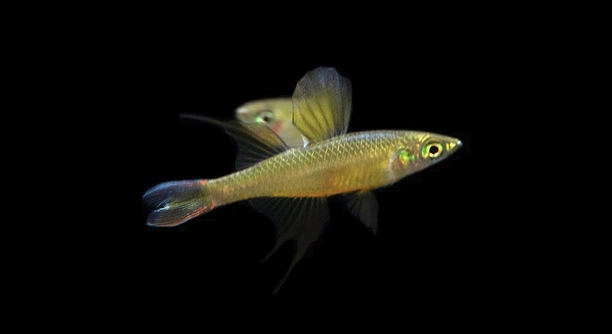
Are your threadfin fish eating less or showing unusual behavior during feeding times? Noticing these small changes early can help you protect their health and maintain a thriving, balanced aquatic environment in your care.
Poor threadfin health often manifests through feeding behavior changes. Common signs include reduced appetite, difficulty swallowing, irregular swimming while feeding, spitting out food, and selective eating patterns, all of which indicate stress, illness, or nutritional deficiencies affecting their overall well-being.
Monitoring these feeding signs closely can help you take timely action and support your threadfin’s long-term health effectively.
Reduced Appetite
When threadfin fish suddenly eat less or skip meals, it can indicate a problem with their health. Stress, water quality changes, or internal illness can make them reluctant to eat. Over time, this can lead to weakened immune systems, slower growth, and increased susceptibility to infections. Observing feeding patterns carefully helps catch these changes early. Offering varied food types and monitoring their acceptance can give insight into whether appetite loss is temporary or persistent. Environmental factors such as temperature fluctuations, overcrowding, or sudden changes in diet can also impact their feeding behavior. Small adjustments like maintaining consistent feeding times, ensuring clean water, and providing balanced nutrition can often restore normal eating habits. In some cases, persistent appetite loss may require consulting an aquatic veterinarian to rule out infections or internal parasites that aren’t visible. Regular observation is key to preventing serious health issues in your threadfin population.
Consistent monitoring of feeding habits helps identify issues before they escalate, ensuring threadfins remain healthy and active in their environment.
Addressing reduced appetite quickly can prevent long-term health problems. Maintaining clean water, stable conditions, and offering nutrient-rich food supports recovery. Some threadfins respond to live or frozen foods better, encouraging eating and improving overall vitality.
Spitting Out Food
Spitting out food is a clear signal that something is wrong with your threadfin’s feeding behavior. This may occur due to improper food size, stress, or mouth or gill issues.
Spitting food frequently indicates discomfort during feeding and may reflect underlying health issues or unsuitable dietary options.
Threadfins often reject food that is too large, poorly prepared, or spoiled. Digestive problems, gill irritation, or oral injuries can also cause them to spit out meals. Consistently observing which foods are accepted and which are rejected helps identify preferences and potential issues. Environmental stressors, such as sudden noise, overcrowding, or rapid water parameter changes, can further exacerbate this behavior. Introducing smaller portions or softer foods may encourage normal feeding and reduce waste. In some cases, spitting out food repeatedly signals infection or parasites, requiring prompt attention. Addressing water quality, reducing stress, and providing suitable nutrition helps your threadfin regain proper feeding habits and maintain overall health. Recording daily feeding behavior can highlight patterns and make it easier to take corrective action efficiently.
Irregular Swimming While Feeding
Threadfins that swim erratically or hover instead of actively seeking food may be signaling a health issue. Irregular swimming often accompanies stress, injury, or internal problems affecting their ability to feed normally.
Erratic movements can result from poor water quality, temperature fluctuations, or oxygen deficiency. Injuries to fins or muscles may make swimming difficult, reducing feeding efficiency. Parasites or infections affecting the nervous system can also disrupt normal swimming patterns, causing fatigue or uncoordinated movements. Observing the tank for aggression or overcrowding helps identify social stressors impacting swimming behavior. Providing stable water conditions and a calm environment encourages normal feeding activity and reduces erratic movement.
Encouraging proper swimming involves maintaining adequate space, clean water, and balanced nutrition. Adjusting tank conditions and monitoring interactions between fish can restore normal feeding behavior and support overall health.
Selective Eating
Threadfins refusing certain foods or eating only specific items may indicate nutritional deficiencies or illness. Selective eating limits the nutrients they receive and can impact growth and vitality.
Selective eating often occurs when fish feel unwell or are stressed. A limited diet may not meet their nutritional requirements, weakening immune responses and slowing growth. Over time, this behavior can make them more vulnerable to disease. Monitoring which foods are rejected helps identify potential deficiencies or digestive issues. Offering a variety of high-quality food types, including live, frozen, or specially formulated pellets, can encourage a more balanced diet. Avoid sudden dietary changes, as threadfins are sensitive to new foods and abrupt transitions. Providing consistent feeding schedules and ensuring all individuals get access to food prevents competition-related selective eating.
Adjusting the diet with nutrient-rich, easily digestible options promotes uniform feeding. Regular observation and gentle encouragement through varied offerings can reduce selective behavior, supporting the overall health of your threadfin population.
Food Refusal
Threadfins that completely refuse to eat may be experiencing severe stress or illness. This behavior can quickly weaken them and increase vulnerability to disease if not addressed promptly.
Immediate observation of water conditions, tankmates, and overall fish activity is crucial. Sudden food refusal often signals an urgent problem needing correction.
Slow Eating
Slow eating may indicate difficulty swallowing, mouth injuries, or digestive issues. Fish may nibble at food without consuming enough to meet their nutritional needs, which can affect growth and energy levels. Monitoring the pace of feeding helps identify potential underlying problems.
Gulping Air
Gulping air at the surface can indicate oxygen deficiency, gill irritation, or stress. This behavior often appears during feeding when fish are already exerting energy.
Uneven Growth
Uneven growth among threadfins may result from poor feeding, competition, or underlying health problems. Consistently monitoring size differences helps detect issues early.
FAQ
What causes reduced appetite in threadfins?
Reduced appetite in threadfins is usually linked to stress, poor water quality, or illness. Sudden changes in temperature, overcrowding, or aggressive tankmates can make fish reluctant to eat. Internal issues, such as infections or parasites, also impact feeding behavior. Observing daily feeding patterns helps identify the problem quickly.
How can I tell if my threadfin is spitting out food due to stress or illness?
Spitting out food occasionally can be normal, but consistent rejection may indicate health problems. Check water parameters, tank conditions, and for injuries in the mouth or gills. If spitting persists despite proper feeding and water quality, it could point to internal illness or parasites.
Why do some threadfins swim irregularly while feeding?
Irregular swimming is often caused by stress, injury, or environmental issues. Poor oxygen levels, temperature fluctuations, or overcrowding can make fish swim erratically. Neurological problems from parasites or infections may also impact movement. Ensuring stable tank conditions and monitoring interactions can reduce irregular swimming.
What does selective eating indicate in threadfins?
Selective eating usually points to nutritional deficiencies, digestive discomfort, or stress. Fish may reject unfamiliar or less appealing foods. Offering a balanced variety, including live or frozen options, helps encourage proper nutrition. Gradual dietary changes prevent sudden rejection and maintain overall health.
How can I help threadfins that refuse food completely?
Complete food refusal is serious and requires immediate attention. Check water quality, tankmates, and stress factors. Offering softer, nutrient-rich food or live options can encourage feeding. If refusal continues, consult an aquatic veterinarian to rule out illness or internal parasites.
Why do threadfins eat slowly compared to normal?
Slow eating can be a sign of difficulty swallowing, mouth injuries, or digestive problems. Fatigue from stress or insufficient oxygen may also reduce feeding speed. Monitoring their pace helps detect underlying issues early. Adjusting food size or providing supplemental feeding can support proper nutrition.
Is gulping air a sign of poor threadfin health?
Yes, gulping air at the surface often indicates oxygen deficiency or gill irritation. Stress, overcrowding, or poor water circulation can contribute. Ensuring proper aeration, clean water, and balanced feeding helps reduce surface gulping and maintain health.
What causes uneven growth among threadfins?
Uneven growth is commonly caused by poor feeding habits, competition for food, or underlying health problems. Monitoring individual fish, offering enough food for all, and addressing nutritional deficiencies can promote balanced growth and reduce size disparities.
How often should I monitor feeding behavior?
Daily observation is ideal. Noticing changes in appetite, swimming patterns, or food rejection early helps prevent serious health problems. Keeping a simple feeding log can make it easier to track trends and take timely action.
Can dietary changes improve threadfin feeding issues?
Yes, offering varied and nutrient-rich food can encourage eating. Slowly introducing new options prevents stress or rejection. Live, frozen, or high-quality pellets can support proper nutrition and overall vitality while addressing selective eating or reduced appetite.
What environmental adjustments can support healthy feeding?
Maintaining stable water temperature, adequate oxygen levels, and proper tank density is essential. Reducing stress factors like aggressive tankmates or sudden noise also helps. Clean, well-maintained tanks encourage normal feeding behavior and prevent illness.
When should I consult a veterinarian?
If reduced appetite, food refusal, or erratic swimming persists despite proper care, a veterinarian should be consulted. Persistent or severe symptoms may indicate infection, parasites, or internal illness that requires professional treatment.
How can I prevent future feeding problems?
Regular monitoring, consistent feeding schedules, and balanced nutrition help prevent issues. Maintaining stable water conditions, reducing stress, and observing social interactions between fish also play a key role in long-term threadfin health.
Are there signs that indicate immediate action is needed?
Yes, complete food refusal, continuous spitting, gulping air excessively, or sudden lethargy are urgent warning signs. Immediate adjustments to water quality, tank conditions, and feeding practices are necessary, and professional advice should be sought if symptoms persist.
What is the best approach to introduce new food to threadfins?
Introduce new foods gradually alongside familiar options. Start with small portions to allow adjustment. Observing acceptance helps identify preferences and prevents stress. Repeating this process over several feedings ensures a smooth transition and encourages proper nutrition.
Can stress alone cause feeding issues in threadfins?
Stress is a major factor affecting feeding. Overcrowding, aggressive tankmates, sudden environmental changes, or handling can reduce appetite or cause selective eating. Addressing these stressors is often enough to restore normal feeding behavior and overall health.
How important is water quality for threadfin feeding behavior?
Water quality is critical. Poor conditions can directly reduce appetite, cause spitting, gulping, or erratic swimming. Regular testing, filtration, and partial water changes are essential to maintain an environment that supports healthy feeding patterns and growth.
Can different threadfin species have unique feeding behaviors?
Yes, species-specific preferences affect how they eat. Some may favor live food, others accept pellets or frozen options. Understanding these differences helps provide proper nutrition and prevents selective eating or malnutrition in mixed-species tanks.
How can I track subtle changes in feeding behavior?
Keeping a daily log of feeding times, amount eaten, and individual fish behavior helps detect subtle changes. Noting abnormalities early makes it easier to identify health issues before they become severe. Consistent observation is key to preventing long-term problems.
What role does tank size play in feeding health?
Adequate space reduces competition and stress, allowing all fish to access food. Overcrowded tanks often lead to selective eating, uneven growth, or food refusal. Proper tank size ensures healthier feeding patterns and better overall well-being for threadfins.
How can I encourage shy or weaker fish to eat?
Separate feeding areas, smaller portions, or slower introduction of food can help. Ensuring stronger fish do not dominate feeding times allows weaker individuals to eat adequately. Monitoring closely and adjusting as needed supports balanced nutrition for all.
Are there seasonal changes that affect feeding behavior?
Yes, temperature fluctuations or changes in light cycles can influence appetite. Seasonal stressors may temporarily reduce eating. Maintaining stable environmental conditions and monitoring feeding habits can mitigate seasonal impacts on threadfin health.
What are common signs that feeding problems are linked to illness?
Persistent reduced appetite, spitting out food, erratic swimming, and weight loss indicate illness. Combining these signs with water quality checks and observation of tank conditions can help determine if professional care is needed.
Can introducing live food improve feeding behavior?
Live food often stimulates appetite and encourages active feeding. It can help picky eaters, support nutrition, and restore normal feeding behavior. However, it should be introduced carefully to prevent contamination or disease.
How do I balance feeding multiple threadfins at once?
Provide enough food for all fish, distribute it evenly, and monitor to prevent dominant individuals from taking most of it. Splitting feeding into several areas ensures fair access and reduces selective eating or stress.
What are the long-term consequences of ignoring feeding signs?
Ignoring feeding issues can lead to malnutrition, stunted growth, weakened immunity, and higher disease risk. Early detection and intervention are crucial for maintaining healthy, thriving threadfin populations over time.
Are there supplements that can support feeding health?
Vitamin and mineral supplements can help address deficiencies and improve appetite. Use them carefully according to guidelines, and combine with proper diet and environmental care for best results.
How often should I rotate food types?
Rotating food weekly or biweekly helps maintain interest, provides balanced nutrition, and prevents selective eating. Consistency with familiar foods combined with gradual introduction of new options works best for threadfins.
Can observing feeding behavior replace regular health checks?
No, feeding observation is important but not a replacement for periodic health checks. Routine tank maintenance, water testing, and occasional professional evaluations are necessary to ensure complete threadfin well-being.
What is the best way to recover a fish that has refused food for several days?
Start with easily digestible, high-quality, or live foods. Improve tank conditions and reduce stress factors. Monitor closely and consult a veterinarian if the fish does not resume normal feeding within a short period.
How can I prevent feeding dominance among threadfins?
Feed in multiple locations, offer smaller portions frequently, and monitor interactions. Ensuring weaker fish have access to food reduces stress, prevents selective eating, and promotes even growth among all individuals.
What signs indicate that dietary changes are effective?
Improved appetite, faster eating, reduced spitting, and more active feeding are positive signs. Regular observation over several feedings confirms that dietary adjustments are benefiting overall health.
Are there specific feeding techniques for young threadfins?
Young threadfins benefit from smaller, frequent meals and easily digestible food. Monitoring for proper growth and ensuring competition does not limit access to food supports healthy development and prevents malnutrition.
How important is consistency in feeding schedules?
Consistency reduces stress and encourages predictable feeding behavior. Feeding at the same times each day helps threadfins anticipate meals, reduces competition, and supports overall health and appetite.
Can sudden environmental changes trigger feeding problems?
Yes, sudden temperature shifts, new tankmates, or altered water chemistry can disrupt feeding. Gradual adjustments and maintaining stable conditions help threadfins adapt without reducing appetite or causing stress.
What is the role of observation in maintaining feeding health?
Observation allows early detection of appetite changes, spitting, selective eating, or erratic swimming. Noticing subtle differences ensures timely intervention and supports long-term threadfin health.
Monitoring threadfin health begins with paying attention to their feeding habits. Changes in appetite, selective eating, or spitting out food often serve as early signals of stress, illness, or environmental issues. Regular observation helps catch problems before they escalate, allowing for timely adjustments to water quality, diet, or tank conditions. Maintaining a consistent feeding schedule and providing a balanced variety of foods ensures that each fish receives proper nutrition and supports overall vitality. By noticing subtle differences in behavior, you can quickly identify when something is off and act before health complications become severe. This proactive approach is essential for sustaining a healthy, thriving group of threadfins in any aquatic setting.
Addressing poor feeding behaviors often involves a combination of environmental management, dietary adjustments, and careful monitoring. Ensuring stable water parameters, sufficient oxygen levels, and an appropriate tank population reduces stress, which directly impacts appetite and feeding efficiency. Offering a mix of high-quality pellets, frozen, or live food encourages proper intake and prevents selective eating, while smaller portions distributed throughout the tank can help weaker or shy fish access food without competition. Observing how your threadfins respond to these changes provides insight into their overall well-being. If problems persist, consulting an aquatic veterinarian is the best course of action, as persistent appetite loss, spitting, or erratic swimming may indicate underlying illnesses or parasitic infections that require professional treatment.
Long-term threadfin health relies on consistent care and attention to both feeding and environmental factors. Monitoring behavior, maintaining clean and stable water conditions, and providing a nutrient-rich diet are all part of a balanced routine that supports growth, immune function, and overall vitality. Small changes, such as introducing new food gradually or adjusting feeding locations, can significantly improve access and encourage normal feeding behavior. Paying attention to subtle shifts in energy, growth, or food acceptance ensures that problems are addressed promptly. By combining careful observation with proactive care, you can create a stable, healthy environment where threadfins thrive and maintain their natural feeding behaviors for years to come.

Hello,
If you enjoy the content that we create, please consider saying a "Thank You!" by leaving a tip.
Every little bit helps us continue crafting quality advice that supports the health, happiness, and well-being of pets around the world, for pets of all shapes, sizes, and species.
We really appreciate the kindness and support that you show us!