
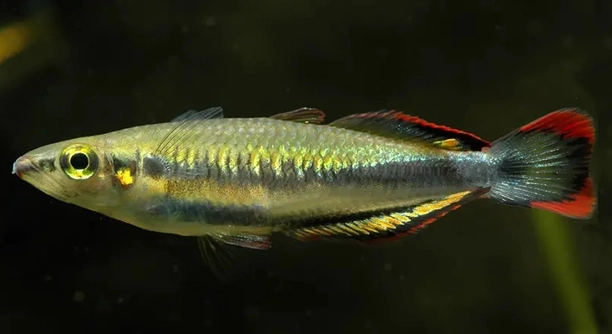
Rainbowfish are colorful and lively additions to any freshwater aquarium. Their vibrant appearance makes them a popular choice, and their active nature adds movement and interest to the tank environment, creating a pleasant atmosphere for hobbyists.
Choosing compatible tankmates for rainbowfish requires careful consideration of behavior, size, and water preferences. Suitable companions include peaceful, medium-sized species that thrive in similar water conditions, ensuring minimal aggression, stress reduction, and the overall stability of a harmonious aquarium ecosystem.
Maintaining a balanced community tank benefits both the fish and the overall aquarium environment, enhancing health and visual appeal for long-term enjoyment.
Peaceful Tetras
Tetras are small, active fish that swim in schools, making them ideal companions for rainbowfish. Their calm temperament ensures they do not provoke aggression, while their size complements the medium-bodied rainbowfish. Tetras adapt well to similar water conditions, including temperature and pH, which reduces stress for all fish in the tank. Observing their synchronized movements adds a lively dynamic, making the aquarium more visually appealing. Neon tetras, cardinal tetras, and rummy nose tetras are particularly suitable, as they are not only peaceful but also colorful, enhancing the overall aesthetic of the tank. Their diet is simple, consisting mainly of flake foods and occasional live or frozen options, which simplifies feeding routines. Keeping them in groups of at least six encourages natural schooling behavior and provides a sense of security. Careful attention to water quality ensures both rainbowfish and tetras thrive together, maintaining a healthy and balanced environment.
Schooling behavior helps reduce stress and keeps the tank dynamic, making tetras a reliable addition to a rainbowfish aquarium.
Tetras’ compact size and social behavior make them excellent companions for rainbowfish. They rarely compete for space or food, which promotes harmony. Their colorful appearance pairs well with rainbowfish, creating a vibrant display without overcrowding. Feeding and maintaining the group is straightforward, requiring minimal adjustments to your existing routine. Over time, their consistent schooling and peaceful nature contribute to a calm and balanced aquarium. They also tolerate a wide range of water parameters, provided conditions remain stable, allowing flexibility in tank setup. Choosing tetras ensures your rainbowfish are not alone, enhancing both activity and visual appeal.
Corydoras Catfish
Corydoras catfish are bottom-dwellers that complement rainbowfish by occupying different tank levels. They are gentle, social, and thrive in groups, making them low-stress companions for mid- and top-swimming rainbowfish.
These catfish help maintain cleanliness by scavenging leftover food, preventing waste buildup and supporting water quality. Their playful interactions with each other can be entertaining, and their peaceful nature ensures they do not disturb rainbowfish. Corydoras adapt well to standard tropical aquarium conditions and tolerate a variety of diets, including sinking pellets, wafers, and occasional live or frozen foods. A soft substrate like sand prevents injury to their sensitive barbels while allowing natural foraging behavior. Housing them in groups of at least four encourages social activity and reduces shyness, resulting in healthier, more active fish. Their calm presence balances the more energetic swimming patterns of rainbowfish, providing a harmonious and visually appealing aquarium.
Integrating Corydoras catfish with rainbowfish supports a balanced tank environment and enriches daily observation of fish behavior.
Harlequin Rasboras
Harlequin rasboras are small, peaceful fish that school together and blend well with rainbowfish. Their calm nature ensures minimal aggression, and their striking coloration adds visual appeal to the aquarium. They occupy mid-level swimming areas, leaving space for rainbowfish to swim freely without conflict.
Harlequin rasboras are hardy and adapt well to similar water parameters as rainbowfish, including temperature and pH. They thrive in groups of at least six, which encourages natural schooling behavior and reduces stress. Their diet is simple, consisting of flakes, micro-pellets, and occasional live or frozen foods, making feeding routines easy to manage. Their active swimming adds movement to the tank, enhancing the overall dynamic without overcrowding.
These rasboras are compatible with rainbowfish because they do not compete aggressively for food or territory. Their small size and gentle temperament make them ideal for community tanks, while their reflective, coppery bodies create a pleasant contrast to the bright colors of rainbowfish. Observing their coordinated schooling patterns adds a subtle charm to the aquarium environment, promoting a balanced and harmonious tank.
Otocinclus Catfish
Otocinclus catfish are small algae eaters that help maintain a clean tank environment while coexisting peacefully with rainbowfish. Their gentle behavior ensures harmony among mid- and top-swimming fish.
They feed primarily on algae and biofilm, reducing unwanted growth and supporting water quality without disturbing other fish. Otocinclus are sensitive to water conditions, so stable parameters are essential for their health. They do best in groups of four or more, as social interaction reduces stress and encourages normal behavior. Their small size prevents competition with rainbowfish for space, while their continuous grazing contributes to a balanced aquarium ecosystem.
Integrating Otocinclus into a rainbowfish tank provides both functional and aesthetic benefits. These catfish actively clean surfaces and decorations, minimizing maintenance and promoting a healthier environment. Watching their constant movement and feeding behavior adds an engaging, natural element to the aquarium. They thrive in planted tanks, where algae growth is common, helping to keep plants and decorations free from excess buildup. Their peaceful nature and unobtrusive swimming patterns ensure rainbowfish remain the focal point while benefiting from the presence of diligent cleaners.
White Cloud Minnows
White cloud minnows are small, peaceful fish that swim actively near the surface. They coexist well with rainbowfish, adding lively movement without causing stress or aggression. Their adaptability to similar water conditions ensures a harmonious environment in community tanks.
They thrive in groups of six or more, which encourages natural schooling behavior. Their simple diet, consisting of flakes and micro-pellets, makes feeding easy. Their reflective, silver bodies complement the vibrant colors of rainbowfish, enhancing the visual appeal of the tank while maintaining calm interactions among all species.
Cherry Barbs
Cherry barbs are medium-sized, peaceful fish that add subtle red tones to the aquarium. Their calm temperament allows them to live alongside rainbowfish without territorial disputes, creating a visually appealing and balanced tank environment.
Kuhli Loaches
Kuhli loaches are bottom-dwellers that quietly scavenge the substrate. Their nocturnal habits and peaceful nature make them compatible with rainbowfish while helping maintain a cleaner tank environment.
Guppies
Guppies are small, active fish that tolerate similar water conditions as rainbowfish. Their playful swimming patterns add energy to the aquarium and their colorful fins enhance visual diversity without causing conflict.
FAQ
What makes a good tankmate for rainbowfish?
A suitable tankmate for rainbowfish is peaceful, medium-sized, and shares similar water conditions. Aggressive or very large fish can stress rainbowfish, affecting their health and coloration. Fish that occupy different levels of the tank, such as bottom dwellers or mid-level swimmers, reduce competition for space and food. Schooling species are ideal because they add activity without causing conflict. Consistency in water temperature, pH, and general tank environment is essential to maintain harmony. Choosing compatible fish ensures all species thrive while keeping the tank visually appealing and balanced.
Can rainbowfish live with aggressive species?
Rainbowfish do best with calm and non-territorial species. Aggressive fish can cause injuries, stress, or even death. Avoid large cichlids, barbs, or overly dominant fish. Stress from aggressive tankmates can lead to disease, loss of appetite, and fading colors. Maintaining a peaceful community tank is crucial to their health. If you want a mixed-species tank, prioritize fish known for their gentle behavior and compatibility. Proper tank size and hiding spaces can help, but aggressive species are generally unsuitable for rainbowfish environments.
How many tankmates should I keep with rainbowfish?
Rainbowfish thrive in groups, so it is important to keep both rainbowfish and their tankmates in suitable numbers. Small schooling fish should be kept in groups of six or more, which encourages natural behavior and reduces stress. Bottom dwellers like Corydoras or Kuhli loaches also prefer groups, ideally four or more, to feel secure. Avoid overcrowding, which can lead to water quality issues, stress, and territorial disputes. A balanced number of tankmates ensures harmonious interaction, healthy growth, and a visually appealing aquarium where all species can coexist comfortably.
What water conditions do rainbowfish and their tankmates need?
Rainbowfish prefer tropical freshwater conditions with stable temperatures around 74–80°F and a pH of 6.5–7.5. Tankmates should be compatible with these ranges to avoid stress and illness. Hardness should be moderate, and water changes should be regular to maintain optimal quality. Plants, hiding spots, and open swimming areas benefit both rainbowfish and companions. Sudden changes in water parameters can lead to disease or aggression, so monitoring temperature, pH, and ammonia levels is essential. Matching species with similar environmental needs ensures long-term health and reduces the risk of behavioral or physiological problems.
What should I feed rainbowfish and compatible tankmates?
Rainbowfish are omnivorous and require a varied diet of high-quality flakes, pellets, and occasional live or frozen foods like brine shrimp or bloodworms. Most peaceful tankmates share similar feeding requirements. Bottom dwellers like Corydoras enjoy sinking pellets, while mid-swimmers accept flakes and micro-pellets. Overfeeding should be avoided, as it can pollute the water and harm fish health. Providing a balanced diet promotes growth, vibrant coloration, and activity. Feeding small amounts two to three times daily, while observing interactions during mealtime, helps ensure all fish get proper nutrition without competition or stress.
Do rainbowfish need plants or decorations with their tankmates?
Yes, plants and decorations provide hiding spaces, reduce stress, and create natural territories. They benefit both rainbowfish and tankmates by offering shelter and breaking sightlines, which minimizes aggression. Floating plants help diffuse light, and bottom plants provide cover for shy species like Corydoras or Otocinclus. Rocks, driftwood, and caves add visual appeal while allowing fish to explore and establish comfort zones. A thoughtfully arranged tank supports healthy behavior, encourages natural movement patterns, and keeps rainbowfish and their companions active and engaged without conflict.
Can rainbowfish breed in a community tank?
Rainbowfish can spawn in a community tank if conditions are right, but eggs may be eaten by other fish. Dense planting or separate breeding tanks can help protect eggs. Providing fine-leaved plants or spawning mops encourages egg-laying and gives fry a better chance of survival. Monitoring water quality, maintaining proper diet, and keeping stress levels low improves breeding success. Understanding which tankmates are least likely to consume eggs allows rainbowfish to reproduce without constant interference, supporting healthy population growth while maintaining a peaceful aquarium environment.
How do I prevent disease among rainbowfish and tankmates?
Maintaining water quality is the most important step to prevent disease. Regular water changes, proper filtration, and avoiding overcrowding reduce stress and limit the spread of pathogens. Quarantining new fish before adding them to the main tank prevents introducing illness. Observing fish daily for unusual behavior, discoloration, or lesions helps catch problems early. A balanced diet strengthens immunity. Peaceful tankmates also reduce injuries, which can become infection sites. Keeping the tank clean and stable ensures rainbowfish and companions stay healthy and vibrant over time.
Are there any tankmates to avoid with rainbowfish?
Avoid large, aggressive, or territorial fish that may stress or injure rainbowfish. Species known for fin-nipping or dominance, like tiger barbs, certain cichlids, or large gouramis, are not suitable. Even smaller aggressive fish can provoke stress, leading to disease or poor coloration. Prioritize peaceful, mid-sized species that occupy different tank levels to maintain harmony. Proper research and careful selection of companions ensure that rainbowfish remain safe, healthy, and stress-free while living alongside compatible tankmates in a stable aquarium environment.
How can I encourage natural behavior in rainbowfish and their tankmates?
Providing a well-structured tank with plants, open swimming areas, and varied decorations encourages natural movement and foraging behaviors. Schooling fish should remain in groups, while bottom dwellers benefit from soft substrate for digging and exploration. Feeding multiple times a day in small amounts stimulates natural hunting or grazing behaviors. Varied diet, environmental enrichment, and stable water conditions create a dynamic and active tank where all fish can express instincts safely. Observing fish interact naturally enhances enjoyment while supporting their physical and mental health.
Word count: 526
Final Thoughts
Creating a harmonious aquarium with rainbowfish requires careful planning and thoughtful selection of tankmates. Rainbowfish are peaceful, active, and visually striking, making them a popular choice for community tanks. To maintain their health and coloration, it is essential to pair them with species that share similar water parameters, temperament, and size. Choosing calm, medium-sized fish that do not compete aggressively for space or food ensures that all species can thrive together. Proper stocking, including keeping schooling fish in appropriate groups, allows for natural behavior and reduces stress, which is crucial for long-term well-being. Observing interactions between rainbowfish and their companions helps identify any potential issues early, allowing adjustments before conflicts arise. A balanced environment not only benefits the fish but also creates a more appealing and dynamic tank for the hobbyist.
Water quality is one of the most critical factors in maintaining a healthy rainbowfish community. Stable temperature, pH, and hardness levels support both rainbowfish and compatible tankmates, minimizing the risk of disease or stress-related behavior. Regular water changes and effective filtration are essential to remove waste, maintain oxygen levels, and prevent harmful ammonia or nitrite buildup. Including live plants and decorations adds structure and hiding spaces, which reduce territorial disputes and allow shy or bottom-dwelling species to feel secure. A clean and well-maintained tank also enhances the visual appeal, making the movements and colors of rainbowfish and their companions more noticeable. Paying attention to feeding routines, portion sizes, and diet variety ensures that all fish receive adequate nutrition without overfeeding, which can lead to water quality problems.
Compatibility extends beyond behavior and environment to include daily care and interaction. Fish like tetras, rasboras, Corydoras, and Otocinclus provide active yet peaceful companionship, each occupying different areas of the tank and contributing to a balanced ecosystem. Observing their schooling, grazing, or bottom-cleaning behaviors adds interest and variety, enhancing the overall aquarium experience. Understanding the needs of each species and maintaining a routine for monitoring health, water conditions, and behavior is essential. Over time, a thoughtfully assembled community tank becomes a stable and visually appealing environment where rainbowfish can flourish alongside compatible tankmates. Careful planning, ongoing attention, and consistent maintenance create a harmonious setting that supports the long-term well-being and enjoyment of every fish in the tank.
Word count: 418

Hello,
If you enjoy the content that we create, please consider saying a "Thank You!" by leaving a tip.
Every little bit helps us continue crafting quality advice that supports the health, happiness, and well-being of pets around the world, for pets of all shapes, sizes, and species.
We really appreciate the kindness and support that you show us!