
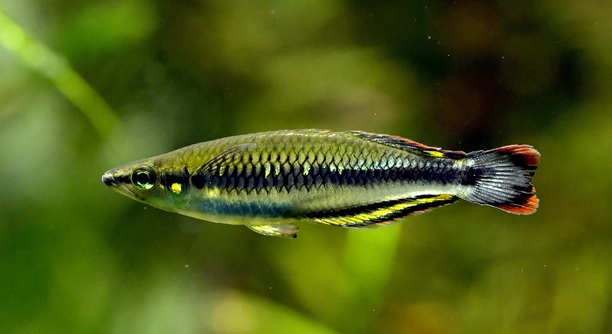
Have you ever noticed your rainbowfish swimming past the flakes or pellets in their bowl without taking a bite? Sometimes these bright, active fish simply ignore the commercial food you offer them.
Rainbowfish may reject commercial food due to its texture, flavor, or nutritional content. Many packaged foods do not align with their natural diet, causing hesitation or refusal. Environmental stress or sudden diet changes can also influence their feeding behavior.
Understanding these feeding habits can help you create a more suitable diet and ensure your rainbowfish stay healthy and active in their aquarium.
Common Reasons Rainbowfish Refuse Commercial Food
Many rainbowfish ignore commercial food because it does not match their natural preferences. They are used to a varied diet of live or frozen foods, including small insects, larvae, and plant matter. Flakes or pellets often lack the movement and texture that stimulate their interest. Sudden changes in diet can also stress them, making them hesitant to eat. Water quality plays a role as well; poor conditions or incorrect temperature can reduce appetite. Some rainbowfish are simply picky, preferring certain shapes or flavors over others. Overfeeding can make them full and uninterested in new food. Additionally, strong scents or preservatives in packaged food may discourage them. Fish that have been raised exclusively on live foods may never fully accept dry commercial options. Observation is key to understanding each fish’s preferences, and patience can help them adjust slowly to new food types.
Adjusting feeding times and portion sizes often improves acceptance. Consistency is important.
Gradual introduction of small amounts of new food alongside familiar favorites usually works best. Start by mixing tiny pieces of flakes or pellets with live or frozen options. Over several days, increase the proportion of commercial food while ensuring the fish remain willing to eat. Using sinking pellets for bottom feeders and floating flakes for mid-level swimmers can match natural feeding habits. Observation of their behavior is essential; fish that nibble cautiously at first may eventually eat full portions. Environmental adjustments, such as maintaining stable temperature, clean water, and adequate hiding spaces, can reduce stress and improve feeding response. Some rainbowfish respond well to soaking pellets in tank water or adding a small amount of garlic juice to enhance flavor. Careful monitoring and consistent effort usually lead to successful acceptance without forcing the fish or compromising their health.
Tips to Encourage Acceptance
Introduce new foods slowly and consistently. Avoid forcing them to eat.
Start with small portions of commercial food mixed with familiar live or frozen options. Observe which textures and sizes your rainbowfish prefer. Adjust feeding times to match their natural activity periods, usually early morning or late afternoon. Keep the aquarium clean and maintain stable water conditions, as stress from poor quality water can reduce appetite. Varying the diet by rotating different brands or types of flakes and pellets can spark interest. Avoid overfeeding, as full fish are less likely to try new foods. Using slightly softened pellets or sprinkling food over active areas of the tank can make it easier for the fish to nibble. Patience is essential, as acceptance can take several days or even weeks. By paying attention to their responses and preferences, you can gradually shift rainbowfish to a balanced diet that includes commercial options while ensuring their overall health and vitality remain high.
Gradual Food Transition
Small portions of new food work best. Mixing familiar live or frozen food with commercial options encourages rainbowfish to try new flavors without stress.
Start by offering tiny amounts of flakes or pellets alongside their regular diet. Observe which types they nibble first, and slowly increase the proportion of commercial food over several days. Avoid sudden changes, as rainbowfish are sensitive to new textures and flavors. Using different shapes or sizes can make the food more appealing. Consistent timing helps fish anticipate feeding and reduces hesitation. Over time, they often accept a larger variety of foods without force.
Patience is crucial during this process. Some rainbowfish may need weeks to fully adapt to commercial food. Gentle observation and small adjustments in feeding methods are more effective than rushing. Soaking dry food in tank water or lightly crushing pellets can make it easier for them to try. Adjusting environmental conditions, like water temperature and clarity, also supports a smooth transition. Each fish responds differently, so it’s important to track individual preferences and gradually encourage acceptance.
Offering variety helps maintain interest. Alternating between flakes, pellets, and frozen options can keep rainbowfish engaged. Avoid overfeeding one type, as it may reduce their willingness to try others.
Environmental Factors
Water quality affects feeding behavior. Poor conditions, sudden changes, or incorrect temperature can make rainbowfish reluctant to eat.
Stable water parameters are essential for healthy appetite. Rainbowfish thrive in clean, slightly acidic to neutral water with consistent temperature and minimal fluctuations. Frequent partial water changes prevent waste buildup that could stress fish. Avoid overcrowding, as high population density can create competition and tension, leading to selective eating. Lighting levels also influence feeding; bright lights can make fish more active, while dim conditions may reduce interest in food. Regular observation allows early detection of issues that could affect appetite. By keeping the environment consistent and comfortable, rainbowfish are more likely to accept commercial food and maintain a healthy feeding routine.
Texture and Shape Preferences
Rainbowfish often ignore food with unfamiliar textures. Flakes that are too hard or pellets that sink too quickly may not appeal to them. Adjusting size or soaking food can improve acceptance.
Some fish prefer smaller, softer bites that mimic natural prey. Crushing pellets slightly or offering a mix of floating and sinking food can help them eat consistently. Observation of their responses is key to identifying the best texture for each fish.
Flavor Sensitivity
Rainbowfish can be sensitive to strong artificial flavors in commercial food. Natural or lightly flavored options are usually better received.
Selecting foods that mimic their natural diet increases the likelihood of acceptance. Freeze-dried or lightly seasoned options often perform better than heavily processed varieties. Gradual introduction alongside familiar live or frozen foods helps fish adapt without stress, supporting a balanced diet and healthy feeding habits.
Observation and Patience
Careful observation is essential for encouraging eating habits. Watch how rainbowfish respond to new foods and adjust methods accordingly.
Health Considerations
Illness or stress can reduce appetite. Check water quality, tank mates, and behavior regularly to ensure rainbowfish remain healthy and willing to eat.
Why does my rainbowfish ignore flakes completely?
Rainbowfish may refuse flakes if the texture or taste does not appeal to them. Flakes are often dry, lightweight, and do not mimic their natural diet of insects, larvae, or plant matter. Some fish are naturally cautious and may take time to adjust to new food types. Environmental factors, such as water quality, temperature, or stress from overcrowding, can also reduce interest in flakes. Gradually mixing small amounts of flakes with familiar live or frozen foods can encourage them to try new textures without forcing them. Observing which types your fish nibble first helps identify preferences.
Can rainbowfish eat pellets instead of live food?
Yes, rainbowfish can eat pellets if introduced properly. Pellets often provide balanced nutrition, but sudden changes can lead to rejection. To encourage acceptance, start by offering tiny portions alongside live or frozen foods. Crushing or soaking pellets in tank water can make them more appealing and easier to consume. Rotating pellet types and sizes helps maintain interest. Environmental stability, including water temperature and cleanliness, improves feeding response. Some rainbowfish may remain picky and prefer partial live foods, but most will eventually adapt with patience and observation.
How long does it take for rainbowfish to accept new food?
The time varies depending on the individual fish and their previous diet. Some rainbowfish adjust within a few days, while others may take several weeks. Consistency is important. Gradually increasing the amount of new food while maintaining familiar options allows fish to adapt without stress. Observation is key; fish that nibble cautiously at first often eat full portions over time. Environmental factors like water quality, tank conditions, and lighting also affect feeding behavior. Avoid forcing food, as this can create negative associations. Patience and careful monitoring are the most effective ways to ensure acceptance.
Why do some rainbowfish only eat at certain times?
Rainbowfish often have natural feeding rhythms, usually in the morning or late afternoon. Offering food at consistent times helps them anticipate meals and encourages more regular eating. Feeding outside their active periods may lead to rejection, even if the food is desirable. Observing their activity patterns allows better timing and increases the chance that new foods, like pellets or flakes, will be accepted. Maintaining stable light and temperature conditions also supports these natural rhythms.
Does water quality affect feeding habits?
Yes, poor water quality can reduce appetite and make rainbowfish avoid food. High ammonia, nitrite, or nitrate levels, as well as fluctuating temperature or pH, can stress fish. Stress often leads to selective eating or complete refusal of food. Keeping the tank clean with regular water changes and monitoring water parameters ensures a healthy environment. Stress-free fish are more likely to accept new foods, including commercial options. Proper filtration and avoiding overcrowding also play a role in maintaining feeding habits.
Are rainbowfish picky about food flavors?
Rainbowfish can be sensitive to strong artificial flavors. Foods that mimic natural diets, such as lightly flavored pellets or freeze-dried insects, are generally better received. Gradually introducing new flavors alongside familiar options reduces stress and improves acceptance. Avoid heavily processed foods with strong additives initially, as this can discourage feeding. Observation of their reactions helps identify preferences and allows customization of the diet to ensure they eat consistently while staying healthy.
What should I do if my rainbowfish refuses commercial food completely?
Start by combining small amounts of commercial food with live or frozen options. Adjust texture by crushing or soaking pellets, and introduce new food during active periods. Check environmental factors like water quality, temperature, and tank setup. Be patient and persistent, offering the food consistently over days or weeks. If some fish remain hesitant, continue providing a mixed diet to meet nutritional needs while encouraging gradual acceptance.
Rainbowfish can be particular about what they eat, and this is completely normal. They are used to a varied diet in the wild, often consisting of small insects, larvae, and plant matter. Commercial food, while convenient and nutritionally balanced, does not always match these natural preferences. This can lead to hesitation or even complete refusal. Observing your fish closely helps you understand their specific likes and dislikes. Some may prefer softer textures, while others respond better to sinking pellets or small flakes. Adjusting the food to match their natural habits can make a big difference in whether they eat consistently or continue to ignore commercial options.
Gradual transitions are often the most effective approach. Introducing small amounts of new food alongside familiar live or frozen options reduces stress and encourages acceptance. Over time, you can slowly increase the proportion of commercial food while monitoring their behavior. Environmental factors also play a significant role in feeding habits. Stable water quality, proper temperature, and a clean tank all contribute to a healthy appetite. Even lighting and tank decorations can influence their comfort levels. Rainbowfish that feel secure and stress-free are more likely to try new foods and maintain a balanced diet without struggle.
Patience is key when trying to get rainbowfish to accept commercial food. Some fish adjust quickly, while others may take several weeks. Forcing them to eat or making sudden changes can create negative associations and make the process longer. Keeping track of their preferences, adjusting feeding schedules, and providing a variety of textures and flavors can help them adapt naturally. Over time, most rainbowfish learn to accept commercial food without issues. Understanding their natural habits and responding thoughtfully ensures they remain healthy, active, and well-nourished in their aquarium environment.

Hello,
If you enjoy the content that we create, please consider saying a "Thank You!" by leaving a tip.
Every little bit helps us continue crafting quality advice that supports the health, happiness, and well-being of pets around the world, for pets of all shapes, sizes, and species.
We really appreciate the kindness and support that you show us!