
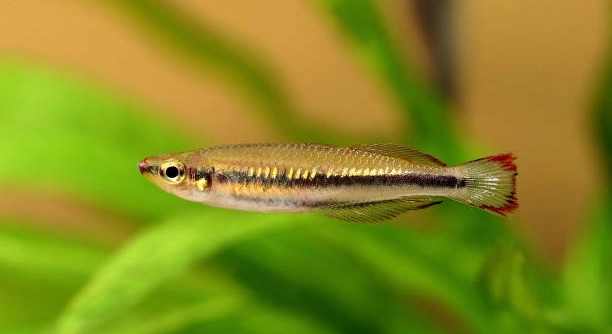
Are your rainbowfish tank waters turning cloudy despite regular cleaning? Maintaining clear water can feel challenging, especially when algae, waste, or leftover food accumulate quickly. Cloudy tanks can affect both the appearance and health of your fish.
The most effective approach to restoring clarity involves regular water changes, proper filtration, and controlling feeding. Removing excess waste, monitoring water parameters, and using natural clarifiers can prevent recurring cloudiness while supporting a healthy environment for rainbowfish to thrive.
Understanding these methods will help you maintain a sparkling tank and keep your rainbowfish healthy and active over time.
Regular Water Changes
Changing the water regularly is one of the simplest ways to maintain a clear rainbowfish tank. I usually replace about 20 to 25 percent of the water weekly. This helps remove excess waste, uneaten food, and dissolved organic materials that cloud the water. Using a siphon makes the process easier and ensures debris is removed from the substrate. It’s important to treat tap water with a dechlorinator before adding it back to the tank. Sudden temperature or chemical changes can stress the fish, so I always make sure the new water closely matches the tank’s existing temperature. Over time, consistent water changes create a stable environment where rainbowfish thrive. I’ve noticed that tanks that stick to a weekly schedule stay much clearer and healthier than those left with sporadic cleaning. Maintaining this routine is simple but highly effective for keeping the tank visually appealing and safe for the fish.
Regular water changes alone can dramatically reduce cloudiness. Consistency is key to seeing real results.
Even with proper filtration, relying solely on filters isn’t enough. Water changes help maintain chemical balance and prevent buildup that filters can’t remove. Overfeeding, leftover food, and fish waste release compounds that cloud the water. Siphoning debris from the gravel and cleaning ornaments during changes further improves clarity. I’ve also found that timing matters—changing water before it becomes visibly cloudy prevents stress for the fish. Keeping a small schedule chart helps me stay consistent. Some aquarists prefer partial water changes over large replacements, which avoids shocking the fish while still removing contaminants. Combining regular changes with careful feeding and monitoring water parameters ensures that the tank remains crystal clear. Over weeks, I observed vibrant fish colors and calmer behavior when water maintenance was regular. Simple steps like these make a noticeable difference and help the aquarium stay both beautiful and healthy.
Proper Filtration
Choosing the right filter is essential for a clean tank. A filter rated for your tank size works best.
Filters remove debris, excess food, and harmful chemicals from the water. I use a combination of mechanical and biological filtration to maximize efficiency. Mechanical filters trap particles, while biological media support beneficial bacteria that break down ammonia and nitrites. Positioning the filter correctly ensures proper circulation, reaching all areas of the tank. I also clean the filter regularly but avoid over-washing the media, which can remove helpful bacteria. Adjusting the flow rate is important for rainbowfish, as they prefer moderate currents. Over time, I noticed that tanks with correctly maintained filters remain much clearer. Filtration works best when combined with regular water changes and careful feeding. It creates a stable, healthy environment that supports vibrant fish and reduces stress. A good filter reduces the frequency of major cleanings while maintaining water quality consistently.
Controlling Feeding
Overfeeding is a common reason for cloudy water. I make sure to give only what the rainbowfish can eat in a few minutes.
Uneaten food decomposes quickly and releases particles that cloud the water. Feeding smaller portions several times a day instead of one large meal helps prevent waste buildup. I’ve also learned to observe the fish while they eat, removing leftovers immediately. This simple change reduced water cloudiness noticeably in my tank.
I sometimes use a feeding ring to keep food in one area, making it easier to monitor consumption. Avoiding flake food that breaks apart too quickly also helps. Adjusting portions based on fish behavior ensures less leftover food. Combining careful feeding with water changes and proper filtration creates a stable, clear environment for rainbowfish to thrive. Over time, this routine has kept both the water clear and the fish healthy.
Using Natural Clarifiers
Natural clarifiers like activated carbon help remove dissolved particles. I place them in the filter to maintain water clarity.
Activated carbon absorbs impurities, odors, and discoloration effectively. I replace the carbon every few weeks to maintain efficiency. Some aquarists also use plant-based clarifiers that bind small particles for easier removal by the filter. I noticed that combining these products with regular maintenance produces the clearest water.
In my experience, natural clarifiers work best alongside other practices. Water changes, proper filtration, and careful feeding remain the foundation. Clarifiers accelerate the process by trapping particles that would otherwise linger. Using them consistently helps maintain a sparkling tank without harming the fish or altering water chemistry. Choosing the right type of clarifier for the tank size is important, and monitoring its effectiveness ensures it continues working optimally. Over time, the combination of these methods results in a healthy, visually appealing aquarium.
Managing Algae Growth
Algae can make the water look green and cloudy. I reduce light exposure to about 8–10 hours daily.
Adding fast-growing plants also helps compete with algae for nutrients. I’ve found this keeps growth under control without chemicals.
Cleaning Substrate
Regularly vacuuming the gravel removes trapped debris. I do this during water changes to avoid disturbing the fish too much.
Debris accumulation in the substrate breaks down and releases particles that cloud the water. I use a siphon carefully, focusing on areas where waste gathers most. This prevents buildup while keeping the tank safe for rainbowfish.
Avoiding Chemical Overuse
Excessive chemicals can disrupt the tank’s balance. I use treatments only when necessary.
Why is my rainbowfish tank cloudy even after cleaning?
Cloudy water can persist due to leftover food, fish waste, or disturbed substrate. Even after cleaning, fine particles can remain suspended. I noticed that consistent partial water changes, combined with proper filtration, gradually clear the water. Avoid overfeeding and ensure the filter is rated for the tank size to maintain clarity.
How often should I change the water in my rainbowfish tank?
I perform partial water changes weekly, usually replacing 20–25 percent of the water. Frequent small changes are more effective than occasional large ones. This removes dissolved organic materials and reduces stress on the fish. Using a dechlorinator and matching water temperature keeps the transition safe.
Can overfeeding cause cloudy water?
Yes. Excess food decomposes quickly, releasing particles that cloud the water. I feed only what my rainbowfish consume in a few minutes. Observing them while they eat and removing uneaten food immediately reduces waste and helps maintain water clarity.
What type of filter is best for rainbowfish?
A filter rated slightly above your tank size works best. I use a combination of mechanical and biological filtration. Mechanical media traps debris, while biological media supports beneficial bacteria to process ammonia and nitrites. Adjusting flow to moderate levels prevents stress and ensures even water circulation.
Are natural clarifiers effective for cloudy tanks?
Yes, activated carbon or plant-based clarifiers help remove suspended particles and impurities. I place carbon in the filter and replace it every few weeks. Clarifiers work best alongside proper feeding, regular water changes, and an efficient filter to keep the water consistently clear.
Does algae contribute to cloudiness?
Algae growth can make water appear green and murky. I control it by limiting light exposure to 8–10 hours per day and adding fast-growing plants. This naturally competes with algae for nutrients, keeping growth manageable without chemical treatments.
How important is substrate cleaning?
Very important. Uneaten food and waste settle in the gravel, breaking down into particles that cloud water. I vacuum the substrate during water changes, focusing on debris-heavy areas. Regular cleaning prevents buildup while keeping the tank environment safe for rainbowfish.
Can chemical treatments worsen cloudiness?
Yes. Overusing water conditioners or medications can disrupt the balance of bacteria in the tank. I only use chemicals when necessary and follow instructions carefully. Combining treatments with water changes and filtration ensures the tank stays healthy and clear.
How do I know if my filtration is working properly?
If water flow is steady, debris is being removed, and fish appear healthy, the filter is effective. I monitor clarity daily and clean filter media partially to maintain bacteria populations. Adjusting flow and cleaning only as needed prevents stress on rainbowfish while ensuring water quality.
Can plants help reduce cloudy water?
Absolutely. Live plants absorb excess nutrients that would otherwise feed algae or cloud the water. I include fast-growing plants and remove decaying leaves regularly. This simple addition complements filtration and water changes, creating a balanced and visually appealing environment for rainbowfish.
Why does cloudy water sometimes return quickly?
Cloudiness can return if feeding is excessive, the filter is undersized, or waste accumulates faster than removal. I noticed that combining careful feeding, regular water changes, proper filtration, and substrate cleaning significantly reduces recurrence. Maintaining these routines keeps water consistently clear and fish healthy.
Is cloudy water harmful to rainbowfish?
Cloudy water can stress fish and reduce oxygen levels. I ensure clarity by maintaining a clean tank, monitoring water parameters, and keeping feeding in check. Healthy water improves fish coloration, activity, and overall wellbeing. Regular maintenance prevents issues before they affect the fish.
Do decorations contribute to cloudiness?
Yes, porous ornaments and gravel can trap waste. I rinse new decorations before adding them and clean existing ones during water changes. Avoiding excessive handling of decorations prevents stirring up particles, helping the tank stay clear while minimizing stress for the fish.
How can I prevent cloudy water long-term?
Consistent care is key. I combine weekly water changes, proper feeding, effective filtration, substrate cleaning, and selective use of clarifiers. Managing algae, avoiding chemical overuse, and including live plants further stabilizes the environment. Over time, these steps maintain a healthy, clear tank without constant intervention.
What is the easiest first step to clear a cloudy tank?
Starting with a partial water change is the simplest action. I remove about a quarter of the water, clean the substrate lightly, and ensure the new water is treated and temperature-matched. This immediately reduces suspended particles and helps restore water clarity.
Maintaining a clear rainbowfish tank is not as complicated as it might seem. The main steps involve regular water changes, proper filtration, careful feeding, and keeping the substrate clean. I have found that following a consistent routine makes a noticeable difference in water clarity. Small, frequent water changes help remove waste and dissolved organic materials that cloud the water. Using a siphon to clean the gravel during these changes ensures that debris does not settle and decompose over time. Matching the new water temperature and treating tap water with a dechlorinator prevents stress for the fish. Over time, these simple actions create a stable and healthy environment that allows rainbowfish to thrive and display their vibrant colors naturally.
Filtration plays an equally important role in maintaining water clarity. A filter rated for your tank size works best, and combining mechanical and biological filtration can be very effective. Mechanical media traps particles and debris, while biological media supports beneficial bacteria that process harmful compounds like ammonia and nitrites. I learned that cleaning the filter properly is important, but over-washing the media can remove beneficial bacteria, which can harm water quality. Adjusting the flow rate to moderate levels prevents stress for rainbowfish, which prefer gentle currents. Alongside regular water changes and controlled feeding, proper filtration ensures that the tank stays clear without constant heavy cleaning. Over time, the combination of these methods keeps the aquarium looking neat and supports the long-term health of the fish.
Other factors also contribute to a clear and healthy tank. Managing algae growth by controlling light exposure and adding fast-growing plants reduces nutrients that algae would otherwise consume, preventing green water. Using natural clarifiers like activated carbon in the filter can help remove fine particles and dissolved impurities that water changes alone may not address. Avoiding chemical overuse is important because excess treatments can disrupt the balance of beneficial bacteria. Even decorations and ornaments need attention; rinsing new additions and cleaning existing ones during water changes prevents trapped debris from clouding the water. Feeding rainbowfish only what they can eat in a few minutes avoids leftover food that contributes to cloudiness. By combining all these strategies, maintaining a clear, healthy, and visually appealing rainbowfish tank becomes manageable and straightforward, creating an environment where the fish remain active, vibrant, and stress-free.

Hello,
If you enjoy the content that we create, please consider saying a "Thank You!" by leaving a tip.
Every little bit helps us continue crafting quality advice that supports the health, happiness, and well-being of pets around the world, for pets of all shapes, sizes, and species.
We really appreciate the kindness and support that you show us!