
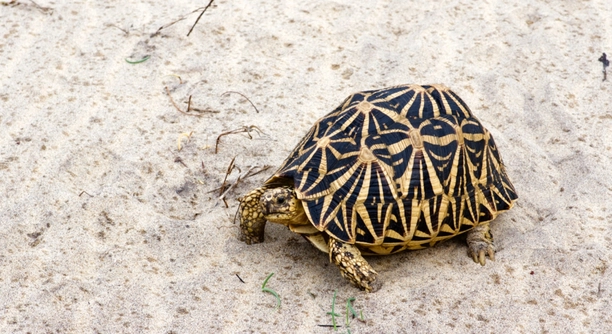
Turtles are unique creatures with distinct behaviors that may leave you wondering about their habits. If your turtle’s head is constantly sticking out, you might want to understand the reasons behind this behavior.
The most common reason a turtle’s head remains out is due to the animal feeling alert, curious, or even a little stressed. Turtles are naturally cautious, and this head posture allows them to keep an eye out for any potential threats.
This behavior is often a natural part of their routine, but knowing how to properly care for your turtle can help address concerns and ensure its well-being.
Why Does My Turtle Keep Its Head Out?
Turtles are naturally observant creatures, and keeping their heads out is often a sign they are alert and watching their surroundings. This behavior could be normal, as turtles in the wild are always cautious, looking out for predators. A turtle that is curious or simply enjoying its environment may also extend its head for better visibility. However, if your turtle is doing this constantly, it might be worth monitoring.
It’s essential to watch for any signs of distress or discomfort. If your turtle’s head remains out for long periods, this could indicate stress, inadequate habitat conditions, or even health problems. Turtles, like other pets, need a balance of safety and stimulation.
Maintaining a proper enclosure is key to ensuring your turtle’s comfort. The environment should be consistent with the right temperature, humidity, and space for them to explore. Providing enrichment, like hiding spots or water features, can help ease their need for constant vigilance. The goal is to create a space where they feel safe enough to relax and pull their heads back in when they feel secure.
When Should You Be Concerned?
A turtle that constantly has its head out could be showing signs of stress. Stress in turtles can be caused by many things, including improper tank conditions or handling.
Environmental stress is a leading cause of this behavior. A tank that is too small, too hot, or lacking in proper hiding spots can make your turtle feel unsafe. These conditions can cause them to leave their heads out in an attempt to stay alert. If a turtle’s stress level is not addressed, it can lead to long-term health problems.
Another potential reason for this behavior is respiratory issues. If your turtle has a cold or infection, it may hold its head out as a way of trying to breathe more easily. When this happens, it’s crucial to get veterinary care as soon as possible. Regularly cleaning the tank, checking water quality, and offering a balanced diet can help maintain your turtle’s health.
Potential Health Issues
If your turtle’s head remains out for extended periods, it could be dealing with a health issue, such as respiratory infection or shell rot. These conditions can cause discomfort, leading the turtle to act unusually.
Respiratory infections are common in turtles that are kept in poorly ventilated tanks or those with fluctuating temperatures. A turtle struggling to breathe may keep its head out of the water more often, trying to catch air. It’s vital to monitor your turtle for signs like wheezing, labored breathing, or nasal discharge. If you notice these symptoms, a vet visit is crucial.
Another health concern is shell rot. This condition can make a turtle feel vulnerable, prompting it to keep its head out as a way of staying alert. Ensure your turtle’s habitat is clean and dry, as bacteria can thrive in unclean conditions. Regular check-ups will help detect any early signs of shell rot or other diseases.
Temperature and Habitat Concerns
A poorly maintained environment can make your turtle feel unsafe, pushing it to stay alert with its head out. Turtles need a regulated temperature for both land and water areas.
If the water temperature is too cold, your turtle may keep its head out to maintain its body heat. Ensure the water stays within the optimal range of 75-85°F (24-29°C), and provide a basking area around 90°F (32°C). Cold water can weaken a turtle’s immune system, making it more prone to infections.
The size of your turtle’s enclosure is also important. If the tank is too small, it could feel cramped and stressed, causing the turtle to remain on high alert. Providing a large, well-filtered tank with plenty of hiding spaces will help your turtle feel comfortable. An enclosure that mimics natural conditions can encourage relaxation, allowing your turtle to behave more naturally.
Stress from Handling
Frequent or improper handling can stress your turtle, causing it to keep its head out. If a turtle feels threatened, it may hold its head out to stay alert.
Stressful handling can lead to long-term behavioral changes. When a turtle feels cornered or restrained, it may extend its head to watch its surroundings, looking for an escape. Always handle your turtle gently and minimally to avoid this behavior.
Water Quality
Poor water quality can cause a turtle to keep its head out as it struggles to stay comfortable.
Turtles need clean, well-filtered water to thrive. Polluted water can lead to respiratory issues or skin infections, making your turtle more likely to stay on alert. Ensure your turtle’s tank is filtered properly and that the water is regularly changed to maintain a healthy environment.
The Importance of Proper Diet
A lack of proper nutrition may also affect your turtle’s behavior, including keeping its head out for longer periods.
Turtles require a balanced diet to stay healthy and active. If they aren’t getting the right mix of protein, vegetables, and calcium, they can become weak or stressed. This can make them more cautious or alert, as they may feel unwell. Regularly offer fresh food to maintain their health.
FAQ
Why does my turtle keep its head out of the water?
Turtles may keep their heads out of the water to breathe or remain alert to potential threats. It is a natural behavior for them to maintain a watchful posture in unfamiliar environments. However, if this behavior seems excessive or if they appear stressed, it’s important to ensure their tank conditions are ideal. Check the water temperature, ensure they have enough space, and provide hiding spots to make them feel secure. Poor water quality or inadequate tank setups can make turtles feel vulnerable, prompting them to keep their heads out.
Is it normal for a turtle to stick its head out for hours?
Turtles occasionally stretch their necks and keep their heads out, but if they do this for extended periods, it could signal a problem. Prolonged head extension might indicate discomfort, stress, or a respiratory issue. Check if the turtle is having trouble breathing, or if its environment is unsuitable. Factors such as temperature fluctuations, water quality, or inadequate hiding spots can cause them to remain alert longer than necessary. If you notice other concerning symptoms, like wheezing or lethargy, it may be time to consult a vet.
Can poor water conditions cause a turtle to keep its head out?
Yes, poor water quality can lead to this behavior. Turtles are sensitive to their environment, and polluted or improperly filtered water can cause respiratory distress, leading to them holding their heads out to breathe more easily. Regularly clean the tank and change the water to prevent harmful toxins from accumulating. Additionally, ensuring proper filtration and water temperatures will help your turtle feel more comfortable and less likely to display prolonged head-sticking behavior.
How can I tell if my turtle is stressed?
A stressed turtle may exhibit several behaviors, including keeping its head out, being overly alert, or staying in one spot for long periods. Stress can also cause a loss of appetite, excessive basking, or hiding more than usual. If your turtle is constantly keeping its head out and seems to be avoiding food or water, check if anything has changed in its environment, such as tankmates, temperature, or handling. Stress can be caused by physical discomfort or fear, so ensuring your turtle’s habitat is secure and stable can help.
Can respiratory infections make a turtle keep its head out?
Yes, respiratory infections are a common cause of head-sticking behavior. Turtles with respiratory issues may extend their heads out to try to breathe easier. Other signs of respiratory infections include wheezing, nasal discharge, or lethargy. If you suspect your turtle has a respiratory infection, it’s important to consult a veterinarian for proper treatment. Keeping the tank clean, ensuring proper humidity, and providing UVB light are essential for preventing respiratory infections.
How do I keep my turtle’s tank environment stress-free?
To reduce stress, create a comfortable, secure environment for your turtle. Ensure your tank is large enough for the turtle to move around freely, and avoid overcrowding. Keep the water temperature and basking area at the right levels, typically between 75-80°F for the water and 90-95°F for basking. Provide hiding spots or decorations that allow the turtle to retreat when needed. Regular cleaning and proper filtration are also essential to maintain a healthy environment. A balanced setup will help your turtle feel safe and reduce stress-related behaviors.
What should I do if my turtle keeps its head out all the time?
If your turtle constantly keeps its head out and it doesn’t seem like a natural behavior, assess its environment for stressors. Look for signs of poor water quality, inadequate temperature, or too much handling. Check for any health symptoms such as nasal discharge or trouble breathing. If the behavior continues and no environmental cause is evident, consider taking your turtle to a veterinarian for a checkup. Early intervention can help address any underlying issues before they become more serious.
Can overhandling cause a turtle to keep its head out?
Yes, overhandling can cause a turtle to feel stressed or threatened, leading it to keep its head out. Turtles are not fond of frequent handling, especially when it’s done improperly. They may remain alert and keep their head out to stay watchful of their surroundings. Handling should be minimal and done in a calm, secure manner. The more stable and predictable their environment is, the less likely they are to feel the need to keep their head out constantly.
Is it okay for my turtle to stay out of the water for a while?
Turtles need both land and water for optimal health, but they should not stay out of the water for too long. Extended periods outside of water can lead to dehydration and stress. Make sure your turtle has a dry basking area, but it should also have access to water at all times. A proper habitat allows your turtle to alternate between basking and swimming. If your turtle spends too much time outside the water, check if there’s an issue with water temperature or quality that may be discouraging it from swimming.
What can I do to help my turtle breathe better?
If your turtle is having trouble breathing or keeps its head out, ensure the tank’s water quality is optimal and the temperatures are correct. Poor water quality and incorrect temperatures can make breathing harder for turtles. Regular water changes, appropriate filtration, and a stable basking area are key to preventing respiratory distress. If you notice breathing issues like wheezing or nasal discharge, it’s important to get veterinary help as soon as possible to address the underlying health issue.
Final Thoughts
Turtles are fascinating creatures, and their behavior often reflects their environment. If your turtle keeps its head out, it can be a sign of a few different things. It may be trying to breathe easier, stay alert, or simply enjoy basking. However, if the behavior becomes excessive or seems abnormal, it’s important to take a closer look at your turtle’s living conditions. Factors like water quality, temperature, stress from handling, or even potential health issues could be at play. Understanding your turtle’s needs and making the right adjustments can help reduce any problems and keep them comfortable.
Maintaining a proper habitat is crucial for your turtle’s well-being. Turtles need clean water, the right temperature, and a balanced diet to stay healthy. Ensuring that your turtle has enough space to swim, bask, and hide when needed can also prevent stress. Handling should be kept to a minimum, as turtles don’t generally enjoy being handled too much. If you notice that your turtle is still keeping its head out or showing other signs of distress, it’s best to consult with a vet. Early intervention can prevent more serious issues from developing.
Ultimately, paying attention to your turtle’s behavior and environmental conditions will help you ensure it lives a healthy and happy life. Turtles have unique needs, and understanding their behavior will help you provide a better living space for them. By taking the time to care for them properly, you’ll be able to enjoy their company for many years to come.

Hello,
If you enjoy the content that we create, please consider saying a "Thank You!" by leaving a tip.
Every little bit helps us continue crafting quality advice that supports the health, happiness, and well-being of pets around the world, for pets of all shapes, sizes, and species.
We really appreciate the kindness and support that you show us!