
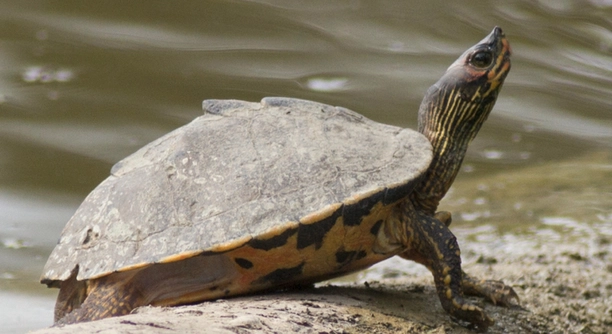
Transporting an Indian Roofed Tortoise requires careful consideration to ensure its safety and comfort. Whether you’re moving your tortoise for a vet visit or a relocation, understanding the proper steps will make the process smoother for both you and your pet.
To safely transport an Indian Roofed Tortoise, use a secure, well-ventilated carrier that allows the tortoise to move comfortably. Make sure the temperature is controlled and avoid sudden movements or loud noises to reduce stress during the journey.
By following these simple steps, you will ensure your tortoise’s safe journey. Keep reading to learn more about maintaining its comfort during transport.
Choosing the Right Carrier for Your Tortoise
When selecting a carrier for transporting your Indian Roofed Tortoise, the size and design of the container matter greatly. The carrier should be large enough to allow your tortoise to turn around and stretch out comfortably. It should have a secure, tight-fitting door or lid to prevent escape but also provide proper ventilation to keep the air inside fresh. A plastic or sturdy cardboard carrier is often preferred, as it is lightweight and easy to handle. It’s also important to line the bottom of the carrier with soft bedding, such as hay or towel, to cushion your tortoise and provide a more comfortable ride.
Choosing the right carrier will help minimize stress and keep your tortoise safe. Ensure the carrier is sturdy, and that the temperature is regulated inside. A proper carrier is key to keeping your pet comfortable throughout the transport.
Make sure the carrier is well-ventilated, especially for longer distances. An overly hot or stuffy environment can be harmful to your tortoise, so always check that the air circulation is adequate. You may also want to add a few small items your tortoise can rest against to make the space feel more familiar.
Temperature Control During Transport
Temperature control is another essential aspect when transporting an Indian Roofed Tortoise. Maintaining the right temperature ensures your tortoise doesn’t become too stressed or uncomfortable during the trip. A tortoise is cold-blooded, which means it relies on external temperatures to regulate its body heat. If the transport temperature is too hot or cold, your tortoise may experience health issues.
For most tortoises, the ideal temperature during transport is between 75°F and 85°F. You can use portable heating pads or small heat packs to maintain the warmth in the carrier. However, make sure the heat source is not directly in contact with your tortoise to avoid burns. Similarly, avoid sudden drops in temperature if you’re transporting it in cooler weather. If the temperature inside the vehicle is too low, use blankets or insulated materials to help keep the warmth in.
It’s best to monitor the environment in the carrier to ensure that your tortoise is comfortable. During the winter months, it’s also helpful to ensure that the car heater is working properly to maintain a stable, warm environment inside. Keeping a close eye on temperature fluctuations can make all the difference in reducing stress for your pet.
Minimizing Stress for Your Tortoise
Stress can be a major issue when transporting an Indian Roofed Tortoise. It’s crucial to create a calm and quiet environment to prevent unnecessary anxiety. Avoid loud noises or sudden movements, which can startle your tortoise.
Transport your tortoise during quieter times of the day to minimize external stress factors. You can also place a blanket or towel over the carrier to reduce visual stimulation. The less your tortoise has to see, the more likely it will stay calm. Keep the vehicle’s windows closed to avoid sudden wind or temperature shifts that might distress your pet.
Try not to make abrupt stops or take sharp turns while driving, as sudden motions can be unsettling. Always drive smoothly, ensuring the carrier stays stable. A steady and calm transport will help keep stress levels low and contribute to a safer experience for your tortoise.
Ensuring Proper Hydration
Hydration is essential during transport, especially if you’re traveling long distances. Dehydration can lead to health problems for your tortoise, so providing a small, shallow dish of water in the carrier is important.
You may want to soak your tortoise before the trip in lukewarm water to ensure it starts off hydrated. However, avoid over-soaking, as this can lead to unnecessary stress. If you’re traveling for a longer time, consider taking breaks to offer fresh water. Always check that the water dish remains upright and clean, as tipping or spilling could lead to dehydration.
For added assurance, you can use a small sponge soaked with water inside the carrier, giving your tortoise the option to lick it for hydration. Maintaining hydration helps to keep your tortoise comfortable and healthy during transport.
Avoiding Overcrowding in the Carrier
Overcrowding the carrier can lead to unnecessary stress and discomfort. A cramped space can restrict your tortoise’s ability to move or breathe properly. Always use a carrier that offers enough room to allow your tortoise to stretch out.
When choosing a carrier, think about both comfort and safety. A spacious carrier allows for proper ventilation and movement while reducing the risk of injury. Avoid adding unnecessary items that could crowd the space and create stress. Remember that a calm, open environment will make transport much smoother for your tortoise.
Checking for Injuries Before Transport
Before transporting your tortoise, always check for any injuries or health issues that could be worsened during the trip. A quick health check ensures that you address any potential problems before they become serious.
Look for signs of swelling, limping, or wounds that might need immediate attention. Transporting a sick tortoise can cause additional stress or harm, so it’s important to confirm it is in good health before moving it. If you notice anything unusual, consult a vet prior to the transport to ensure your tortoise’s well-being.
Secure the Carrier During Travel
Securing the carrier properly in your vehicle is key to preventing injury. Make sure the carrier is placed in a stable area where it won’t slide or tip over.
Place the carrier on a flat surface and secure it with a seatbelt or non-slip mat. This minimizes any movement that could cause discomfort or harm to your tortoise during travel. A secure carrier reduces the risk of sudden shocks or jolts, making the entire experience safer.
FAQ
How do I prepare my Indian Roofed Tortoise for transport?
Preparing your tortoise starts with making sure it is healthy and hydrated. A day before the transport, check its overall condition, including its shell, skin, and mobility. Make sure it is free of any injuries or signs of illness. You can also soak your tortoise in lukewarm water for about 15 minutes to ensure it is well-hydrated. This will help it feel more comfortable during transport. Additionally, avoid feeding your tortoise for a few hours before the trip to prevent motion sickness or digestive discomfort.
How long can I transport my tortoise without breaks?
Indian Roofed Tortoises can typically handle a few hours of transport without a break, but it’s important to be mindful of their comfort and hydration. A trip longer than two hours might require a short stop to offer water and check on your tortoise. For longer journeys, aim to stop every 3-4 hours to give your tortoise a break, keep it hydrated, and ensure the carrier remains comfortable. Never leave your tortoise in a hot or overly cold environment, as temperature fluctuations can cause stress or health issues.
Can I use a plastic box for transport?
Yes, a plastic box can be an appropriate choice for transporting your tortoise, as long as it is large enough to allow your tortoise to move slightly and is well-ventilated. Ensure the lid is secure and the box has sufficient airflow. Avoid using boxes that are too small or too big, as either can cause discomfort. A plastic box that is lightweight and easy to handle makes transport simpler. Adding soft bedding like hay or a towel at the bottom can also make the environment more comfortable for your tortoise.
Is it safe to transport a tortoise in the car?
Yes, it is generally safe to transport a tortoise in the car, provided the carrier is secure and the temperature is controlled. Make sure the carrier is stable and doesn’t slide around during the drive. Place the carrier on a flat, level surface to prevent it from tipping over or sliding. Keep the car at a moderate temperature, and avoid making sharp turns or sudden stops. If you’re traveling long distances, make sure to stop for breaks to offer water and check the tortoise’s condition.
How do I control the temperature during transport?
Maintaining the right temperature is crucial to ensure your tortoise’s well-being during transport. The ideal temperature range for an Indian Roofed Tortoise is between 75°F and 85°F. If you are traveling during colder weather, consider using heat packs or a car heater to maintain warmth. In hotter conditions, use a portable fan or place the carrier in a cool, shaded area of the car. Always check the temperature inside the carrier to prevent overheating or chilling. You can also place a thermometer inside to monitor fluctuations.
What should I avoid when transporting my tortoise?
Avoid sudden temperature changes, loud noises, and rough driving. Overcrowding the carrier or using an inappropriate transport container can cause discomfort and stress. Make sure the carrier is secure and stable, preventing your tortoise from being jolted or tossed around. Avoid feeding your tortoise immediately before transport to prevent digestive issues or motion sickness. Also, try not to handle your tortoise too much during the trip, as excessive movement can be distressing. Keep the transport environment calm and quiet to reduce stress.
Should I cover the carrier during transport?
Covering the carrier can help reduce stress by limiting your tortoise’s exposure to unfamiliar surroundings. You can use a towel or blanket to cover the carrier lightly, making sure not to block ventilation. This helps create a calm, secure environment for your tortoise. However, ensure that there is enough airflow for proper ventilation. If it’s a long trip, check the carrier periodically to ensure your tortoise is still comfortable and there are no signs of overheating or dehydration.
What are the signs of stress in a tortoise during transport?
Signs of stress in a tortoise can include excessive movement, opening the mouth frequently, or appearing lethargic. If your tortoise becomes very still or stops moving altogether, it could be a sign that it’s too stressed or unwell. Heavy breathing, or if the tortoise begins to puff its cheeks, may also indicate stress. If you notice these signs, stop and check on your tortoise to ensure it is hydrated and comfortable. If the stress persists or worsens, contact a veterinarian for advice.
How do I transport a sick or injured tortoise?
Transporting a sick or injured tortoise requires extra care. Keep the carrier steady and avoid any sudden movement that might worsen the injury. For a sick tortoise, it’s important to provide proper hydration and avoid any temperature extremes. Make sure the tortoise has a comfortable, secure space in the carrier with soft bedding to support its recovery. If possible, consult a veterinarian before transporting an injured or sick tortoise, as they may need specific care that can be provided during transport.
Can I transport my tortoise with other pets?
It’s best not to transport your tortoise with other pets. Tortoises can get stressed by the presence of other animals, especially if they are unfamiliar with them. This can lead to unnecessary anxiety, and there is a risk of injury if other pets are in close proximity. Keep your tortoise in a separate, secure carrier during transport. If you must transport multiple pets, make sure they are in their own secured spaces, so each pet has a quiet and safe environment.
Final Thoughts
Transporting an Indian Roofed Tortoise requires careful planning and attention to detail. Ensuring its comfort and safety should be a priority, as tortoises can easily become stressed during travel. By choosing the right carrier, maintaining a comfortable temperature, and making sure your tortoise has enough space, you can help create a less stressful environment for the animal. Taking these steps not only ensures your tortoise arrives at its destination safely but also helps protect its health during the journey.
It’s also important to remember that tortoises are sensitive creatures. Stress can affect their health, so it’s crucial to minimize factors that could cause anxiety. This includes avoiding loud noises, excessive movement, or overcrowding in the carrier. Giving your tortoise time to adjust and allowing it to relax during transport can make the process much smoother. Additionally, checking the tortoise’s health before traveling is a key part of ensuring a safe journey. If your tortoise is unwell or injured, it’s essential to consult a vet before proceeding with the trip.
While the process may seem overwhelming, with the right approach, transporting an Indian Roofed Tortoise can be a manageable task. Focus on maintaining a stable, secure environment throughout the transport, and take steps to keep your tortoise calm and hydrated. The time and care you put into preparing for the trip will help ensure the safety and well-being of your tortoise, making the entire experience much easier for both of you.

Hello,
If you enjoy the content that we create, please consider saying a "Thank You!" by leaving a tip.
Every little bit helps us continue crafting quality advice that supports the health, happiness, and well-being of pets around the world, for pets of all shapes, sizes, and species.
We really appreciate the kindness and support that you show us!