
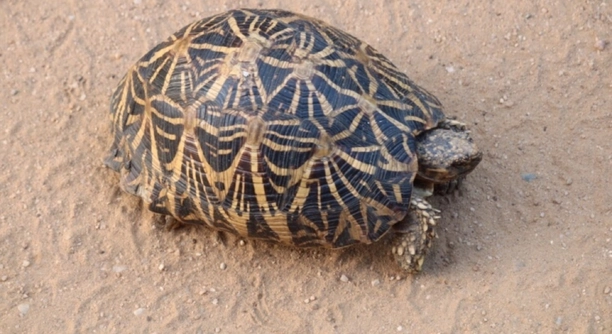
Turtles can sometimes seem sluggish or less active. If you’ve noticed your turtle being more lethargic than usual, it could be a sign of something happening in their environment or health.
Several factors contribute to a turtle’s lethargy. Common reasons include improper water temperature, lack of food, illness, or inadequate basking conditions. Addressing these issues can help your turtle regain its usual energy and activity levels.
Knowing the causes behind your turtle’s behavior is essential. We will guide you through the different factors that might be contributing to your turtle’s lethargy and how to address them.
Incorrect Water Temperature
One of the most common reasons for lethargy in turtles is incorrect water temperature. Turtles are cold-blooded, meaning their body temperature relies on the warmth of their surroundings. If the water is too cold or too warm, it can cause your turtle to become sluggish and inactive. Turtles typically need a water temperature of around 75°F to 80°F (24°C to 27°C) for optimal health. If the water is outside this range, your turtle may struggle to regulate its body temperature, leading to a drop in energy levels.
A proper water heater can help maintain a consistent temperature for your turtle, ensuring they stay active and healthy.
If you are unsure of the water temperature, invest in a reliable aquarium thermometer. This small investment can make a big difference in your turtle’s energy and overall well-being. Keeping the water within the correct range allows your turtle to stay active, which is essential for their health. Turtles need warmth to digest food properly and maintain an active lifestyle. If you notice a drop in activity levels, check the water temperature immediately.
Insufficient Diet
A poor or inadequate diet is another common reason your turtle might feel sluggish. If your turtle is not eating enough or is given a poor-quality diet, their energy levels can drop significantly.
Turtles require a balanced diet of leafy greens, high-quality pellets, and occasional protein. Make sure you are providing the correct nutrition to help your turtle stay energetic.
A lack of proper nutrients can lead to more than just sluggishness. It can also result in poor shell health and overall weakness. If your turtle isn’t eating well, it’s essential to evaluate what you’re offering. For instance, certain vegetables or low-quality pellets might not provide the necessary vitamins and minerals your turtle needs. Adding variety to their diet is a simple way to ensure they get the right nutrients. You should also avoid overfeeding, as this can cause health issues as well. Regularly monitor your turtle’s eating habits to ensure they are thriving.
Poor Basking Conditions
Turtles need proper basking conditions to stay active and healthy. Without a warm, dry place to bask, they may become lethargic.
Turtles bask to regulate their body temperature and to dry out their shells. The basking area should have a heat source, usually a UVB light, that provides warmth between 85°F to 90°F (29°C to 32°C). Without this, they can become weak and tired. A lack of UVB light also prevents turtles from absorbing calcium properly, which is crucial for their shell and bone health.
If your turtle’s basking area is too cold or doesn’t have the right lighting, they won’t be able to stay active. Consider upgrading the basking spot by adding a UVB lamp and adjusting the temperature. Giving your turtle a comfortable spot to rest and bask can make a big difference in how energetic they feel.
Health Issues
If your turtle is consistently lethargic, an underlying health issue could be the cause. Infections, parasites, or metabolic disorders can lead to weakness and reduced activity.
Look out for signs of illness, such as swollen eyes, unusual shell spots, or difficulty swimming. These symptoms can be an indicator of infection or other health concerns. A vet specializing in reptiles can help diagnose the problem and provide treatment.
Regular health checkups are essential to ensure your turtle’s overall well-being. If left untreated, health problems can worsen and lead to more severe symptoms. Addressing the issue early with professional care can help your turtle feel better faster.
Stress
Turtles can become lethargic if they are stressed. Factors like loud noises, sudden changes in their environment, or the presence of other aggressive pets can lead to stress.
When stressed, turtles may withdraw and stop eating, leading to reduced energy levels. Make sure your turtle’s tank is in a calm, quiet environment.
Provide a stable, peaceful space for your turtle, free from sudden disturbances. Avoid handling them too much, as this can also cause anxiety. A stress-free environment will help your turtle feel more relaxed and active.
Lack of Space
If your turtle doesn’t have enough space to roam, it may become inactive and lethargic. Turtles need room to swim, bask, and explore.
A cramped tank or enclosure can make them feel confined and discouraged. Ensure your turtle has enough space to move freely, which will keep them more active and engaged.
A spacious tank with plenty of room for swimming and climbing is essential. This allows your turtle to exercise and stay healthy. Giving your turtle room to move around encourages natural behaviors, helping them stay energetic.
FAQ
Why is my turtle not eating?
There are several reasons your turtle might not be eating. It could be due to stress, improper water temperature, or illness. A change in diet or environment can also cause them to lose their appetite. Ensure that the water temperature is within the recommended range, the basking area is comfortable, and the turtle’s habitat is peaceful. If the problem persists for more than a few days, it may be worth visiting a vet to rule out any health issues.
How do I know if my turtle is sick?
Signs of illness in turtles include swelling, lethargy, loss of appetite, difficulty swimming, or abnormal shell spots. If your turtle exhibits any of these symptoms, it is essential to seek veterinary care as soon as possible. A reptile vet can provide a proper diagnosis and treatment plan. Early detection of illness can improve the chances of recovery.
Can a turtle get too much light?
Yes, turtles can get too much light. Excessive exposure to UVB light or heat can cause stress and dehydration. Ensure the basking spot is not too hot, and that there are areas of shade available. Providing a proper day-night cycle with 12 hours of light and 12 hours of darkness is essential for maintaining a healthy routine.
How can I tell if my turtle is stressed?
Turtles under stress may exhibit behaviors like hiding, excessive basking, or being less active. They might also stop eating or swim erratically. Stress can be caused by environmental factors, handling, or the presence of other pets. Creating a calm, quiet habitat can help reduce stress and encourage normal behavior.
What should I feed my turtle?
Turtles need a balanced diet of leafy greens, high-quality pellets, and occasional protein sources like insects or fish. Fresh vegetables like kale, dandelion greens, and collard greens should be offered regularly. Variety in their diet ensures they receive all the necessary nutrients. Avoid feeding them too many high-fat foods, which can lead to obesity and health problems.
Can I feed my turtle fruit?
Yes, turtles can eat fruit, but it should be given in moderation. Fruits like berries, melons, and apples can be offered as occasional treats. Too much fruit can lead to an imbalance in their diet, as it is high in sugar. Be sure to remove any uneaten fruit to prevent it from spoiling in the tank.
How often should I feed my turtle?
Young turtles need to be fed daily, while adult turtles can be fed every other day. The exact frequency depends on the species of turtle, its size, and activity level. Always monitor your turtle’s weight and appearance to ensure they are getting the right amount of food. If your turtle is overweight or underweight, adjust the feeding schedule accordingly.
Why is my turtle not swimming?
If your turtle isn’t swimming, it could be due to several factors, such as an illness, improper water temperature, or a lack of space in the tank. If your turtle is lethargic and unable to swim properly, it’s crucial to check its water conditions and seek veterinary advice if necessary.
Can I put two turtles together in the same tank?
Turtles can live together, but it depends on the species and their temperament. Some turtles may be territorial and aggressive towards others, leading to stress or injury. If you plan on housing multiple turtles, ensure the tank is large enough to provide enough space and separate basking areas for each. Watch for signs of aggression and be prepared to separate them if needed.
What temperature should my turtle’s tank be?
The water temperature for most turtles should be between 75°F and 80°F (24°C to 27°C). The basking area should be warmer, between 85°F and 90°F (29°C to 32°C), to allow your turtle to regulate its body temperature. Having a thermometer in both the water and basking areas is crucial to maintain these temperatures.
How do I clean my turtle’s tank?
Cleaning your turtle’s tank is essential for their health. You should clean the tank at least once a week by changing a portion of the water, cleaning the filter, and removing any uneaten food. Monthly deep cleans are also necessary to remove any algae buildup or debris. Always use a turtle-safe cleaner to avoid harming your pet.
Can my turtle live outside?
Some species of turtles, particularly box turtles, can live outside in a secure, controlled environment. However, aquatic turtles need access to water and a safe, warm basking area. Ensure that your turtle’s outdoor habitat has proper fencing, temperature control, and protection from predators. Always check your local laws regarding keeping turtles outdoors.
What should I do if my turtle’s shell is soft?
A soft shell in turtles is often a sign of calcium deficiency or improper UVB exposure. Turtles need UVB light to metabolize calcium and maintain strong, healthy shells. Ensure that your turtle has access to UVB light and provide a diet rich in calcium. If the condition persists, consult a vet for guidance.
Can turtles live with other pets?
Turtles can coexist with other pets, but it’s essential to ensure they aren’t stressed or at risk of injury. Avoid housing turtles with aggressive species or pets that might view them as food. Always supervise interactions and provide a safe, peaceful environment for your turtle.
Final Thoughts
Turtles can be fascinating pets, but they require specific care to thrive. If your turtle is showing signs of lethargy, it’s important to consider several possible factors that could be affecting its health. From improper water temperature and poor basking conditions to diet and stress, many factors can contribute to a lack of energy in your turtle. Identifying the root cause will help you create a better environment that supports your turtle’s well-being.
Understanding your turtle’s needs is essential to keeping it healthy and active. Regularly checking the temperature of both the water and basking area, offering a balanced diet, and ensuring the space is large enough for your turtle to move around comfortably are key steps in preventing lethargy. In addition to these basics, always pay attention to signs of illness or stress. If you notice anything unusual, don’t hesitate to consult a vet. Taking preventive measures can help you avoid health issues down the road.
By staying observant and maintaining proper care, you can ensure your turtle remains happy and active for years to come. Whether it’s adjusting the tank environment or providing a more varied diet, there are many simple changes you can make to improve your turtle’s energy levels. Consistent care will lead to a healthier turtle and a better experience for both of you.

Hello,
If you enjoy the content that we create, please consider saying a "Thank You!" by leaving a tip.
Every little bit helps us continue crafting quality advice that supports the health, happiness, and well-being of pets around the world, for pets of all shapes, sizes, and species.
We really appreciate the kindness and support that you show us!