
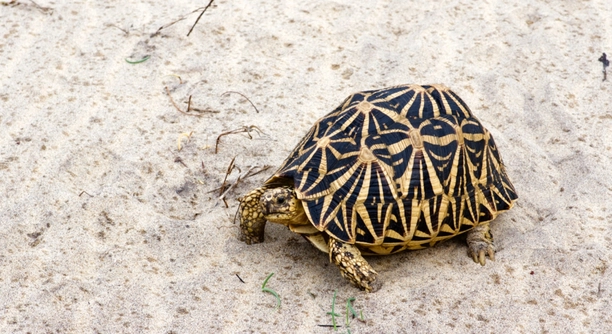
Turtles are fascinating creatures, but it can be worrying when your pet sleeps for long hours. Understanding the reasons behind this behavior can help ensure your turtle stays healthy and happy.
Turtles are cold-blooded animals, meaning their activity levels are directly influenced by their environment’s temperature. Long periods of sleep are often linked to cooler temperatures, as turtles tend to rest more when it’s too cold for them to be active.
There are various factors at play when it comes to your turtle’s sleeping habits. Understanding these can help you create a comfortable environment that supports their natural behaviors.
Temperature and Activity Levels
Turtles are ectothermic, meaning their body temperature is influenced by the environment around them. If the water or air temperature is too cold, they will naturally sleep more to conserve energy. This behavior helps them survive when it’s too chilly for them to be active. As cold-blooded animals, they rely on their surroundings to regulate their body temperature, and cooler temperatures can cause them to slow down and rest longer than usual.
A proper temperature range for your turtle’s habitat is essential. If the environment is too cold, your turtle will not be able to digest food properly and may become lethargic. It’s important to ensure that their habitat includes both a warm basking area and a cooler area to allow them to regulate their temperature.
To keep your turtle comfortable, aim for a basking spot around 85-90°F (29-32°C) and a cooler area around 70-75°F (21-24°C). Using a reliable thermometer and a heat lamp will help you maintain the right balance. If you notice your turtle sleeping excessively, it could be a sign that the temperature is too low. Ensuring the proper heat gradient in their tank will encourage normal activity levels and prevent them from becoming overly sluggish.
Diet and Health
Another factor that can influence how much a turtle sleeps is their diet. An improper or unbalanced diet can lead to lethargy, as turtles may not get the nutrients they need to stay active. Make sure to offer a variety of foods that match your turtle’s species, including vegetables, fruits, and proteins like insects or fish.
A well-balanced diet is essential for your turtle’s energy levels. If they are not getting the right nutrients, they may sleep more than usual or seem sluggish when awake. Offering a variety of foods helps support their overall health and can reduce excessive sleeping due to nutritional deficiencies.
Natural Behavior and Hibernation
Turtles naturally sleep for extended periods depending on the time of year. As cold-blooded animals, they may become less active or enter a state similar to hibernation during colder months. This is normal behavior and should not cause concern unless it’s happening during warmer weather.
During colder seasons, turtles enter a state known as brumation, similar to hibernation. Their metabolism slows down, and they need less food and sleep more. This can be a natural response to temperature changes, but it’s essential to monitor their tank conditions. If the water temperature is too cold, they may not wake up easily or could become ill. Providing a proper heating source is vital to ensuring they stay healthy through the colder months.
If your turtle is sleeping more often during the winter, this could be due to brumation. While some turtles brumate for weeks or even months, others may simply rest more often. Make sure to adjust your turtle’s habitat to avoid unnecessary stress. If your turtle is healthy and their tank conditions are right, this period of rest will be temporary, and they will return to normal activity levels as the weather warms up.
Stress and Environmental Factors
Stress can lead to excessive sleeping in turtles. Changes in their environment, such as a new tank setup, unfamiliar people, or loud noises, can cause them to retreat and sleep longer than usual. Stress impacts their health and energy levels.
Turtles may also sleep longer if they feel threatened or uncomfortable in their environment. It’s important to make sure their tank is a safe, calm space. Avoiding frequent changes in their habitat can help reduce stress and encourage normal behavior. Keeping their environment clean and providing a hiding space will give them the security they need to feel comfortable. If you suspect stress is the cause of your turtle’s excessive sleep, consider giving them some time to adjust and reduce disturbances around their tank.
Age and Sleep Patterns
As turtles grow older, they tend to sleep more. Older turtles have slower metabolisms and may not be as active as they once were. This can result in longer periods of rest, which is generally normal.
Young turtles are more active and require more food, while older turtles might prefer rest to conserve energy. If you notice your older turtle sleeping a lot more than before, it’s important to monitor their health but don’t worry too much—this change in behavior is common as they age.
Health Concerns
If a turtle sleeps excessively and shows signs of lethargy, it could indicate a health issue, such as an infection or parasites. If their eating habits change or they become unresponsive, it’s time to visit a vet.
Regularly check your turtle’s shell for any unusual signs, like swelling or cracks, as these could be signs of health problems. Ensuring your turtle’s tank is clean and that their water quality is maintained can help prevent illness. If you’re concerned, a vet can run tests to determine the cause of the increased sleep and provide treatment.
The Right Tank Setup
To keep your turtle active, a proper tank setup is crucial. They need a basking area, clean water, and enough space to roam. Without these, they may become lethargic.
Ensure your turtle’s tank is large enough for them to move freely, and that water quality is good. A basking spot with the correct temperature is just as important. Proper lighting and UVB rays will also help keep your turtle healthy and active.
FAQ
Why is my turtle sleeping so much?
Turtles are cold-blooded, so their sleep patterns are often influenced by environmental factors like temperature and lighting. If your turtle is sleeping more than usual, it could be due to cooler water temperatures or not enough basking time. It’s also possible that your turtle is older and naturally resting more. Make sure their habitat is set up properly to encourage healthy sleep patterns.
How can I tell if my turtle is hibernating?
Brumation (a form of hibernation for reptiles) typically occurs in cooler months. If your turtle becomes very sluggish and eats very little or not at all, they may be brumating. This is normal if the temperature drops in their environment. However, you should monitor them carefully to make sure it’s not due to illness. If their behavior changes unexpectedly during warmer months, it could be a sign of stress or health issues.
What temperature should my turtle’s tank be?
Turtles need a warm basking area, typically between 85-90°F (29-32°C), and a cooler area in the tank at about 70-75°F (21-24°C). If the tank is too cold, your turtle may become sluggish and sleep more than usual. A reliable thermometer and proper heating elements, like heat lamps or heating pads, are essential to maintaining the right temperature.
What should I do if my turtle is sleeping too much?
First, check the tank’s temperature and ensure it’s within the ideal range. If the temperature is fine, check for other signs of illness, such as changes in eating habits or behavior. If your turtle shows any of these symptoms or if the excessive sleeping lasts too long, it’s a good idea to visit a vet to rule out potential health issues.
Can stress cause my turtle to sleep a lot?
Yes, stress can cause turtles to sleep excessively. Stress can result from changes in their habitat, such as moving to a new tank, changes in tank mates, or loud environments. Providing a stable, calm environment is key to reducing stress. If you notice other signs of stress like hiding or lack of appetite, you should try to minimize disturbances around their tank.
What should I feed my turtle to prevent excessive sleeping?
A balanced diet is crucial for keeping your turtle active. Feed your turtle a mix of protein (like insects or fish), leafy greens, and some fruit. Make sure to avoid feeding them too much of one type of food, as this can lead to imbalances in their diet and cause lethargy. Regularly changing the food variety ensures they receive all the nutrients they need.
Is it okay if my turtle sleeps in the water all the time?
Turtles sleep both on land and in the water. It’s natural for them to sleep in the water, but they should have a dry, elevated area (basking spot) where they can rest and soak up UV light. If your turtle spends too much time in the water and doesn’t bask, it could indicate that they are not feeling well or their environment is not ideal.
How can I make sure my turtle stays healthy and doesn’t sleep too much?
To keep your turtle healthy, ensure they have access to proper lighting, a balanced diet, and a clean tank. A UVB light helps them metabolize calcium and stay active. Regularly monitor the tank’s temperature and water quality, and make sure your turtle has both a basking area and space to swim. If you notice any behavioral changes, such as increased sleeping, consult with a vet to check for health issues.
Could parasites make my turtle sleep a lot?
Yes, parasites can affect your turtle’s energy levels. If your turtle has a parasitic infection, it may become lethargic, lose appetite, and sleep more than usual. If you suspect a parasite, take your turtle to a vet for a proper diagnosis and treatment. Regular tank cleaning and feeding healthy food can help prevent infections.
Why is my turtle not eating and sleeping more than usual?
A loss of appetite and increased sleep could indicate illness or stress. Common causes include improper water temperature, poor diet, or even an infection. It’s crucial to check the tank’s conditions and make sure everything is suitable for your turtle’s needs. If the behavior persists, it’s best to consult a vet for a proper diagnosis.
How often should my turtle be eating?
Turtles typically eat daily when they are young and less frequently as they age. Adult turtles may only need to eat 3-4 times a week, depending on their size and species. However, if your turtle is sleeping a lot and not eating, it could be a sign of an underlying issue, such as temperature stress or illness.
Final Thoughts
Understanding your turtle’s sleep patterns is important for their overall health. Turtles naturally sleep for long periods, especially if the temperature in their environment is not ideal. As cold-blooded animals, they rely on their surroundings to regulate their body temperature. When it’s too cold, they sleep more to conserve energy. During colder months, they may even enter a state of brumation, similar to hibernation. This behavior is completely normal but should be monitored. If your turtle seems to be sleeping more than usual during warmer months, you should check their habitat and make sure their tank setup is correct.
If your turtle is sleeping excessively, it could also be a sign of other issues like stress, diet imbalances, or health problems. Stress can occur due to changes in their environment, such as a new tank setup, loud noises, or even a change in their tank mates. A stressed turtle may sleep more to retreat from the discomfort. A balanced diet is equally important. If your turtle is not getting the right nutrition, they might become sluggish and sleep longer than usual. Offering a variety of foods, including vegetables, fruits, and proteins, will help maintain their energy levels and prevent excessive sleep caused by poor nutrition.
In some cases, health concerns like infections or parasites can lead to increased sleep and lethargy. If you notice that your turtle isn’t eating, drinking, or behaving normally, it’s best to take them to the vet for a check-up. By keeping their tank clean, maintaining the right temperature, and providing proper care, you can ensure your turtle stays active and healthy. Every turtle is different, and their behavior will vary based on their age, species, and environment. It’s important to be observant and make adjustments when necessary, so your turtle can live a long and healthy life.

Hello,
If you enjoy the content that we create, please consider saying a "Thank You!" by leaving a tip.
Every little bit helps us continue crafting quality advice that supports the health, happiness, and well-being of pets around the world, for pets of all shapes, sizes, and species.
We really appreciate the kindness and support that you show us!