
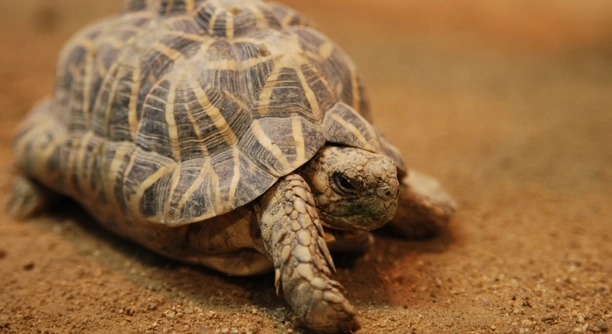
If you’ve noticed your turtle’s shell growing unevenly, you might be wondering what could be causing this. Understanding what’s behind this issue can help you take the right steps to care for your pet.
Uneven shell growth in turtles is often linked to poor diet, improper lighting, or insufficient space for movement. These factors can affect the overall health and development of their shell. Proper care is essential to prevent these issues.
Addressing the causes of uneven shell growth is crucial for your turtle’s health and comfort. The right environment and nutrition can make all the difference in maintaining a strong and even shell.
Common Causes of Uneven Shell Growth
Turtles, like all pets, require a balanced environment to stay healthy. When their shell grows unevenly, it’s often due to factors like diet, lighting, or space. Without the proper balance of calcium and other nutrients, your turtle’s shell may not develop correctly. This is especially true if they don’t have access to UVB light, which is essential for proper calcium absorption. Without it, their shell can become deformed or grow unevenly. A lack of space to move around can also hinder their growth, leading to abnormalities in shell shape.
A proper diet is one of the most important aspects of turtle care. Ensuring they have enough calcium, vitamin D, and other essential nutrients is key. This helps them grow strong, healthy shells and prevents deformities.
Ensure your turtle’s environment meets their needs. Proper UVB lighting, a healthy diet, and plenty of space to roam will keep their shell growing evenly and naturally. A little extra attention can go a long way in maintaining their health.
How Lighting Affects Shell Development
Turtles require UVB lighting to produce vitamin D3, which is essential for calcium absorption. Without sufficient UVB exposure, your turtle may develop shell issues, including uneven growth. This is why providing the right lighting is critical to your turtle’s well-being.
UVB light helps your turtle metabolize calcium, supporting healthy bone and shell development. Without it, your turtle’s shell may grow unevenly or become soft and weak. Turtles in the wild get this from the sun, but in captivity, you need to provide it through artificial lighting. Make sure to use a high-quality UVB bulb designed for reptiles.
If you haven’t already, consider investing in a proper UVB light source for your turtle. It’s one of the easiest and most effective ways to help your turtle’s shell grow evenly and keep them healthy. Just remember to replace the bulb regularly, as it loses its effectiveness over time.
Diet and Nutrition
A turtle’s diet plays a huge role in shell development. Without the right balance of nutrients, uneven shell growth can occur. Calcium is especially important for strong, healthy shells. If your turtle isn’t getting enough calcium from its food, it can result in deformities.
A diet rich in leafy greens, fruits, and commercial turtle food that contains calcium supplements can help. Be sure to also provide some animal protein, like insects or small fish, to give them a full spectrum of nutrients. Calcium should always be included in the diet, either through natural food sources or supplements. Over time, a balanced diet will support healthy shell growth.
Feeding your turtle a variety of foods can prevent deficiencies and improve overall health. Try incorporating foods like kale, collard greens, and dandelion greens. You can also offer calcium-rich foods like cuttlebone or calcium powder sprinkled on their meals. Regularly offering a mix of protein and vegetables ensures that your turtle is getting the nutrients they need.
Importance of Space
Turtles need space to move around and exercise. Limited space can result in uneven shell growth due to lack of physical activity. A small, cramped habitat can restrict movement, leading to poor development of their shell.
A larger enclosure allows your turtle to stretch its legs and move more freely. This helps maintain the even growth of their shell. When they have room to move, they can naturally exercise their muscles and shell, which contributes to better health. A small tank or confined space, on the other hand, can stunt growth and cause deformities.
Be sure to provide your turtle with an environment that allows for plenty of space. A bigger tank, ideally at least 40 gallons for an adult turtle, will encourage movement. Additionally, you can add features like rocks, logs, and plants to make the habitat more stimulating and encourage more physical activity.
Health Issues
Sometimes, underlying health problems can lead to uneven shell growth in turtles. Infections, parasites, or diseases like metabolic bone disease can disrupt normal shell development. These health issues should be addressed as soon as possible to prevent long-term damage.
If your turtle’s shell is soft, misshapen, or growing unevenly, it could be a sign of an underlying condition. Keep an eye on any other symptoms such as lethargy or poor appetite. Prompt treatment is crucial to avoid further complications.
A visit to a reptile vet is important if you suspect a health issue. They can run tests to identify any diseases or infections that might be affecting your turtle. Early intervention can prevent further damage to the shell and overall health.
Improper Temperature
Temperature plays a significant role in your turtle’s overall health and shell growth. If the temperature in their enclosure is too low, it can slow down their metabolism and affect shell development. Too high, and it can cause stress and health problems.
Your turtle’s environment needs to have a proper temperature gradient, with a warm basking area and a cooler side for them to retreat to. The basking spot should be between 85-90°F (29-32°C), and the cooler side should be around 70°F (21°C). Maintaining this balance helps regulate their body temperature and metabolism.
Shell Mites
Shell mites are another possible reason for uneven shell growth. These tiny parasites can cause irritation and damage to your turtle’s shell. Mites are often hard to see with the naked eye but can lead to issues like scabbing or rough patches on the shell.
If you notice any unusual markings or your turtle is scratching its shell excessively, mites might be the cause. It’s important to address this problem immediately to prevent further damage. Cleaning your turtle’s habitat and consulting with a vet is the best way to handle this issue effectively.
FAQ
What causes uneven shell growth in turtles?
Uneven shell growth in turtles is usually caused by a combination of factors like poor diet, lack of proper lighting, insufficient space for movement, and potential health issues. A diet lacking in essential nutrients like calcium and vitamin D3 can result in shell deformities. Without proper UVB lighting, turtles cannot absorb calcium properly, leading to soft or uneven shell growth. A small tank with limited room for exercise can also impact shell development. Additionally, health issues such as metabolic bone disease or parasites can lead to irregular shell growth. It’s important to address these factors early to prevent further damage to your turtle’s shell.
How can I fix uneven shell growth in my turtle?
To fix uneven shell growth in your turtle, start by ensuring they have a proper diet. Provide a balanced diet with plenty of calcium, vitamin D3, and protein. Make sure your turtle has access to UVB light for proper calcium absorption. Keep their tank large enough for them to move around freely, encouraging exercise. If there are any signs of health issues, visit a vet for a proper diagnosis and treatment. With the right care, most issues can be corrected over time.
Can a turtle’s shell grow back if damaged?
A turtle’s shell cannot fully regenerate if it has been severely damaged. However, minor cracks or scratches may heal over time with proper care. The shell is made of bone and covered with a layer of keratin, similar to our nails. If the damage is deep or severe, it may need medical attention. A vet can help assess the damage and provide treatment to prevent infection and promote healing.
How do I know if my turtle has metabolic bone disease?
Metabolic bone disease (MBD) is common in turtles with improper diets or insufficient UVB exposure. Symptoms of MBD include soft or deformed shells, difficulty moving, swelling in the limbs, and lethargy. If you notice any of these signs, it’s important to consult with a vet immediately. MBD is treatable in the early stages with proper diet changes and UVB lighting, but untreated, it can cause severe deformities and bone fractures.
Can shell problems affect my turtle’s health beyond the shell?
Yes, shell problems can be a sign of underlying health issues that can affect your turtle’s overall well-being. For example, nutritional deficiencies or infections that cause shell deformities can also impact your turtle’s bone health, metabolism, and organ function. If your turtle’s shell is showing signs of problems, it’s essential to consider their overall health and consult a vet. Early intervention can prevent further complications and ensure your turtle remains healthy.
Is there a specific diet I should give my turtle to prevent shell problems?
Yes, a proper diet is crucial for preventing shell issues. Turtles require a balanced diet that includes calcium, vitamin D3, and protein. Offer leafy greens like kale, collard greens, and dandelion greens, along with occasional fruits such as strawberries or blueberries. You can also provide protein sources like worms, crickets, or fish. It’s important to supplement their diet with calcium, either through cuttlebone or a calcium powder. Ensure that your turtle gets a variety of foods to prevent nutritional imbalances that could lead to shell problems.
How much space does my turtle need in its tank?
Turtles need plenty of space to move around and exercise to promote healthy shell growth. A general guideline is at least 40 gallons of water for an adult turtle. The more space they have, the better. Adding rocks, logs, and other hiding spots to their enclosure can encourage more movement and mental stimulation. If your turtle is confined to a small tank, it may not get enough exercise, which can lead to uneven shell growth.
How often should I replace the UVB bulb for my turtle?
UVB bulbs lose their effectiveness over time, even if they are still producing light. It’s recommended to replace UVB bulbs every 6 to 12 months, depending on the type of bulb and its brand. If you are unsure when to replace the bulb, check the manufacturer’s guidelines. Regularly replacing the UVB bulb ensures that your turtle receives the proper UVB exposure to metabolize calcium effectively, promoting healthy shell growth.
What signs should I watch for to know if my turtle is sick?
If your turtle is sick, you might notice signs like lethargy, loss of appetite, difficulty moving, swollen limbs, or unusual behavior. Shell issues, such as softness, cracks, or discoloration, can also be signs of underlying health problems. Keep an eye out for changes in your turtle’s behavior and appearance. If anything seems off, it’s best to consult a vet for an accurate diagnosis and treatment plan. Early detection can make a huge difference in your turtle’s recovery.
Can turtles live with uneven shells?
Turtles can live with uneven shells if the condition is not too severe, but it can cause long-term health problems if left untreated. A deformed shell can interfere with the turtle’s ability to move and grow properly. If you notice uneven shell growth or deformities, it’s important to assess the underlying causes, such as diet, lighting, or health issues, and make necessary changes. Providing proper care can help prevent further damage and improve your turtle’s quality of life. If the shell issues are severe, consult a vet for guidance.
Final Thoughts
Taking care of a turtle’s shell requires attention to several factors, such as diet, lighting, space, and overall health. When these elements are balanced, your turtle’s shell should grow evenly and stay strong. However, if one of these factors is off, it can lead to problems like uneven shell growth. A turtle’s shell is not only essential for its protection but also plays a significant role in its overall well-being. That’s why it’s important to be proactive in addressing any issues that arise.
Proper nutrition is the first step in ensuring your turtle’s shell stays healthy. A balanced diet that includes calcium, vitamin D3, and other nutrients is vital for their shell development. Without the right nutrients, your turtle’s shell may become soft or uneven. UVB light is another essential part of the equation. It helps your turtle absorb calcium and promotes healthy growth. Without it, the shell may become weak, leading to deformities. Along with nutrition and lighting, providing enough space for your turtle to move around is equally important. If your turtle is confined to a small space, it may not get enough exercise, which can affect its shell development.
If you notice signs of uneven shell growth or other shell problems, it’s important to take action quickly. Sometimes, the cause may be as simple as a lack of proper lighting or a poor diet, which can be easily corrected. However, if the issue seems more complex, such as a health problem or infection, a vet visit is necessary. Addressing shell problems early can prevent more serious issues from developing later. In the end, a little care and attention to your turtle’s needs will go a long way in helping it stay healthy and happy.

Hello,
If you enjoy the content that we create, please consider saying a "Thank You!" by leaving a tip.
Every little bit helps us continue crafting quality advice that supports the health, happiness, and well-being of pets around the world, for pets of all shapes, sizes, and species.
We really appreciate the kindness and support that you show us!