
Many aquarium enthusiasts enjoy keeping colorful fish alongside small invertebrates like shrimp. Combining different species can create a lively and diverse tank environment. However, compatibility between species is important to maintain a peaceful and healthy habitat.
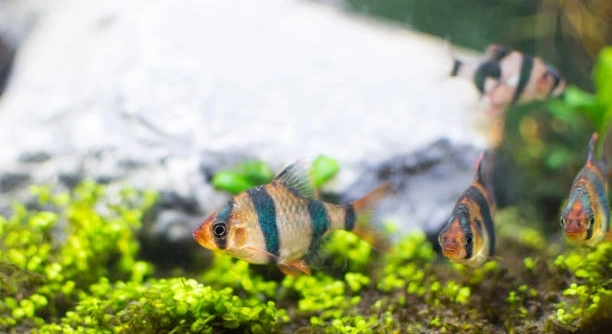
Tiger Barbs are known for their semi-aggressive behavior and active swimming patterns, which can pose a threat to shrimp. Shrimp are often at risk of being harassed or eaten by Tiger Barbs, making it generally unsuitable to keep them together in the same aquarium.
Knowing the risks and dynamics between these species helps ensure a balanced and safe environment for all tank inhabitants. This information guides better choices for community aquariums.
Understanding Tiger Barb Behavior
Tiger Barbs are lively and curious fish known for their striking colors and active swimming. They often display semi-aggressive behavior, especially when kept in small groups or confined spaces. This can lead them to nip at other tank inhabitants, including slow-moving or delicate species like shrimp. Their natural instinct to explore and compete for food can result in stressful situations for shrimp, which rely on hiding and cautious movement to stay safe. When considering a tank with Tiger Barbs, it is important to provide plenty of hiding places and sufficient space. This can reduce tension and help prevent constant harassment. However, even with these precautions, Tiger Barbs may still see shrimp as potential prey or competition, making it a risky combination for shrimp survival.
In a community tank, the behavior of Tiger Barbs must be carefully managed to avoid conflicts. Their active nature requires thoughtful tank planning.
Creating a balanced environment means understanding the natural instincts of your fish. Tiger Barbs thrive in schools of at least six, which helps reduce aggression towards other species. Providing dense plants and hiding spots benefits shrimp and other vulnerable creatures. Tank size is also key—larger aquariums give all inhabitants more room to avoid unwanted interactions. Feeding Tiger Barbs regularly can reduce their hunting tendencies but does not eliminate the risk to shrimp. Keeping shrimp in a tank with Tiger Barbs is often not recommended unless the shrimp species are large and fast enough to avoid being targeted. When planning your tank, consider species compatibility carefully to maintain a peaceful aquatic setting.
Alternatives to Keeping Tiger Barbs with Shrimp
Most small shrimp species are not safe with Tiger Barbs due to the risk of predation. Choosing peaceful fish species that coexist well with shrimp offers a better chance of success. Fish like small tetras, rasboras, or peaceful gouramis tend to leave shrimp alone and allow them to thrive. These fish are less likely to disturb shrimp while sharing the same space. When shrimp safety is a priority, selecting calm tankmates helps create a stable environment.
If you prefer to keep Tiger Barbs, consider separating them from shrimp by using a divided tank or dedicated shrimp-only aquarium. This ensures both species have their needs met without conflict. Keeping shrimp in a heavily planted tank can also increase their chances of survival, as the extra cover reduces visibility to aggressive fish. When mixing species, balance is key—matching fish temperaments and environmental needs improves tank harmony. By prioritizing compatible species, you promote healthier, stress-free aquatic life.
Tank Setup Tips for Tiger Barbs and Shrimp
Providing enough hiding spaces is essential when housing Tiger Barbs and shrimp together. Plants, rocks, and decorations offer shrimp places to escape. Without cover, shrimp are easy targets for Tiger Barbs, increasing stress and risk of injury.
Dense planting helps create natural shelters for shrimp, which reduces encounters with aggressive fish. Using fast-growing plants like Java fern or Anubias creates a safe environment. Additionally, adding driftwood or rock caves gives shrimp extra protection. Hiding spots lower stress for both species, making the tank more peaceful overall.
Maintaining clean water and stable conditions is also important. Both Tiger Barbs and shrimp thrive best in tanks with good filtration and consistent water parameters. Regular water changes and monitoring reduce disease risk. Balanced feeding prevents aggression over food. A well-planned tank setup benefits all aquatic life and helps reduce conflicts.
Feeding Considerations
Tiger Barbs are active feeders and can compete aggressively for food. Offering frequent, small meals helps keep them satisfied and less likely to chase shrimp. Feeding sinking pellets ensures shrimp can access food without competition from Tiger Barbs.
Shrimp benefit from a varied diet, including algae wafers, blanched vegetables, and specialized shrimp foods. This supports their health and coloration. Avoid overfeeding, which can pollute the tank and harm water quality. Good feeding routines improve harmony in mixed tanks. Monitoring fish and shrimp behavior during feeding helps adjust portions and timing to reduce stress and aggression.
Signs of Stress in Shrimp
Shrimp stressed by Tiger Barbs may hide excessively or show reduced activity. They can lose color or stop eating when feeling threatened.
Physical injuries like missing limbs or damaged antennae also indicate stress or attacks. Regular observation helps catch these signs early.
How to Protect Shrimp in a Community Tank
Using dense plants and decorations offers essential cover for shrimp to avoid Tiger Barbs. Providing plenty of space in the aquarium lowers aggressive encounters.
Adding floating plants softens light and offers extra hiding spots. These steps create a more secure environment, helping shrimp feel safe despite the presence of Tiger Barbs.
Recommended Shrimp Species for Community Tanks
Larger shrimp species like Amano shrimp tend to fare better with semi-aggressive fish. Their size and speed help them avoid harassment.
Smaller shrimp, such as cherry shrimp, are more vulnerable and often unsuitable for tanks with Tiger Barbs.
Monitoring and Adjusting Tank Conditions
Consistent water quality and temperature reduce stress for both shrimp and Tiger Barbs. Frequent testing ensures a healthy environment.
FAQ
Can Tiger Barbs and shrimp live peacefully together?
Tiger Barbs have semi-aggressive tendencies and often see shrimp as potential food or competition. While it’s not impossible, keeping them together is generally risky. Shrimp are vulnerable due to their slow movements and smaller size, which makes peaceful coexistence difficult without special tank arrangements and plenty of hiding spots.
What shrimp species are safest with Tiger Barbs?
Larger shrimp like Amano shrimp can sometimes survive with Tiger Barbs because of their size and quicker movements. Smaller shrimp, such as cherry shrimp or ghost shrimp, are much more likely to be harassed or eaten. Selecting larger, hardier shrimp improves their chances of survival in a community tank with Tiger Barbs.
How can I reduce aggression from Tiger Barbs toward shrimp?
Keeping Tiger Barbs in groups of six or more helps spread their aggression within their own species rather than targeting shrimp. Providing dense plants, hiding places, and a spacious tank also reduces stress and encounters. Feeding Tiger Barbs frequently with quality food can help minimize their hunting behavior toward shrimp.
Is tank size important for keeping Tiger Barbs with shrimp?
Yes, tank size plays a big role. Larger tanks provide more space for shrimp to hide and avoid aggressive fish. Small or overcrowded tanks increase the chances of Tiger Barbs bothering shrimp. A tank of at least 30 gallons with plenty of plants and décor is recommended for this type of setup.
What signs indicate that shrimp are stressed by Tiger Barbs?
Shrimp that are stressed may hide for long periods, stop eating, or lose their vibrant color. Physical damage like torn antennae or missing legs is another clear sign. Watching shrimp behavior closely helps catch problems early before injuries worsen.
Can shrimp survive without hiding spots in a tank with Tiger Barbs?
Shrimp without adequate hiding spots in a tank with Tiger Barbs are unlikely to survive long. Hiding places such as plants, rocks, and caves are essential for shrimp to avoid harassment. Without these, shrimp face constant stress and higher chances of being eaten.
How should I feed Tiger Barbs and shrimp in a shared tank?
Feed Tiger Barbs small amounts multiple times a day to reduce competition for food. Use sinking pellets so shrimp can access food at the bottom without being chased away. Supplement shrimp diets with algae wafers, blanched vegetables, or shrimp-specific foods to keep them healthy.
Are there alternative fish to Tiger Barbs that are better for shrimp tanks?
Yes, peaceful fish like small tetras, rasboras, or dwarf gouramis are much better tankmates for shrimp. These fish usually ignore shrimp and cause less stress, making them ideal for community tanks focused on shrimp health and safety.
What water conditions suit both Tiger Barbs and shrimp?
Both species prefer clean, well-filtered water with stable temperatures around 74-79°F (23-26°C). pH should be neutral to slightly acidic, between 6.5 and 7.5. Consistent water quality with regular changes helps reduce stress and maintain overall health.
Can I keep shrimp in a tank divided from Tiger Barbs?
Using a tank divider is a good way to keep shrimp safe while still housing Tiger Barbs in the same aquarium. It allows both species to share space without direct contact or risk of predation. This setup requires careful monitoring and maintenance of water flow between sections.
How often should I check on shrimp health in a mixed tank?
Daily or every other day checks are recommended to observe shrimp behavior and condition. Early detection of stress or injury helps prevent serious problems. Pay attention to activity levels, feeding response, and physical damage.
What are common mistakes when keeping Tiger Barbs and shrimp together?
Common errors include overcrowding the tank, providing insufficient hiding places, feeding irregularly, and ignoring signs of stress. Not considering species compatibility before setup often leads to poor outcomes. Careful planning and ongoing care are essential for success.
Is it better to keep shrimp and Tiger Barbs separately?
For most hobbyists, yes. Shrimp do best in tanks without aggressive or semi-aggressive fish like Tiger Barbs. Separate tanks allow for easier care and reduce the risk of shrimp being harmed. If combined, strict tank management and setup are necessary.
What decorations help shrimp feel secure with Tiger Barbs present?
Live plants such as Java moss, Anubias, and ferns provide good cover. Driftwood and rock formations also create natural hiding spaces. Floating plants soften lighting and add extra refuge. These decorations reduce stress and improve shrimp survival rates.
Can Tiger Barbs be trained to tolerate shrimp?
Fish behavior can sometimes improve with proper environment and feeding, but Tiger Barbs’ natural instincts are hard to change. They may tolerate shrimp better when kept in large groups and well-fed, but risks remain. Avoid relying on training as a solution.
How does stress affect shrimp health in a tank with Tiger Barbs?
Chronic stress weakens shrimp immune systems, making them prone to disease and reducing lifespan. Stress can also inhibit molting, which is critical for shrimp growth. Maintaining a low-stress environment is vital for shrimp health in mixed-species tanks.
When thinking about keeping Tiger Barbs and shrimp together, it’s important to consider the natural behaviors of both species. Tiger Barbs are lively and sometimes aggressive fish that may see shrimp as food or competition. Shrimp, on the other hand, are smaller and more fragile creatures that depend on hiding to stay safe. This difference makes it challenging for the two to live peacefully in the same tank. Even with careful tank setup and many hiding places, there is always a risk that Tiger Barbs will bother or harm shrimp. It is not a simple combination, and it requires close attention and proper planning to reduce problems.
Creating a tank environment that supports both Tiger Barbs and shrimp means providing plenty of space and cover. Plants, rocks, and decorations are essential to give shrimp places to escape and hide. A larger tank also helps by allowing both fish and shrimp to spread out, reducing stress and conflicts. Feeding habits matter as well, because well-fed Tiger Barbs tend to be less aggressive in searching for food, which can help protect shrimp. However, even with these steps, shrimp may still be stressed or attacked, especially smaller shrimp species. Larger shrimp, such as Amano shrimp, may have better chances of survival due to their size and speed.
In the end, the decision to keep Tiger Barbs with shrimp depends on your willingness to manage risks and maintain a careful balance. For most people, keeping shrimp in a peaceful community tank without semi-aggressive fish like Tiger Barbs is a safer choice. If you enjoy both species, consider housing them separately or using tank dividers to ensure their safety. Observing shrimp regularly and watching for signs of stress or injury is important for any mixed tank. Understanding the needs and behaviors of your aquatic pets helps you provide a healthy, peaceful home that allows each species to thrive without unnecessary harm.

Hello,
If you enjoy the content that we create, please consider saying a "Thank You!" by leaving a tip.
Every little bit helps us continue crafting quality advice that supports the health, happiness, and well-being of pets around the world, for pets of all shapes, sizes, and species.
We really appreciate the kindness and support that you show us!