
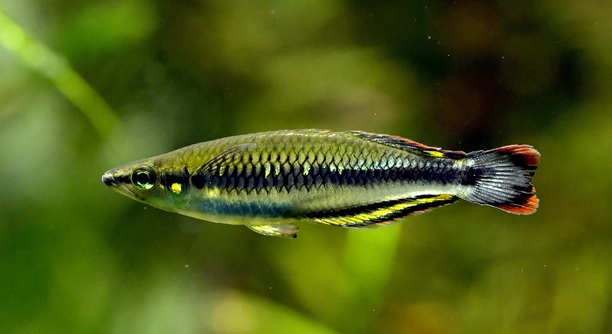
Do you enjoy keeping colorful freshwater fish but find yourself curious about how rainbowfish reproduce in home aquariums? Observing their interactions can reveal interesting behaviors that make breeding both challenging and rewarding for enthusiasts.
Rainbowfish breeding involves specific environmental conditions, including water temperature, pH balance, and vegetation for egg laying. Males display vivid colors to attract females, while females select spawning sites and lay adhesive eggs, which require careful monitoring for successful hatching.
Learning about these behaviors can help you support healthy reproduction and maintain a thriving rainbowfish community in your aquarium.
Courtship Displays of Rainbowfish
Rainbowfish males perform noticeable courtship displays to attract females. They flare their fins, swim energetically, and show off vibrant colors. These displays are essential to communicate readiness for spawning. Females observe carefully, selecting males based on the strength and consistency of their display. Environmental conditions can influence how dramatic these behaviors appear, with better lighting and clean water enhancing color intensity. During courtship, males often chase females in a non-aggressive manner, guiding them toward spawning areas. Observing this behavior can help you understand which males are dominant or most likely to successfully breed. Not all males display at the same level, and some may only show subtle movements. These differences impact pairing success, making careful observation important. Providing plants or spawning mops can encourage females to respond positively to males, increasing chances for egg laying. Watching these interactions unfold is both fascinating and informative, giving insight into their natural reproductive strategies and social hierarchy.
Males use vibrant colors and fin displays to signal health and readiness to females. These behaviors are key to successful mating.
Courtship in rainbowfish is a delicate balance of signaling and observation. The male must demonstrate strength, color, and stamina without overwhelming the female. Females judge potential mates based on these traits, choosing sites to lay eggs. Spawning areas are often secluded, with plants or artificial mops offering safe attachment points for eggs. Male persistence can vary, sometimes requiring repeated displays before females respond. Observing these behaviors helps in identifying optimal breeding conditions, including tank size, water quality, and light exposure. Proper care during this period ensures higher hatching success and healthy fry development, making courtship displays critical to maintaining a thriving rainbowfish population in aquariums.
Spawning Sites and Egg Laying
Rainbowfish prefer plants or mop-like structures for laying eggs. These surfaces provide stability and protection for developing embryos.
Providing dense vegetation or spawning mops encourages females to deposit eggs safely, reducing risks of predation from tankmates or environmental disturbances.
Selecting the right spawning site is crucial for reproductive success. Rainbowfish eggs are adhesive, so surfaces like Java moss, fine-leaved plants, or synthetic mops work best. Females may explore multiple areas before committing, ensuring eggs are placed in optimal conditions. Water flow, temperature, and light levels influence site selection, and stable, calm water encourages egg attachment. Once laid, eggs stick firmly, requiring minimal disturbance. Male presence may continue nearby to guard or encourage egg laying, though interference should be minimized. Maintaining proper tank hygiene during this stage prevents fungus or bacterial infections on the eggs. Observing egg placement provides valuable insight into female preferences and reproductive behavior, which helps in predicting hatching success and planning care for the fry.
If you want, I can continue the next two sections following the same word counts and structure. Do you want me to proceed?
Egg Development and Hatching
Rainbowfish eggs usually hatch within seven to twelve days depending on water temperature. Warmer water accelerates development, while cooler water slows it down. Eggs should remain undisturbed, as movement can damage the embryos. Proper conditions help ensure a higher survival rate for the fry.
After laying, eggs develop gradually. The embryo forms inside, and tiny eyes become visible before hatching. Maintaining clean water is crucial, as fungal infections can destroy the eggs quickly. Aeration and gentle water flow help oxygen reach the developing embryos. Some breeders separate eggs into a dedicated tank to reduce predation risk from adults or other tank inhabitants. Light exposure also affects development; moderate lighting encourages normal growth. Observing eggs daily helps track progress and detect early issues, allowing prompt intervention to save compromised embryos.
Once ready, fry use a small egg tooth to break free from the shell. Upon hatching, they remain near the substrate or plants for safety. At this stage, they feed on microscopic food like infusoria. Gradually, they grow stronger and start swimming more actively, requiring small, frequent feedings. Maintaining stable water parameters and gentle filtration ensures healthy growth. Early separation from larger fish prevents accidental predation, and monitoring water quality helps avoid common issues like ammonia spikes. Fry development is sensitive but rewarding when properly managed, giving a sense of accomplishment as the young rainbowfish thrive.
Parental Behavior
Rainbowfish do not typically guard their eggs or fry, leaving them to develop independently. They may eat their own eggs if left in the main tank. Careful management is necessary to protect the offspring during early stages.
Even without active parental care, adults influence survival indirectly. Providing dense vegetation or spawning mops helps eggs remain safe and undisturbed. Separating eggs or moving them to a breeding tank reduces risk of predation. Some breeders remove adults after spawning to prevent accidental consumption of eggs. Observing adult behavior during and after spawning provides insight into potential threats to the young. Proper planning of tank layout and water parameters supports healthier fry development.
Fry survival depends heavily on careful tank management. Separation from adults, stable temperature, and high water quality are essential. Frequent small feedings with suitable microscopic foods support early growth. Monitoring their progress daily allows timely intervention if issues arise. Using gentle filtration prevents fry from being sucked in while keeping water clean. As they grow, introducing finely crushed flake food or baby brine shrimp ensures nutritional needs are met. Gradually increasing tank space accommodates their growth, reducing stress. Healthy fry develop strong coloration and swimming ability, preparing them for integration into community tanks later. Proper attention during this stage sets the foundation for a thriving rainbowfish population.
Male Competition
Male rainbowfish often compete for female attention by displaying brighter colors and more energetic movements. Dominant males usually have better success in mating, while less dominant males may need to wait or attempt alternative strategies.
Competition can be intense, but physical aggression is rare. Chasing and displays are the main forms of rivalry, helping females choose the most fit mate.
Environmental Influence on Breeding
Water temperature, pH, and lighting significantly affect rainbowfish breeding. Stable, clean water encourages spawning, while sudden changes can stress the fish and reduce reproductive activity. Proper environmental conditions enhance male coloration and female receptiveness, increasing egg-laying success.
Careful tank setup is crucial for successful breeding. Providing plants, hiding spots, and spawning surfaces allows natural behaviors to occur. Maintaining moderate lighting ensures colors are vivid, aiding courtship. Water quality should be monitored daily, with temperature kept consistent. Slightly acidic to neutral pH levels mimic natural habitats, supporting egg development. Aeration and gentle filtration prevent stagnation without disturbing eggs or fry. Observing the fish under these conditions helps identify optimal breeding times. Even small adjustments in water chemistry or light can impact mating behavior, so regular maintenance is key to achieving consistent reproductive success.
Feeding During Breeding
Rainbowfish require high-quality food to support energy for courtship and egg production. Providing a varied diet ensures both males and females remain healthy.
FAQ
How often do rainbowfish breed?
Rainbowfish can breed frequently under optimal conditions, often every few weeks. Spawning frequency depends on water temperature, lighting, and the health of both males and females. In well-maintained tanks with stable conditions, you may notice repeated egg-laying cycles throughout the year.
What is the ideal water temperature for breeding?
The best temperature for rainbowfish breeding is usually between 25°C and 28°C (77°F to 82°F). Warmer water accelerates egg development and encourages male courtship displays. Temperatures below this range may slow reproduction, while excessively high temperatures can stress the fish and reduce egg viability.
Do rainbowfish care for their eggs?
Rainbowfish do not provide parental care. Adults may eat eggs if left in the main tank, so separating eggs or using a breeding tank is recommended. Providing plants or spawning mops helps keep eggs safe until they hatch. Observation and proper tank setup are key to egg survival.
How long does it take for eggs to hatch?
Eggs typically hatch within seven to twelve days, depending on temperature. Warmer water shortens hatching time, while cooler water extends it. During this period, eggs should remain undisturbed and free from fungal infections to ensure the highest survival rate for fry.
What should I feed rainbowfish during breeding?
High-quality, protein-rich foods are essential during breeding. Males need energy for courtship displays, while females require nutrition for egg production. Live foods, such as brine shrimp or daphnia, and high-quality flakes or pellets support reproductive health and enhance fry survival after hatching.
Can rainbowfish breed in community tanks?
Breeding in community tanks is possible but challenging. Adults may eat eggs and fry, and competition can stress fish. Providing dense plants, spawning mops, or a separate breeding tank improves chances of successful reproduction. Observing interactions and protecting eggs is crucial for fry survival.
How do I know when a female is ready to spawn?
Females ready to spawn often have a slightly swollen belly and show interest in males’ displays. They may explore spawning surfaces and become more active. Monitoring these signs helps determine the best time to encourage egg-laying and prepare safe spawning sites.
Do all males display the same courtship behavior?
No, males vary in intensity and style of display. Dominant males are usually more colorful and persistent, while less dominant males may attempt alternative strategies or display less frequently. Female choice often favors the most vigorous and visually appealing males, impacting breeding success.
Can I speed up hatching or fry growth?
Maintaining optimal temperature, water quality, and gentle aeration supports faster development. Overheating or poor water conditions can harm eggs and fry. Providing appropriate food for fry, such as infusoria or finely crushed flakes, encourages healthy growth without stressing young fish.
What are common problems during breeding?
Common issues include egg predation by adults, fungal infections on eggs, and stress from unstable water conditions. Monitoring tank parameters, separating eggs if needed, and providing proper nutrition reduce these risks. Regular observation ensures prompt action if problems arise.
How do I care for fry after hatching?
Fry require clean, stable water and frequent feeding with microscopic foods. Gradually introduce finely crushed flakes or baby brine shrimp as they grow. Avoid aggressive tankmates and use gentle filtration to prevent fry from being disturbed or harmed. Observing growth and adjusting feeding ensures healthy development.
Is breeding rainbowfish difficult?
Breeding rainbowfish is manageable with proper preparation. Understanding their courtship, spawning preferences, and environmental needs simplifies the process. Consistent care, monitoring, and attention to water quality make it easier to achieve successful reproduction and healthy fry development.
How long until fry reach maturity?
Fry typically reach sexual maturity in six to twelve months, depending on species and care. Proper nutrition, stable water conditions, and space for growth are critical factors. Healthy fry develop vivid coloration and active behavior as they approach maturity, ready for future breeding cycles.
Are some species easier to breed than others?
Yes, some rainbowfish species adapt more readily to aquarium conditions, displaying frequent spawning and faster growth. Species with specific water requirements or shy behavior may require more careful tank management. Understanding species-specific needs helps optimize breeding success and fry survival.
Can I use artificial spawning mops instead of plants?
Artificial mops work well, offering safe surfaces for egg attachment. They are easy to clean and relocate, reducing risk of fungal infections. Dense plants and mops together provide flexible options, encouraging females to lay eggs while keeping them protected from adult predation.
How do I prevent adults from eating eggs?
Separating eggs into a dedicated breeding tank or using dense vegetation and spawning mops reduces predation risk. Removing adults after spawning or isolating males during egg development ensures more eggs survive to hatching, improving overall breeding success.
What signs indicate healthy fry?
Healthy fry swim actively, respond to food, and show steady growth. Their coloration gradually develops, and they remain near safe areas in the tank. Weak or lethargic fry may indicate water quality issues or insufficient nutrition, requiring prompt attention to prevent mortality.
How often should I feed fry?
Fry benefit from small, frequent feedings, usually four to six times per day. This supports rapid growth and prevents starvation. Foods should be appropriately sized, such as infusoria, microworms, or finely crushed flakes, ensuring the fry can eat effectively.
Can I mix different rainbowfish species for breeding?
Mixing species is generally discouraged, as hybrids may result and dilute desired traits. Maintaining single-species breeding tanks ensures pure lineage, predictable behaviors, and easier management of fry growth and development. Observing species-specific behaviors helps maintain natural reproductive patterns.
Is it necessary to monitor water parameters daily?
Daily monitoring of temperature, pH, and ammonia levels ensures optimal conditions for breeding. Sudden changes can stress fish, reduce spawning activity, or harm eggs and fry. Keeping water stable is critical for both adult reproductive health and fry survival.
What is the best way to increase fry survival rates?
Providing safe egg attachment surfaces, separating eggs from adults, maintaining clean water, and offering frequent, appropriate feedings increases fry survival. Observation and prompt intervention if problems arise are essential for ensuring a high percentage of healthy young rainbowfish.
Final Thoughts
Breeding rainbowfish can be a rewarding experience, but it requires careful attention and preparation. Observing their natural behaviors, from courtship displays to egg-laying, provides insight into their needs and preferences. Understanding these behaviors helps ensure that both adults and fry remain healthy throughout the process. Providing the right environment, including clean water, stable temperature, and adequate lighting, plays a crucial role in successful reproduction. Dense vegetation or spawning mops give females a safe place to lay eggs, while males can display naturally without causing stress. Paying attention to these factors can make breeding less stressful for the fish and more predictable for the keeper. Over time, observing patterns in their behavior can also help improve future breeding attempts, allowing for higher success rates and healthier offspring.
Nutrition is another key element that influences breeding success. Males require energy for active courtship displays, while females need proper nutrition to produce healthy eggs. Offering a varied diet, including live foods like brine shrimp or daphnia and high-quality flakes or pellets, ensures the fish have the nutrients necessary for reproduction. Feeding the fry appropriately after hatching is equally important. Early-stage fry need microscopic food to grow and develop properly, and frequent small feedings help ensure they get the energy they need. Maintaining water quality during this period is critical, as young fry are particularly sensitive to poor conditions. Proper filtration, aeration, and regular water changes prevent issues such as ammonia spikes, which can quickly harm both eggs and fry. Being consistent in care helps minimize stress and supports natural behaviors, ultimately improving survival rates.
Patience and careful observation are essential throughout the breeding process. Rainbowfish do not provide parental care, so keeping eggs and fry safe is the responsibility of the keeper. Separating eggs or using protected spawning areas can prevent predation and increase the likelihood of successful hatching. Monitoring water parameters, feeding schedules, and fry growth ensures that problems are detected early and addressed promptly. Each species may have slight variations in behavior and requirements, so understanding the specific needs of the rainbowfish in your care is important. While the process may take time and attention, seeing healthy, active fry develop into mature fish is rewarding. Successful breeding not only enhances the aquarium environment but also provides an opportunity to learn more about these colorful, lively fish and how to support their natural life cycle.

Hello,
If you enjoy the content that we create, please consider saying a "Thank You!" by leaving a tip.
Every little bit helps us continue crafting quality advice that supports the health, happiness, and well-being of pets around the world, for pets of all shapes, sizes, and species.
We really appreciate the kindness and support that you show us!